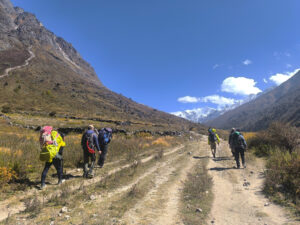

Best Time for Manaslu Circuit Trek depends on weather conditions, trail accessibility, and the experience you want during the journey. The Manaslu region, located in Nepal’s Gorkha District, is known for its remote mountain landscapes, natural diversity, and traditional culture. It is home to Mount Manaslu (8,163 m), the eighth-highest mountain in the world. Visitors can enjoy trekking, hiking, mountaineering, and opportunities to experience traditional Gurung and Tibetan-influenced cultures. Its less-crowded trails and peaceful mountain villages make the region an attractive destination for adventure seekers.
The Manaslu Circuit Trek is the region’s main trekking route, taking trekkers through green hills, rivers, forests, remote villages, and alpine valleys. Along the way, visitors can explore settlements such as Samagaun and Samdo while enjoying views of Mount Manaslu, Ganesh Himal, Himalchuli, and Himlung Himal. The Manaslu Conservation Area is also home to wildlife such as snow leopards, musk deer, blue sheep, and Himalayan marmots, although sightings are not guaranteed.
One of the main challenges of this trek is crossing Larkya La Pass (5,106 m). High altitude, cold winds, snow, and sudden weather changes can make the journey difficult. During the monsoon, rainfall and landslides may affect the trails, while snow and ice can create challenges in winter. Therefore, choosing the right season, allowing enough time for acclimatization, and preparing adequately are essential. Checking weather forecasts and following local guides’ advice can help make the Manaslu Circuit Trek safer and more manageable.
Quick Fact
| Fact | Details |
|---|---|
| Destination | Manaslu Region, Gorkha, Nepal |
| Trek Name | Manaslu Circuit Trek |
| Highest Mountain | Mount Manaslu (8,163 m) |
| Highest Trekking Point | Larkya La Pass (5,106 m) |
| Trek Duration | Approximately 12–18 days |
| Trek Difficulty | Moderate |
| Best Seasons | Spring (March–May) and Autumn (September–November) |
Manaslu Circuit Trek Seasons
The Manaslu Circuit Trek offers different experiences in each season. Spring brings warmer days and blooming rhododendrons, while autumn is known for clearer mountain views and generally stable weather. Summer brings heavy rain and slippery trails, and winter can make high-altitude sections difficult to cross. Choosing the right season depends on your preferred weather, trail conditions, and trekking experience.
Spring (March to May)
Spring is one of the best times to trek in the Manaslu region. Temperatures gradually rise, making daytime walks more comfortable, although mornings and nights can still be cold at higher elevations. As the snow melts, trail conditions generally improve, but Larke La Pass may remain covered in snow, especially after a heavy winter.
The lower hills become colorful as rhododendrons bloom, particularly around elevations of 2,000–3,000 meters. Mornings often provide good mountain views, while afternoon clouds and occasional rain become more common towards late May.
March is usually quieter, while April attracts more trekkers. May can be less busy as the monsoon approaches. For a good balance of weather and fewer crowds, early to mid-April can be a good option, depending on current conditions.
Summer and Monsoon (June to August)
Summer coincides with Nepal’s monsoon season, bringing frequent rainfall, humid conditions, and cloudy skies. The Manaslu Circuit can become difficult during these months, with muddy trails, landslides, rising river levels, and possible damage to sections of the route.
Mountain views are often limited by cloud cover, and leeches may be common on lower sections of the trail. Wet, slippery paths can also make walking more difficult, particularly near streams and exposed slopes.
Some teahouses may close or provide fewer services during this period. Although trekking permits may still be available, the weather and trail risks make the monsoon a less suitable time for most trekkers. Anyone considering a trek during these months should check local conditions and seek advice from an experienced trekking operator before departure.
Autumn (September to November)
Autumn is generally the most popular season for the Manaslu Circuit Trek. Rainfall usually decreases during September, and conditions often become more stable as the season progresses. October is particularly popular because of its generally clear skies and favorable trekking weather.
After the monsoon, the air often becomes clearer, offering excellent views of Mount Manaslu and the surrounding Himalayan peaks. Daytime temperatures are usually comfortable for walking, although nights can become very cold above 3,500 meters.
The trails and teahouses are busier during autumn, especially in October. Most accommodation and food services operate during the main trekking season, but rooms may be limited during busy periods. Booking arrangements in advance can help avoid unnecessary delays.
November is also a good month to trek, particularly during the first half. However, temperatures continue to drop as winter approaches, and conditions around Larke La Pass can change quickly.
Winter (December to February)

Winter brings freezing temperatures, snowfall, and challenging conditions to the higher parts of the Manaslu Circuit. Snow can accumulate above 4,000 meters, making trails difficult to follow and increasing the risk of crossing Larke La Pass.
Temperatures at higher elevations can fall below -20°C during particularly cold periods. Many tea houses close for the winter, leaving fewer accommodation and food options along the route. Heating may also be limited, so proper cold-weather clothing and a suitable sleeping bag are essential.
Winter trekking is possible in some years, but it requires careful planning, experience in cold conditions, and flexibility to change the itinerary. Heavy snowfall or strong winds may make the pass impassable, so its condition should always be checked before attempting the crossing.
For most trekkers, winter is less suitable than spring or autumn. Conditions may gradually improve towards late February or March, but the actual start of the trekking season depends on snowfall, weather, and trail accessibility.
Which Season Should You Choose?
- Spring: Best for rhododendron blooms, milder daytime temperatures, and mountain scenery.
- Summer/Monsoon: Best avoided by most trekkers because of rain, slippery trails, and landslide risks.
- Autumn: The best overall choice for generally stable weather and clear Himalayan views.
- Winter: Better suited to experienced trekkers prepared for severe cold and possible pass closures.
For most people, October or April is a good starting point when planning the Manaslu Circuit Trek. However, weather in the mountains is unpredictable, so always check the latest trail conditions before setting out.
Month-by-Month Weather and Temperature Guide
| Month | Conditions | Daytime Temperature | Recommendation |
|---|---|---|---|
| March | Cold nights with possible snowfall around the high pass | 10–15°C | Moderate |
| April | Stable weather, clear skies, and blooming rhododendrons | 15–22°C | Best |
| May | Warmer days with increasing afternoon clouds | 18–25°C | Good |
| June | Beginning of monsoon, with rainfall and landslide risks | 20–28°C | Avoid |
| July–August | Heavy rainfall, leeches, and slippery trails | 22–30°C | Avoid |
| September | Greener landscapes with gradually clearing weather | 15–22°C | Good |
| October | Stable weather, excellent visibility, and reliable pass conditions | 12–18°C | Best |
| November | Clear, dry weather with colder nights | 8–15°C | Excellent |
| Early December | Generally clear skies but colder conditions | 2–10°C | Caution |
| January–February | Extreme cold and increased snow risks around Larkya La Pass | -5 to 5°C | Expert Only |
Manaslu Circuit Trek Temperature Guide
The temperature on the Manaslu Circuit Trek varies depending on the altitude, season, and time of day. Lower sections of the trail are generally warmer, while temperatures drop as you climb higher into the mountains. Nights and early mornings can be particularly cold, even during the main trekking seasons.
In spring and autumn, daytime temperatures around Soti Khola and Jagat, at approximately 700–1,300 meters, can range from 15°C to 25°C. The weather may feel warm under direct sunlight, but temperatures often fall to around 10°C at night.
As you reach higher villages such as Samagaun and Samdo, located at approximately 3,500–3,800 meters, the weather becomes much colder. Daytime temperatures typically range from 5°C to 15°C, while nighttime temperatures can drop below freezing. Cold conditions are more common in early spring and late autumn, so warm clothing and a suitable sleeping bag are essential.
Larke La Pass, at approximately 5,106 meters, is the highest point of the trek and one of its coldest sections. Temperatures can fall below -10°C during the night or early morning, particularly in colder conditions. Strong winds can also make it feel much colder than the actual temperature.
To stay comfortable, pack clothing that you can wear in layers. A thermal base layer, fleece jacket, insulated down jacket, windproof outer shell, warm hat, and gloves will help protect you from the cold. Layering also makes it easier to adjust your clothing as temperatures change throughout the day.
Best Time for High-Altitude Trekking in Nepal

Weather conditions and seasonal timing play an important role in high-altitude treks such as the Manaslu Circuit Trek. One of the most demanding sections is Larke La Pass, which stands above 5,100 meters. Weather at this elevation can be unpredictable, with sudden snowfall, strong winds, and freezing temperatures making the crossing more difficult.
Spring (March to May) and autumn (September to November) are the most suitable seasons for high-altitude trekking in Nepal. During these months, the weather is generally more stable, the skies are clearer, and trail conditions are relatively favourable. The lower likelihood of heavy snowfall also makes crossing Larke La Pass more manageable.
In contrast, winter brings extreme cold and heavy snow, which can make high-altitude trails difficult or inaccessible. During the monsoon, heavy rainfall, landslides, and cloudy conditions can disrupt trekking and limit mountain views. Therefore, planning the Manaslu Circuit Trek in spring or autumn is a better choice for more favourable weather and trail conditions.
Manaslu Circuit Trek: Essential Tips
- Prepare for changing weather: Wear layers to adjust to temperature changes throughout the trek.
- Pack wisely: Bring warm clothing, waterproof gear, and season-appropriate trekking equipment.
- Check weather updates: Ask local guides about forecasts and trail conditions before setting out.
- Protect yourself from the sun: Use sunscreen, UV-protection sunglasses, and a hat.
- Start early: Begin walking in the morning to reduce exposure to unpredictable afternoon weather.
- Prioritize safety: Change your plans or seek shelter if conditions become dangerous, especially near Larke La Pass.
- Carry essential gear: Pack a headlamp, navigation tools, and emergency communication equipment.
- Stay hydrated: Drink water regularly, even when the weather is cold.
Conclusion
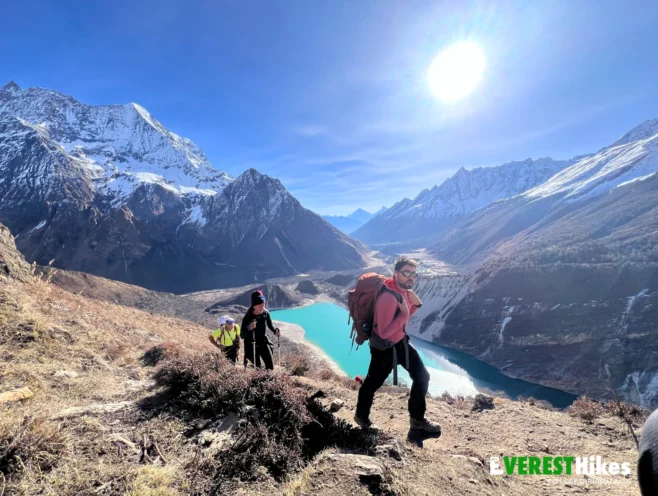
Spring and autumn are the best seasons to trek in the Manaslu region. Spring brings dry trails, stable weather, longer daylight hours, and clear mountain views. Autumn is equally favourable, with crisp skies, comfortable temperatures, and excellent visibility across the mountains.
While these two seasons offer the best trekking conditions, the Manaslu trek is possible throughout the year with proper planning and preparation. Each season has its own character, making the experience different depending on when you choose to visit.
FAQ’s
What is the best month to trek the Manaslu Circuit?
October is generally the best month for the Manaslu Circuit Trek because it offers stable weather, clear mountain views, and favourable conditions for crossing Larkya La Pass. April is another excellent choice, with warmer temperatures, blooming rhododendrons, and good trekking conditions.
Can you trek the Manaslu Circuit in winter?
Yes, winter trekking is possible, particularly in early December, but it requires proper cold-weather equipment and previous trekking experience. January and February are much more difficult, as heavy snowfall can cover Larkya La Pass and temperatures at higher elevations can drop to around -20°C.
Is the Manaslu Circuit Trek safe during the monsoon?
The monsoon season (June to August) is generally not recommended for the Manaslu Circuit Trek. Heavy rainfall increases the risk of landslides, muddy trails, and river flooding along the Budhi Gandaki Valley. Cloud cover also frequently blocks mountain views.
When is the best time to cross Larkya La Pass?
October and early November usually offer the most favourable conditions for crossing Larkya La Pass. April is also a suitable month, although trekkers should start early in the morning to avoid afternoon cloud and changing weather conditions.
Which season offers the clearest mountain views on the Manaslu Circuit?
Autumn, particularly October, provides the clearest and most consistent mountain views. Spring also offers good visibility, especially in the mornings, although afternoon clouds can sometimes reduce views of the surrounding peaks.
Does the weather affect the Manaslu Circuit Trek itinerary?
Yes. Weather conditions can affect walking hours, trail accessibility, and the Larkya La Pass crossing. Heavy snowfall, rainfall, or strong winds may require itinerary adjustments, so keeping one or two extra days is a sensible precaution.
Is March a good month for the Manaslu Circuit Trek?
March marks the beginning of the spring trekking season. Lower sections of the trail become warmer, and rhododendrons start blooming towards the end of the month. However, higher elevations can remain cold, with possible snowfall around Larkya La Pass.
What is the coldest part of the Manaslu Circuit Trek?
The highest sections around Samdo, Dharmasala, and Larkya La Pass are generally the coldest parts of the trek. Temperatures drop significantly at night and during early morning hours, particularly from December to February. Proper insulated clothing, gloves, and sleeping equipment are essential.
Is September a good time for the Manaslu Circuit Trek?
September can be a suitable month, particularly during the second half when monsoon rainfall begins to decrease. However, early September may still bring heavy rain, cloudy skies, and landslide risks along the lower trail.
Is April or October better for the Manaslu Circuit Trek?
October is generally better for clear mountain views and stable autumn weather. April is a good alternative for warmer daytime temperatures and rhododendron blooms. Both months offer suitable conditions for crossing Larkya La Pass, depending on current weather.