
Overview
If you’re staying in Kathmandu and want a break from the traffic and noise of the city, Kakani is one of the easiest escapes you can reach on two wheels. It’s close enough for a single-day ride, but far enough that the air, the scenery, and the pace of life feel completely different. You leave the city behind, climb steadily through the countryside and small villages, and end up somewhere quiet, green, and cool — with a proper local lunch waiting for you. For travelers who want a short outdoor adventure without committing to a multi-day trek, this route hits a nice balance of physical challenge, nature, and local culture.
What is the Kakani Cycling Tour?
The Kakani Cycling Tour is a day cycling trip from Kathmandu to Kakani, a hill town northwest of the city known for mountain views and cool air. Riders cycle through Balaju Bypass and gradually climb into the countryside, stopping for scenery, lunch, and a visit to a local trout fish farm before returning to Kathmandu.
Kakani Cycling Tour Overview
- Starting point: Kathmandu
- Route: Kathmandu → Balaju Bypass → Kakani (and back the same way)
- Approximate cycling time: Around 4 hours to reach Kakani, depending on your pace, number of stops, and road conditions
- Elevation: Kakani sits considerably higher than Kathmandu, which is part of why the ride feels like a steady climb and why the air noticeably cools as you go up
- Difficulty: Moderate — the road is currently in good condition for cycling, but expect sustained uphill sections
- Distance: We don’t publish an exact figure here, since actual distance covered depends on the route variation and any detours taken — your guide can walk you through the specifics before you set off
Detailed Cycling Experience
The ride begins in Kathmandu and heads out through Balaju Bypass, which is the main way out of the city toward the Kakani road. Once you’re past the busier stretches near Balaju, the traffic thins out and the road starts to feel more open.
From there, it’s a gradual, steady climb. You won’t hit one brutal wall of a hill — instead, the road rises little by little as you leave the city behind and move into the countryside. Right now, the road surface is quite good for cycling, which makes this a comfortable route even if you’re not an experienced mountain biker.
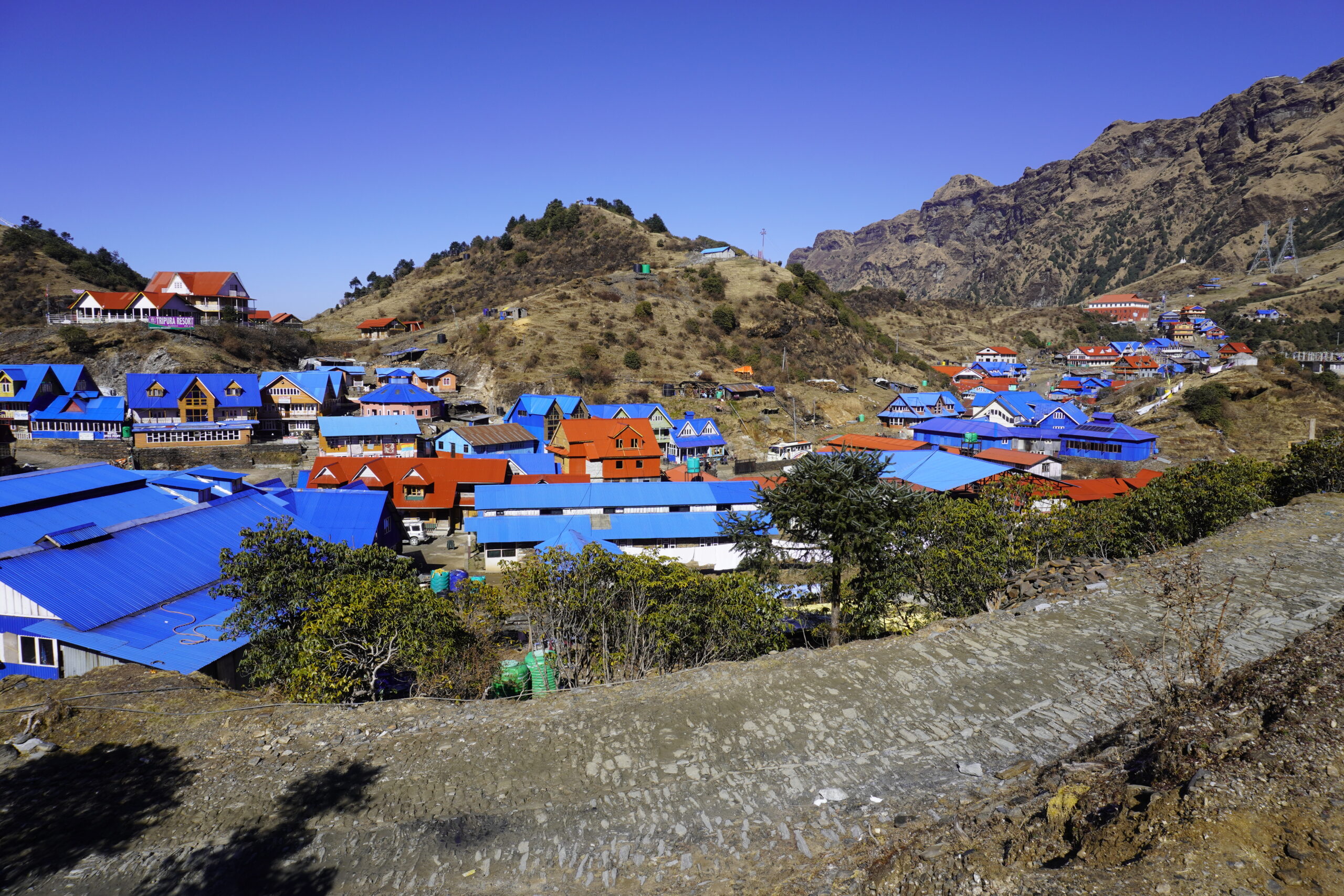
As you climb, the scenery changes noticeably. The dense buildings of Kathmandu give way to terraced fields, scattered farmhouses, and small local villages. The air gets cleaner and cooler the higher you go. On clear days, you’ll get wider views over the valley and, as you approach Kakani, glimpses of the surrounding hills and mountains.
Your guide will usually plan a few breaks along the way — a good chance to catch your breath, take photos, chat with locals, or just enjoy the surroundings before continuing the climb. This isn’t a race; it’s meant to be enjoyed at a pace where you can actually take in where you are.
Lunch and Trout Fish Experience
Once you reach Kakani, the reward for the climb is a relaxed lunch with genuinely nice views over the surrounding hills. This is usually the highlight break of the day — a chance to sit down, refuel, and enjoy the cooler mountain air after a few hours of uphill riding.
Kakani is also known locally for its trout fish farming, and the tour includes time around the Trout Fish Farming Center. You can walk through the farm, see how trout are raised in this environment, and learn a bit about the local fish farming setup from the people who run it.
Depending on availability and the arrangements on the day, you may also have the option to catch a trout yourself and have it prepared and cooked locally. This isn’t just a sightseeing stop — it’s a genuine countryside food experience, closer to how a local family day out to Kakani might unfold, rather than a formal tourist activity. As with any small local operation, exact availability can vary, so think of it as a nice possibility rather than a guaranteed part of the day.
After lunch, there’s usually time to relax, walk around, and enjoy the quiet before heading back down toward Kathmandu.
Why Choose Kakani for a Cycling Tour?
- Close to Kathmandu — no long drive or transfer needed to start the ride
- Fresh mountain air — a real change from the city, especially noticeable as you climb
- Scenic roads — countryside, terraced fields, and hill views along the way
- Countryside experience — small villages and a slower pace of life
- Local food — a proper lunch stop with a view
- Trout farming experience — a hands-on, local activity you won’t find inside the city
- Good one-day adventure — no need for multi-day planning or heavy gear
Itinerary
A typical Kakani cycling day might look something like this (times are examples only and will vary with your pace and the day’s conditions):
- Early morning: Meet in Kathmandu, brief safety and route overview, gear check
- Morning: Cycle out via Balaju Bypass toward Kakani, with breaks along the way for scenery and rest
- Late morning to early afternoon: Arrive in Kakani after the climb (roughly around the 4-hour mark of actual riding, depending on stops)
- Afternoon: Lunch with views, time at the Trout Fish Farming Center, relaxing in Kakani
- Afternoon/evening: Cycle back down toward Kathmandu, arriving as light starts to fade
Your guide will adjust the schedule on the day based on group fitness, weather, and how much time you want to spend at each stop.
Difficulty and Fitness
This is a moderate-level ride, mainly because of the sustained uphill cycling on the way to Kakani. You don’t need to be a serious athlete, but some baseline fitness and prior cycling experience will make the day much more enjoyable. If you cycle occasionally and are comfortable riding for a few hours with breaks, you should be fine. The return trip is mostly downhill, so it’s generally easier — but downhill riding brings its own need for care, especially on turns.
Best Time for Kakani Cycling
Nepal’s cycling conditions generally follow the country’s broader seasonal pattern. Autumn (roughly September to November) tends to bring clear skies and stable weather, which is popular for outdoor activities around Kathmandu. Spring (roughly March to May) is also a good window, often with pleasant temperatures, though visibility can vary. The monsoon season (roughly June to August) brings rain, which can make hill roads slippery and less predictable, so it’s worth checking conditions closer to your travel dates. Winter (December to February) can be cold, especially at Kakani’s higher elevation, so extra layers are a good idea if you’re cycling then. Conditions do change year to year, so it’s always worth confirming current road and weather conditions with your guide before the tour.
What to Bring
- Comfortable cycling clothes
- Proper cycling or comfortable closed-toe shoes
- A refillable water bottle
- Sunglasses
- Sunscreen
- A light jacket (Kakani is noticeably cooler than Kathmandu)
- Rain protection, especially outside the dry season
- A small backpack for personal items
- A basic level of physical readiness for uphill cycling
Safety and Road Conditions
While the road to Kakani is currently in good condition for cycling, conditions on any hill road can change — due to weather, traffic, or ongoing maintenance work. Always follow your guide’s instructions, particularly on downhill stretches where speed needs to be kept under control, and around any sections with vehicle traffic. Wearing a helmet and using proper hand signals when riding in a group are both part of staying safe on the road. If conditions on the day aren’t suitable for a safe ride, your guide may adjust the route or pace accordingly.