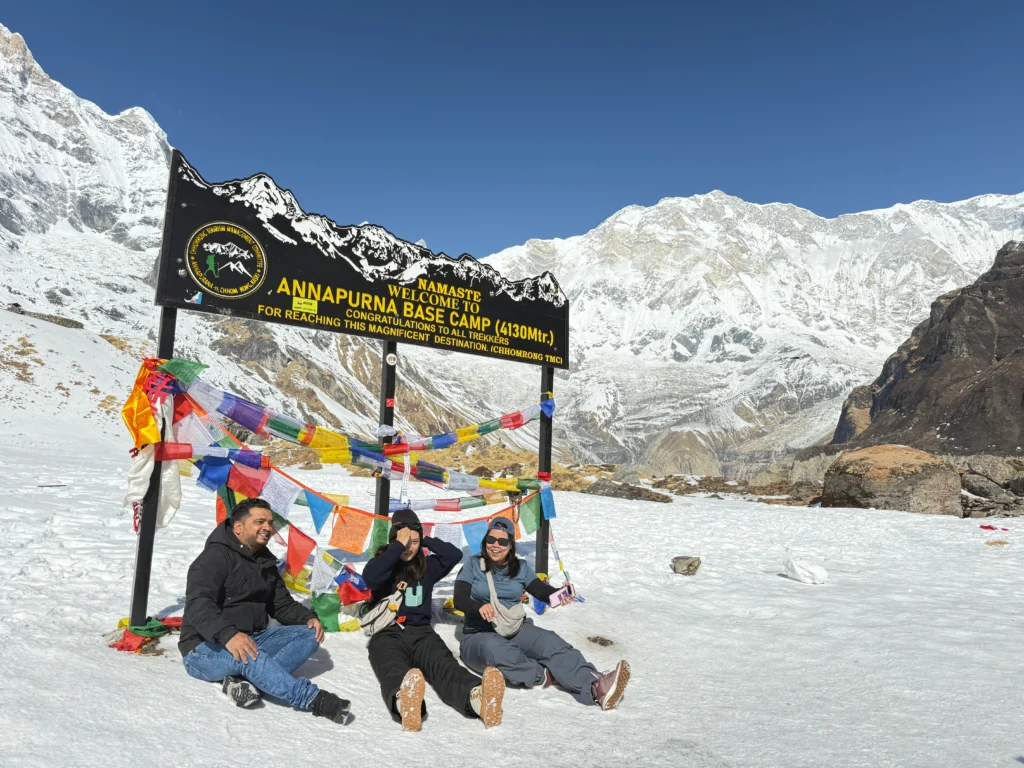
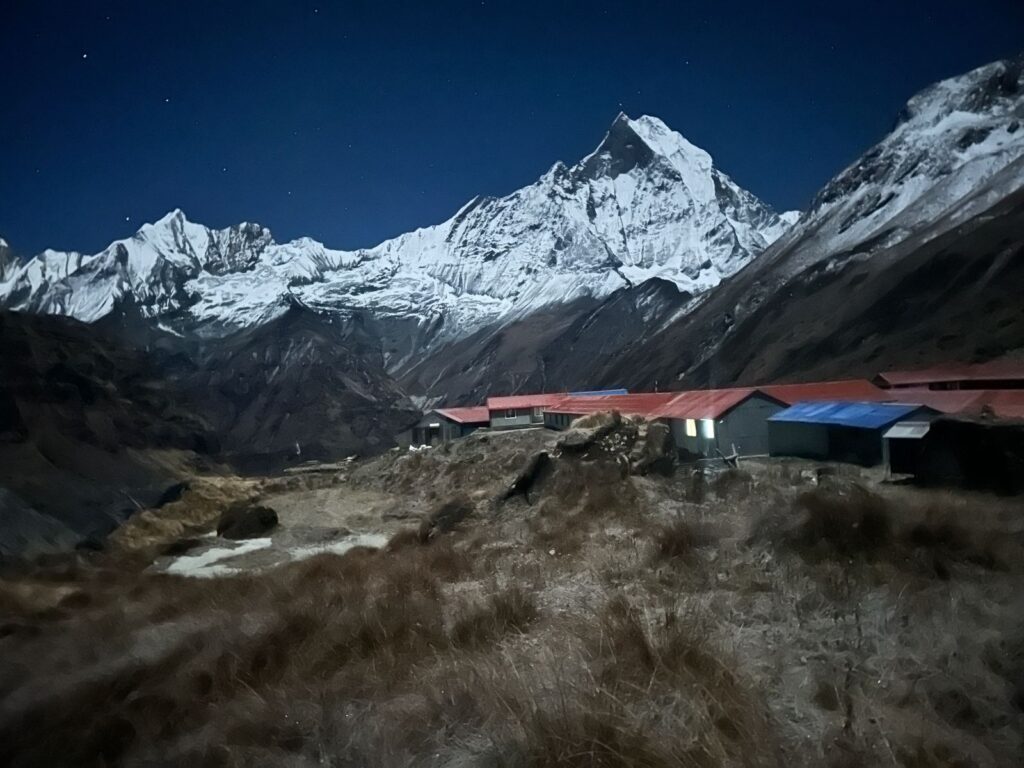
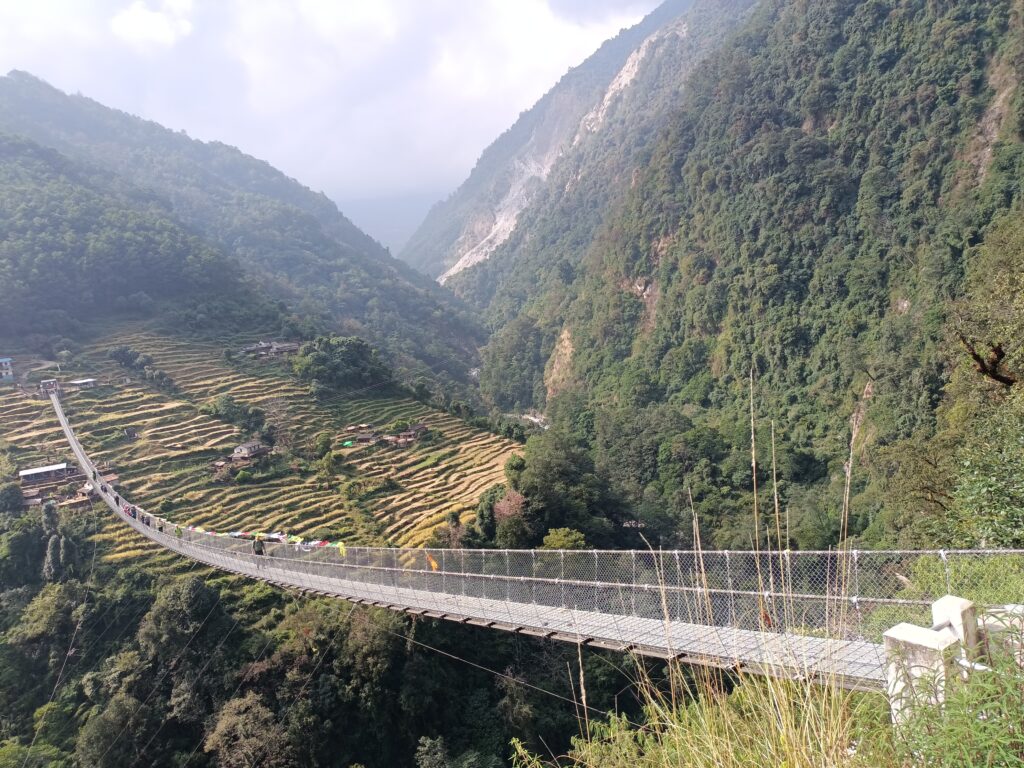
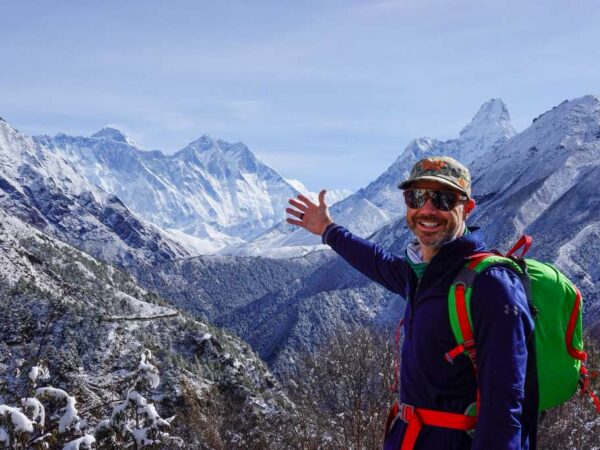
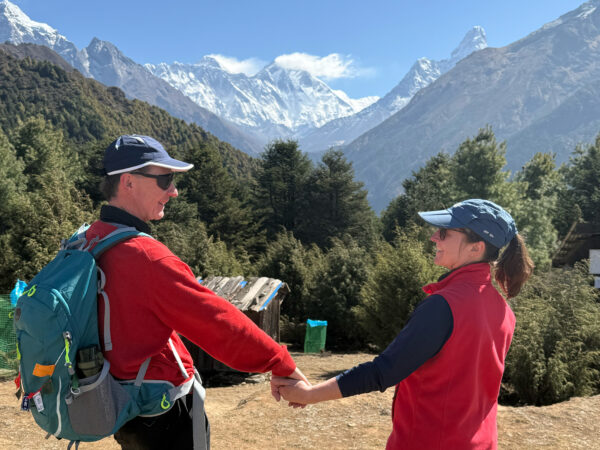
Trek through charming villages and lush forests, with breathtaking views of Dhaulagiri and the Annapurna Massif, culminating at the stunning Annapurna Base Camp.
Share Now
Rated 5/5
stars on TripAdvisor from 22 verified traveler reviews
From
US$970
Per Person
Group Discount Price
No. of PersonsPrice P/P
1 - 1 paxUSD$970
2 - 6 paxUSD$750
7 - 15 paxUSD$699
The Annapurna Base Camp Trek stands as one of Nepal’s most spectacular Himalayan adventures, offering trekkers an unforgettable journey through diverse landscapes and breathtaking mountain vistas. This incredible ABC Trek takes adventurers deep into the heart of the Annapurna Sanctuary, where towering peaks create a natural amphitheater of snow-capped giants. Whether you’re seeking your first major Himalayan experience or looking to explore Nepal’s renowned trekking routes, the Annapurna Base Camp Trek delivers a perfect blend of natural beauty, cultural immersion, and achievable challenge.
Overview
The Annapurna Base Camp Trek, also known as the ABC Trek or Annapurna Sanctuary Trek, is a moderate-level trek also considered to be the beginners trek that takes you to the base of the world’s tenth-highest mountain, Annapurna I (8,091m). This remarkable journey spans 10-14 days and reaches an elevation of 4,130 meters at Annapurna Base Camp, making it an ideal adventure for beginner to intermediate trekkers.
Trekking in Nepal offers countless opportunities, but the ABC Trek stands out for its accessibility and stunning rewards. The trek showcases everything from terraced farmlands and traditional Gurung villages to dense rhododendron forests and alpine meadows. As you ascend through the Modi Khola Valley, you’ll witness the dramatic transformation of landscapes while being surrounded by some of the world’s most magnificent Himalayan peaks.
The Annapurna Sanctuary Trek provides trekkers with close-up views of Annapurna I, the distinctive Machapuchare (Fishtail Mountain), Hiunchuli, and numerous other towering summits. This natural sanctuary, protected by a ring of peaks, creates a unique microclimate that supports diverse flora and fauna, making every step of your Annapurna trekking Nepal experience truly memorable.
Highlights of the Annapurna Base Camp Trek
The Annapurna Base Camp Trek offers numerous unforgettable moments that make this Himalayan adventure truly special. From spectacular mountain vistas to cultural encounters, every aspect of this trek creates lasting memories.
Himalayan Panorama; The crown jewel of the trek is the incredible Himalayan panorama visible from Annapurna Base Camp. Standing at 4,130 meters, you’ll be surrounded by towering peaks including Annapurna I (8,091m), Annapurna South, Machapuchare, Hiunchuli, and Gangapurna. The sunrise at Annapurna Base Camp is particularly spectacular, as the first light illuminates the snow-capped peaks in golden hues.
Annapurna Glacier Views: The massive Annapurna glacier dominates the upper reaches of the sanctuary, creating a dramatic backdrop for your base camp experience. The glacier’s blue ice formations and crevasses provide stunning photographic opportunities and demonstrate the raw power of these ancient ice rivers.
Machapuchare; (Fishtail Mountain) The distinctive Machapuchare, known as Fishtail Mountain, presents one of the most recognizable silhouettes in the Himalayas. This sacred peak, never climbed to its summit, dominates the skyline throughout much of the trek and provides countless photo opportunities.
Rhododendron Forests: During spring months, the rhododendron forests along the trail burst into spectacular bloom, creating a carpet of red, pink, and white flowers. These ancient forests provide habitat for numerous bird species and create a magical atmosphere as you trek through their canopies.
Ghandruk Village Culture: Ghandruk village offers excellent insights into traditional Gurung culture, with its stone houses, terraced fields, and mountain lifestyle. The village provides stunning views of Annapurna South and Machapuchare while showcasing traditional architecture and local customs.
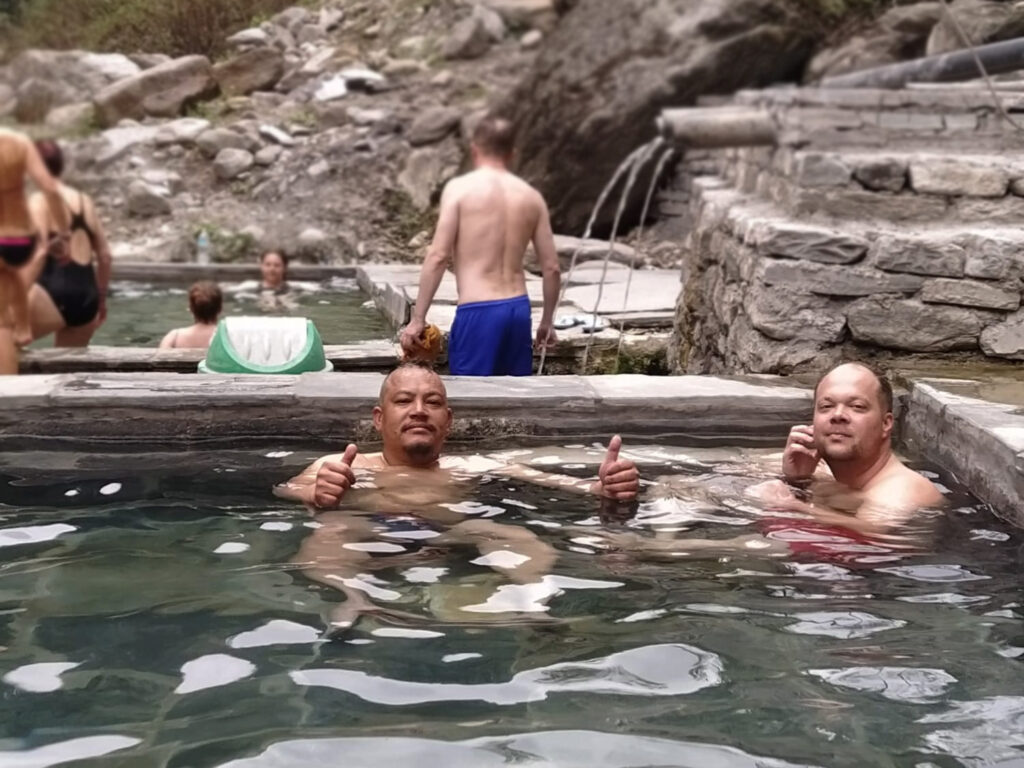
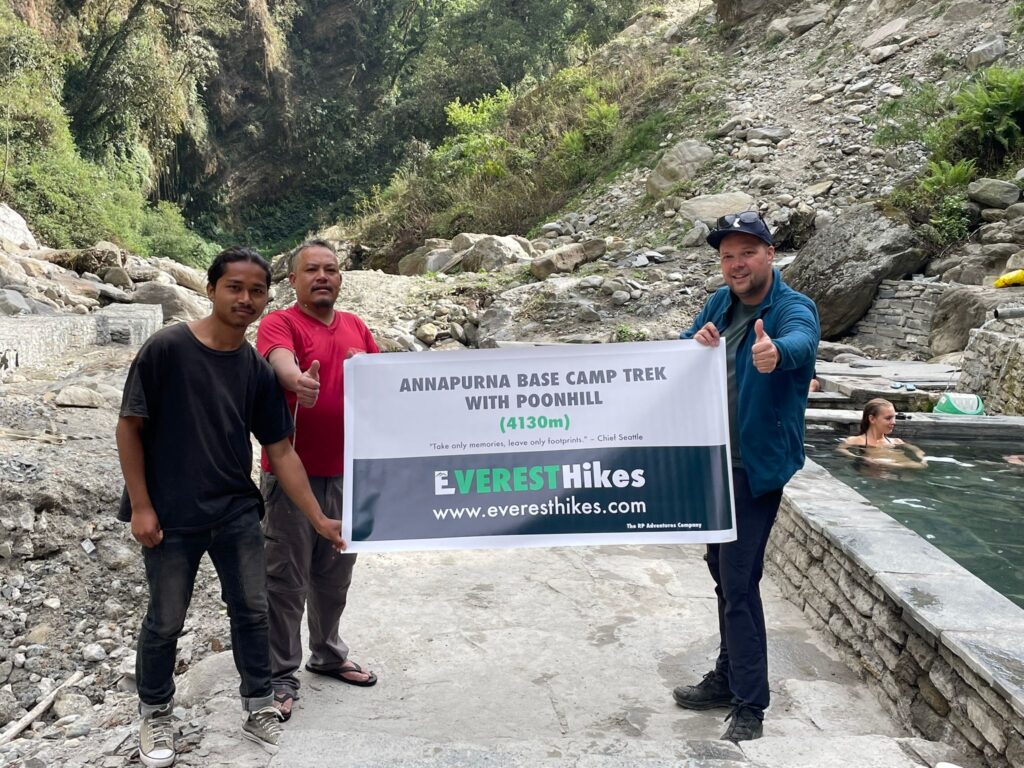
Natural Hot Springs: The natural hot springs at Jhinu Danda provide a perfect way to relax after your high-altitude adventure. These geothermal springs offer therapeutic benefits and create a memorable contrast to the cold mountain environment.
Diverse Landscapes: The trek showcases incredible landscape diversity, from subtropical forests and terraced farmlands to alpine meadows and glacial valleys. Each ecological zone supports different flora and fauna, creating a constantly changing environment throughout your journey.
Cultural Immersion: Interactions with local communities provide authentic cultural experiences. From sharing meals in tea houses to learning about traditional farming practices, the trek offers numerous opportunities for meaningful cultural exchange.
Where is Annapurna Base Camp Located?
Annapurna Base Camp is situated in the heart of the Annapurna region in central Nepal, approximately 200 kilometers northwest of Kathmandu. The trek begins with a scenic drive from Pokhara to ABC starting point at Nayapul, making it easily accessible for international travelers.
The Annapurna region encompasses a vast area of the Himalayas, with the base camp positioned at the center of the Annapurna Sanctuary. This natural amphitheater is surrounded by some of the world’s most impressive Himalayan peaks, including Annapurna I (8,091m), Annapurna South (7,219m), Machapuchare (6,993m), Hiunchuli (6,441m), and Gangapurna (7,455m).
The journey from Pokhara to ABC takes trekkers through diverse ecological zones, from subtropical forests at lower elevations to alpine environments near the base camp. The route follows the Modi Khola Valley, a glacial valley that provides the primary access corridor to the Annapurna Sanctuary. This unique geography creates spectacular mountain vistas at every turn, with each day revealing new perspectives of the surrounding Himalayan peaks.
Best Time to Do the Annapurna Base Camp Trek
Choosing the best time to trek ABC is crucial for ensuring optimal weather conditions and mountain views. The Annapurna Base Camp Trek can be undertaken throughout most of the year, but certain seasons offer superior conditions for this Himalayan adventure.
Spring Season (March-May) Spring is considered one of the best times for the ABC Trek. The weather in Annapurna region is generally stable, with clear skies providing excellent mountain vistas. The famous rhododendron forests are in full bloom during this period, creating a spectacular display of colors along the trail. Trekking season Nepal peaks during April and May, when temperatures are moderate and rainfall is minimal.
Autumn Season (September-November) Autumn represents the prime trekking season Nepal for the Annapurna Base Camp Trek. The post-monsoon period offers crystal-clear mountain views, stable weather patterns, and comfortable temperatures. This is the most popular time for Annapurna trekking Nepal, so expect more crowded trails and higher accommodation prices.
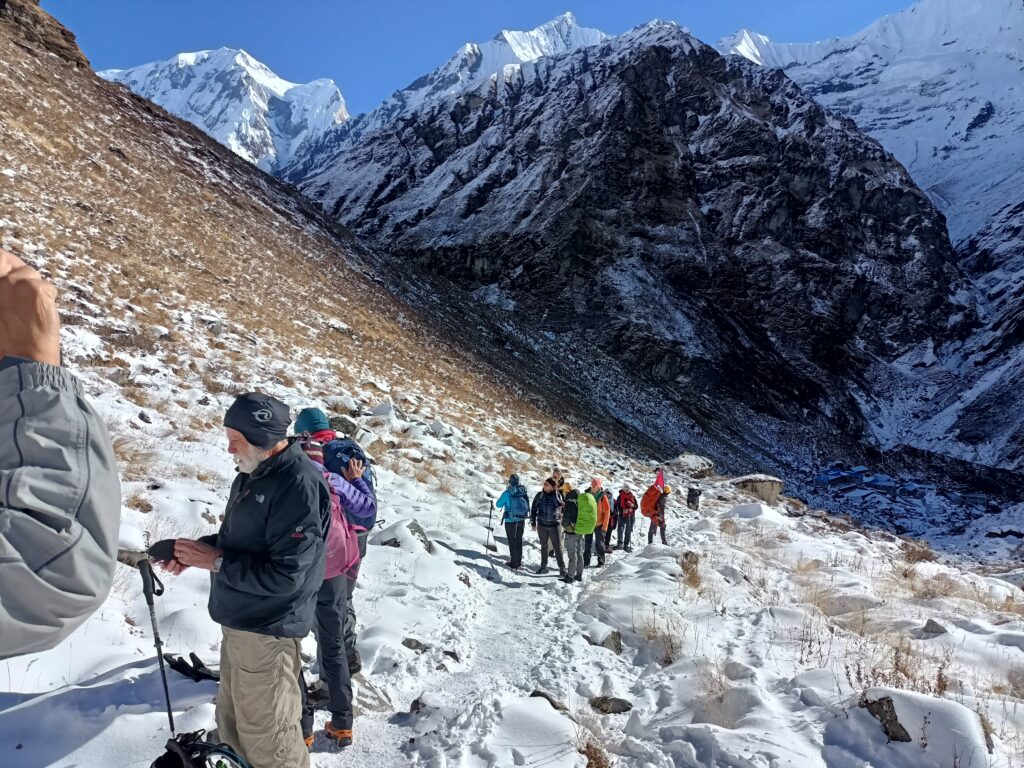
Winter Season (December-February) Winter trekking is possible but challenging due to heavy snowfall at higher elevations. While the lower sections of the trail remain accessible, reaching Annapurna Base Camp may require additional preparation and experience with snow conditions.
Monsoon Season (June-August) The monsoon season brings heavy rainfall, leeches, and obscured mountain views. While the landscape becomes lush and green, this period is generally not recommended for the ABC Trek due to safety concerns and limited visibility.
The best time to trek ABC ultimately depends on your preferences for weather, crowds, and seasonal highlights. Spring and autumn offer the most reliable conditions for this spectacular Himalayan adventure.
Outline Itinerary
Day 1 : Arrival at Kathmandu & transfer to hotel (1350m) Day 2 : Drive from Kathmandu to Pokhara (8,50m) Duration: 6-7 hours. Day 3 : Drive to Nayapul & trek to Ulleri (1,960m) Duration: 5-6 hours. Day 4 : Trek from Ulleri to Ghorepani (2,874m) Duration: 5-6 hours. Day 5 : Hike up to Poon Hill viewpoint (3210m) & trek to Tadapani (2,710m) Duration: 6-7 hours. Day 6 : Trek from Tadapani to Chomrong (2,170m) Duration: 6-7 hours. Day 7 : Trek from Chomrong to Bamboo (2,600m) Duration: 5-6 hours. Day 8 : Trek from Bamboo to Deurali (3,200m) Duration: 5-6 hours. Day 9 : Trek to Annapurna Base Camp (4,130m) Duration: 5-6 hours. Day 10 : Trek from ABC to Sinuwa (2,400m) Duration: 4-5 hours. Day 11 : Trek from Sinuwa to Jhinu Danda (hot spring) (1760m) via Chomrong; Duration: hours. Day 12 : Drive to Pokhara (8,20m) Duration: 6-7 hours. Day 13 : Drive from Pokhara to Kathmandu; Duration (1,350m): 6-7 hours. Day 14 : International departure from Kathmandu Airport.
Trekking Adventure Led by Rajan | 2022 Journey with American Senior Citizens
Annapurna Base Camp Trek – 14 Days Itinerary
Day 01
Arrival at Kathmandu & transfer to hotel (1350m)
We will pick you up from the airport and assist with your hotel check-in. You will be staying at a three-star hotel in Kathmandu. Later in the day, you will meet with the trek guide for a brief orientation session. Spend the evening preparing for the trek and exploring the vibrant streets of Thamel.
Max Altitude: 1350 m
Breakfast
Hotel
Day 02
Drive from Kathmandu to Pokhara (8,50m) Duration: 6-7 hours.
Today, you'll embark on a journey to Pokhara, known as the City of Lakes. The drive promises stunning scenery, with lush hills, rocky mountains, and rushing rivers enhancing the experience. Once you arrive in Pokhara, head to your hotel and settle in.
In the evening, explore the Lakeside Market and unwind around Phewa Lake. From there, you can enjoy distant views of majestic mountains like Annapurna, Machapuchhre, Dhaulagiri, and Manaslu.
Max Altitude: 850 m
Breakfast
Hotel
Day 03
Drive to Nayapul & trek to Ulleri (1,960m) Duration: 5-6 hours.
After enjoying a delightful breakfast in Pokhara, you'll embark on a scenic drive to Nayapul, the starting point of your trek. Alternatively, you can opt for the off-road route to Hille, where your trekking adventure can begin. From Nayapul, the trail winds through verdant forests and terraced fields, following a picturesque river.
Continuing along the north bank of the Bhurungdi Khola, you'll arrive at Hille (1,495 m) before pressing onward to Tikhedhunga (1,570 m). The journey proceeds to the village of Ulleri, the next notable stop along the route.
Max Altitude: 1960 m
Breakfast, Lunch, Dinner
Tea House
Day 04
Trek from Ulleri to Ghorepani (2,874m) Duration: 5-6 hours.
You start your trek amidst breathtaking vistas of the Annapurna Range, Mt. Hiunchuli, and Mt. Fishtail, passing through lush rhododendron forests. Along the way, you may spot wildlife such as monkeys and exotic birds. After reaching Nanghethani at 2,460 meters, a scenic hour-long walk brings you to Ghorepani village.
Nestled amid rhododendron forests and the grandeur of the Himalayas, Ghorepani offers spectacular views of the Annapurna range, Mt. Dhaulagiri, Mt. Nilgiri, Tukuche Himal, Mt. Hiunchuli, Mt. Fishtail, and more.
Max Altitude: 2874 m
Breakfast, Lunch, Dinner
Tea House
Day 05
Hike up to Poon Hill viewpoint (3210m) & trek to Tadapani (2,710m) Duration: 6-7 hours.
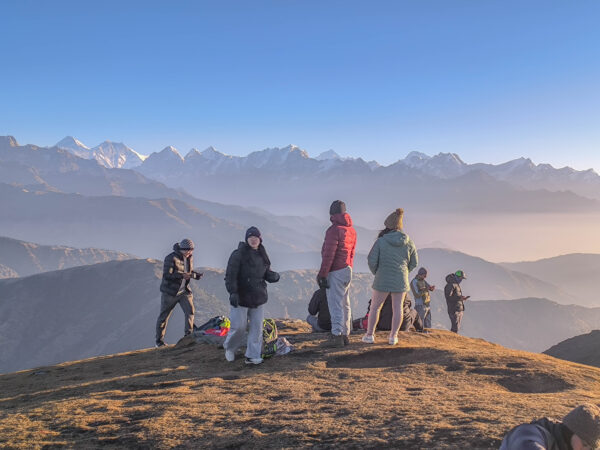
Today, you'll begin early to witness one of the most breathtaking sunrises over snow-capped mountains from Poon Hill, perfect for sunrise enthusiasts. The trail from Ghorepani ascends steeply along rocky paths to reach the viewpoint.
Later, you'll trek back to Ghorepani before continuing onward to Tadapani. The route winds through verdant forests filled with rhododendrons and oak groves, passing through Deurali and Bandhani on the way to Tadapani.
Max Altitude: 2710 m
Breakfast, Lunch, Dinner
Tea House
Day 06
Trek from Tadapani to Chomrong (2,170m) Duration: 6-7 hours.
The day starts with a hearty breakfast amidst stunning scenery. You'll trek from Ghandruk village, descending steeply to the Kimron river. As you continue, the trail climbs up to Chhomrong, where you'll settle in for the night. Along the way, you'll enjoy excellent views of Mt. Annapurna and Mt. Fishtail.
Max Altitude: 2170 m
Breakfast, Lunch, Dinner
Tea House
Day 07
Trek from Chomrong to Bamboo (2,600m) Duration: 5-6 hours.
Descending along rugged staircases, you'll cross the Chhomrong Khola via an exhilarating suspension bridge. The path ascends from the side valley, tracing above the Modi Khola. Passing through a small settlement and diverse landscapes of bamboo, rhododendron, and oak forests, you'll navigate a challenging trail to reach Sinuwa (2,350 m).
At Sinuwa, we'll register our ACAP permit at the check post before descending via a long, steep stone staircase into a dense forest. The trail continues past muddy sections until reaching Bamboo.
Max Altitude: 2600 m
Breakfast, Lunch, Dinner
Tea House
Day 08
Trek from Bamboo to Deurali (3,200m) Duration: 5-6 hours.
Starting from Bamboo, the trail gently climbs through thick forests up to Dovan (2,630 m). Along the way, you'll encounter several lodges and campsites, eventually merging onto a muddy trail that winds high above a river. Continuing onward leads to the Himalayan Hotel at 2,900 meters, followed by a steep ascent to Hinko Cave (3,160 m). From Hinko Cave, it's about a 20-minute walk to reach Deurali.
Max Altitude: 3200 m
Breakfast, Lunch, Dinner
Tea House
Day 09
Trek to Annapurna Base Camp (4,130m) Duration: 5-6 hours.
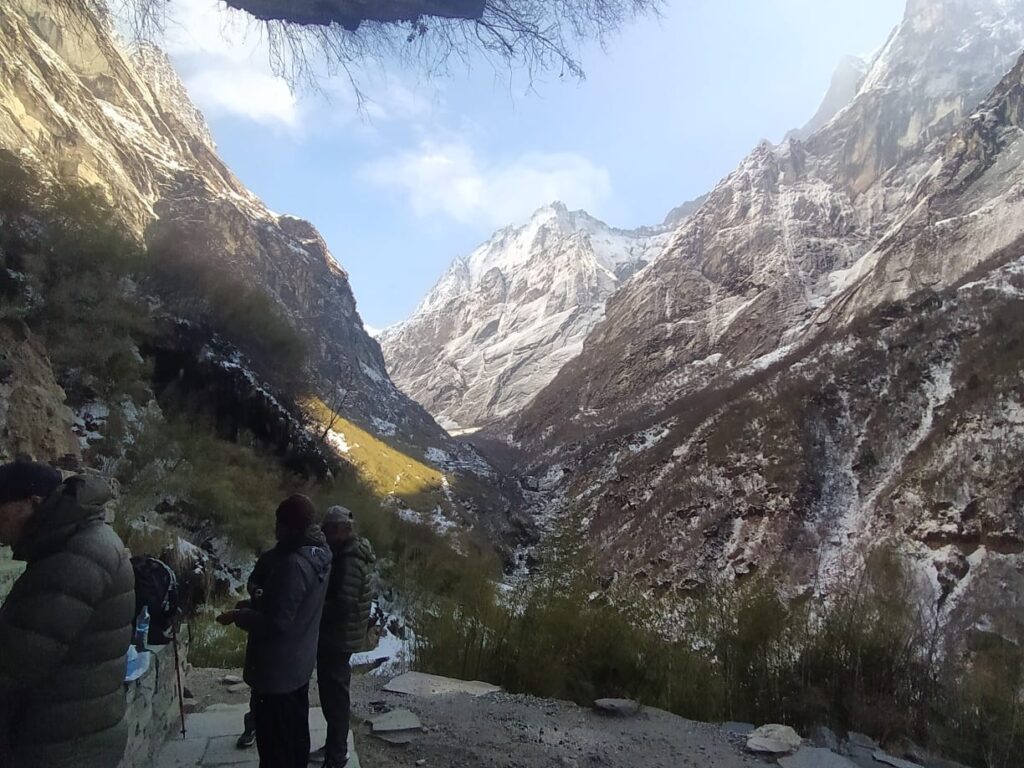
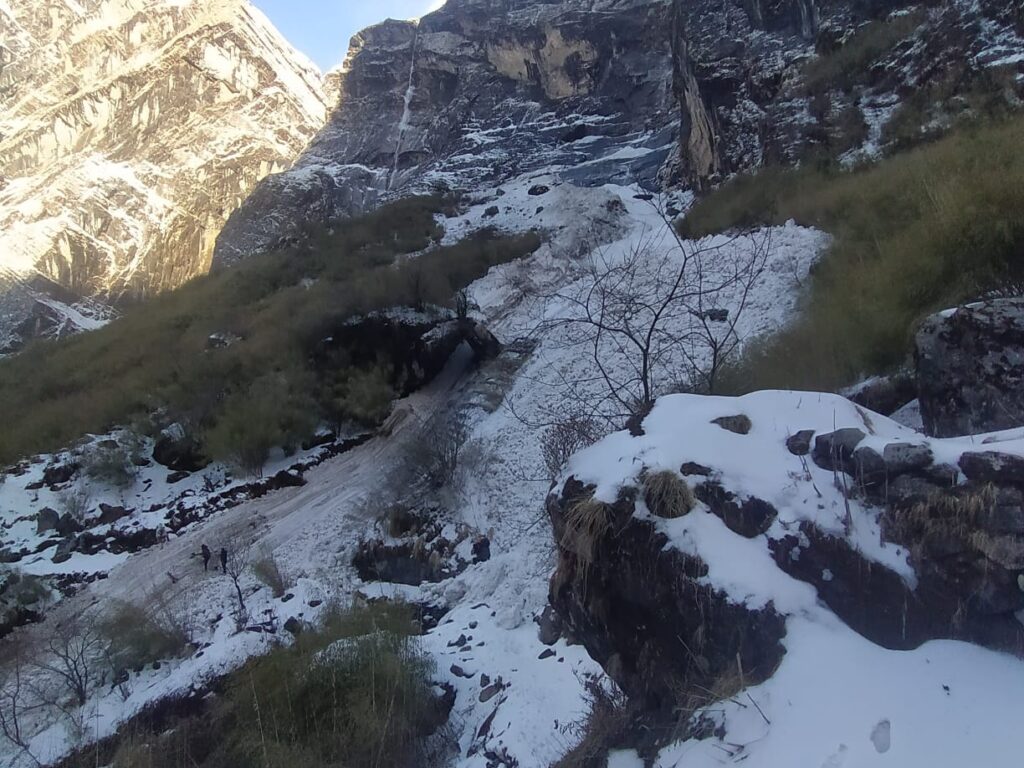
After another four hours of walking, you will arrive at the Annapurna Base Camp. The valley gradually opens up, and the trail becomes less steep. As you continue trekking through the sanctuary, you'll cross two avalanche sections on a narrow path that hugs the cliffs. Upon reaching Bagar (3,310 m), follow the left side of the valley.
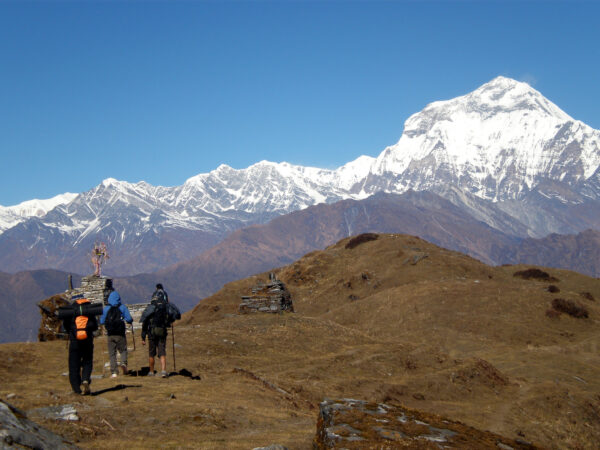
The trail passes by Machhapuchhre Base Camp (3,820 m), continues through the alpine meadow, and ascends to ABC. Along the way, you'll be treated to panoramic views of Annapurna South, Annapurna I, Annapurna III, Mt. Fishtail, Mt. Hiunchuli, Mt. Gangapurna, Tilicho Peak, Pisang Peak, Mt. Dhaulagiri, and more.
Max Altitude: 4130 m
Breakfast, Lunch, Dinner
Tea House
Day 10
Trek from ABC to Sinuwa (2,400m) Duration: 4-5 hours.
After breakfast, you will trek back to Sinuwa. From there, continue your journey to the Himalayan Hotel and descend to Dovan. Trek further through the Bamboo village, passing by dense forests. The trail ascends to Kildi Ghar and returns to Sinuwa. Although much of the trail today is downhill, be sure to walk carefully.
Max Altitude: 2400 m
Breakfast, Lunch, Dinner
Tea House
Day 11
Trek from Sinuwa to Jhinu Danda (hot spring) (1760m) via Chomrong; Duration: hours.
After descending from Sinuwa, you trek down to Chhomrong Khola and follow stone staircases for about an hour. The path then gently leads to Jhinu Danda, a village known for its natural hot springs where you can relax for the rest of the day. Access to the hot springs may require a small additional fee for enjoyment.
Max Altitude: 1760 m
Breakfast, Lunch, Dinner
Tea House
Day 12
Drive to Pokhara (8,20m) Duration: 6-7 hours.
We'll drive back to Pokhara. The rest of the day is yours to enjoy in Pokhara. Take a leisurely boat ride on the serene Phewa Lake and unwind.
Max Altitude: 820 m
Breakfast, Lunch, Dinner
Hotel
Day 13
Drive from Pokhara to Kathmandu; Duration (1,350m): 6-7 hours.
At 6 am, your guide will meet you for an early morning departure to the bus park, where you'll board a tourist bus bound for Kathmandu. Alternatively, private car or flight arrangements can be made upon request, with additional costs applicable.
Scenic Nepal Treks will organize a farewell dinner at a Nepalese cuisine restaurant, offering an authentic experience of local dishes and live traditional dances.
Max Altitude: 1350 m
Breakfast
Hotel
Day 14
International departure from Kathmandu Airport.
Our team at Everest Hikes will accompany you to the airport for your return flight. You also have the option to experience Mountain Flights, offering stunning views of the Everest region. Afterward, we will arrange your transfer to the International Airport for your departure. Please ensure you arrive at the airport at least 3 hours before your scheduled flight
Breakfast
Inclusions
What's included
International & Domestics Airport pick up and drop
Standard Hotel accommodation in Kathmandu & Pokhara (with breakfast included)
An Experience English speaking guide
All Meals and Teahouse accommodation during the trek
Kathmandu - Pokhara - Kathmandu by tourist bus
Pokhara - Nayapul - Pokhara by Private vehicle
All required trekking permits (Annapurna Conservation Area Entry Fee and TIMS Card)
Guide and porter insurance with food and accommodation
Basic Medical kits
Sleeping and duffel bag, trekking poles (should be returned after the trek
Farewell dinner
Emergency Helicopter Evacuation Service Arrangement Only (should cover by your travel insurance)
All required paper works and government taxes
Everest Hikes T-shirt
What's not included
International Flight
Nepal Travel Visa Fee
Porter (a porter for every two trekkers, carry up to 20kg) - cost USD $300
Personal Medical and Travel insurance (Should cover helicopter evacuation)
Guide, Porter and Driver tips
Personal Gears (equipment)
Personal bill
Lunch and Dinner in Kathmandu
All other personal expense of beverages (hard and soft drinks)
All other things not mentioned in the inclusion
Book The Dates
Upcoming Fixed Departures for 2026 & 2027
Join our group trips on the dates below, or reach out to arrange a private or family journey designed around your schedule.
Accommodation and Food on the Annapurna Base Camp Trek
When you trek with Everest Hikes Pvt Ltd, your comfort and safety on the trail are always our priority. The Annapurna Base Camp Trek follows Nepal’s well-established tea house trekking system, making it one of the most accessible and rewarding Himalayan adventures for trekkers of all experience levels.
Our team has guided hundreds of trekkers along this route, and we carefully select reliable lodges that maintain cleanliness, warm hospitality, and consistent food quality.
Tea House Accommodation on the ABC Trek
The Annapurna region offers comfortable lodge-to-lodge accommodation, so there is no need for camping equipment.
What to expect in tea houses:
Twin-sharing rooms with comfortable beds, pillows, and thick blankets
Clean mattresses (we recommend bringing a sleeping bag for extra warmth)
Cozy communal dining halls with wood or yak-dung stoves
Shared bathrooms (attached bathrooms available at lower elevations)
As you ascend toward Annapurna Base Camp accommodation becomes more basic due to altitude and remoteness. However, the warmth of local hospitality remains constant. Many lodge owners have been welcoming trekkers for decades and treat guests like family.
At higher points near base camp, lodges such as Himalaya Hotel provide essential facilities in extreme mountain conditions, demonstrating the strength of Nepal’s trekking infrastructure.
Food and Meals on the Trail
Nutritious meals are essential for a successful high-altitude trek. Tea houses along the ABC route offer freshly prepared meals designed to fuel long trekking days.
Popular meal options include:
Dal Bhat (rice, lentil soup, seasonal vegetables, pickles) – unlimited refills and excellent for energy
Fried rice and noodle dishes
Tibetan bread and pancakes
Pasta, soups, and potatoes
Eggs, porridge, and toast for breakfast
Fresh tea, ginger honey lemon, and coffee
Dal Bhat remains the most recommended meal for trekkers due to its balanced nutrition and reliability at altitude. Our guides also advise avoiding meat at higher elevations to reduce food safety risks.
For trekkers with dietary needs such as vegetarian or vegan preferences, options are available, though choices become slightly limited at higher altitudes due to transport challenges.
Facilities and Services Along the Route
Modern improvements have enhanced the trekking experience while preserving authenticity.
You can generally expect:
Electricity for charging devices (small fee applies)
Basic Wi-Fi in most villages (connection may be slow at higher altitudes)
Hot showers (available at lower and mid elevations, paid service)
Safe drinking water options (boiled or filtered water available for purchase)
Luxury accommodations are not available at Annapurna Base Camp itself, but the comfort level is impressive considering the remote Himalayan environment.
Social Atmosphere and Cultural Experience
One of the most memorable aspects of the Annapurna Base Camp Trek is the evening gathering in the dining hall. Trekkers from around the world share stories beside the warm stove, creating friendships that often last long after the journey ends.
The tea house system also plays a vital role in supporting local Gurung and Magar communities, ensuring that tourism directly benefits mountain families.
Why Accommodation on the ABC Trek Is Ideal for First-Time Trekkers
The well-managed tea house network makes the Annapurna Base Camp Trek:
Suitable for beginners
Comfortable without camping logistics
Safe with established village infrastructure
A culturally immersive Himalayan experience
At Everest Hikes Pvt Ltd, we personally inspect accommodations, monitor food hygiene, and brief our clients daily to ensure a smooth and safe trekking experience.
Permits and Preparation for the ABC Trek
Proper preparation and obtaining the necessary permits are essential for a successful Annapurna Base Camp Trek. The permit system in Nepal helps regulate tourism while supporting conservation efforts in the Annapurna region.
Required Permits: The ABC trek permit requirements include two main documents: the TIMS card (Trekkers’ Information Management System) and the ACAP permit (Annapurna Conservation Area Project). These permits can be obtained in Kathmandu or Pokhara and are mandatory for all trekkers in the region.
The TIMS card costs approximately $20 for independent trekkers and $10 for those with organized groups. The ACAP permit costs around $30 for foreign nationals and helps fund conservation projects throughout the Annapurna region.
Physical Fitness Requirements: The ABC Trek is considered a moderate difficulty trek, but proper physical preparation is essential. Trekkers should engage in regular cardiovascular exercise, hiking practice, and leg strengthening activities for at least 6-8 weeks before departure. The trek difficulty increases gradually, allowing for acclimatization as you ascend.
Altitude Sickness: Prevention High altitude trekking requires careful attention to acclimatization. Altitude sickness can affect anyone above 2,500 meters, regardless of fitness level. The trek itinerary includes rest days and gradual ascent to minimize risks. Symptoms include headaches, nausea, and fatigue – descent is the only cure for severe altitude sickness.
Trekking Gear List Essential items include:
Waterproof hiking boots and warm clothing
Sleeping bag rated for -10°C
Trekking poles and backpack
Sunglasses and sunscreen
First aid kit and water purification tablets
Headlamp and extra batteries
What to pack for ABC trek depends on the season, but layered clothing systems work best in changing mountain conditions. Many items can be purchased or rented in Kathmandu or Pokhara if needed.
Guided or Independent Trek – What’s Best for You?
Deciding between a guided trek and solo trekking ABC depends on your experience level, budget, and personal preferences. Both options offer unique advantages for the Annapurna Base Camp Trek.
Solo Trekking ABC Solo trekking is permitted in the Annapurna region, unlike some other areas in Nepal. Independent trekkers enjoy complete flexibility in their schedule, accommodation choices, and daily pace. The well-marked trails and established tea house system make solo trekking ABC relatively safe for experienced hikers.
However, solo trekkers must be self-sufficient in navigation, emergency situations, and cultural interactions. The tea house trek system provides natural meeting points with other trekkers, so you’re rarely completely alone on the trail.
Guided Trek Benefits Hiring a trekking guide Nepal offers numerous advantages, especially for first-time visitors. Local guides provide cultural insights, handle accommodation bookings, assist with permits, and ensure safety throughout the journey. A trekking guide can also help with language barriers and provide valuable information about local customs and traditions.
Porter Services Many trekkers choose to hire porters to carry their heavy equipment, allowing them to focus on enjoying the trek rather than managing logistics. Porters are essential members of the local economy, and their services make the trek more comfortable for participants.
Trekking Agency Options Working with a reputable trekking agency Nepal ensures professional support throughout your journey. Agencies handle permits, accommodations, and logistics while providing experienced guides and support staff. This option works particularly well for groups or those seeking a worry-free trekking experience.
The choice between guided and independent trekking depends on your experience level, budget, and desired level of support during your Annapurna Base Camp Trek.
Responsible and Sustainable Trekking Practices
Eco-tourism Nepal has become increasingly important as trekking popularity grows in the Annapurna region. Sustainable trekking practices help preserve the natural environment while supporting local communities throughout your ABC Trek.
Leave No Trace Principles Responsible trekking Nepal begins with following Leave No Trace principles. Pack out all trash, stay on designated trails, and respect wildlife habitats. The fragile alpine environment around Annapurna Base Camp requires special care to prevent long-term damage.
Supporting Local Communities Choose local tea houses over international chains, purchase local products, and hire local guides and porters. These practices ensure that tourism benefits reach the communities that maintain the trekking infrastructure and preserve local culture.
Environmental Conservation Use refillable water bottles with purification tablets instead of purchasing plastic bottles. Many tea houses now provide boiled water for refilling, reducing plastic waste along the trail. Sustainable trekking also includes using biodegradable soap and respecting water sources.
Cultural Sensitivity Respect local customs and traditions throughout your trek. Ask permission before photographing people, dress modestly when visiting religious sites, and learn basic Nepali phrases to show respect for local culture.
Supporting Conservation Efforts The ACAP permit fees directly fund conservation projects in the Annapurna region. Additional donations to local conservation organizations help protect the unique ecosystem of the Annapurna Sanctuary.
Eco-tourism in Annapurna depends on every trekker taking responsibility for their environmental impact. Sustainable trekking practices ensure that future generations can enjoy the same spectacular experiences that draw visitors to this remarkable region.
Cost of Annapurna Base Camp Trek
Understanding the ABC trek cost helps trekkers budget appropriately for their Himalayan adventure. The total expense varies significantly depending on your chosen style of trekking, duration, and level of support.
Budget Trekking Nepal Options Independent trekkers can complete the ABC Trek for approximately $25-35 per day, including accommodation, meals, and permits. This budget trekking Nepal approach requires handling all logistics yourself but offers maximum flexibility and cost control.
Mid-Range Trekking Packages Most trekkers choose organized packages costing $800-1,200 per person for a 12-14 day trek. These packages typically include permits, accommodation, meals, guide services, and transportation from Pokhara. The Annapurna Base Camp package price varies based on group size and included services.
Luxury Trekking Options High-end packages can cost $1,500-2,500 per person, including premium accommodation, helicopter transfers, and extensive support services. These packages often include additional services like hot showers, Wi-Fi access, and enhanced meal options.
Equipment rental: $15-25 per day for complete gear
Cost Breakdown
Permits: $50 (TIMS + ACAP)
Accommodation: $5-15 per night
Meals: $15-25 per day
Guide: $25-35 per day
Porter: $20-25 per day
Transportation: $15-25 each way
The ABC trek cost represents excellent value considering the spectacular mountain views, cultural experiences, and well-developed infrastructure. Budget planning should account for seasonal price variations and optional services that enhance the trekking experience.
Gadgets and Electronics
When it comes to gadgets on the ABC trek, the goal is simple: bring just enough to stay connected, comfortable, and creative but not too much that it becomes a burden. Electronics feel heavier every hour you climb!
One thing most trekkers don’t expect is how quickly batteries drain at higher altitudes. The moment you reach places like Deurali or Machhapuchhre Base Camp, the cold starts playing games with your devices. Even a fully charged phone dies surprisingly fast if it’s left outside your jacket.
Power Bank: A high-capacity power bank (15,000–20,000 mAh) is almost non-negotiable. I always tell trekkers that a strong power bank is like a second oxygen tank. You may not think you need it, but when you do, nothing else can replace it. Tea houses do offer charging, but once you get higher, charging is slow, expensive, and sometimes not available at all.
Camera: If you enjoy capturing memories, a lightweight GoPro or phone camera works beautifully. The Annapurna Sanctuary has soft morning light and golden evenings that make even beginners feel like professionals. Just remember to carry extra batteries — cold drains them faster than you expect.
Headlamp: A headlamp is another underrated hero. Whether you’re heading out early, navigating the tea-house corridors at night, or walking after sunset, your hands-free light becomes your best friend.
Universal Adapter: And finally, a universal adapter saves you from awkwardly waiting in line to plug in your charger. In busy seasons, charging points are like gold better to have your own solution than depend on someone else’s good mood.
Wi-Fi and Connectivity
One of the most comforting things about the Annapurna Base Camp trek and also one of the surprising challenges is the unpredictable connectivity. Even if tea houses advertise Wi-Fi, don’t rely on it for important work or communication.
In the lower regions like Ghandruk or Chhomrong, both NTC and Ncell work reasonably well. But the moment you pass Bamboo and head towards Himalaya, the world goes quiet. From Deurali to ABC, there are long stretches where your phone becomes nothing more than a camera.
Tea-house Wi-Fi is available, but it’s slow, shared among dozens of tired trekkers, and often paid. Some days it works fine, and on other days it feels like you’re emailing your messages to the mountains.
Because of this, I always tell trekkers to download everything they might need in advance:
Offline Google Maps
Offline translations
Playlist or meditation music
Movies or series
Important documents
A SOS app with offline capabilities
Once you accept that you’ll be mostly offline for a few days, the trail becomes more peaceful. You start noticing the small things the sound of rivers, the prayer flags fluttering, and the way clouds dance around Machhapuchhre. In many ways, the lack of internet becomes a blessing.
Transportation and Flights
Getting to the trailhead is easy and flexible. Most trekkers choose to start in Pokhara, a peaceful lakeside city that naturally puts you in a mountain mood.
To travel from Kathmandu to Pokhara You have three options:
Flight (25 minutes) Quickest, smoothest, and saves a lot of energy before the trek.
Tourist bus (6–8 hours) Good for budget travelers, but long and sometimes tiring.
Private car or jeep More comfortable, customizable, and perfect for groups.
Pokhara to Trek Start (Nayapul / Siwai)
A local jeep or private jeep takes you to the starting point. The roads can be bumpy, but that’s part of the adventure. Many trekkers start at Siwai these days to shorten the early walk.
Ending the Trek
Most trekkers finish around Siwai or Nayapul, from where jeeps are easily available back to Pokhara. After a week in the mountains, reaching Pokhara feels like returning to city with warm showers, lakeside cafes, and comfortable beds become the biggest luxuries.
Preparation and Fitness
ABC is not the hardest trek in Nepal, but it demands good stamina, especially because of the famous stone steps. If you’ve ever climbed from Chhomrong to Sinuwa, you know exactly how endless those steps feel like a friendly punishment from Mother Nature.
But the good news is: you don’t need to be a gym athlete. You just need consistency and a bit of dedication before the trip.
What helps the most:
Cardio: Jogging, cycling, or brisk walking 4–5 days a week. Even 30 minutes makes a difference.
Stair climbing: This is the closest you can get to real ABC terrain.
Leg strength: Squats, lunges, calf raises, they help you handle both the uphills and downhills.
Core training: A strong core helps with balance, especially when you’re carrying a daypack.
Flexibility and stretching: Trekking is so much easier when your muscles aren’t tight. Yoga is perfect for this.
The biggest lesson I’ve learned as a guide is that mental preparation matters more than physical strength. Some of the strongest trekkers get tired quickly because they overthink or rush. Meanwhile, people who stay relaxed, slow, and steady often reach Annapurna Base Camp smiling.
The trick is simple: enjoy each step. Breathe deeply and meditate. Talk to locals. Feel the forest around you. ABC is a journey, not a race.
Health and Safety
Health and safety on the Annapurna Base Camp trek are simple but extremely important. The mountains are friendly, but they demand respect.
Altitude Sickness
Even though Annapurna Base Camp is not as high as Everest region treks, altitude sickness can still happen. I’ve seen trekkers get symptoms even below 3,000 m simply because they rushed or didn’t hydrate enough. Common symptoms include:
Headache
Dizziness
Loss of appetite
Nausea
Difficulty sleeping
The best prevention? Go slow, drink water, and listen to your body.
Hydration & Nutrition
Water is your secret superpower. Drinking 3–4 liters daily keeps headaches, fatigue, and altitude issues away.
Food on the trail is warm, simple, and fresh. Dal Bhat is the king of the mountains, and for good reason it keeps you full, warm, and energized. Try to avoid meat at higher altitudes since storage conditions aren’t ideal.
Protect Yourself From Weather:
ABC weather changes quickly. You may start the day in sunshine and suddenly find yourself surrounded by clouds or rain. Always pack in layers:
Base layer
Warm fleece
Down jacket
Waterproof outer layer
Sun protection is equally important. UV rays reflect off snow and hit harder at altitude. Sunglasses, sunscreen, and lip balm save you from sunburn and dryness.
First Aid Essentials
Carry a small personal kit with:
Pain relievers
Band-aids
Blister patches
Hand sanitizer
Any personal medication
If you’re trekking with a guide, they’ll usually carry a more extensive kit, but having your own basics feels reassuring.
Insurance and Visa
People often overlook these two, but they’re among the most important parts of preparing for ABC.
Insurance
Always choose insurance that includes:
High-altitude trekking coverage (up to 4,500–5,000 m)
Emergency helicopter evacuation this is essential for emergencies
Medical treatment
Trip delays or cancellations
Lost baggage
Most rescues on the Annapurna Base Camp trail happen due to altitude sickness, sudden weather change, or injuries on stone steps. Having proper insurance is not just a formality, it’s peace of mind.
Visa
Nepal makes it very easy for travelers. Most nationalities can get a Visa on Arrival at Kathmandu Airport.
You can choose:
15 days
30 days
90 days
Just make sure your passport is valid for at least 6 months.
Overall, a good planning makes your trip successful. So, for having a fun, best experience and wonderful memories keep these things in your mind and prepare for you trek.
Alternative Trekking Routes in the Annapurna Region
The Annapurna region offers several alternative treks, including the Ghorepani Poon Hill Trek for stunning sunrise views, the Mardi Himal Trek for a secluded experience, and the Khayer Lake Trek for tranquil scenery. Additionally, the classic Annapurna Circuit Trek provides a comprehensive journey through diverse landscapes and cultures, while the Annapurna Circuit with Tilicho Lake Trek offers breathtaking high-altitude vistas. The Short Annapurna Base Camp Trek also provides a condensed experience of stunning mountain views. Each trek highlights the region’s natural beauty and rich culture.
Book Your Annapurna Base Camp Trek with Us
Ready to embark on your Annapurna Base Camp Trek adventure? Our experienced team provides comprehensive support for your Himalayan journey, ensuring safety, comfort, and unforgettable experiences throughout your ABC Trek.
We specialize in creating customized trekking experiences that match your fitness level, interests, and budget. Our local guides possess intimate knowledge of the Annapurna region and provide valuable insights into local culture, mountain safety, and hidden gems along the trail.
Why Choose Our ABC Trek Services:
Experienced, English-speaking guides certified in wilderness first aid
Flexible itineraries adapted to your schedule and preferences
Comprehensive support including permits, accommodation, and logistics
Commitment to sustainable and responsible trekking practices
24/7 emergency support and communication
Competitive pricing with transparent cost breakdowns
Join Our ABC Trek and discover why thousands of adventurers choose us for their Himalayan experiences. Whether you’re seeking a challenging solo adventure or a comfortable group trek, we provide the expertise and support necessary for a successful journey.
Contact Our Trekking Experts today to discuss your Annapurna Base Camp Trek plans. Our team is ready to answer questions, provide detailed itineraries, and help you prepare for the adventure of a lifetime.
Book Now and secure your place on one of Nepal’s most spectacular trekking adventures. Limited seasonal availability ensures that early booking guarantees your preferred dates and the best possible experience in the Annapurna Sanctuary.
Transform your dreams of Himalayan adventure into reality with our professional trekking services. Contact us today to begin planning your unforgettable Annapurna Base Camp Trek experience!
Packing list for Annapurna Base Camp Trek – 14 Days
Clothing Layers:
Base Layers: Moisture-wicking thermal tops/bottoms
Insulating: Fleece jacket, down jacket, warm sweaters
Outer Shell: Waterproof/windproof jacket and pants
Accessories: Sun hat, warm beanie, trekking gloves, moisture-wicking socks
Equipment:
Backpack: 40-50L with rain cover Sleeping Bag: 4-season rated (-10°C to -20°C) Trekking Poles: Adjustable and lightweight Footwear: Waterproof trekking boots (well broken-in), camp sandals Navigation & Safety: Headlamp, sunglasses (Cat 3-4), first aid kit Personal Items: Sunscreen (high SPF), lip balm, toiletries, water purification
Gear Rental:
Sleeping bags, down jackets, and trekking poles are available for rent in Kathmandu. However, when you book this package with us, these essential trekking gears are provided complimentary - no need to rent separately.
Annapurna Base Camp Trek – 14 Days FAQs
1) What is the Annapurna Base Camp Trek?
The Annapurna Base Camp Trek is a renowned trekking route in Nepal, renowned for its diverse landscapes, terraced fields, dense forests, and traditional villages. It culminates at the base camp of the majestic Annapurna mountain range, situated at an elevation of 4130 meters (13,550 feet) above sea level.
2) Do I need a guide and porter for the trek?
While hiring a guide and porter for your trek isn't obligatory, many trekkers opt to do so for added convenience and support. A guide offers valuable insights into the route and local culture, while a porter can lighten your load by carrying a heavy backpack.
3) Is altitude sickness a concern on this trek?
Altitude sickness is indeed a concern on this trek, given the higher elevations involved. Proper acclimatization, staying hydrated, and gradual ascent are crucial. It's essential to recognize symptoms of altitude sickness and be prepared to descend if needed.
4) Is drinking water easily available during the trek? How safe it is?
Is clean drinking water readily available during the trek? How safe is it? You can purchase water bottles that are certified safe to drink. Additionally, most lodges provide refill stations for water. It's advisable to carry water purification tablets for added safety during your trekking journey.
5) What happens if I get sick in the mountain?
If you fall ill in the mountains, experiencing symptoms like coughing and headaches is common. However, if you develop severe altitude sickness, it's crucial to descend to lower elevations. A representative from Scenic Nepal Treks will stay in contact with your guide throughout the trip to ensure your well-being.
6) Is there any telephone/internet facilities in Annaurna trekking ?
Are there any telephone and internet facilities available during the Annapurna trekking? We recommend getting a local number for both internet access and phone calls. While there is prepaid WiFi available, it tends to be quite expensive. The Annapurna region has good network coverage for NCELL local cards.
7) Is travel insurance required?
Yes, comprehensive travel insurance is mandatory for the ABC Trek. Insurance should cover high-altitude trekking (up to 5,000 meters), medical evacuation, and helicopter rescue. Many insurance policies exclude trekking activities, so verify coverage before departure.
8) Can I charge my phone and use internet?
Most tea houses offer charging facilities for electronic devices, typically costing $2-5 per charge. Wi-Fi is available at many lodges, though connection quality decreases at higher elevations. Expect limited connectivity at Annapurna Base Camp itself.
9) Is the ABC Trek safe for solo travelers?
Solo trekking ABC is generally safe due to the well-established trail system and frequent tea houses. However, solo trekkers should inform others of their plans, carry emergency communication devices, and be prepared for potential altitude-related issues.
Traveler Reviews
Timo Koch
Germany
Verified Purchase
Everything was perfectly organized and well prepared.
I made the poonhill/ abc trek with this company. Everything was perfectly organized and well prepared. I felt comfortable and safe all the time. My trek was guided by Ramu. This Guide is just unbelievable – he was so much taking care of me. It was so much fun with Ramu. Really enjoyed my time and I can fully recommend doing trekking with Everest hikes and Ramu
Contains information related to marketing campaigns of the user. These are shared with Google AdWords / Google Ads when the Google Ads and Google Analytics accounts are linked together.
90 days
__utma
ID used to identify users and sessions
2 years after last activity
__utmt
Used to monitor number of Google Analytics server requests
10 minutes
__utmb
Used to distinguish new sessions and visits. This cookie is set when the GA.js javascript library is loaded and there is no existing __utmb cookie. The cookie is updated every time data is sent to the Google Analytics server.
30 minutes after last activity
__utmc
Used only with old Urchin versions of Google Analytics and not with GA.js. Was used to distinguish between new sessions and visits at the end of a session.
End of session (browser)
__utmz
Contains information about the traffic source or campaign that directed user to the website. The cookie is set when the GA.js javascript is loaded and updated when data is sent to the Google Anaytics server
6 months after last activity
__utmv
Contains custom information set by the web developer via the _setCustomVar method in Google Analytics. This cookie is updated every time new data is sent to the Google Analytics server.
2 years after last activity
__utmx
Used to determine whether a user is included in an A / B or Multivariate test.
18 months
_ga
ID used to identify users
2 years
_gali
Used by Google Analytics to determine which links on a page are being clicked
30 seconds
_ga_
ID used to identify users
2 years
_gid
ID used to identify users for 24 hours after last activity
24 hours
_gat
Used to monitor number of Google Analytics server requests when using Google Tag Manager