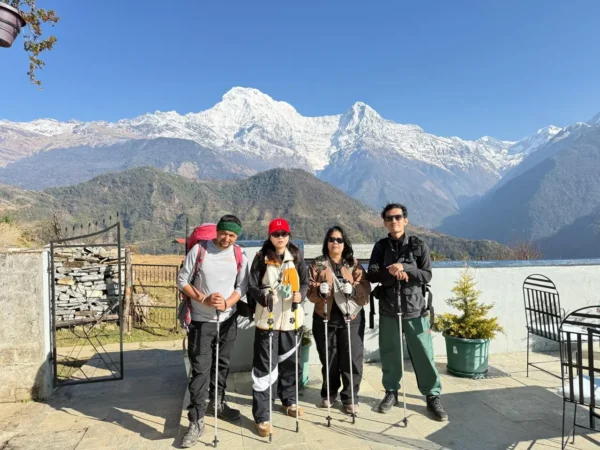
Everest Base Camp Trek for Seniors – A Journey at Your Pace – 23 Days FAQs
1. Is the Everest Base Camp Trek suitable for senior trekkers?
Yes! With proper acclimatization, a slower pace, and experienced guides, many senior trekkers (even in their 60s and 70s) successfully complete the EBC trek. Our itinerary is designed with extra rest days to ensure a comfortable journey.
2. How fit do I need to be for this trek?
You don’t need to be an athlete, but a moderate level of fitness is required. Regular walking, stair climbing, or light hikes for at least 2-3 months before the trek will help. Cardiovascular endurance and leg strength are essential.
3. What is the best time of year for senior trekkers to go to Everest Base Camp?
The best seasons are:
✅ Spring (March-May) – Mild temperatures, clear skies, and blooming rhododendrons.
✅ Autumn (September-November) – Stable weather and crystal-clear mountain views.
Winter (December-February) is very cold, and monsoon (June-August) brings heavy rain, making these seasons less suitable.
4. What are the main altitude sickness risks, and how can they be prevented?
Altitude sickness is a concern, but it can be prevented by:
- Taking extra acclimatization days.
- Walking at a slow and steady pace.
- Staying hydrated (3-4 liters of water per day).
- Avoiding alcohol and smoking.
- Considering altitude sickness medication (consult your doctor).
5. How long does the trek take?
For senior trekkers, the trek takes 23 days (including arrival, acclimatization, and return). The trekking portion itself is about 16-17 days with a gradual pace.
6. What is the highest altitude on this trek?
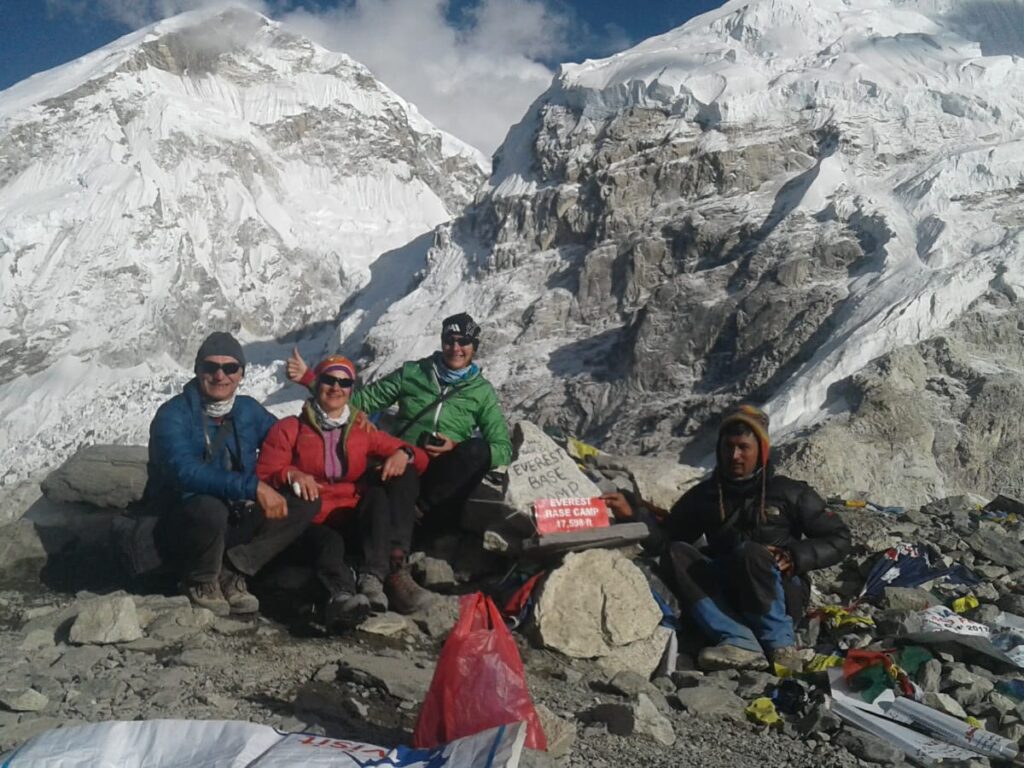
The highest point is Kala Patthar (5,545m / 18,192 ft), which offers the best panoramic view of Everest. Everest Base Camp itself is at 5,364m (17,598 ft).
7. What kind of accommodation is available on the trek?
You will stay in tea houses (mountain lodges) along the trail. These offer basic but comfortable rooms with twin beds, blankets, and common dining areas. Higher up, accommodations become more basic, but we choose the best available lodges.
8. What food options are available?
Tea houses offer a variety of foods, including:
🍛 Dal Bhat (rice, lentils, vegetables – nutritious and filling)
🍲 Soups (garlic soup is great for altitude)
🍞 Tibetan bread, pancakes, eggs
🥔 Potatoes, pasta, and noodles
☕ Tea, coffee, and hot chocolate
We recommend avoiding meat (as it’s not fresh at higher altitudes) and alcohol (which can worsen altitude sickness).
9. Do I need travel insurance for this trek?
Yes! Travel insurance is mandatory. It should cover:
- High-altitude trekking (up to 5,500m)
- Emergency evacuation (helicopter rescue)
- Medical expenses
Without insurance, helicopter evacuation costs can be $5,000–$7,000.
10. How cold does it get during the trek?
- Lower altitudes (Lukla, Namche) – 5°C to 20°C (41°F to 68°F)
- Higher altitudes (Dingboche, Lobuche) – -10°C to 10°C (14°F to 50°F)
- Everest Base Camp – -15°C to -5°C (5°F to 23°F)
Dressing in layers is key to staying warm.
11. What should I pack for the trek?
Essential items include:
🧥 Warm down jacket and layers
🥾 Sturdy trekking boots (broken in)
🎒 Lightweight backpack (for daily essentials)
🧤 Gloves, hat, and warm socks
😷 Buff/mask (for dust at higher altitudes)
💊 Personal medications (including altitude sickness meds)
A detailed packing list will be provided before the trek.
12. Are porters available to carry my bag?
Yes! Each porter carries up to 15kg (33 lbs) of luggage. You only need to carry a small daypack with essentials like water, snacks, and a camera.
13. Is there Wi-Fi and electricity on the trek?
📶 Wi-Fi: Available at some tea houses (but slow and expensive).
🔋 Electricity: Available for charging devices, but costs extra (about $3–$5 per charge).
🔦 Power Bank: Recommended, as power can be unreliable.
14. Are there restrooms along the trail?
Yes, every tea house has toilets. Lower villages have Western-style toilets, but higher up, toilets are mostly squat-style. Some places have attached bathrooms, but they cost extra.
15. What permits are required for this trek?
You need two permits:
📜 Sagarmatha National Park Permit – NPR 3,000 ($25)
📜 Khumbu Pasang Lhamu Rural Municipality Permit – NPR 2,000 ($15)
These are arranged by the trekking company.
16. What happens in case of an emergency?
In case of serious altitude sickness or injury:
🚁 Helicopter evacuation is arranged (if needed).
⛑ Guides carry a first aid kit and monitor your health.
📡 Communication via satellite phone if required.
This is why travel insurance with emergency coverage is essential.
17. How do I prepare for this trek as a senior trekker?
🚶 Start training 2-3 months in advance with regular walks and stair climbing.
🏋️ Include light strength training for endurance.
💦 Stay hydrated and maintain a healthy diet before the trek.
👨⚕️ Consult your doctor regarding altitude and necessary medications.
18. Can I take a helicopter down instead of trekking back?
Yes! If you prefer, you can take a helicopter from Gorak Shep or Pheriche to Lukla or Kathmandu. This saves several days of trekking. Helicopter costs start from $500–$1,200 per person, depending on the season and group size.
19. Can I do this trek solo or do I need a guide?
For senior trekkers, we highly recommend trekking with a licensed guide and porter for safety, navigation, and assistance with altitude. A guided trek also allows you to focus on enjoying the journey without worrying about logistics.
20. How much does the Everest Base Camp Trek cost?
The total cost depends on inclusions, but a standard senior-friendly trek costs:
💰 $1,800 – $2,500 per person (including permits, guide, porter, accommodations, and meals).
Extras like hot showers, Wi-Fi, and charging are not included in standard packages.