- 1 - 1 pax USD$1350
- 2 - 2 pax USD$1250
- 3 - 7 pax USD$1199
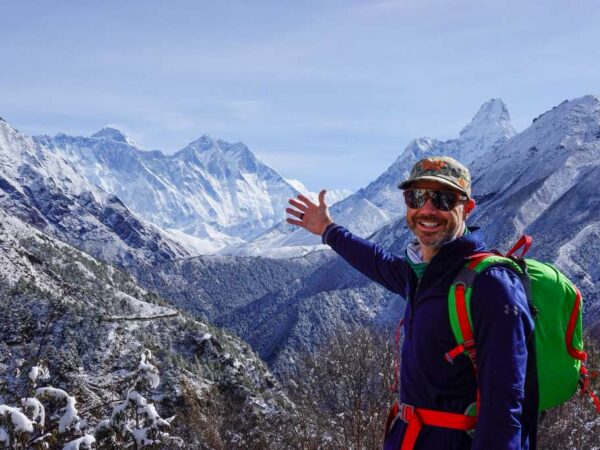
The Everest Base Camp Trek is one of the world’s most iconic trekking routes, offering an unforgettable journey through lush rhododendron forests, thrilling suspension bridges, and remote Sherpa villages rich in culture and tradition. Along the way, you’ll witness some of the highest and most majestic peaks on Earth—including Mount Everest, Lhotse, Nuptse, and Cho Oyu.
This trek has inspired adventurers from around the globe for decades. It rose to global fame after Sir Edmund Hillary and Tenzing Norgay became the first climbers to summit Mount Everest on May 29, 1953. Since then, reaching Everest Base Camp (5,364m) has become a dream for novice and seasoned trekkers alike.
At Everest Hikes, we’ve thoughtfully crafted our Everest Base Camp itinerary to ensure proper acclimatization, giving you the best chance to enjoy the journey safely and comfortably. Whether you’re a solo backpacker or looking for guided support, this article will equip you with honest, practical information to help you prepare.
What You’ll Find in This Guide:
- A complete overview of the Everest Base Camp Trek
- Day-by-day itinerary with acclimatization days
- Health and fitness preparation tips
- Packing list essentials
- Required permits and how to obtain them
- FAQs and expert insights
This guide is also helpful for independent trekkers looking to explore the trail on their own terms. However, if you’d prefer to travel with experienced local guides and enjoy a worry-free adventure, we invite you to join one of our well-organized Everest Base Camp trek packages.
Highlights
- Scenic Flight to Lukla: Your adventure begins with a thrilling flight from Kathmandu to Lukla, a small mountain town with a challenging airstrip carved into the mountainside.
- Namche Bazaar: The bustling Sherpa capital of the Khumbu region, Namche Bazaar offers a vibrant atmosphere with colorful markets, bakeries, and stunning views of the surrounding peaks.
- Sagarmatha National Park: Trekking through the UNESCO-listed Sagarmatha National Park, you’ll encounter diverse flora and fauna, including rhododendron forests, Himalayan wildlife like musk deer and snow leopards, and rare bird species.
- Tengboche Monastery: Situated amidst awe-inspiring mountain scenery, Tengboche Monastery is one of the most significant Tibetan Buddhist monasteries in the Everest region, offering spiritual solace and breathtaking views of Everest and its neighboring peaks.
- Dingboche: Nestled in a picturesque valley, Dingboche provides stunning views of Ama Dablam and neighboring peaks. It’s a great place for acclimatization and offers opportunities for short hikes to nearby viewpoints.
- Lobuche: As you ascend higher into the Khumbu Valley, you’ll reach Lobuche, a remote outpost with incredible panoramic views of Everest, Lhotse, Nuptse, and the Khumbu Glacier.
- Gorak Shep: The last settlement before Everest Base Camp, Gorak Shep sits at the base of Kala Patthar and offers stunning sunset views over Everest and the Khumbu Icefall.
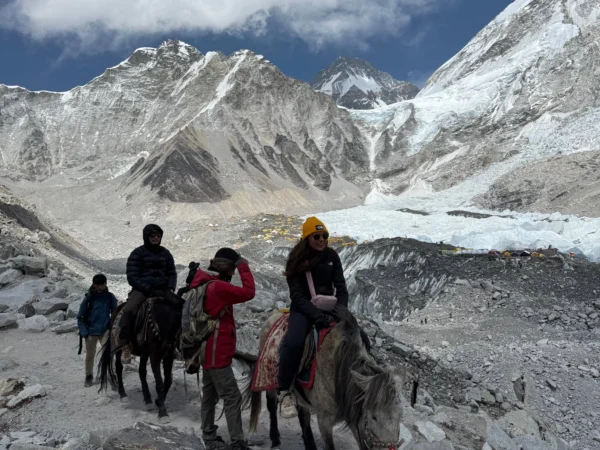
- Everest Base Camp: The ultimate destination of your trek, Everest Base Camp offers a surreal experience as you stand beneath the towering presence of Mount Everest, the world’s highest peak.
- Kala Patthar: A viewpoint renowned for its breathtaking sunrise views of Everest, Kala Patthar offers an unparalleled panorama of the Himalayas, including Everest, Lhotse, Nuptse, and Changtse.
- Sherpa Culture and Hospitality: Throughout your trek, you’ll have the opportunity to immerse yourself in Sherpa culture, interacting with local villagers, visiting ancient monasteries, and experiencing the legendary hospitality of the Sherpa people.
Everest Base Camps – South & North Sides
Mount Everest, the highest peak in the world (8,848.86 m), has two main base camps — the South Base Camp in Nepal and the North Base Camp in Tibet, China. The Everest Base Camp Trek typically refers to the South Base Camp route in Nepal, an iconic Himalayan journey that takes you right to the foot of the world’s tallest mountain.
Everest Base Camp Trek Overview
The classic Everest Base Camp Trek begins with a short, scenic flight from Kathmandu to Lukla (2,860 m). From Lukla, the trail winds through the beautiful Khumbu region, home to the legendary Sherpa people, and passes through the UNESCO-listed Sagarmatha National Park.
Along the way, trekkers enjoy breathtaking views of some of the world’s tallest and most famous peaks:
- Mt. Everest (8,848.86 m)
- Mt. Lhotse (8,516 m)
- Mt. Nuptse (7,861 m)
- Mt. Cho Oyu (8,188 m)
- Mt. Makalu (8,481 m)
- Mt. Ama Dablam (6,812 m)
In addition to its natural beauty, the trek offers a unique opportunity to experience Sherpa culture, monasteries, and high-altitude villages.
Key Facts – Everest Base Camp Trek
- Location: Khumbu region, Nepal
- Starting Point: Lukla (via flight from Kathmandu)
- Ending Point: Lukla
- Distance: Approx. 130 km round trip
- Highest Point: Kala Patthar – 5,545 m
- Everest Base Camp Elevation: 5,364 m
- Difficulty Level: Moderate to Challenging
- Best Seasons: Spring (March–May) & Autumn (September–November)
Why Kala Patthar is the Highlight
While Everest Base Camp itself offers a thrilling experience of standing at the base of the world’s highest peak, the best panoramic view of Mount Everest is actually from Kala Patthar. Standing at 5,545 m, Kala Patthar provides unobstructed sunrise and sunset views over Everest and the surrounding Himalayan giants.
This is why the trek is sometimes called the Everest Kala Patthar Trek.
Alternative Routes & Options
- Jiri to Everest Base Camp:
For those avoiding the Lukla flight, the traditional route starts from Jiri. This adds 4–5 extra days but offers a more gradual acclimatization. - Everest Base Camp Helicopter Tour:
If trekking for over a week is not an option, a helicopter tour to Everest Base Camp is the perfect way to witness Everest up close in just a few hours.
Difficulty & Health requirements
Physical Preparation:
- Physical and mental fitness required
- 10-15 days of physical activities before trek recommended
- Previous hiking experience beneficial
- No mountaineering skills necessary
Altitude Considerations:
- Risk of Acute Mountain Sickness (AMS) above 3,500m
- Proper acclimatization essential
- Gradual ascent recommended
- Multiple overnight stays above 3,500m
Transportation and Domestic Flights
Getting to Tribhuvan International Airport
Ground Transportation: Travel to Tribhuvan International Airport via taxi or private vehicle, as it’s the only airport offering Lukla flights. During monsoon season (June-September), expect potential delays due to road conditions and landslide risks on Nepal’s mountain highways.
Kathmandu to Lukla Flight
- Flight Duration: 40 minutes
- Aircraft: Small twin-engine planes (19 seats)
- Cost: $500 – $510 USD (round trip)
- Peak Season Alert: Limited daily flights make advance booking essential during spring (March-May) and autumn (September-November)
Weather-Related Flight Disruptions
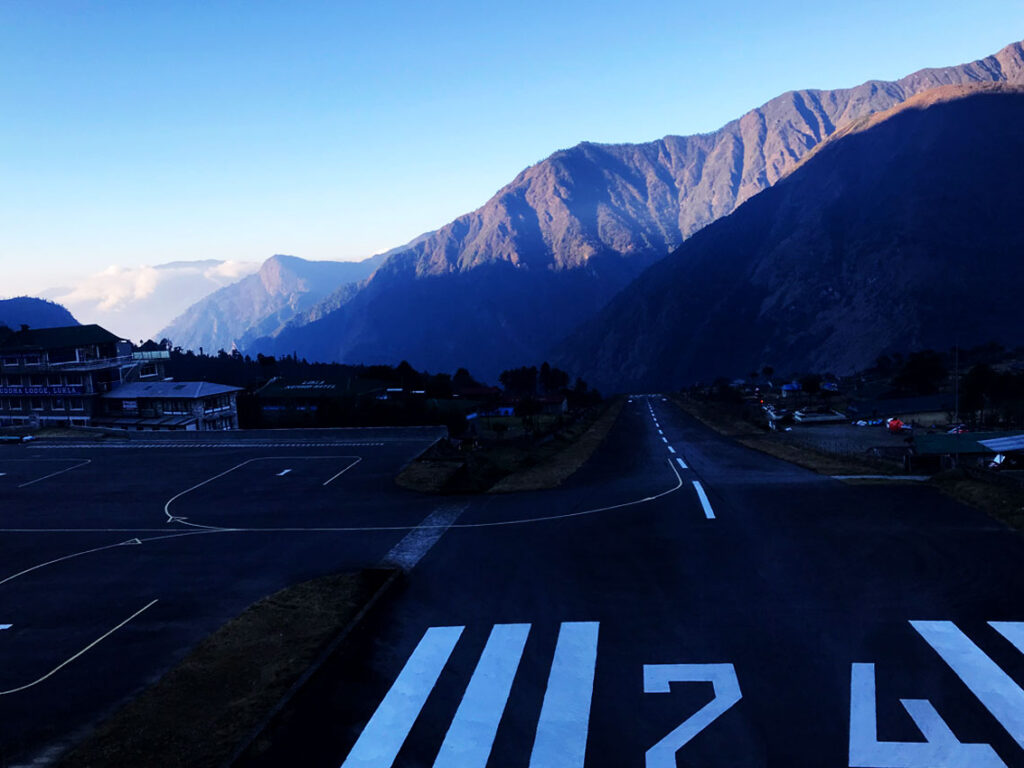
Reality Check: Himalayan weather is notoriously unpredictable. Lukla Airport, perched at 2,880m with a challenging runway, frequently experiences weather-related closures that can disrupt travel plans without warning.
Common Scenarios:
- Morning fog delays
- Afternoon wind conditions
- Sudden weather changes
- Multi-day closures during storms
Contingency Planning
Essential Buffer Time: Add 2-3 extra days to your itinerary before international departures. This isn’t optional – it’s a necessity for Everest region travel.
Helicopter Alternative:
- Cost: $400-600 per person (weather permitting)
- Capacity: Maximum 5 passengers
- Advantage: Can operate in slightly better weather conditions than fixed-wing aircraft
- Booking: Arrange through your trekking agency on short notice
Alternative Route: Jiri to EBC
Overland Option: For those wanting to avoid flight uncertainties entirely:
- Additional Time: 4-5 extra days each way
- Transportation: Private vehicle with experienced driver required
- Road Conditions: Challenging mountain roads, especially during monsoon
- Experience: Traditional approach used by early Everest expeditions
- Permits: Additional Gaurishankar Conservation Area Permit required (Rs 3,000)
EBC Trek Permits
Just before reaching Monjo village — the official gateway to Sagarmatha National Park — you’ll find a checkpoint where trekkers must present their permits. This is a standard procedure managed by park authorities to ensure all visitors are registered before entering the protected Khumbu region.
The basic required permits for Everest Base Camp Trek are listed below:
- Khumbu Pasang Lhamu Rural Municipality Entrance Fee
- Sagarmatha National Park Entry Fee
- TIMS (Trekking Information Management System) fee
The first two permits are now the must-require permits. However, about the third permit – TIMS, there are a lot of controversies still going on. But you are allowed to trek EBC just having Khumbu Pasang Lhamu Rural Municipality Entrance and Sagarmatha National Park Entry permits.
Khumbu Pasang Lhamu Rural Municipality Entrance Fee
You can’t get this permit in Kathmandu. It is like a replacement of a TIMS permit which is directly collected by Khumbu Pasang Lhamu Rural Municipality. It can be obtained either in Lukla or in Monjo Village.
Cost: Rs 2000 per person
Sagarmatha National Park Entry Fee
It is another must-required permit that can be obtained in Kathmandu at Nepal Tourism Board or in Monjo village just prior to entering the National Park.
Cost: Rs 3000 per person
Note: If you are planning to do the Everest Base Camp Trek from Jiri, then you need an additional permit i.e Gaurishankar Conservation Area Permit. Because you will be passing through Gaurishankar Conservation Area which also costs Rs. 3000 and it also can be obtained in Kathmandu.
What documents are required to issue Everest Base Camp Trek permits?
It is enough to have valid passport details to issue the permits to trek to Everest. But all permits are only for a single entry and once the permits are issued, they can not be refunded.
Outline Itinerary
Day 01: Arrival in Kathmandu (1,400m / 4,593ft) and transfer to Hotel
Day 02: Fly to Lukla (2,880m / 9,448ft), then trek to Phakding (2,610m / 8,563ft) – 3 to 4 hours
Day 03: Trek to Namche Bazaar (3,440m / 11,286ft) – 6 to 7 hours
Day 04: Acclimatization day in Namche Bazaar (3,440m / 11,286ft) – Optional short hike to Everest View Hotel (3,880m / 12,729ft)
Day 05: Trek to Tengboche (3,860m / 12,664ft) – 5 to 6 hours
Day 06: Trek to Dingboche (4,410m / 14,468ft) – 5 to 6 hours
Day 07: Acclimatization in Dingboche (4,410m / 14,468ft) – Optional hike to Nagarjun Hill (5,050m / 16,568ft)
Day 08: Trek to Lobuche (4,940m / 16,207ft) – 5 to 6 hours
Day 09: Trek to Everest Base Camp (5,364m / 17,598ft) and return to Gorak Shep (5,164m / 16,942ft) – 7 to 8 hours
Day 10: Hike to Kala Patthar (5,545m / 18,192ft) and trek back to Pheriche (4,280m / 14,041ft) – 7 to 8 hours
Day 11: Trek back to Namche Bazaar (3,440m / 11,286ft) – 6 to 7 hours
Day 12: Trek back to Lukla (2,880m / 9,448ft) – 6 to 7 hours
Day 13: Fly back to Kathmandu (1,400m / 4,593ft)
Day 14: Rest day / Shopping day / Sightseeing
Day 15: Final Departure
Note: During the peak trekking seasons(April to May and October to November), flights to Lukla are often operated from Ramechhap Airport instead of Kathmandu. In such cases, you will be transferred to Ramechhap (approximately 4–5 hours by shared jeep), from where you’ll take a short 15-minute flight to Lukla.
Is this trek suitable for me?
Weather and Travel Disruptions in the Himalayas
Weather in the Himalayas can be unpredictable, and it’s important to prepare for potential delays or cancellations, especially concerning flights to or from Lukla. Every year, numerous trekkers experience disruptions due to weather conditions. If your flight is affected, we have alternative plans outlined in the itinerary for day 1 to ensure a smooth continuation of your journey.
Trekking in the Himalayas: A Challenge Worth Taking
Trekking in the Everest region is an incredible, but challenging experience. The trek spans 12 days, with daily hikes of up to eight hours, reaching altitudes over 5,500 meters. The weather can be harsh, particularly depending on the season, so being in top physical condition is crucial for your safety and enjoyment. Only those in excellent health should consider joining this adventure. For tips on how to prepare physically for this trek, check out our comprehensive training guide.
Teahouses and Basic Amenities
Along the Everest Base Camp trek, accommodation is provided in simple teahouses. While these lodges offer basic facilities, they provide a great opportunity to interact with fellow trekkers and locals. Note that charging your devices may incur additional costs, and Wi-Fi, though available at some teahouses, may have limited connectivity.
Season and Packing Considerations
The weather and trekking conditions vary with the seasons. It’s essential to carefully consider the best time to trek and prepare accordingly. For a detailed packing guide, we recommend reviewing our recommendations to ensure you have everything needed for your Everest adventure.
A Popular Trek with Fellow Adventurers
As one of the most popular trekking routes in Nepal, the Everest Base Camp trail is frequently traveled by many adventurers. You will likely meet other trekkers along the way and at the teahouses. If you prefer a less crowded experience and want to explore more remote villages, consider our Tamang Heritage & Langtang Valley Trek for a more secluded adventure.
High Altitude and Acute Mountain Sickness (AMS)
This trek includes multiple overnight stays at altitudes over 3,500 meters (11,500 feet), where there is a risk of Acute Mountain Sickness (AMS). While most trekkers experience only mild discomfort, it’s essential to be aware of AMS symptoms and treatment options. If left untreated, AMS can be life-threatening. Our experienced guides and local staff will ensure that any trekkers showing symptoms receive the necessary care.
Pre-existing medical conditions and medications can impact your body’s ability to acclimatize to high altitudes, making you more susceptible to AMS. If you have concerns about your health or physical fitness, it’s advisable to consult a doctor before booking your trek. You may also want to discuss using medications like Di@mox to aid acclimatization.
How Far Is the Everest Base Camp Trek? A Complete Distance Guide
Planning a trek to Everest Base Camp (EBC) starts with one simple question: how far is it, and how long will it take? Here’s everything you need to know before you lace up your boots.
The Total Trek Distance
The one-way trail from Lukla to Everest Base Camp covers roughly 60 km. When you factor in the return journey, most trekkers walk around 130 km in total. That’s not a marathon but don’t let the numbers fool you.
How Many Days Does It Take?
Most trekkers complete the round trip in 12 to 14 days. That timeline includes two dedicated acclimatization days — one in Namche Bazaar and another in Dingboche. Skipping these rest days is one of the most common mistakes first-time trekkers make, and it can cut your trek short.
Why the Trek Feels Harder Than It Looks
The daily distances seem manageable on paper — mostly 8 to 15 km per stage. But the Everest Base Camp trail is anything but flat. You’re navigating rocky, uneven Himalayan terrain while your body adjusts to thinner air.
You start in Lukla at 2,860 meters above sea level and finish at 5,364 meters at Everest Base Camp. That’s a gain of over 2,500 meters and altitude changes how your body performs in every way. Your heart works harder, your breathing deepens, and your pace naturally slows. The longer days, like the final push from Lobuche to Gorak Shep and EBC, feel far more demanding than any similar distance at lower elevation.
Smart Trekking Tips for This Route
- Take acclimatization seriously. The rest days at Namche and Dingboche aren’t wasted time — they’re what get you to the top safely.
- Start early each morning. Weather in the Himalayas can change fast. Getting most of your walking done before midday is standard practice among experienced guides.
- Pace yourself from day one. The Sherpa saying “slowly, slowly” (bistari bistari) isn’t just politeness — it’s the most reliable strategy for reaching base camp.
- Hydrate constantly. At altitude, dehydration sneaks up on you. Drinking 3–4 liters of water a day helps your body adjust and reduces headache risk.
Is the Distance Suitable for Beginners?
Yes – with proper preparation. You don’t need to be an experienced mountaineer to complete this trek. What matters more is cardiovascular fitness, mental resilience, and a willingness to move at a steady, unhurried pace. Regular hiking, stair climbing, or running in the months before your trip will make a real difference.
Daily stage breakdown
| Route | Elevation | Distance | Estimated Time | Elevation Gain |
|---|---|---|---|---|
| Lukla → Phakding | 2,860 m → 2,652 m | 8 km | 3–4 hrs | −208 m |
| Phakding → Namche Bazaar | 2,652 m → 3,440 m | 11 km | 6–7 hrs | +788 m |
| Namche Bazaar (Acclimatization Day) | Optional acclimatization hike | 6–8 km | — | Rest day |
| Namche Bazaar → Tengboche | 3,440 m → 3,860 m | 10 km | 5–6 hrs | +420 m |
| Tengboche → Dingboche | 3,860 m → 4,410 m | 11 km | 5–6 hrs | +550 m |
| Dingboche (Acclimatization Day) | Hike to Nagarjun Hill | ~5 km | — | Rest day |
| Dingboche → Lobuche | 4,410 m → 4,940 m | 11 km | 5–6 hrs | +530 m |
| Lobuche → Gorak Shep → Everest Base Camp | 4,940 m → 5,364 m | 15 km | 7–8 hrs | +424 m |
Why Acclimatization Days Matter
During the Everest Base Camp Trek, trekkers gain more than 2,500 meters in elevation from Lukla to Everest Base Camp. Proper acclimatization at Namche Bazaar and Dingboche is essential to reduce the risk of Acute Mountain Sickness (AMS). Following the “climb high, sleep low” principle allows your body to adjust gradually to the altitude, making the trek safer and more enjoyable. Taking enough time to acclimatize greatly increases your chances of successfully reaching Everest Base Camp while enjoying the incredible Himalayan scenery along the way.
Everest Base Camp Trek – 15 Days Itinerary
Arrival in Kathmandu (1,400m / 4,593ft) and transfer to Hotel
One of the representives of Everest Hikes will be there to pick you up and transfer to the hotel.
Fly to Lukla (2,880m / 9,448ft), then trek to Phakding (2,610m / 8,563ft) – 3 to 4 hours
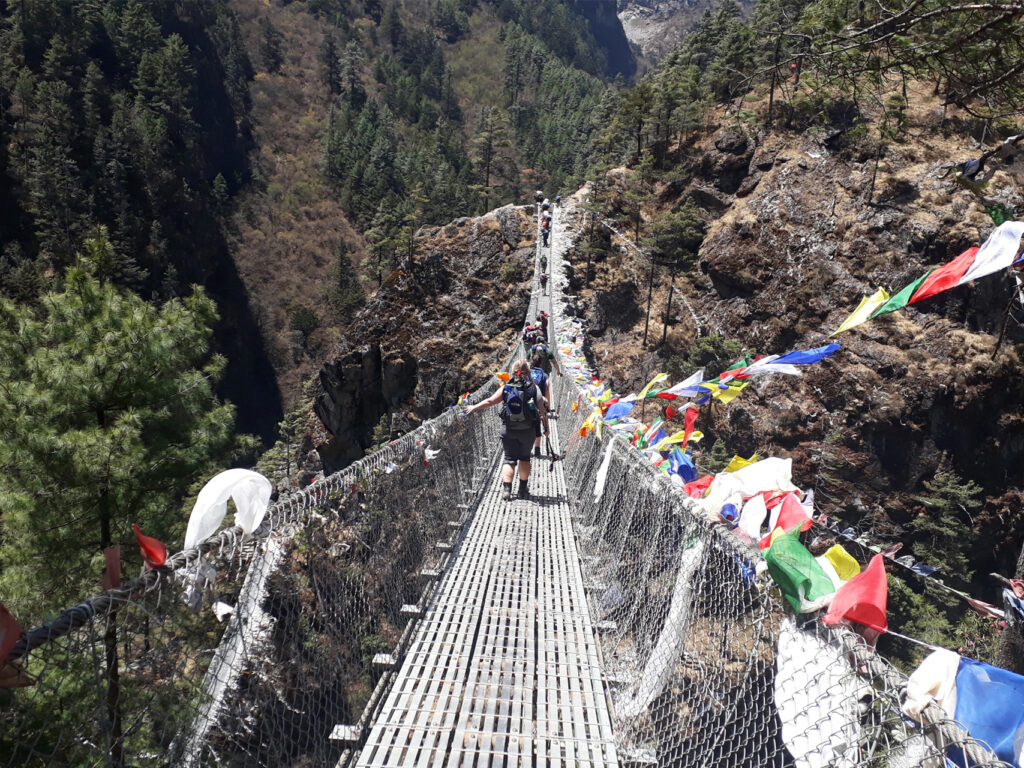
Flying in a short scary domestic flight to Lukla and following the bank of Dhudhkoshi River crossing a few quizzical suspension bridges, you arrive at a small Sherpa Village called Phakding by 2-3 hours walk. Here it will be your first mountain overnight.
Either your tour operator will arrange the flight ticket for you or you should purchase the tickets at the airport. However, the ticket can be unavailable during peak trekking and climbing seasons. So, it would be better to buy tickets earlier either through a travel agency or directly from the airline's website. Basically, the Lukla flight ticket costs around 280 USD which includes a return ticket as well.
Flying in a short scary domestic flight to Lukla and following the bank of Dhudhkoshi River crossing a few quizzical suspension bridges, you arrive at a small Sherpa Village called Phakding by 2-3 hours walk. Here it will be your first mountain overnight.
Either your tour operator will arrange the flight ticket for you or you should purchase the tickets at the airport. However, the ticket can be unavailable during peak trekking and climbing seasons. So, it would be better to buy tickets earlier either through a travel agency or directly from the airline's website. Basically, the Lukla flight ticket costs around 280 USD which includes a return ticket as well.
There are chances of cancellation of Lukla's flight due to bad weather. So, we recommend you make a flexible itinerary as much as it is possible. Having one or two spare days would be better.
Trek to Namche Bazaar (3,440m / 11,286ft) – 6 to 7 hours
Today, you will be trekking through some local villages like Monjo, Jorsalle, etc till reaching Namche Bazaar - The biggest Sherpa town in the region. You can cut your lunchtime in Monjo as many trekkers do. From here, you will be entering Sagarmatha National Park which is home to many endangered wild animals. It has been also enlisted in UNESCO WORLD Heritage Site.
You will take a steep hike to Namche Bazaar after passing Jorsalle. It will take you 2 hours approx to reach Namche Bazaar. You will have enough time to visit Namche Bazaar and see the small markets.
From Namche Bazaar, the Everest Three High Passes Trekking route separates and moves toward Thame vilage which follows the path to Renjo La Pass, while the EBC route goes to Tengboche.
Acclimatization day in Namche Bazaar (3,440m / 11,286ft) – Optional short hike to Everest View Hotel (3,880m / 12,729ft)
Reaching 3440 m altitude above sea level, anyone could suffer from altitude sickness problems. So, Namche is a great stop for acclimatization for Everest Trekkers. It will offer an opportunity to explore the village from near.
In addition, many love to hike to Everest View Hotel to see a glimpse of Mt Everest and the surrounding mountains. You can chill here by having a cup of tea or coffee; you also can snap awe-inspiring pictures of Mt Ama Dablam in the foreground while Mt Everest will be in the background if the sky is crystal clear. Besides that, the hotel provides WiFi that enables you to contact your relatives and share how you are feeling.
Trek to Tengboche (3,860m / 12,664ft) – 5 to 6 hours
Today, you will be heading toward Tengboche, the home of one of the largest monasteries in Khumbu i.e Thyangboche Monastery. It is a mixture of great architecture and color that has a history of over 500 years.
Trek to Dingboche (4,410m / 14,468ft) – 5 to 6 hours
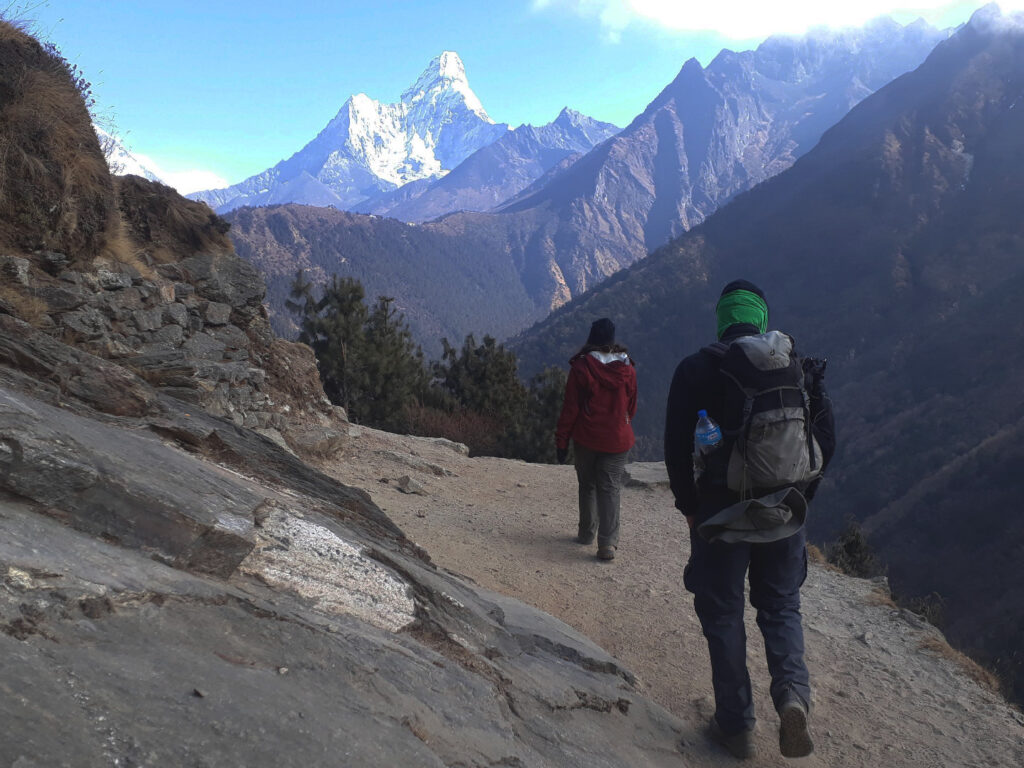
On the 6th day, either you will head to Dingboche or Pheriche. The way follows the same path until it reaches Worshyo Village. It then separates - one way goes to Pheriche and another to Dingboche. I always advise choosing Dingboche when you are going toward EBC. If you are coming down, then staying in Pheruche would be good. From Dingboche, Ama Dablam mountain is very closer. A way goes toward Chhukung from Dingboche that traces a path to Island Peak Climbing. However, the next day, we will not take our path to Chhukung because the EBC trek moves toward Lobuche.
In fact, the EBC route from Dingboche or Pheriche, both meet at the same point i.e Dughla, then approach the Lobuche where you will spend your 7th overnight stay at the mountain.
Acclimatization in Dingboche (4,410m / 14,468ft) – Optional hike to Nagarjun Hill (5,050m / 16,568ft)
It’s a good idea to spend an extra day acclimatizing before venturing into higher altitudes, and a great way to do this is by hiking to Chukkung Valley (4,730m) and continuing to Island Peak (Imja Tse). From Dingboche, you can take a challenging 2- to 3-hour trek up to Nagkartshang Gompa, or if you prefer, you could head to Pheriche for an informative afternoon lecture on altitude sickness.
The trail to Chhukung leaves Dingboche and winds toward Bibr (4,570m), offering spectacular views of towering peaks like Taboche, Nuptse, Lhotse, and Ama Dablam, as well as the dramatic, flute-shaped Amphu Laptsa Pass. Chukkung itself is a popular base for climbers heading to Island Peak, with several lodges offering a cozy stopover.
If you're feeling well acclimatized, you can push on to Chukkung Ri (5,550m), a grassy slope that rewards hikers with breathtaking panoramic views, including a stunning vista of Makalu. Breakfast, lunch, and dinner are all included for the day.
Trek to Lobuche (4,940m / 16,207ft) – 5 to 6 hours
As I already mentioned that your path from Pheriche or Dingboche meets at Dughla village, and head toward Lobuche having extraordinary scenery of mountains. Within 5-6 hours, you will be at Lobuche village.
Trek to Everest Base Camp (5,364m / 17,598ft) and return to Gorak Shep (5,164m / 16,942ft) – 7 to 8 hours
From Lobuche, you walk through a rough rocky terrain path passing Gorakshep. You will spend 40 minutes approx in EBC enjoying and collecting the view of Nuptse, Lhotse, Pumori, etc mountains. Thereafter you come back to Gorakshep for an overnight stay.
Hike to Kala Patthar (5,545m / 18,192ft) and trek back to Pheriche (4,280m / 14,041ft) – 7 to 8 hours
Approximately 2 hours hike to Kalapathar will wonder you today when you reach there. Kalapathar is the optimal viewpoint of Mt Everest and its neighboring mountains. After spending 30 minutes, you then will come down to Gorakshep and may have lunch before moving down to Pheriche.
Trek back to Namche Bazaar (3,440m / 11,286ft) – 6 to 7 hours
When you will be coming down to Namche via Tengboche, keep your camera ready to capture beautiful photos of rhododendron forests.
Trek back to Lukla (2,880m / 9,448ft) – 6 to 7 hours
You will walk approximately 6 hours today to come back to Lukla. Then you may celebrate the night with your team as you succeed in the EBC trek.
Fly back to Kathmandu (1,400m / 4,593ft)
Take a short flight from Lukla to Kathmandu in the morning and the rest of the day will be on your hand. You can spend how you want to. You may visit around Thamel or may go for 1-day heritage sightseeing in Kathmandu valley.
Rest day / Shopping day / Sightseeing
After completing the EBC trek, enjoy a well-deserved rest day in Kathmandu. You can relax, explore vibrant local markets for shopping, or embark on a sightseeing tour to discover the city's cultural treasures.
Final Departure
Inclusions
What's included
- Airport transfers - pickup and drop off
- Boutique hotel accommodation in Kathmandu - 3 nights with breakfast included
- An Experience English speaking guide
- All Meals - breakfast, lunch, and dinner and Teahouse accommodation during the trek
- Kathmandu to Lukla Flight Ticket (Round Trip)
- All required trekking permits (National Park Entry Fee and Pasang Lhamu Rural Municipality Entry Fee)
- Guide insurance with food and accommodation
- Basic Medical kits
- Sleeping and duffel bag, down jacket, trekking poles (should be returned after the trek)
- Farewell dinner at the end of the trek
- Emergency Helicopter Evacuation Service Arrangement Only (should cover by your travel insurance)
- All required paper works and government taxes
- Farewell dinner
What's not included
- International Flight
- Nepal Travel Visa Fee
- Porter (a porter can be shared for 2 trekkers, carry upto 20 kgs) - total USD $275
- Personal Medical and Travel insurance (Should cover helicopter evacuation)
- Guide, Porter and Driver tips
- Personal Gears (equipment)
- Personal bill
- Lunch and Dinner in Kathmandu
- All other personal expense of beverages (hard and soft drinks)
- All other things not mentioned in the inclusion
Book The Dates
Upcoming Fixed Departures for 2026 & 2027
Join our group trips on the dates below, or reach out to arrange a private or family journey designed around your schedule.
Food on Everest Base Camp Trek
Unlike the luxury hotel in a city like Kathmandu, you will not get a wide variety of meal menus during the Everest Base Camp Trek.
You get to have a few options of food while Dal Bhat Tarakari will be the favorite of many people as it is also a common and national meal in Nepal. Dal Bhat is provided by a teahouse that also serves as accommodation for trekkers. Basically, they provide a twin-shared room with separate beds. Likewise, some lodge base teahouses do also provide hot showers, and can also serve laundry service charging a small fee.
During the Everest Base Camp trek, you’ll find a variety of foods available at the tea houses and lodges along the trail. Here are some common foods you can expect to encounter:
- Dal Bhat: A traditional Nepali meal consisting of rice (bhat), lentil soup (dal), vegetables, pickles, and sometimes meat or fish. It’s a staple food for trekkers due to its high carbohydrate and protein content.
- Momos: These are Tibetan-style dumplings filled with meat or vegetables and served with a spicy dipping sauce. They’re a popular snack or appetizer along the trekking route.
- Sherpa Stew: A hearty stew made with potatoes, vegetables, and sometimes meat, simmered in a flavorful broth. It’s a warming and nourishing dish, perfect for replenishing energy after a long day of trekking.
- Noodles: Whether in soup or stir-fried, noodles are a quick and comforting option available at most tea houses along the trail. You can choose from a variety of toppings, including vegetables, eggs, and meat.
- Fried Rice: Another popular dish, fried rice is made with rice, vegetables, eggs, and sometimes meat, stir-fried together with aromatic spices. It’s a filling and satisfying meal for trekkers.
- Pizza: Surprisingly, many tea houses along the Everest Base Camp trek offer pizza on their menus. While it may not be traditional Nepali fare, it’s a familiar comfort food for many trekkers.
- Pancakes and Chapatis: For breakfast or a snack, you’ll often find pancakes (with toppings like honey or jam) and chapatis (flatbreads) served with butter or jam. They provide a quick burst of energy to start your day or refuel along the trail.
- Porridge: A warm and nourishing option for breakfast, porridge (made from oats or other grains) is often served with milk, honey, and dried fruits. It’s a comforting choice, especially on chilly mornings.
- Tea and Hot Beverages: Tea is a vital part of Nepali culture, and you’ll find a variety of teas available along the trekking route, including masala chai, ginger tea, and herbal teas. Hot chocolate, coffee, and other hot beverages are also available to warm you up after a long day of trekking.
- Snacks: Along with meals, you’ll find a variety of snacks available at tea houses, including energy bars, chocolate, nuts, and biscuits. These are convenient for munching on during breaks or to carry as snacks for the trail.
Available Accommodation in Everest Base Camp Trek
Accommodation along the Everest Base Camp trek primarily consists of tea houses, also known as guesthouses or lodges. These are basic but comfortable accommodations located in villages and settlements along the trekking route. Here’s what you can expect from tea house accommodation during your Everest Base Camp trek:
- Basic Rooms: Tea houses offer simple rooms with twin beds or bunk beds, basic bedding (usually blankets), and sometimes a small table or shelf. Rooms may be private or shared, depending on availability and your preference.
- Common Areas: Most tea houses have communal areas where trekkers can relax, socialize, and enjoy meals. These areas often feature benches, tables, and sometimes a fireplace or stove to provide warmth.
- Shared Bathrooms: Bathroom facilities in tea houses are usually shared and may consist of squat toilets or Western-style toilets. Hot showers are often available for an additional fee, although water availability and temperature may vary.
- Dining Hall: Tea houses typically have a dining hall or communal area where meals are served. This is where trekkers gather for breakfast, lunch, and dinner, enjoying hearty meals and swapping stories of their trekking adventures.
- Menu Options: Tea houses offer a menu with a variety of food and beverage options, including traditional Nepali dishes (such as dal bhat), Tibetan specialties (like momos), as well as Western comfort foods (such as pasta and pizza). Vegetarian and vegan options are usually available, and some tea houses can accommodate dietary restrictions with advance notice.
- Electricity and Charging: While electricity is available in many tea houses, it may be limited or available only during certain hours. Charging electronic devices such as cameras and phones is usually possible, although some tea houses may charge a small fee for this service.
- Altitude Considerations: As you ascend higher into the mountains, accommodation options may become more basic, with fewer amenities and shared facilities. It’s essential to be prepared for colder temperatures and thinner air at higher elevations.
- Booking in Advance: During the peak trekking seasons (spring and autumn), it’s advisable to book accommodation in advance, especially in popular trekking villages like Namche Bazaar and Gorak Shep. However, during the off-peak seasons, you may have more flexibility in finding accommodation on the spot.
What Kind of Food and Drinking Water Can You Expect by Everest Hikes?
One of the best parts of Everest Base Camp Trek is the chance to enjoy warm, hearty meals in cozy tea houses along the trail. Most days start and end with breakfast and dinner at the tea house where you’re staying, while lunch is usually at a trail-side restaurant, giving you a well-earned break from hiking.
You’ll always find the classic Nepali Dal Bhat—a satisfying combo of rice, lentils, and seasonal veggies. But that’s not all. Tea house menus also offer plenty of variety, from noodles and soups to potatoes and rice dishes. If you’re craving a taste of home, many places serve Nepali-style versions of Western comfort foods like pizza, pasta, and even French fries.
To wash it all down, you can grab a soft drink, snack, or even a cold beer. And no trek in Nepal is complete without countless cups of Nepali milk tea, served pretty much everywhere you go.
Staying Hydrated the Eco-Friendly Way
Every tea house provides boiled water, so you can refill your bottles and stay hydrated without worry. We always recommend skipping bottled water—plastic waste is tough to manage in the mountains and can harm the environment.
Bringing a reusable bottle with a filter or using boiled water not only keeps you safe but also helps protect the beautiful trails and villages that make the Everest region so special.
What type of hotel can we find in Kathmandu city?
There is a wide variety of hotels ranging from 2 star – to 5-star in Kathmandu valley. Even you can get a very normal hotel around Thamel – a tourist center of Kathmandu.
Wi-Fi and Connectivity
When people picture the Everest region, they imagine remote mountains completely separated from the outside world. Surprisingly, the reality is different. There is Wi-Fi on the trail, though it’s not as fast or stable as you may expect.
In most villages like Lukla, Phakding, Namche Bazaar, Tengboche, Dingboche, Lobuche, Gorakshep, and even Gokyo, you will find either Everest Link Wi-Fi or lodge-specific networks. Everest Link is a prepaid Wi-Fi service card designed especially for trekkers. It works quite well in the lower and mid sections, and becomes slower as you climb higher.
You can buy an Everest Link card in Namche Bazaar, which usually offers the best deal and the strongest connection. Above Dingboche, Wi-Fi becomes unpredictable. Sometimes you’ll get enough speed to send texts and upload photos; other times, you’ll need to climb a rock or walk around to find a tiny signal.
Mobile network also works in some areas. Ncell SIM cards offer the widest coverage, especially around Lukla and Namche. Nepal Telecom (NTC) works in some spots as well. However, once you cross Tengboche and move toward Dingboche and Lobuche, mobile network becomes weak and often disappears.
But here’s the beauty of it: being disconnected feels good. Most trekkers enjoy the break, the peace, and the silence after a few days. Instead of scrolling on your phone, you spend evenings sharing stories, playing cards, reading books, and simply enjoying the mountain atmosphere.
Gadgets and Electronics
Electronics play a big role on your trek for capturing memories, staying warm, or staying connected. But the Everest region does not have unlimited electricity like cities. Lodges generate power from small hydroelectric turbines or solar panels, so charging your devices usually comes at a cost.
Charging costs:
- Lower regions (Lukla, Phakding, Namche) charge less
- Higher regions (Dingboche, Lobuche, Gorakshep) charge more
Expect to pay anywhere from NPR 200–800 per charge depending on altitude.
Because of this, if you carry some essential gadgets, that will help you a lot. The major ones are:
- Power banks (10,000–20,000 mAh)
It will help to charge your phones, and cameras in order to get connected and click pictures. - Extra camera batteries
Batteries die very quick in the high altitude. So, for your camera to work longer you must carry extra batteries. - A universal travel adapter
It will help you to connect your charger in any kind of plug available. - Portable solar chargers (optional)
If you have portable solar chargers, that will be a plus point you can carry that as it charges from sun.
Cold temperatures drain batteries quickly. The higher you go, the colder the nights become, especially in Dingboche, Lobuche, and Gorakshep. To protect your devices, the best trick is to keep them inside your sleeping bag at night. This keeps batteries warm and prevents them from dying before you take that perfect sunrise photo.
Don’t bring unnecessary electronics. A phone, a camera (if you use one), a power bank, and maybe earphones are enough. The key is to travel light because you will feel every extra gram as altitude increases.
Preparation and Fitness
The Everest Base Camp Trek is not a technical climb but it’s a long-distance walk. The biggest challenge is not the terrain but the altitude. And for altitude, slow, steady preparation makes everything easier. There are some preparation you can do in order to complete the trek easily.
You don’t need to be an athlete or a marathon runner, but you need a basic level of fitness. If you can walk 5–6 hours a day on hills comfortably, you’re prepared for most of the trek. Typically, a simple 3–4 week training plan will be more than enough. It can differ from person to person and his/her fitness level and capability.
Sample Training Plan: Week 1–2:
Walking 5–6 km daily
- Stair climbing practice
- Light stretching and core exercises
Week 3–4:
- Long hikes on weekends (3–4 hours)
- Carry a backpack during hikes
- Gradually increase uphill walking
Cardio activities like swimming, running, cycling, or skipping help your lungs adapt better to the thin air you’ll encounter above
4,000m.More important than strength is pace. Sherpas often say:
“Bistari, bistari”: Slowly, slowly.
This is the secret to a successful EBC trek. Long steps or rushing increases the chance of altitude sickness. Slow and consistent walking helps your body adjust.
Finally, your mental preparation matters. Some days are tiring. Some days are cold. Some days feel endless. But the moment you see Everest from Kala Patthar, all the challenges melt away. The trek is emotional, peaceful, and deeply rewarding for anyone who prepares both body and mind. So, meditation, yoga, pranayama will be your best friend if you are into or practice them.
Health and Safety
Health is the number one priority on the Everest Base Camp trail. In mountains, there are as if no health post or hospital. So, you need to be more careful with your health. The mountains are beautiful, but altitude must be respected.
The biggest risk on the trek is Acute Mountain Sickness (AMS). Symptoms include headache, loss of appetite, nausea, fatigue, and dizziness. It usually appears after crossing 3,000m.
The golden rules are simple:
- Walk slowly
- Drink plenty of water
- Sleep low, hike high
- Take rest/acclimatization days seriously
- Listen to your body
Your guide will constantly check on you. If symptoms worsen, descending is mandatory. Mountains are not a place to push yourself through sickness, you should be more careful.
Carry a small personal medical kit with:
- Diamox (for altitude)
- Pain relief medicine
- Rehydration salts
- Bandages
- Blister care
- Cold medicine
Drinking water is easily available, but bottled water is expensive at high altitudes because everything is carried by porters or yaks. Most trekkers refill boiled water at lodges or use purification tablets.
The trail is safe overall, but weather can change quickly. Snowy days make the paths slippery, so trekking poles help with balance. It’s also important to protect yourself from the sun, UV rays are strong at altitude, and many trekkers underestimate this.
You don’t need to be scared of health issues; you just need to be prepared and aware.
Transportation and Flights
The adventure begins long before you reach Everest Base Camp, it begins with the flight to Lukla Airport, known for its short runway and dramatic mountain views.
There are two possible departures depending on the season:
- Kathmandu → Lukla (main route)
- Ramechhap → Lukla (during peak seasons to reduce traffic)
Flights operate early in the morning because weather in the Himalayas becomes unstable later in the day. The flight itself is only 25–30 minutes, and it’s an unforgettable experience mountains rising on both sides, Sherpa villages below, and the excitement of landing in the heart of the Himalayas.
However, flights depend completely on weather. It is not unusual to have delays ranging from a few hours to even a full day. This is normal in the Everest region, and flexibility is important. Trekkers often keep one extra buffer day at the end of their trip to avoid missing international flights.
If flights are cancelled for extended periods, some trekkers choose a helicopter option. Helicopters can fly even in light clouds, but they are expensive.
Once in Lukla, the trek begins right away no cars, no buses, no roads. The rest of the journey is on foot, surrounded by trees, rivers, prayer flags, suspension bridges, and endless mountain views.
Insurance and Visa
Insurance
Insurance is essential for the Everest Base Camp Trek. A minor stomach problem or altitude sickness can become serious in high mountains where there are no hospitals. Helicopter evacuation is the most important thing your travel insurance must cover.
Make sure your insurance includes:
- Helicopter rescue up to 6,000m
- High-altitude medical coverage
- Trip cancellation or interruption
- Emergency treatment
Carry a printed and digital copy, and share it with your guide before the trek. This will help to reduce the major risks and accidents that can happen during the travel.
Visa
Getting a visa for Nepal is simple. Most foreigners receive a Visa on Arrival at Tribhuvan International Airport in Kathmandu. You can choose:
- 15 days
- 30 days
- 90 days
Bring one passport-sized photo and cash (USD is easiest). In case your trek takes longer because of bad weather, flight delays, or you simply want to travel more you can extend your visa easily in Kathmandu. But make sure that in a year you can only have visa of Nepal for 150 days.
We all want to always complete our travel without any obstacles and in comfort. Being careful about the above mentioned things will make sure to help you travel easily and smoothly. Overall, the Everest base camp trek is a must do trek to witness the top of the world with your own eyes. Just taking care of small things and being mindful will be enough to make your trip the best and successful one.
Note:
During the Everest Base Camp trek, we follow the same trail both while going up and coming back. Because of this, some trekkers may feel a bit bored retracing the same route after reaching Everest Base Camp.
Instead of walking back the entire way, you can choose a helicopter ride from Gorakshep to Lukla. This option allows you to avoid repeating the same trail, reduces your overall trekking duration, and gives you the chance to enjoy breathtaking aerial views of the Himalayas.
The helicopter return not only saves time and energy but also adds an exciting and memorable experience to your Everest Base Camp journey.
We offer the following helicopter options:
Route Map
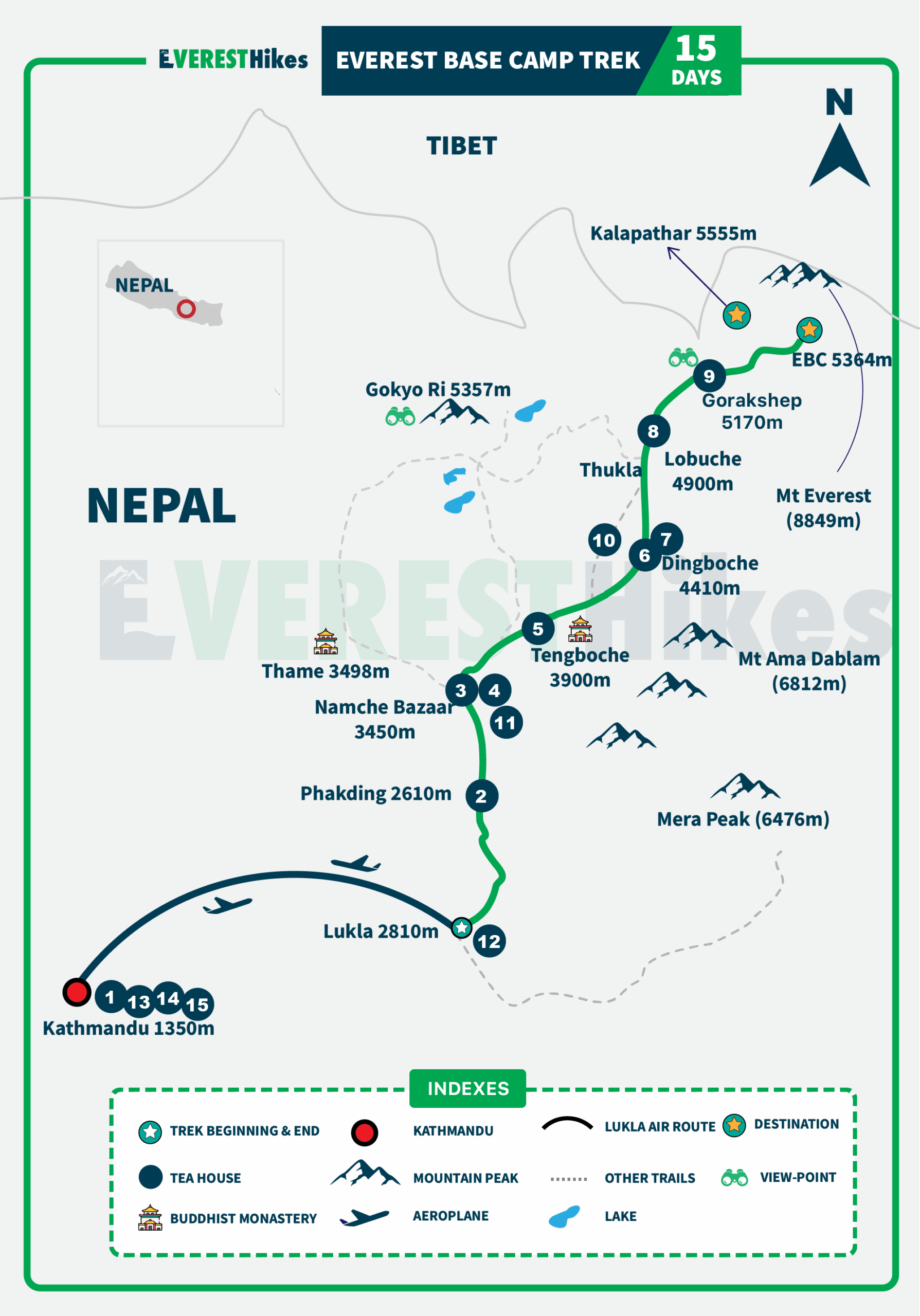
There are several maps you can get on premium online. Instead, you can buy it after you arrive in Kathmandu.
Altitude Chart
Packing list for Everest Base Camp Trek – 15 Days
Clothing Layers:
- Base Layers: Moisture-wicking thermal tops/bottoms
- Insulating: Fleece jacket, down jacket, warm sweaters
- Outer Shell: Waterproof/windproof jacket and pants
- Trekking Clothes: Quick-dry pants, UV-protection shirts
- Accessories: Sun hat, warm beanie, trekking gloves, moisture-wicking socks
Equipment:
Backpack: 40-50L with rain cover
Sleeping Bag: 4-season rated (-10°C to -20°C)
Trekking Poles: Adjustable and lightweight
Footwear: Waterproof trekking boots (well broken-in), camp sandals
Navigation & Safety: Headlamp, sunglasses (Cat 3-4), first aid kit
Personal Items: Sunscreen (high SPF), lip balm, toiletries, water purification
Gear Rental:
Sleeping bags, down jackets, and trekking poles are available for rent in Kathmandu. However, when you book this package with us, these essential trekking gears are provided complimentary - no need to rent separately.