
- 1 - 1 pax USD$2300
- 2 - 2 pax USD$2250
- 3 - 6 pax USD$2100
Island Peak climbing offers trekkers an excellent opportunity to experience high-altitude climbing while enjoying spectacular views and the rich culture of the Everest region. It’s widely regarded as one of the best trekking peaks in Nepal for both beginners and experienced climbers.
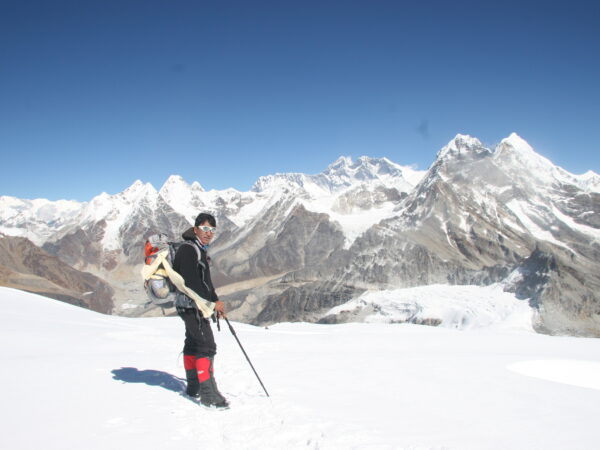
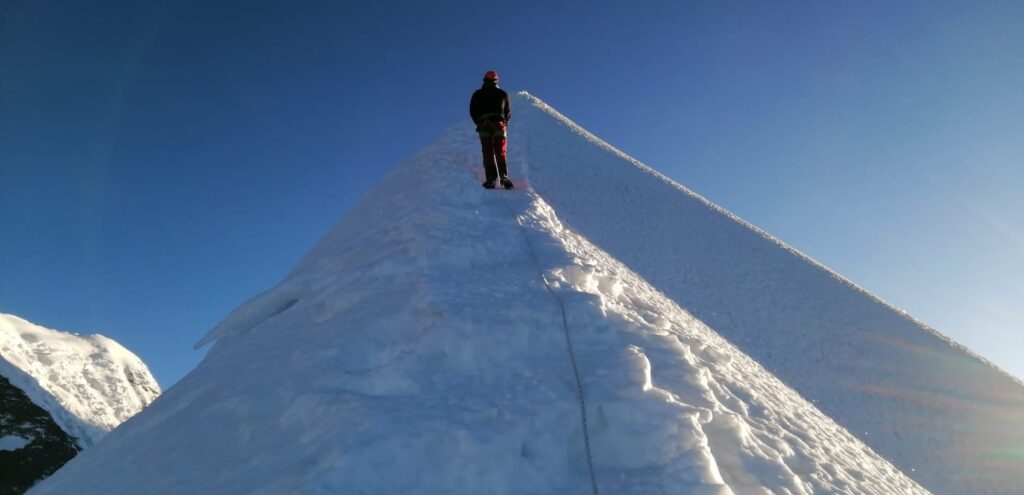
Island Peak, also known as Imja Tse, stands at 6,189 meters (20,305 feet) in the Everest region of Nepal. Nestled in the stunning Chhukung Valley, this iconic peak is surrounded by towering Himalayan giants such as Lhotse, Nuptse, and Baruntse. Despite its impressive height, Island Peak appears like a small island rising from a glacial sea – hence its name.
Highlights
- Magnificent view of high Himalayan mountains- Everest, Lhotse, Cho Oyu, Nuptse, Mt. Ama Dablam, etc
- Explore EBC 5364 m and hike to Kalapathar 5545 m.
- Summit the Island Peak 6189 m
- Get opportunity to visit Sherpa Villages and Museum
- Flora and Fauna of Sagarmatha National Park
- Walking along the bank of Dhudh Koshi River
- Take a spooky flight to Lukla
Why Climb Island Peak?
The Island Peak expedition offers an exciting yet challenging experience for climbers seeking their first 6,000-meter Himalayan summit. The climb is both demanding and rewarding, offering breathtaking views of Mount Everest, Makalu, Ama Dablam, and other towering peaks.
Notably, in 1953, Sir Edmund Hillary and Tenzing Norgay Sherpa used Island Peak as a training ground before their historic ascent of Mount Everest. Today, it remains a popular peak for acclimatization and preparation for higher Himalayan expeditions.
Island Peak and the Everest Base Camp Trek
Island Peak is often combined with the Everest Base Camp trek, allowing climbers to experience the legendary Khumbu region while preparing for the summit push. The journey takes you through picturesque Sherpa villages like Namche Bazaar, Tengboche, and Dingboche, with breathtaking views of the Khumbu Icefall and surrounding glaciers.
Is Island Peak Climbing Difficult?
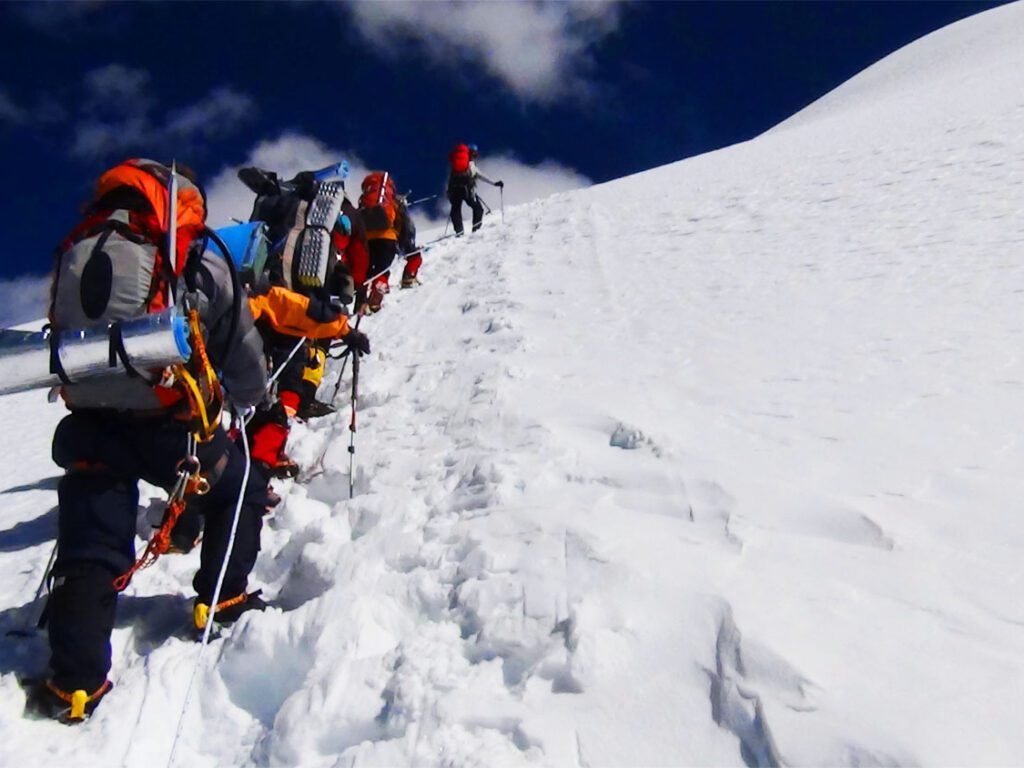
Island Peak is classified as a trekking peak belongs to PD grade/Grade II , making it accessible to aspiring mountaineers with basic climbing skills. However, the ascent involves semi-technical climbing, including:
- Steep ascents with fixed ropes
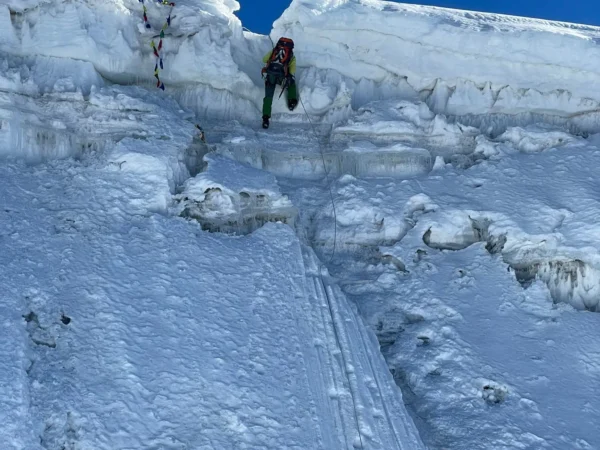
- Glacier crossings requiring ice axes and crampons
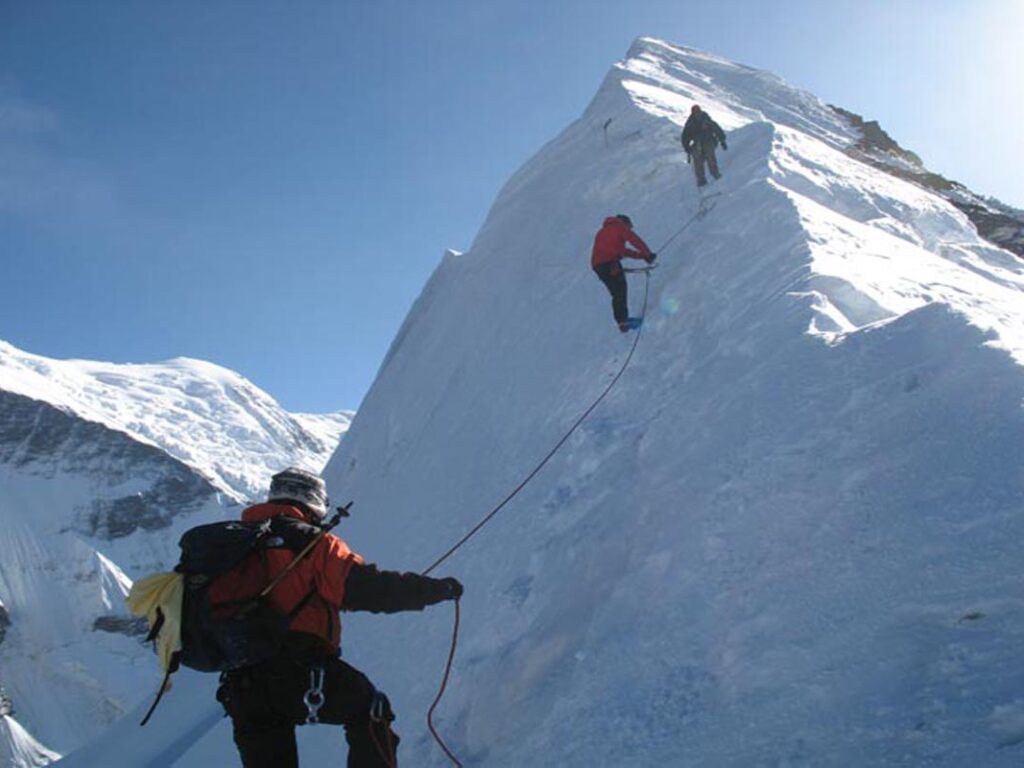
- A final 45-degree ice wall climb to the summit
Proper training, acclimatization, and expert guidance are essential for a successful climb.
Best Time to Climb Island Peak
The ideal seasons for Island Peak climbing are:
- Spring (April-May): Stable weather, clear skies, and warmer temperatures
- Autumn (September-November): Crisp views, dry conditions, and less snowfall
These months offer the best chances of a successful summit with safer climbing conditions.
Local Culture & Sherpa Hospitality
The Khumbu region is home to the brave Sherpa and Rai communities, who are famous for their mountaineering expertise. Along the route, climbers get a chance to experience Sherpa culture, Buddhist monasteries, and traditional high-altitude lifestyles.
Ready for the Island Peak Challenge?
If you’re looking for an adventure that combines trekking and mountaineering, Island Peak climbing is the perfect choice. With proper preparation, expert guidance, and the right mindset, you can conquer this Himalayan gem and stand atop one of Nepal’s most iconic peaks.
Outline Itinerary for Island Peak Climbing
Day 1: Fly to Lukla (2,860m) and trek to Phakding (2,610m) – 3-4 hours
Day 2: Trek to Namche Bazaar (3,440m) – 6-7 hours
Day 3: Acclimatization day at Namche Bazaar (3,440m) – Optional hike to Everest View Hotel (3,880m)
Day 4: Trek to Tengboche (3,860m) – 5-6 hours
Day 5: Trek to Dingboche (4,410m) – 5-6 hours
Day 6: Trek to Lobuche (4,910m) – 5-6 hours
Day 7: Trek to Everest Base Camp (5,364m) via Gorakshep (5,164m) and back to Gorakshep – 7-8 hours
Day 8: Hike to Kala Patthar (5,545m) and back to Lobuche (4,910m) – 6-7 hours
Day 9: Trek to Chhukhung (4,730m) via Kongma La Pass (5,540m) – 7-8 hours
Day 10: Trek to Island Peak Base Camp (5,200m) – 3-4 hours
Day 11: Climb Island Peak (6,189m) and descend to Base Camp – 10-12 hours
Day 12: Contingency day (for weather or extra acclimatization)
Day 13: Descend to Pangboche (3,985m) – 6-7 hours
Day 14: Descend to Namche Bazaar (3,440m) – 6-7 hours
Day 15: Descend to Lukla (2,860m) – 6-7 hours
Day 16: Fly back to Kathmandu
Trek Overview
Your expedition begins with a scenic flight from Kathmandu to Lukla, the gateway to the Everest region. From here, your trek officially starts, leading you through picturesque Sherpa villages and rugged mountain trails.
On Day 2, you’ll arrive at Namche Bazaar, the largest Sherpa town in the Everest region. Here, you’ll spend two nights for acclimatization, exploring the vibrant markets, interacting with locals, and enjoying panoramic views of Everest (8,848m), Lhotse, Nuptse, and Ama Dablam.
Continuing the trek, you’ll pass through Tengboche, Dingboche, Lobuche, and Gorakshep, gradually gaining altitude before reaching Everest Base Camp (EBC) and Kala Patthar (5,545m)—the best vantage point for stunning sunrise views of Mount Everest and surrounding peaks.
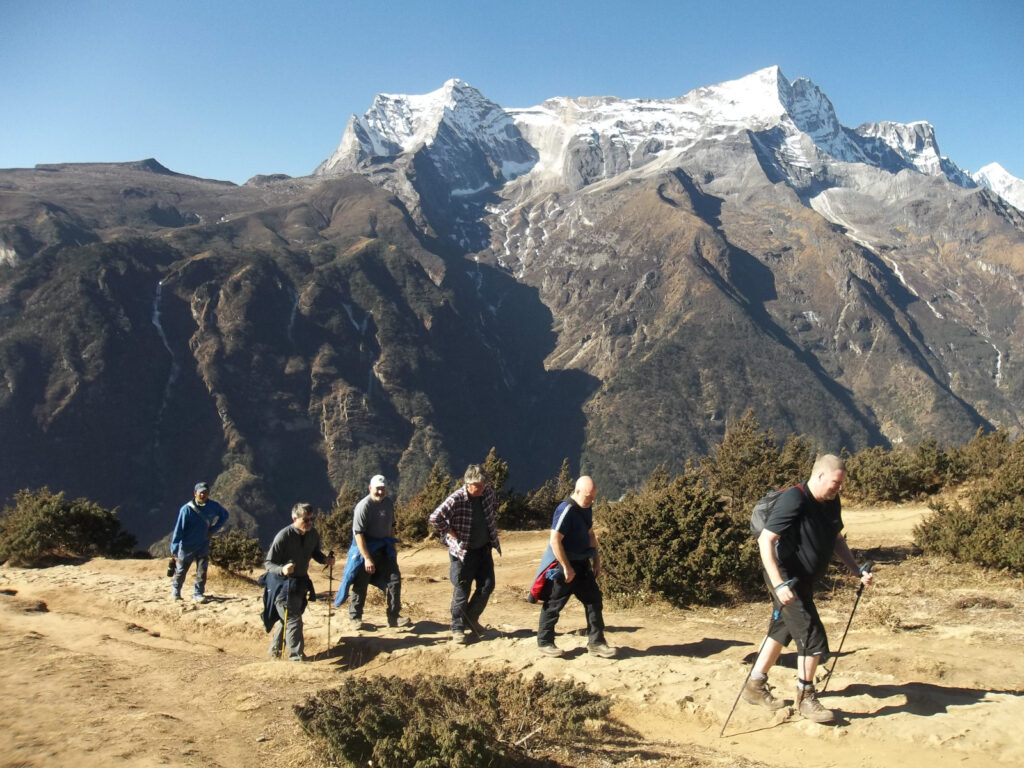
After experiencing the magic of Everest Base Camp, you’ll take on the Kongma La Pass (5,535m) – one of the three high passes of the Everest region, before reaching Chhukung village, the staging point for your Island Peak (6,189m) climbing adventure.
With proper acclimatization and guidance from experienced climbing Sherpas, you’ll make your way to Island Peak Base Camp, preparing for the ultimate challenge – summiting Island Peak, one of Nepal’s most popular trekking peaks.
This adventure is designed for those seeking both a high-altitude trekking experience and an introductory Himalayan climbing challenge, making it the perfect choice for thrill-seekers and aspiring mountaineers.
Difficulty and Health Requirements for Island Peak Climbing
According to the Alpine Grading System, Island Peak difficulty is rated at a ‘2B’ level. While it is one of the practice peaks that novices are advised to tackle. Climbing Island Peak may be simpler for an experienced climber, but it may be more challenging for a novice or someone with less expertise.
Climbers face a major difficulty due to the thin air at such high altitudes, which causes decreased oxygen levels and higher physical exertion. Acute mountain sickness (AMS) is another risk. It’s vital to regularly acclimatize, stay hydrated, and have an even keel to prevent it.
If you have ever been to trekking such as Manaslu Circuit Trek, you might know how to tackle altitude sickness and the physical challenges you have to face during the journey.
Island Peak climbing becomes even more challenging due to the unpredictability and harshness of the weather in the Everest region.
Even during the climbing season, climbers may experience sub-zero temperatures, heavy winds, and snowfall. The Island Peak journey demands a high degree of physical fitness because it involves several days of hiking and gains in elevation. Exercises that build endurance, such as running, trekking, or cycling, will boost your stamina.
Best Time for Island Peak Climbing
It is only appropriate that you familiarize yourself with the time of your trip so that you may make the most of it and maximize your potential. Every season adds a unique flavor to your encounter. Nevertheless, the ideal season for this journey is similar to one of the most popular treks, “Annapurna Circuit Trek”.
Spring (March to May)
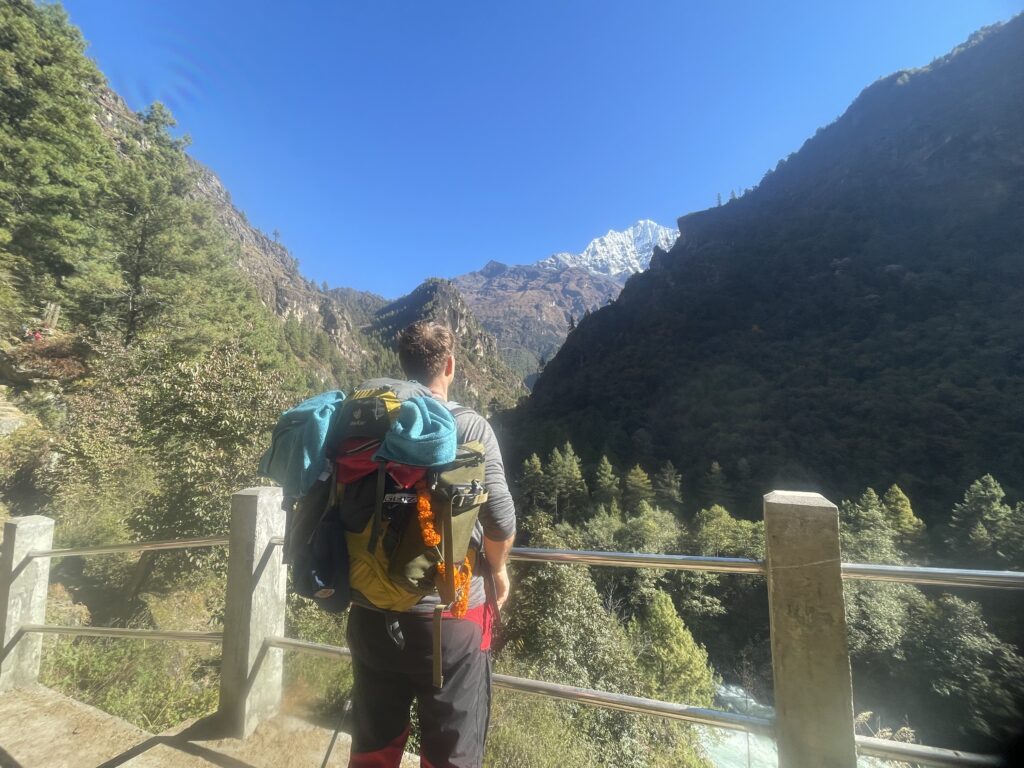
Trekkers who want to summit Island Peak safely, soundly, and successfully should go during the best and most favorable season, which is spring. From March through May, the spring season is in full swing. It brings with it warmer temperatures, which enhances the enjoyment of your summit attempt.
You can take pleasure in the lush, varied wildlife and plants that nature has to offer. Rainfall and snowfall are less likely to occur. The majority of the daytime sky is sunny, with temperatures between 15 and 17 degrees Celsius.
Summer/Monsoon (June to August)
Due to the unfavorable weather, climbing Island Peak during the summer is less popular and considered an additional off-season in Nepal. Warm, humid weather accompanied by cloudy and misty visibility is what the monsoon provides.
Trails become slick and muddy by heavy rains, and elevated risk of floods and landslides. Nonetheless, because it’s off-season, flights and lodging are accessible.
Fall / Autumn (September to November)
September, October, and November are also excellent periods to climb Island Peak during the autumn, with October being the busiest month. Every step is a visual feast throughout the fall foliage and spring’s flowering rhododendrons.
Indra Jatra, Dashain, Tihar, Chatth Puja, Mani Rimdu, and other festivals are celebrated in Nepal during this time of year. You can take part in this festival in addition to your trekking adventure. Snowfall and rain are not likely to occur.
Winter (December to February)
The winter months are the off-season and, because of the unfavorable weather, they are among the most difficult to ascend the Island summit. Noting the extreme weather, heavy snowfall, and increased risk of avalanches and other risks is important.
Not enough lodging options because there aren’t as many available. Having additional gear and equipment packed makes it heavier to carry.
In addition, you may also like to read the best time to travel to Nepal.
Island Peak Climbing – 16 Days Itinerary
Fly to Lukla (2,860m) and trek to Phakding (2,610m) – 3-4 hours
Your Everest adventure begins today! Depending on the season, your flight to Lukla will either depart from Kathmandu or from Ramechhap. During the busy trekking months—typically spring and autumn—flights are often diverted to Ramechhap’s Manthali Airport due to congestion at Kathmandu Airport.
If you’re flying from Ramechhap, be prepared for an early morning. You’ll need to wake up around 1:00 AM, as the shared vehicle from Thamel departs by 1:30 AM for the 4–5 hour drive to Manthali. Once you reach the airport around 5:00–6:00 AM, you’ll board a short and scenic 20-minute flight to Lukla (2,860m), one of the most thrilling airstrips in the world.
After a short rest and some tea in Lukla, it’s time to begin your trek. Today’s hike to the riverside village of Phakding takes about 3 to 4 hours, offering peaceful trails, local Sherpa culture, and the soothing sound of the Dudh Koshi River along the way.
Important Note: To confirm your Lukla flight, please make sure your travel dates are accurate. Contact us in advance via email or WhatsApp to double-check availability and flight details. We’re here to assist you every step of the way.
Day 2: Trek to Namche Bazaar (3,440m) – 6-7 hours
After enjoying a warm breakfast in Phakding, you'll set off on a beautiful and adventurous journey toward Namche Bazaar. The trail follows the banks of the Dudh Koshi River, crossing several thrilling suspension bridges, including the famous Hillary Suspension Bridge—an unforgettable highlight of the trek.
As you hike, you’ll pass through picturesque villages like Monjo and Jorsalle, where the trail officially enters Sagarmatha National Park, a UNESCO World Heritage Site. Your guide will be by your side throughout the day, sharing fascinating stories about the Sherpa culture, local traditions, and the dramatic geographical features of the Khumbu region.
The second half of the day includes a challenging uphill climb through pine and rhododendron forests. It’s a steady ascent, but if the weather is kind, you might catch your first glimpse of Mount Everest peeking through the clouds—an inspiring moment for every trekker.
By late afternoon, you’ll reach Namche Bazaar, the vibrant Sherpa capital. Nestled into a natural amphitheater of mountains, Namche is filled with colorful shops, mountain cafés, yak caravans, and friendly locals. It’s not just a resting place—it's a cultural experience and a chance to acclimatize for the days ahead.
Acclimatization day at Namche Bazaar (3,440m) – Optional hike to Everest View Hotel (3,880m)
Today is a planned acclimatization day to help your body adjust to the higher altitude and prepare for the days ahead. While rest is important, staying active with a light hike is the best way to adapt—and Namche offers the perfect base for both.
After breakfast, you can take a relaxing walk through the lively streets of Namche or join an optional hike up to the Everest View Hotel, located at 3,880 meters. This gradual uphill trek rewards you with breathtaking views of some of the world’s highest peaks, including Everest, Lhotse, Nuptse, and the stunning Ama Dablam.
Along the way, your guide will point out local landmarks and share insights into the region’s geography, Sherpa culture, and history. You’ll also have the chance to visit the Sherpa Culture Museum or explore the nearby village of Khumjung, home to a Hillary-built school and ancient monasteries.
🌟 Tip: We encourage you to ask questions throughout the trek—whether it’s about the trail conditions, local traditions, or the Himalayan landscape. Our guides are not only experienced but also passionate about sharing their knowledge.
By afternoon, you’ll return to Namche for some well-earned rest. Grab a hot drink at a mountain café, browse local shops, or simply enjoy the peaceful views around this beautiful Sherpa town.
Trek to Tengboche (3,860m) – 5-6 hours
Today’s journey is a beautiful mix of nature, culture, and spirituality. After breakfast in Namche, the trail begins with a gentle climb, offering fantastic views of Everest, Lhotse, and Ama Dablam along the way. It’s one of those days where the scenery truly takes your breath away—so have your camera ready!
As you walk, you’ll pass through peaceful forests of rhododendron and pine, listening to the sounds of birds and the distant roar of the Dudh Koshi River below. Eventually, the trail descends to the river, where you’ll cross a suspension bridge before beginning a steady, challenging uphill climb.
At the top of the climb lies Tengboche, one of the most spiritual places on the trek. This small village is home to the famous Tengboche Monastery, the largest and most important monastery in the Everest region. If you arrive in time, you may even get to witness the monks performing their daily chanting ceremony—a deeply moving experience.
And with Ama Dablam standing tall just behind the monastery, the setting feels truly magical. As always, feel free to ask your guide about the surrounding mountains, the meaning behind local traditions, or anything else you’re curious about. Every step here has a story.
You’ll spend the night in Tengboche, surrounded by quiet forests and stunning Himalayan views.
Trek to Dingboche (4,410m) – 5-6 hours
After breakfast in Tengboche, your trek today starts with a gentle descent through peaceful forest paths. You’ll cross the sparkling Imja River and pass through the friendly village of Pangboche, known for its welcoming people and historic monastery.
As you climb higher, the trees begin to thin, and the landscape opens up into the alpine zone—where you’ll see wide valleys, wildflowers, and rocky terrain. This change signals you’re entering higher altitudes, so be mindful of how your body feels. If you start to feel a little dizzy or unwell, don’t hesitate to tell your guide immediately—they’re there to help you stay safe.
Remember to drink plenty of water throughout the day—aim for at least 4 to 5 liters—to stay well hydrated in the thin mountain air.
By afternoon, you’ll reach Dingboche, a peaceful village surrounded by stone walls that protect the fields from the harsh mountain winds. From here, you’ll enjoy incredible views of towering peaks like Lhotse, Island Peak, and the stunning Imja Valley. It’s a perfect spot to rest, take photos, and soak in the quiet beauty of the Himalayas.
Trek to Lobuche (4,910m) – 5-6 hours
Today’s trek takes you higher into the rugged beauty of the Himalayas. You’ll start with a steady climb up to Dughla, a small settlement nestled just below the glacier. From there, the trail becomes steeper as you make your way up to the somber but inspiring memorial ridge, a place dedicated to the climbers who lost their lives in these majestic mountains. It’s a quiet spot that invites reflection amid breathtaking surroundings.
After paying your respects, you’ll continue trekking along a rocky glacial moraine toward Lobuche. Here, the landscape becomes more raw and dramatic, with towering peaks and icy glaciers all around. The air feels thinner, the environment wilder, and the sense of adventure grows stronger with every step.
Lobuche is a small but important stop on your journey, where you’ll rest and prepare for the challenges ahead.
Trek to Everest Base Camp (5,364m) via Gorakshep (5,164m) and back to Gorakshep – 7-8 hours
Today is the big day—your dream of standing near the world’s highest mountain is about to come true! You’ll start early in the crisp morning air, trekking first to Gorakshep, a small settlement nestled by the Khumbu Glacier. From here, the trail takes you alongside the icy glacier toward the legendary Everest Base Camp.
As you walk, the dramatic landscape surrounds you—jagged peaks, deep crevasses, and a silence that feels almost sacred. When you finally arrive at Base Camp, standing at 5,364 meters (over 17,600 feet), you’ll be amazed not only by Everest itself but also by the fact that reaching this altitude prepares your body for even higher climbs. This experience is an important step for you to summit Island Peak at 6,189 meters.
Take your time to soak in the surreal beauty, snap plenty of photos, and feel proud of this incredible achievement. After some rest and reflection, you’ll head back to Gorakshep for a cozy night’s sleep and well-deserved rest.
Hike to Kala Patthar (5,545m) and back to Lobuche (4,910m) – 6-7 hours
Begin your day early, before dawn, with a hike to Kala Patthar—the highest point on the Everest Base Camp trek and the third highest point of your entire journey. This spot is renowned as the best vantage point for panoramic views of Mount Everest, Lhotse, Nuptse, and the surrounding Himalayan giants. Watching the sunrise light up the peaks is an unforgettable experience that makes the early wake-up more than worth it.
Reaching Kala Patthar also plays a crucial role in helping your body acclimatize to high altitudes, perfectly preparing you for even greater challenges ahead, such as the Island Peak (6,189m) climb.
After soaking in the breathtaking views and capturing plenty of photos, you’ll descend back to Gorakshep for a brief rest before trekking down to Lobuche. The gradual descent offers time to reflect on the incredible journey and the stunning mountain scenery.
Trek to Chhukhung (4,730m) via Kongma La Pass (5,540m) – 7-8 hours
Today’s trek is one of the most challenging yet rewarding days of your journey. You’ll tackle Kongma La Pass, the highest pass in the Everest region at 5,540 meters. Crossing this spectacular high mountain pass offers breathtaking, panoramic views of the Khumbu Glacier, towering Pokalde Peak, and the mighty Makalu, the world’s fifth highest mountain.
After conquering the pass, you’ll descend steeply into the peaceful and scenic Chhukhung Valley, surrounded by rugged peaks and stunning alpine landscapes. Chhukhung is a charming village where you can rest and recharge, preparing for the next stage of your adventure.
This day is a true highlight for trekkers looking to push their limits and experience some of the most dramatic scenery the Himalayas have to offer.
Trek to Island Peak Base Camp (5,200m) – 3-4 hours
Today, you’ll begin your journey to the exciting Island Peak Base Camp, located at 5,200 meters in the remote and breathtaking Imja Valley. The trail gently climbs through stunning alpine scenery, surrounded by towering glaciers and rugged Himalayan peaks.
Since you’re now at a high altitude, it’s important to take things easy to help your body acclimatize. Stay well-hydrated, eat nutritious meals, and listen to your body’s signals. If you feel any symptoms of altitude sickness, inform your guide immediately.
At base camp, you’ll have time to rest and prepare your gear for the upcoming climb. Essential equipment includes crampons, an ice axe, a harness, and warm layered clothing—your guide and support team will help you get ready.
Enjoy the peaceful mountain atmosphere and soak in the incredible views as you gear up for the thrilling Island Peak ascent ahead.
Climb Island Peak (6,189m) and descend to Base Camp – 10-12 hours
The day starts before dawn as you set off on the final push to the summit of Island Peak at 6,189 meters. This steep and technical climb demands focus, patience, and determination—qualities you’ve built throughout your trek. Remember, every step forward is a step closer to an unforgettable achievement.
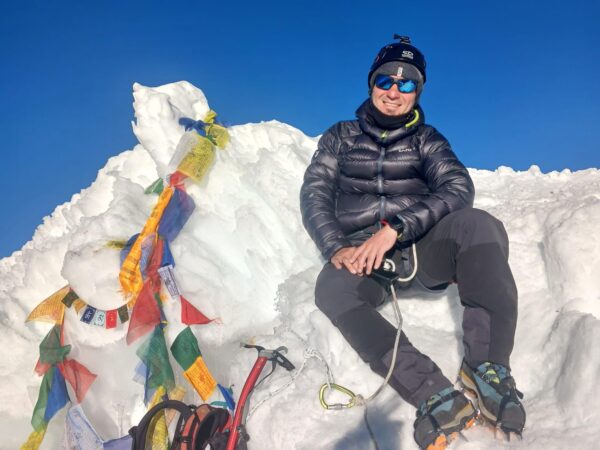
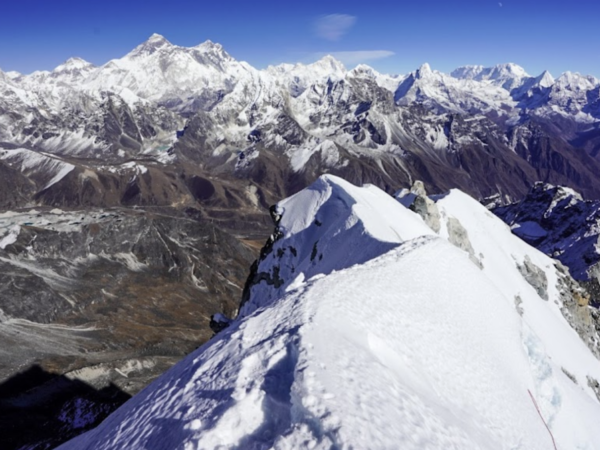
Keep your breathing steady and your mind calm. It’s natural to feel a mix of excitement and nerves. Trust your training, your guide, and most importantly, yourself. When the summit comes into view, allow yourself a moment to fully absorb the breathtaking panorama of towering peaks like Lhotse, Makalu, and Baruntse.
Celebrate your accomplishment—you’ve earned it! The descent back to base camp requires care, so stay focused and take your time. This climb isn’t just a physical feat; it’s a testament to your perseverance and spirit.
Contingency day (for weather or extra acclimatization)
Reserved for weather delays or additional acclimatization. If unused, this day offers rest and recovery at base camp or Chhukhung.
Descend to Pangboche (3,985m) – 6-7 hours
Leaving the high alpine landscapes behind, your trek winds gently down through the stunning Imja Valley, surrounded by towering peaks and shimmering glaciers. The trail leads you back to Pangboche, a tranquil Sherpa village known for its rich culture and welcoming community.
Take some time to visit the historic Pangboche Monastery, believed to be the oldest in the Khumbu region. Its ancient walls hold centuries of spiritual heritage, offering a peaceful glimpse into Sherpa traditions and Himalayan Buddhism.
As you walk through the village streets and admire the surrounding mountains, you’ll feel a deep connection to the region’s history and natural beauty—a perfect way to reflect on your incredible journey.
Descend to Namche Bazaar (3,440m) – 6-7 hours
Retrace your steps down the trail, crossing suspension bridges and forests, arriving back at Namche. It’s a good time to unwind, shop for souvenirs, and enjoy bakeries or cafes.
Descend to Lukla (2,860m) – 6-7 hours
Final day of trekking. A long descent takes you past Monjo and Phakding to Lukla, where you’ll celebrate the successful completion of your journey with your team.
Fly back to Kathmandu
Take a morning flight back to Kathmandu, with views of the mountains one last time. Upon arrival, transfer to your hotel and enjoy a well-earned rest.
Inclusions
What's included
- International & Domestics Airport pick-up and drop
- 3 Nights Hotel accommodation in Kathmandu (with breakfast included)
- An Experience English speaking guide and porter (1 porter for every 2 trekkers)
- A professional sherpa climbing guide
- Tented camp while on Island Peak Climb.
- All necessary camping equipment, Tent, Table & Chair for climbing expedition's crews.
- Island Peak Climbing group climbing gear, climbing rope, snow bars & carabineers etc.
- All Meals and Teahouse accommodation during the trek with attach deluxe room
- Kathmandu Valley Sightseeing with private jeep and tour guide (Local Monuments entrance fee included)
- Kathmandu to Lukla Flight Ticket (Round Trip)
- All required trekking permits (National Park Entry Fee and Pasang Lhamu Rural Municipality Entry Fee)
- Guide and porter insurance with food and accommodation
- Basic Medical kits
- Sleeping and duffel bag, down jacket, trekking poles (should be returned after the trek)
- Farewell dinner
- Emergency Helicopter Evacuation Service Arrangement Only (should cover by your travel insurance)
- All required paper works and government taxes
- Everest Hikes T-shirt
What's not included
- International Flight
- Nepal Travel Visa Fee
- Personal Medical and Travel insurance (Should cover helicopter evacuation)
- Guide, Porter and Driver tips
- Personal Gears (equipment)
- Personal bill
- Lunch and Dinner in Kathmandu
- All other personal expense of beverages (hard and soft drinks)
- All other things not mentioned in the inclusion
Accommodation and Meals During Island Peak Climbing
Along the trekking route, teahouses and lodges offer the majority of the accommodations for the Island Peak Climbing. After a strenuous day of hiking, guests can unwind at these modest yet cozy teahouses and lodges, which have warm beds and blankets.
In Kathmandu, there are plenty of hotels and lodges to choose from for a nice stay. The cost of lodging in Kathmandu can range from $15 to $250 per night. For most trekkers, accommodations in the trekking zones are their main worry.
Because of the logistical difficulties in delivering supplies to higher altitudes, lodging options get progressively more basic and possibly more costly as you ascend. You also need to spend a few nights in a tent while you are ascending from the Base Camp. So, prepare yourself because you might not get a cozy sleep as you have imagined.
Most of the meals are provided at the teahouses and lodges along the route, which include a variety of Western and Nepali dishes.
You will eat lunch while traveling to your next destination, and you will have dinner and breakfast in the same teahouse or camp where you spent the night. Porridge, eggs, bread, pancakes, tea, or coffee are some common breakfast fare.
Pasta, noodles, potatoes, veggies, and meat dishes are typical lunch and dinner alternatives. Dal Bhat is a combination of rice, lentil soup, and curry.
Required Permits for Island Peak Climbing
Permits are essential for both trekking and climbing activities in Nepal, whether you’re embarking on popular routes like the Everest Base Camp Trek, Langtang Valley Trek, Manaslu Circuit Trek, Lobuche Peak Climbing, or any other adventure. So, you do need to obtain permit for Island Peak Climbing. The Nepal Mountaineering Association (NMA) has designated Island Peak as a Group B trekking peak. Entry-level permits are needed for both climbing and trekking.
Seasons and the governing body in question are two variables that affect the permission fees.
NMA (Nepal Mountaineering Association) Permit
The Nepal Mountaineering Association is the organization that issues the Island Peak climbing permit (NMA). The costs per person for the Island peak permit, depending on the season, are as follows:
- Spring (March to May): $350 per person
- Fall (September to November): USD 175 per individual
- Winter (December to February): $175 per individual
- Summer (June to August): USD 175 per individual
Climbers must also pay a refundable $500 waste deposit to the NMA in addition to the cost of the climbing permit.
Regarding NMA peak fees, read our article: NMA Peaks in Nepal: Your Guide to Permits and Costs. It covers climbing permit fees, seasonal pricing, popular NMA peaks, and everything you need to know before planning your peak climbing adventure in Nepal.
Sagarmatha National Park Entry Fee
If you’re planning to climb Island Peak, located in the Khumbu region of Nepal, you will indeed require a permit for Sagarmatha National Park. This is an essential step to ensure that all trekkers and climbers are registered and that the park’s environmental integrity is maintained. Here are some additional details that might help you with obtaining the permit:
Where to Obtain Sagarmatha National Park Permit?
- Kathmandu: You can obtain the Sagarmatha National Park permit at the Nepal Tourism Board office in Kathmandu. This is a convenient option if you are spending a few days in the capital before heading to the mountains.
- Jorsalle: Alternatively, you can obtain the permit at the park entrance in Jorsalle. This might be a practical option if you are heading directly into the Khumbu region without stopping long in Kathmandu.
Costs:
- The cost of the permit varies depending on your nationality. It is generally priced differently for SAARC nationals (countries in the South Asian Association for Regional Cooperation) compared to other international visitors.
Local Area Permit:
You must obtain a local area permit, sometimes called a Khumbu Rural Municipality Entrance permit, before starting your journey to Island Peak. Upon arrival in the Sagarmatha region, namely at Lukla, the local area permit can only be acquired. Each person must pay USD 20 to obtain this permission.
Certain documentation is required when applying for an Island Peak climbing permit.
-
- Passport-sized pictures
- Forms of application
- Nepali Rupees (NPR) to cover the cost of the permission
- A copy of your passport
- Insurance for travel
Your Safety Comes First on Island Peak
When you’re planning an adventure like Island Peak climbing, your safety should be at the heart of every decision. At Everest Hikes, we get it – this isn’t just another trek. You’re venturing into the breathtaking Everest region, tackling high-altitude trekking that demands respect, preparation, and expert guidance.
We Take Island Peak Climbing Safety Seriously
Here’s the truth: your well-being matters more to us than anything else. We don’t cut corners when it comes to keeping you and our crew safe during your mountaineering journey. Every safety measure, every precaution, every detail—we’ve got it covered so you can focus on the incredible experience ahead.
Expert Guides Who Know These Mountains
You won’t just have any guide by your side. We carefully match experienced trekking and mountaineering guides to your expedition based on their expertise in the Everest region. These aren’t just professionals—they’re people who understand these mountains intimately and will assess conditions daily to make smart decisions about your route.
From our head office to base camp and all the way up the mountain, there’s constant communication between teams. This coordination isn’t just good practice; it’s essential for Island Peak climbing safety and gives us the ability to respond quickly if anything unexpected comes up.
Watching Out for You Every Step of the Way
High-altitude trekking comes with real challenges, and altitude sickness prevention is crucial. Your guide will keep a close eye on how you’re feeling throughout the trek, making sure your acclimatization process happens gradually and safely. This isn’t about rushing – it’s about giving your body the time it needs to adjust to the thin air.
Prepared for the Unexpected
Let’s be honest: mountains are unpredictable. That’s why our guides receive thorough training in high-altitude first aid and emergency response. If something goes wrong, they know exactly what to do from providing immediate first aid treatment to coordinating helicopter evacuation if necessary. We’re not just hoping for the best; we’re prepared for any scenario.
Essential Mountaineering Tips for Your Journey
Here’s what really matters when you’re preparing for Island Peak:
- Get your body ready. Physical conditioning makes a huge difference in how you’ll handle the altitude and the climb itself. Start training well before your departure date.
- Don’t skimp on gear. Quality equipment isn’t optional in the Everest region – it’s what keeps you safe and comfortable when conditions get tough.
- Listen to your body. Altitude sickness doesn’t discriminate. If you’re feeling off, speak up. There’s no shame in taking things slower or descending if needed.
- Trust the acclimatization process. Those extra rest days aren’t wasted time – they’re what allow your body to adapt so you can actually summit safely.
You Can Climb with Confidence
The bottom line? When you’re with us, you’re not just another booking number. You’re someone whose safety and success we’re genuinely invested in. From the moment you arrive until you’re safely back down, you’ll have experienced professionals looking out for you every step of the way.
Island Peak climbing is challenging, rewarding, and absolutely achievable with the right preparation and support. We’re here to make sure you have both – so the only thing you need to worry about is taking in those incredible Himalayan views.
Travel Insurance
While mountaineering, there’s always a chance of things going wrong, even if you’ll be guided by the best pros available. Whether you’re doing the Island Peak climb or any other of our trekking adventures, you are always advised to get specialized travel insurance.
The majority of the dangers involved in trekking in Nepal can be covered by travel insurance. Not only does travel insurance protect you against geographical dangers, but it also makes your trip to Nepal less stressful.
Evacuation will be exceedingly costly in an emergency if you do not have adequate travel insurance. Thus, pick insurance that includes helicopter evacuation as well as emergency and medical recovery.
Packing list for Island Peak Climbing – 16 Days
Before beginning the trip, one should prepare the required packing list for the trip. Considering on Island Peak Climbing, you should bring both trekking and climbing equipment for Island Peak Climbing.
Gear & Support: What Everest Hikes Provides
We take care of the logistics, so you can focus on the journey. Our experienced Sherpa team and certified climbing guides offer professional-grade equipment, in-depth route knowledge, and constant safety support throughout the expedition.
Group Climbing Gear We Provide
- Fixed ropes and main lines for glacier crossings and summit push
- Rock pickets and snow bars for secure anchoring on icy sections
- Technical gear like tape slings, jumars, descenders, and carabiners for rope maneuvers
- High-quality tents, sleeping mats, and kitchen facilities at base camp
- Safety tools like shovels, essential for navigating deep snow
With us Everest Hikes, you’ll never have to worry about quality or safety - our equipment is expedition-tested and guide-approved.
Rental Equipment Available
Not everyone owns mountaineering gear, and that’s okay! We offer affordable rental gear for Island Peak climbing:
- Crampons, ice axes, helmets, harnesses, carabiners, and ascenders
- Insulated mountaineering boots (crampon-compatible)
- Waterproof jackets, trousers, gloves, and warm sleeping bags (4-season rated)
- Backpacks (40–60L), trekking poles, thermoses, headlamps, and more
All rental items are regularly inspected and maintained ensuring performance, safety, and comfort on summit day.
Why Smart Packing Makes or Breaks Your Climb
Island Peak isn’t just about climbing - it’s about preparation. Proper packing is the foundation of a successful, safe, and enjoyable expedition.
Packing too little risks exposure; packing too much slows you down. The key is to find a balance: go light, but never under-prepared.
Pro Tip:
Porters in Nepal carry a maximum of 20–25 kg. Overpacking means you may need to hire extra help, which adds cost and burden. Travel smart for you and your team.
How to Pack Efficiently for Island Peak
When preparing your gear, organize items into three key categories:
- Clothing – for warmth, moisture management, and layering
- Trekking & Climbing Gear – for performance and safety
- Personal Items – toiletries, first aid, electronics, and snacks
Packing Tips:
- Store heavier items close to your back for stability
- Use outer pockets for quick-access essentials (snacks, sunscreen, water)
- Roll clothes to save space and reduce wrinkles
- Keep your summit-day essentials in a light daypack - leave the rest at base camp
Complete Island Peak Packing List
Clothing & Bodywear
- Waterproof, breathable outer shell (jacket and pants)
- Insulated down jacket and pants
- Thermal base layers (top & bottom)
- Lightweight trekking shirts & pants
- Windbreaker jacket
- Warm fleece or wool sweaters
- Rain gear or poncho
- Sports bras, underwear, and comfortable leggings
Head & Handwear
- Sun hat or cap
- Woolen beanie
- Buff, neck gaiter or scarf
- Balaclava or face mask
- Thin liner gloves and insulated summit gloves
- Mittens for cold summit days
Footwear
- Trekking boots with ankle support (broken-in)
- Crampon-compatible mountaineering boots
- Trail shoes/sneakers
- Camp sandals or slippers
- Thick woolen socks and liners
- Gaiters for snow protection
Climbing Gear
- Helmet, ice axe, harness, crampons
- Carabiners, slings, descenders, ascenders
- Glacier goggles or ski glasses
- Fixed rope systems (provided)
- Rappel/belay device
- PLB (Personal Locator Beacon – optional)
Sleeping Gear
- 4-season down sleeping bag
- Inflatable or foam sleeping mat
- Travel pillow, liner, nightwear
- Earplugs and eye mask
Toiletries & Hygiene
- Biodegradable soap, shampoo, wet wipes
- Quick-dry towel, toothbrush & paste
- Sunscreen (SPF 50+), lip balm with SPF
- Menstrual hygiene products
- Moisturizer, hand sanitizer, deodorant
First Aid & Medicines
- Diamox (for altitude)
- Paracetamol, aspirin, painkillers
- Blister kit, antiseptic wipes, nasal spray
- Band-aids, gauze, tape
- Throat lozenges, anti-allergy tablets
- Electrolyte powders, oral rehydration salts
Food & Hydration
- High-calorie snacks (nuts, dried fruits, chocolate)
- Energy bars, peanut butter, instant oatmeal
- Electrolyte tablets, tea/coffee bags
- Insulated bottle or thermos
- Water purification tablets or drops
Documents & Essentials
- Passport, visa, permits
- Passport photos and digital copies of documents
- Travel insurance (must cover climbing up to 6,500m)
- Airline tickets and local currency (Nepalese Rupees)
Electronics & Extras
- Smartphone, GPS, camera
- Power bank, solar charger
- Headlamp with spare batteries
- GoPro or action camera
- Adapter (Nepal uses Type C, D, and M)
- Trekking guidebook, maps, notebook