Riding Through Nepal’s Hidden Himalayan Kingdom
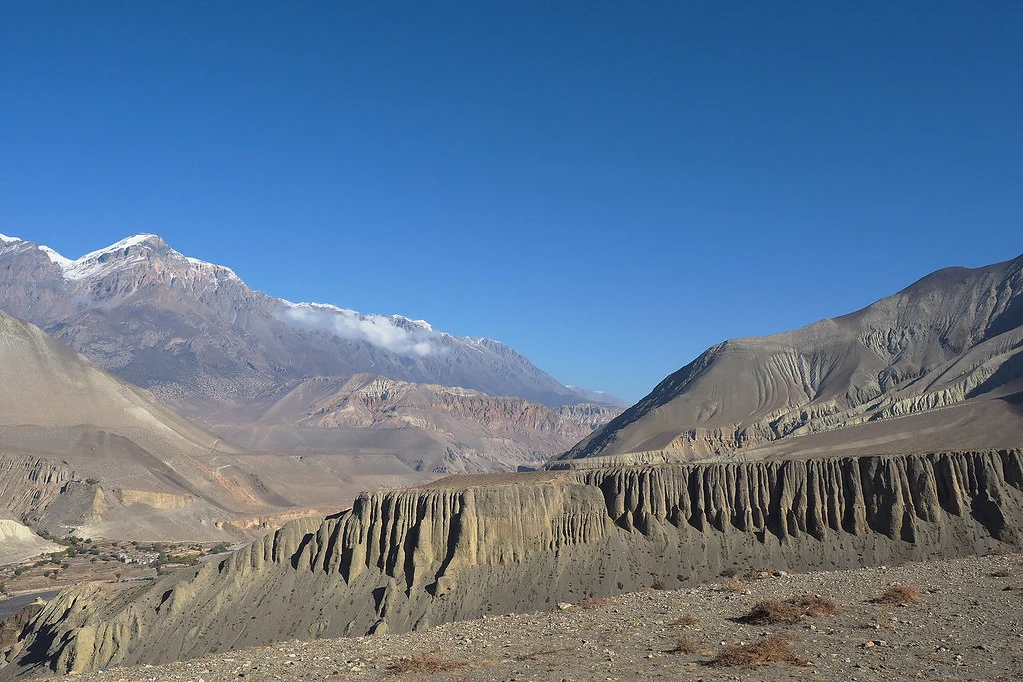
Imagine throttling a Royal Enfield through landscapes that look more like Mars than Earth—windswept cliffs in shades of rust and ochre, ancient cave dwellings carved into canyon walls, prayer flags snapping in the high-altitude wind. This isn’t your typical Himalayan ride. The Upper Mustang bike tour takes you beyond the trekking trails and tourist circuits into a restricted zone that remained closed to outsiders until 1992. Even today, reaching the walled city of Lo Manthang requires special permits and a sense of adventure that goes beyond ordinary travel.
This is where the Himalayas meet the Tibetan Plateau, where Buddhist monasteries older than most European cathedrals still hum with chanting monks, and where the only road north ends at a border crossing you can see but cannot reach. For riders seeking something rare—a journey that combines technical off-road challenge with profound cultural immersion—Upper Mustang delivers in ways few places on Earth can match.
Why Ride Upper Mustang?
Key Highlights
The Upper Mustang motorcycle tour isn’t just about covering distance. It’s about riding through layers of history, geology, and spirituality that reveal themselves slowly, mile after dusty mile.
What Makes This Ride Unforgettable:
- Access to Nepal’s most culturally preserved restricted area, where ancient Tibetan Buddhist traditions remain intact
- Riding alongside the Kali Gandaki River through the world’s deepest gorge, flanked by 8,000-meter peaks
- Exploring Lo Manthang, the medieval walled capital that feels frozen in time since the 15th century
- Visiting monasteries and sky burial sites that few travelers ever witness
- Conquering challenging off-road terrain across high mountain passes and river crossings
- Experiencing the stark beauty of the Trans-Himalayan desert—barren, treeless, utterly mesmerizing
- Riding through villages where locals still practice polyandry and speak Tibetan dialects
- Staying in traditional guesthouses and connecting with communities largely untouched by mass tourism
This journey demands skill, stamina, and respect. In return, it offers memories that outlast a lifetime.
The Route: From Lakeside Pokhara to the Rooftop of the World
Kathmandu to Pokhara: The Warm-Up
Your Upper Mustang bike tour begins with a scenic 200-kilometer ride from Kathmandu to Pokhara, following the Trishuli River along winding highways. This section serves as your warm-up—a chance to get comfortable with your Royal Enfield Himalayan 450 before the real challenge begins. Pokhara’s lakeside atmosphere offers a deceptive calm before the adventure ahead.
Pokhara to Kalopani: Where Pavement Ends
From Pokhara, the ride to Beni introduces you to the Kali Gandaki corridor. Once you pass Beni, the pavement disappears. Now you’re riding the ancient salt trading route between Nepal and Tibet, where yak caravans once carried goods across these same mountain passes. The trail to Kalopani follows the river through deep gorges, with views of Dhaulagiri and Annapurna dominating the skyline.
Kalopani to Kagbeni via Muktinath: Entering Sacred Territory
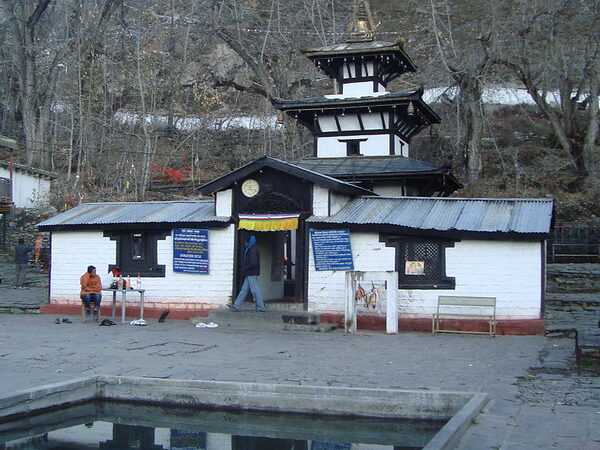
The climb to Muktinath Temple at 3,800 meters tests both rider and machine. This sacred pilgrimage site attracts both Hindu and Buddhist devotees who come to witness the eternal flame fed by natural gas seeping from the earth. After paying respects, you descend to Kagbeni—the gateway village where your restricted area permit gets checked and stamped. Beyond this point, very few travelers venture.
Kagbeni to Lo Manthang: Into the Forbidden Kingdom
This 45-kilometer section defines the entire journey. You’ll cross the Kali Gandaki River multiple times, navigate high passes, and ride through villages that seem pulled from another century: Chuksang, Chele, Samar, Ghiling, Ghami, Tsarang. Each settlement offers glimpses into a way of life barely changed since medieval times. The landscape shifts from green valleys to the surreal moonscape of the Trans-Himalayan desert—all rust-colored cliffs, wind-carved rock formations, and endless sky.
When Lo Manthang’s whitewashed walls finally appear on the horizon, you’ll understand why travelers speak of this place in hushed, reverent tones.
Exploring Lo Manthang and Chhoser
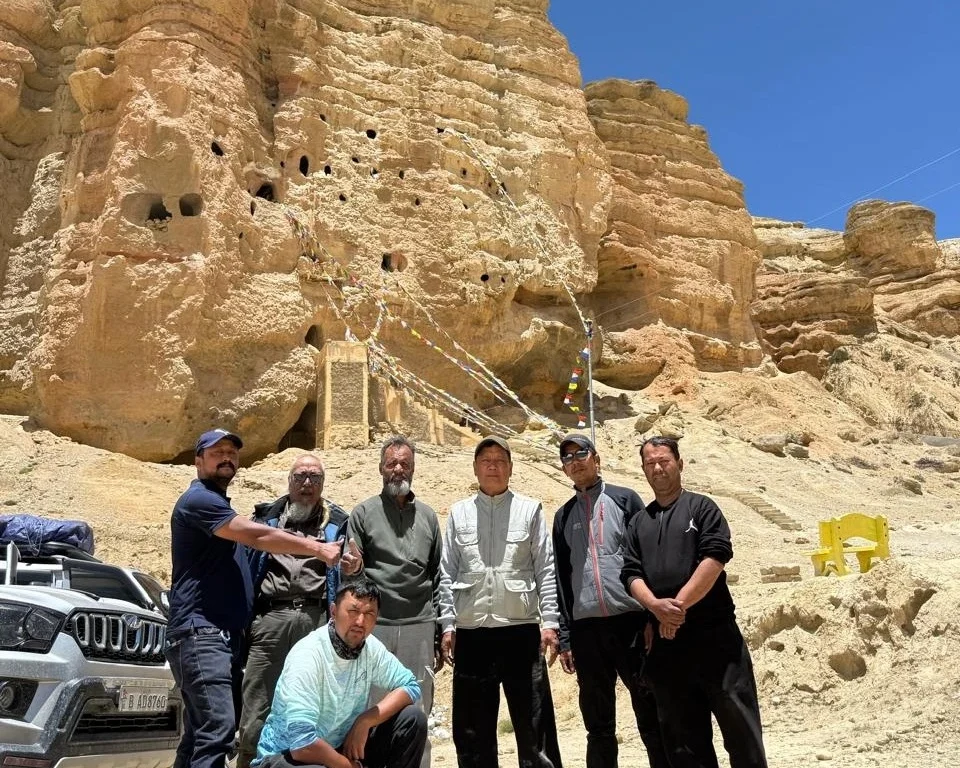
Your exploration day allows time to wander Lo Manthang’s narrow alleys, visit the monasteries of Thupchen, Jampa, and Chode Gompa, and ride to nearby Chhoser. The ancient caves at Chhoser—some over 3,000 years old—have drawn archaeologists from around the world. Here you might witness preparations for sky burials, a traditional funeral practice where bodies are offered to vultures as a final act of compassion.
The Return Journey: Jomsom to Pokhara
Retracing your route southward offers new perspectives on familiar terrain. By now, you’ve developed a rhythm with your bike, learned to read the terrain, and earned the quiet confidence that comes from riding some of Nepal’s most challenging roads.
Best Time for Your Upper Mustang Motorcycle Tour
Peak Season (March-May and September-November)
Spring brings wildflowers to the lower elevations and stable weather throughout the route. Autumn offers crystal-clear mountain views and comfortable temperatures. These shoulder seasons provide ideal riding conditions with moderate traffic on the trails.
Summer Season (June-August)
While most of Nepal drowns in monsoon rains, Upper Mustang remains dry thanks to its rain shadow location. This makes summer a viable riding season, though afternoon winds can be intense and some high passes may experience brief storms.
Winter (December-February)
Only for the truly adventurous. Snow closes some passes, temperatures plummet, and many guesthouses shut down. If you can handle extreme cold and potentially hazardous conditions, you’ll have the trails almost entirely to yourself.
Our Recommendation: Plan your Upper Mustang bike tour for late March through early June or late September through early November for optimal conditions.
Outline Itinerary
Day 01: Arrival in Kathmandu (1,350 m)
Day 02: Kathmandu to Pokhara (822 m) – 200 km / 6–7 hours
Day 03: Pokhara to Kalopani (2,600 m) – 123 km / 5–6 hours
Day 04: Kalopani to Muktinath (3,800 m) to Kagbeni (2,900 m) – 63 km / 5–6 hours
Day 05: Kagbeni to Lo Manthang (3,800 m) – 45 km / 5–6 hours
Day 06: Exploration Day – Lo Manthang and Chhoser
Day 07: Lo Manthang to Jomsom (2,743 m) – 55 km / 6 hours
Day 08: Jomsom to Pokhara (822 m) – 158 km / 7 hours
Day 09: Pokhara to Kathmandu (1,350 m) – 200 km / 6 hours
Day 10: Departure
Upper Mustang Bike Tour Itinerary
Arrival in Kathmandu (1,350m)
Touch down at Tribhuvan International Airport where our team meets you at arrivals. After transferring to your hotel, you'll have time to rest and shake off the jet lag. In the evening, we gather for a detailed trip briefing covering the route, safety protocols, and what to expect in the days ahead. This is your chance to ask questions and meet your fellow riders.
Kathmandu to Pokhara (822m) - 200km / 6-7 hours
Your first day in the saddle follows the Prithvi Highway westward, tracing the Trishuli River through terraced hillsides and roadside villages. This paved highway lets you get comfortable with your motorcycle before the technical sections begin. Arrive in Pokhara by afternoon with time to explore the famous lakeside area, where cafes and pubs overlook Phewa Lake with the Annapurna range looming in the distance.
Pokhara to Kalopani (2,600m) - 123km / 5-6 hours
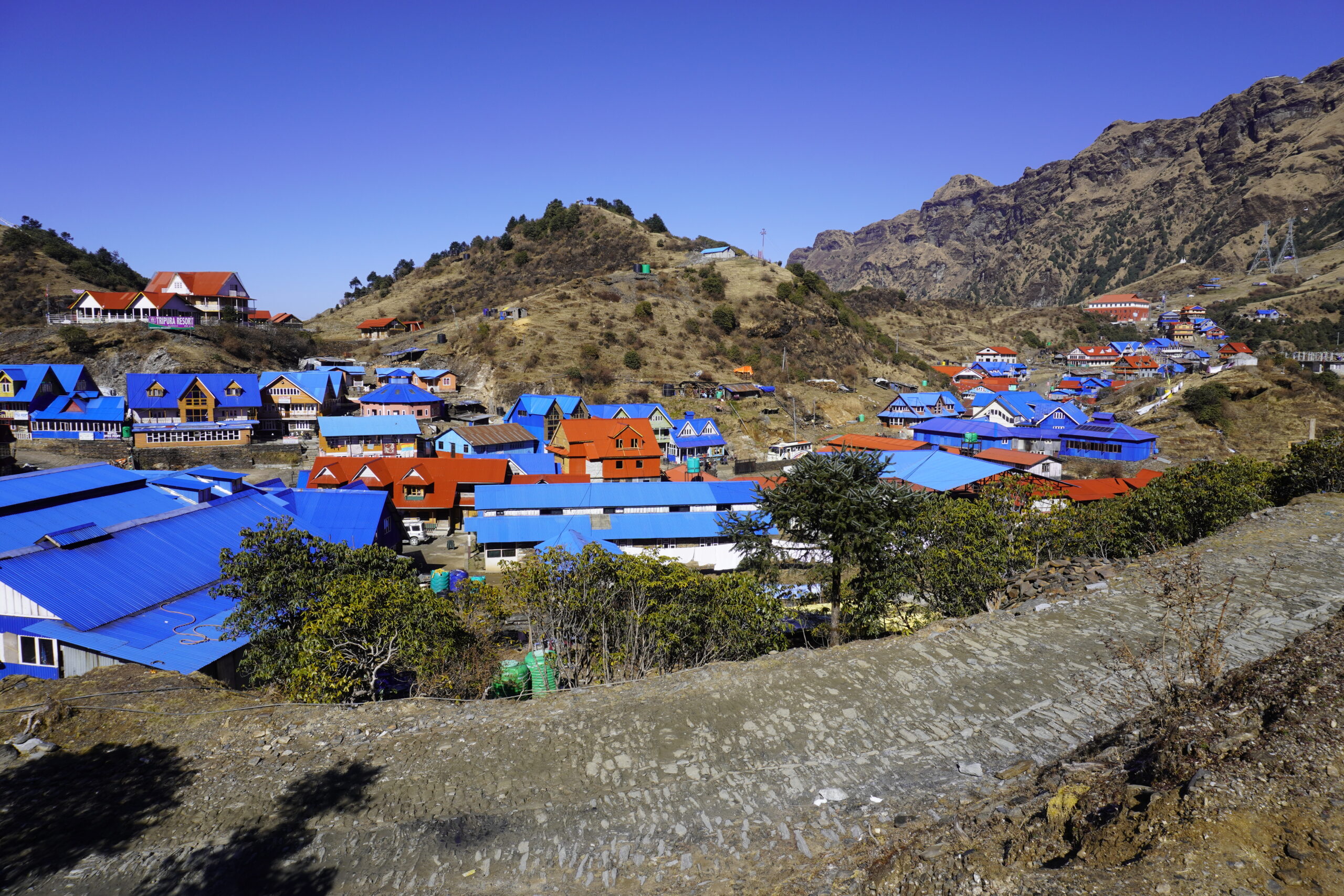
Rise early for the optional sunrise ride up Sarangkot Hill, where the entire Annapurna massif ignites in golden morning light. After breakfast, the route takes you through Beni where pavement ends and adventure begins. The Kali Gandaki corridor opens before you—a mix of gravel tracks, rocky sections, and river crossings. Stop at Rupse Waterfall for photos before continuing to Kalopani for your first night in the mountains.
Kalopani to Muktinath (3,800m) to Kagbeni (2,900m) - 63km / 5-6 hours
The landscape transforms dramatically as you climb. Pass through Marpha village, famous for apple orchards and brandy, then continue through Jomsom to Muktinath Temple. At 3,800 meters, this sacred site draws pilgrims who bathe in the 108 water spouts and witness the eternal flame burning from natural gas. Visit the nearby Jwala Mai temple before descending to Kagbeni, where you'll overnight at the restricted area checkpoint. Stop at Jharkot's ancient monastery on the descent.
Kagbeni to Lo Manthang (3,800m) - 45km / 5-6 hours
After permit verification, the real adventure begins. Cross the Kali Gandaki and enter the forbidden kingdom. The trail weaves through Chuksang, Chele, Samar, Syangboche, Ghiling, Ghami, and Tsarang—each village a time capsule of Tibetan Buddhist culture. The landscape becomes increasingly barren and beautiful, all windswept cliffs and painted canyons. Stop frequently for photos and to simply absorb the otherworldly scenery. When Lo Manthang's white walls appear across the plain, anticipation builds with every kilometer.
Exploration Day - Lo Manthang and Chhoser
No riding fatigue today—just pure exploration. Morning visits to Lo Manthang's three major monasteries: Thupchen Gompa with its massive Buddha statues, Jampa Lhakhang dating to 1447, and Chode Gompa still active with resident monks. The small Buddhist museum offers context for what you're witnessing. After lunch, ride to Chhoser village to explore caves carved into canyon walls over 3,000 years ago. The cliff monastery clings impossibly to the rock face. If circumstances allow, you may witness preparations for traditional sky burial ceremonies. Return to Lo Manthang for evening relaxation.
Note: Current regulations prohibit foreigners from reaching Korala border. Chhoser village, approximately 8km from the border, marks the northern extent of permitted travel.
Lo Manthang to Jomsom (2,743m) - 55km / 6 hours
Retrace your route southward with fresh eyes. The same trails reveal different details when ridden in reverse. Pass through villages you visited on the way up, stopping at stupas and monasteries you may have rushed past before. The familiarity of the terrain builds confidence, and many riders find themselves tackling technical sections with newfound skill. Arrive Jomsom with enough daylight remaining to explore this regional hub where trekkers and riders converge.
Jomsom to Pokhara (822m) - 158km / 7 hours
The longest riding day descends from high desert back to subtropical valleys. Navigate the rough sections below Jomsom with the confidence earned over the past week, then enjoy smooth pavement after Beni. The change from barren mountainscapes to green terraces marks your return to the world beyond the Himalayas. Arrive Pokhara by late afternoon. Celebrate your achievement with dinner and drinks at one of the lakeside restaurants, swapping stories with your riding companions.
Pokhara to Kathmandu (1,350m) - 200km / 6 hours
Your final day of riding returns you to Kathmandu along the Prithvi Highway. The familiar route feels different now—you've ridden to places few motorcyclists ever reach. Evening free for souvenir shopping in Thamel, additional sightseeing, or simply processing the experiences of the past ten days.
Departure
We transfer you to Tribhuvan International Airport based on your flight schedule. Departures end where they began, but you leave carrying memories that will last infinitely longer than any journey.
Inclusions
What's included
- Airport transfers in Kathmandu (arrival and departure)
- Hotel accommodation in Kathmandu (2 nights, 3-star, twin sharing)
- Hotel accommodation in Pokhara (2 nights, 3-star, twin sharing)
- Lodge accommodation throughout Upper Mustang (best available, twin sharing)
- All meals from Pokhara departure to Pokhara return (breakfast, lunch, dinner)
- Royal Enfield Himalayan 450cc motorcycle (one per rider)
- Upper Mustang Restricted Area Permit ($500 value, 10 days)
- ACAP and TIMS permits
- Experienced guide/road captain with government license
- Professional Royal Enfield mechanic
- 4x4 support vehicle with driver
- Fuel for support vehicle
- Luggage transport in support vehicle
- Motorcycle spare parts (brake pads, spark plugs, cables, tubes, engine oil - one set)
- Sleeping bag for mountain nights (returnable at trip end)
- Duffel bag for luggage (returnable at trip end)
- Comprehensive medical kit
- All road tolls for motorcycles and support vehicle
- Government taxes and official fees
What's not included
- Nepal entry visa ($30 for 15 days, $50 for 30 days, $125 for 90 days)
- International airfare to/from Kathmandu
- Motorcycle fuel for your bike (approximately $150-200 total)
- Personal riding gear (helmet, jacket, boots, gloves, protective clothing)
- Meals in Kathmandu and Pokhara (lunch and dinner)
- Travel and medical insurance (mandatory - must cover high altitude and evacuation)
- Personal expenses (alcoholic beverages, bottled water, snacks, laundry, souvenirs)
- Entrance fees for optional sightseeing in Kathmandu or Pokhara
- Hot showers in mountain lodges (usually $2-3 per shower)
- Charging electronics in lodges (minimal fee)
- Tips for guide, mechanic, and support staff (discretionary but appreciated)
- Costs from accidents, theft, or rough handling beyond normal wear
- Major mechanical repairs beyond included spare parts
- Expenses from natural disasters, strikes, or circumstances beyond our control
Important Note on Motorcycle Damage: Minor repairs including one set of brake shoes, spark plugs, clutch plates, tubes, cables, and engine oil are included. Additional repairs required due to accidents, rough handling, or mechanical abuse beyond normal use are the rider's financial responsibility. We recommend comprehensive travel insurance that covers adventure activities.
Riding Experience: What to Expect on the Trail
Terrain and Road Conditions
Let’s be clear: after Beni, there’s no such thing as a “road” in the conventional sense. You’re navigating rocky trails, sandy riverbeds, and narrow paths carved into cliff faces. Stream crossings require careful judgment. Loose gravel tests your balance. Steep ascents demand throttle control and patience.
The Royal Enfield Himalayan 450 handles this terrain remarkably well, with its 21-inch front wheel, long-travel suspension, and ground clearance designed specifically for Himalayan conditions. Still, this isn’t a ride for beginners. You’ll need solid off-road skills and the endurance to handle 5-7 hours in the saddle daily.
Altitude Considerations
You’ll be riding and sleeping at elevations between 2,600 and 3,800 meters, with some passes pushing even higher. Altitude affects both riders and machines. Take acclimatization seriously—headaches, fatigue, and altitude sickness are real concerns. Ride slowly, stay hydrated, and listen to your body. Our experienced guides monitor everyone’s condition and carry comprehensive medical kits for emergencies.
Weather Patterns
Upper Mustang sits in the rain shadow of the Annapurna and Dhaulagiri ranges, meaning it receives minimal rainfall even during monsoon season. This makes it rideable from March through November when most of Nepal is soaked. Expect cold nights year-round, warm sunny days, and fierce afternoon winds that can blow you sideways if you’re not prepared.
Culture and Heritage: More Than Just a Motorcycle Journey
Living Tibetan Buddhism
Upper Mustang preserves Tibetan Buddhist culture more authentically than Tibet itself in many ways. Monasteries here contain ancient murals, statues, and manuscripts that survived the cultural upheavals across the border. Monks still perform elaborate rituals unchanged for centuries. Prayer wheels turn constantly. Butter lamps flicker in the dimness.
As riders, we’re guests in these sacred spaces. Respect means removing helmets before entering monasteries, walking clockwise around stupas, and asking permission before photographing people or ceremonies.
Traditional Communities
The people of Mustang—known as Lobas—maintain customs that have disappeared elsewhere. Extended families live in multi-story stone houses decorated with stacked firewood and prayer flags. Women wear distinctive striped aprons and elaborate jewelry. Agriculture follows ancient patterns, with barley and buckwheat growing in carefully irrigated terraced fields.
Polyandry (one woman marrying multiple brothers) still exists in some households, a practical adaptation to limited arable land. The social structure reflects both Buddhist values and the harsh realities of high-altitude survival.
Permits and Regulations: Navigating the Restricted Area
Understanding the Restricted Area Permit
Upper Mustang’s restricted status preserves its cultural integrity while allowing limited tourism. The special permit costs $500 USD for 10 days, with an additional $50 per day beyond that. Your 10-day countdown begins when you enter Kagbeni and ends when you exit, so plan accordingly.
Important regulations:
- Minimum two people required for permit issuance (solo travelers can join existing groups)
- Valid passport required for application
- Permits must be arranged through registered agencies—no independent applications
- Certain areas near the Tibet border remain completely off-limits
Additional Permits
Beyond the restricted area permit, you’ll need:
- Annapurna Conservation Area Project (ACAP) permit
- Trekkers’ Information Management System (TIMS) card
- Temporary motorcycle permit for Nepal
Our team at Everest Hikes handles all permit arrangements. We just need your passport copy and riding license at least two weeks before departure.
Safety, Support, and What Sets Us Apart
Comprehensive Support System
Every Upper Mustang motorcycle tour we operate includes:
Royal Enfield Himalayan 450 Fleet: Our bikes represent the latest evolution of adventure motorcycling technology, built specifically for Himalayan conditions with improved power, handling, and reliability.
Professional Road Captain: An experienced leader who knows every switchback, stream crossing, and monastery on the route. They set pace, identify hazards, and ensure the group stays together.
Skilled Mechanic: Traveling with complete spare parts and tools to handle roadside repairs. Minor issues like brake shoes, spark plugs, cables, and tubes are covered in your tour cost.
4×4 Support Vehicle: Carries all luggage, additional spare parts, and provides backup if a motorcycle becomes unrideable. This vehicle stays with the group throughout the journey.
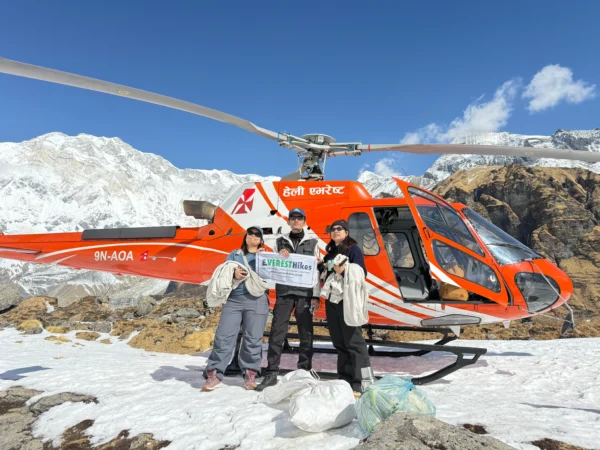
Medical Preparedness: Comprehensive medical kit, guide trained in altitude sickness recognition, and established evacuation protocols with helicopter rescue services.
Why Choose Everest Hikes
We’re not just organizing a motorcycle tour—we’re sharing a journey we know intimately. Our team has ridden these trails across all seasons and maintained relationships with communities throughout Upper Mustang built on years of respectful, responsible tourism.
Our Commitments:
- Small group sizes that minimize environmental and cultural impact
- Fair wages and working conditions for all crew members
- Support for local guesthouses and businesses throughout the route
- Environmental consciousness (pack out all waste, minimize plastic)
- Cultural sensitivity training for all participants
- Transparent pricing with no hidden costs
- 24/7 support from Kathmandu office during your journey
We’ve built our reputation one satisfied rider at a time, with consistent praise for organization, safety, and authentic cultural experiences.
Packing list for Upper Mustang Bike Tour
Mandatory Items:
- Valid passport (minimum 6 months validity)
- Motorcycle license from your home country or international license
- Travel insurance documents (covering altitude up to 4,000m and evacuation)
- Passport-size photos (for permits)
Highly Recommended Riding Gear:
- DOT/ECE approved motorcycle helmet (rental available but personal preferred)
- Motorcycle jacket with CE-rated armor (shoulders, elbows, back)
- Riding pants or Kevlar-reinforced jeans
- Over-ankle motorcycle boots with good grip
- Quality motorcycle gloves (consider altitude-appropriate warmth)
- Neck warmer or balaclava for dusty, windy sections
- Clear and tinted visors or riding glasses
Clothing and Personal Items:
- Layering system: base layers, mid-layers, warm fleece or down jacket
- Waterproof jacket and pants (even in dry season for wind protection)
- Casual clothes for evenings in lodges
- Sun hat and warm beanie
- Sunglasses with UV protection
- High-SPF sunscreen and lip balm (altitude intensifies UV)
- Personal toiletries and medications
- Quick-dry towel
- Headlamp or flashlight
- Water bottle or hydration system
- Camera with extra batteries and memory cards
- Portable phone charger/power bank
- Small daypack for daily essentials
- Money belt or secure pouch for documents
Medical and Safety:
- Personal prescription medications (bring extras)
- Altitude sickness medication (consult your doctor)
- Basic first aid items
- Hand sanitizer and wet wipes
- Toilet paper
- Rehydration salts
- Pain relievers and stomach medications