- 1 - 1 pax USD$2875
- 2 - 2 pax USD$2350
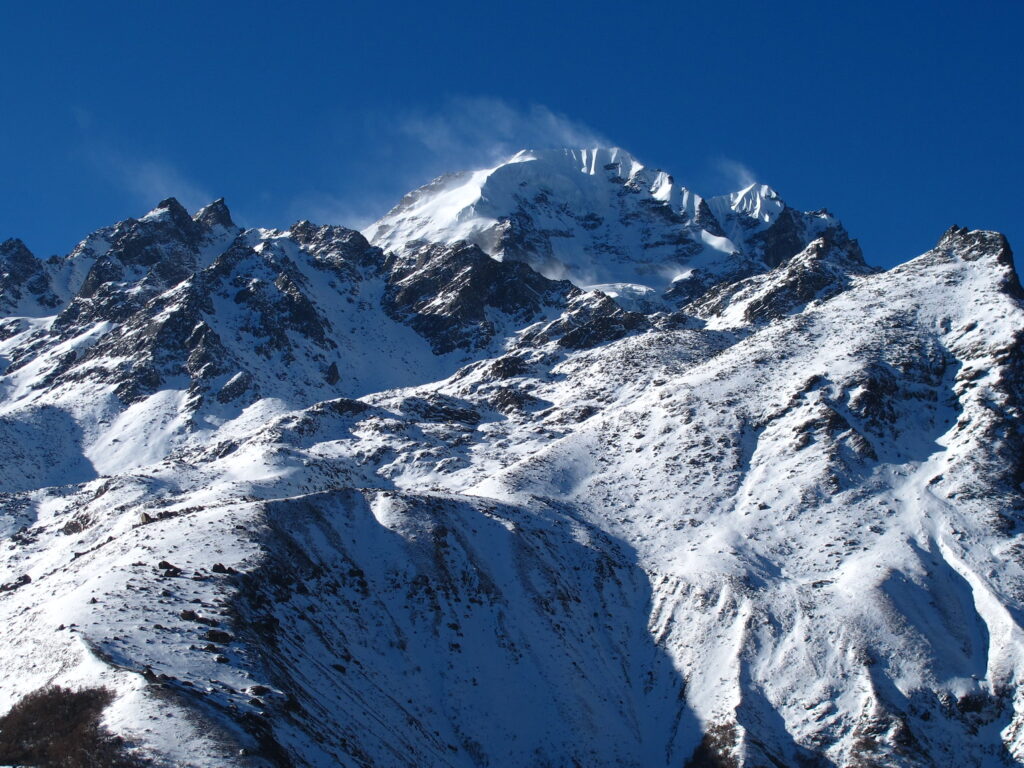
Naya Kanga Peak Climbing is one of the most rewarding introductory trekking peaks in Nepal. It is located in the heart of the Langtang region. Rising above the sacred valley of Kyangjin Gompa, Naya Kanga (also known as Ganja La Chuli) offers a perfect blend of trekking, mountaineering, culture, and raw Himalayan wilderness.
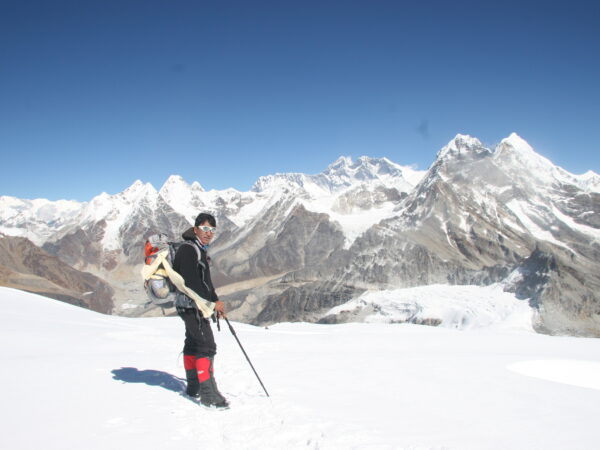
This climb is ideal for adventurers who want their first real Himalayan summit, without extreme technical difficulty, but with a genuine high-altitude climbing experience. The journey takes us through traditional Tamang villages, alpine forests, glacial valleys, and high mountain passes, ending with a thrilling summit day that rewards us with panoramic views of Langtang Lirung, Dorje Lakpa, Ganesh Himal, and Shishapangma (Tibet).
Highlights of Naya Kanga Peak Climbing
- Summit a 5,844-meter Himalayan peak with clear, achievable climbing routes
- 90% success rate – one of Nepal’s most achievable high-altitude climbs
- Trek through pristine wilderness – Langtang National Park with diverse wildlife
- Immerse in local culture – interact with Tamang and Sherpa communities
- Breathtaking mountain views – panoramic vistas of Langtang Lirung, Dorje Lakpa, and beyond
- Visit sacred Kyanjin Gompa – an ancient Buddhist monastery at 3,798 meters
- Flexible private departures – choose your dates throughout spring and autumn
- All-inclusive package – permits, guides, accommodation, and meals included
The Experience: What Makes Naya Kanga Peak Climbing Special
Naya Kanga is not just about reaching the summit. It is about slowly entering the mountains, letting the altitude, landscape, and culture shape the journey. From the moment we leave Kathmandu and drive towards Syabrubesi, the noise of the city fades and the rhythm of the mountains takes over.
The trail follows the Langtang River, climbing through dense forests of pine, oak, and rhododendron. As we gain altitude, the valley opens into wide yak pastures, stone villages, and ancient monasteries. Kyangjin Gompa, the spiritual heart of Langtang, becomes our acclimatization base before moving toward the high alpine terrain.
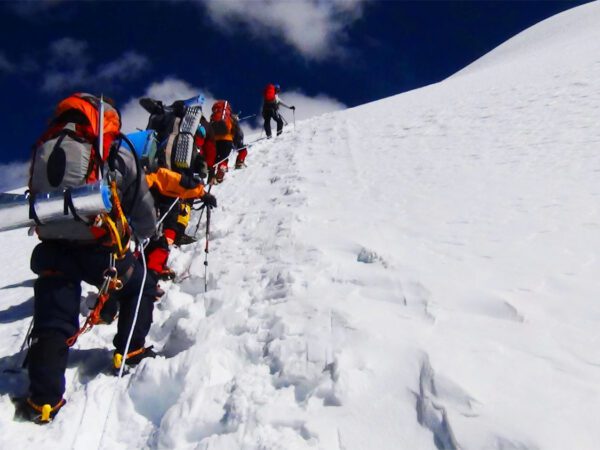
From Ganja La Phedi onward, the journey becomes more serious. The environment turns rugged and wild. We enter the world of ice, snow, and rock, setting up high camp beneath the peak. Summit day is demanding, but achievable with proper guidance and preparation. Standing on the summit of Naya Kanga is a moment of silence, pride, and connection with the Himalayas.
Why Choose Naya Kanga Over Other Peaks?
- Easy accessibility: Only 8 hours from Kathmandu by road, so less travel time and lower costs.
- Balanced challenge: Technical enough to feel rewarding, but achievable for first-time alpine climbers.
- Cultural immersion: The trek passes through traditional settlements where you’ll stay in family-run teahouses and learn about local lifestyles.
- Wildlife & nature: Langtang National Park is home to red pandas, snow leopards, Himalayan tahr, and diverse bird species rarely seen elsewhere.
- Proven success rate: 90% of climbers reach the summit, compared to 50-60% on more technical peaks.
- Spectacular scenery: Panoramic views of some of the Himalayas’ most dramatic peaks from a relatively modest elevation.
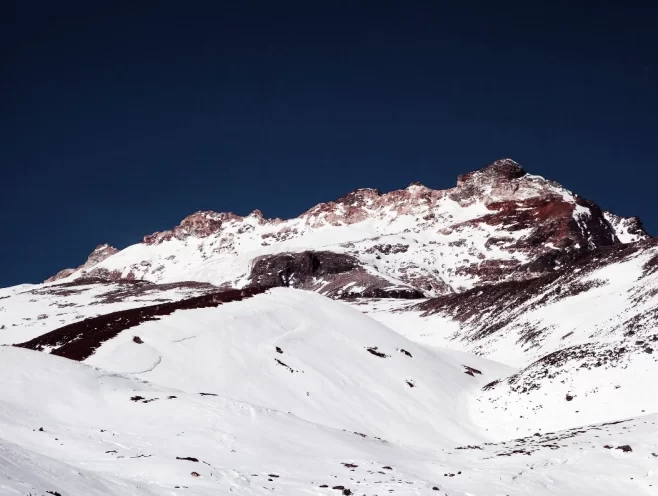
Alternative Trekking Peak to Naya Kanga in the Beautiful Langtang Region
Naya Kanga Peak Climbing – 15 Days Itinerary
Arrival in Kathmandu
You'll arrive at Tribhuvan International Airport in Nepal's capital city. A representative from Everest Hikes will pick you up and transfer you to your hotel in central Kathmandu. The remainder of the day is free to rest, explore, or prepare your gear.
Kathmandu Sightseeing & Permit Preparation
Spend the day acclimatizing to Nepal while our team handles climbing permits and park fees. Optional activities include visiting UNESCO World Heritage sites like Swayambhunath Stupa (the "Monkey Temple"), Boudhanath Stupa, or Durbar Square. In the afternoon, we'll conduct a pre-expedition briefing to discuss the climb, review your gear, and address any questions.
Drive to Syabrubesi (1,450m)
An 8-hour drive north takes you from Kathmandu to Syabrubesi, the official starting point of the trek. You'll pass through Nepal's scenic mid-hill regions, with views of terraced farmland and traditional villages. Overnight in a local lodge.
Syabrubesi to Lama Hotel (2,470m)
Your first trekking day takes you through dense rhododendron and oak forests. The trail follows a gentle climb alongside streams and waterfalls. You'll notice the forest transitions from subtropical to temperate as elevation increases. Arriving at Lama Hotel, a scenic village, you'll stay in basic but comfortable teahouse accommodation.
Lama Hotel to Langtang Village (3,330m)
Continue trekking alongside the Langtang River, passing through Ghoda Tabela, an old settlement. The forests become denser and more pristine. At Langtang Village, you'll meet local Tamang communities and experience authentic Himalayan hospitality. Many teahouses here are family-run, offering homemade Nepalese meals.
Langtang Village to Kyanjin Gompa (3,870m)
A shorter day acclimatizes you to higher altitude. The trail climbs steadily through forests and alpine meadows. Kyanjin Gompa, perched at 3,870 meters, is a sacred Buddhist monastery surrounded by prayer flags and mountain vistas. Spend the night in a teahouse adjacent to the gompa, where you can observe monks performing evening prayers.
Acclimatization Day at Kyanjin Gompa (3,870m)
This is a critical acclimatization day. In the morning, climb Tsergo-Ri (4,033m), a nearby viewpoint that provides stunning 360-degree panoramic views of the Langtang Himalayan range, including Langtang Lirung (7,425m) and Ganesh I (7,422m). The 2-3 hour round-trip hike helps your body adapt to altitude while keeping you active.
In the afternoon, explore the monastery, interact with local monks, or rest at your teahouse. Drink plenty of water and eat light meals to prevent altitude sickness.
Kyanjin Gompa to Naya Kanga Base Camp (4,400m)
Leave the teahouses behind as you trek into remote alpine terrain. The landscape becomes barren with sparse vegetation—you're entering the high-altitude climbing zone. Naya Kanga Base Camp sits in a glacial valley with no settlements nearby. Here, you'll switch from teahouses to comfortable tents set up by your climbing guides.
Base Camp to Naya Kanga High Camp (5,000m)
This is your final acclimatization hike before the summit push. The trail ascends through rocky terrain, moraine, and snow patches. You'll practice using crampons and ice axes if you haven't already. High Camp sits at the base of the final climbing slopes, offering views of the summit ridge above.
Rest early and hydrate thoroughly. Your guides will conduct final equipment checks and brief you on summit day procedures.
Summit Push & Descent (5,844m then back to 4,400m)
Summit day begins at 3–4 AM when climbers typically start their ascent. The route follows the northeastern ridge across snow and ice slopes—manageable but requiring focus and steady pacing. Using crampons and ice axes, you'll climb for 4–5 hours to reach the summit.
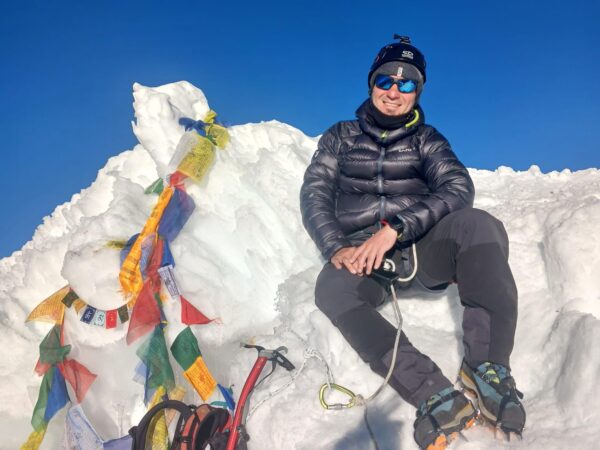
At 5,844 meters, you'll experience the exhilaration of standing atop a major Himalayan peak. Weather permitting, views extend across Nepal and Tibet. Most climbers spend 15–30 minutes at the summit to photograph, celebrate, and absorb the moment.
The descent typically takes 2–3 hours back to High Camp, then another 2–3 hours to Base Camp. It's a long day (10–12 hours total), but downhill climbing is less technically demanding than ascending.
Base Camp to Langtang Village (3,330m)
Trek downhill through Kyanjin Gompa back to Langtang Village. Descending is easier on the legs than climbing, and you'll notice the landscape transform as you drop elevation. Wildlife is more visible during descent.
Langtang Village to Lama Hotel (2,470m)
Continue your descent through forests. You'll notice vegetation becoming lusher and more subtropical. Lama Hotel, which took 5–7 hours to climb on Day 5, now feels easily accessible.
Lama Hotel to Syabrubesi (1,450m)
Final trekking day. A 5–6 hour descent brings you back to the trailhead. You'll feel the physical change as you re-enter lower, warmer elevations.
Drive from Syabrubesi to Kathmandu (1,400m)
An 8-hour drive returns you to Kathmandu. Relax at your hotel, enjoy a hot shower, and celebrate your summit success.
Final Departure or Extended Programs
Depending on your flight schedule, either depart for the airport or arrange an extension (optional Kathmandu sightseeing, another trek, or yoga retreat).
Inclusions
What's included
Transportation & Logistics
- Round-trip airport pickup and drop-off by private vehicle
- Drive from Kathmandu to Syabrubesi and return
Accommodation (3 nights Kathmandu, 11 nights trek)
- 3 nights hotel accommodation in Kathmandu (private room, en-suite bathroom)
- Tea house stays (Days 4–7, 11–13) with basic but clean rooms
- Tented camp accommodation at Base Camp and High Camp (sleeping mat provided; bring sleeping bag)
Permits & Park Access
- Naya Kanga Peak climbing permit
- Langtang National Park entry permit
- Government-licensed climbing guide salary and equipment
Meals
- 13 breakfasts, 12 lunches, 11 dinners
- Tea and snacks at teahouses
- All meals prepared at base camp during climb
Guides & Support
- One experienced trekking guide (fluent English, local knowledge)
- Necessary porters (1 porter per 2 trekkers typical ratio)
- One government-licensed climbing guide dedicated to summit push
Equipment
- Tent at Base Camp (climbers provide sleeping bag)
- Basic climbing equipment (not personal gear)
Miscellaneous
- Complimentary Naya Kanga Peak climbing route map
- Everest Hikes t-shirt and duffle bag
- Oximeter to monitor blood oxygen saturation
- Medical kit for minor emergencies
- Free luggage storage at company office in Kathmandu
- Insurance for guides and porters
- Domestic airport tax
- Related taxes and service charges
What's not included
- Nepal visa fees (obtainable on arrival or in advance)
- International airfare to Kathmandu
- Travel/evacuation insurance (mandatory – see requirements below)
- Personal trekking & climbing gear (boots, jacket, sleeping bag, etc.)
- Meals in Kathmandu (Days 1–2, Day 14)
- Personal expenses (beverages, alcohol, tips)
- Emergency evacuation costs (covered by insurance)
- Oxygen supplements or altitude sickness medications (recommended to purchase)
Difficulty Level & Physical Requirements
Is Naya Kanga Peak Difficult?
Honest answer: It’s moderately challenging, not extremely difficult.
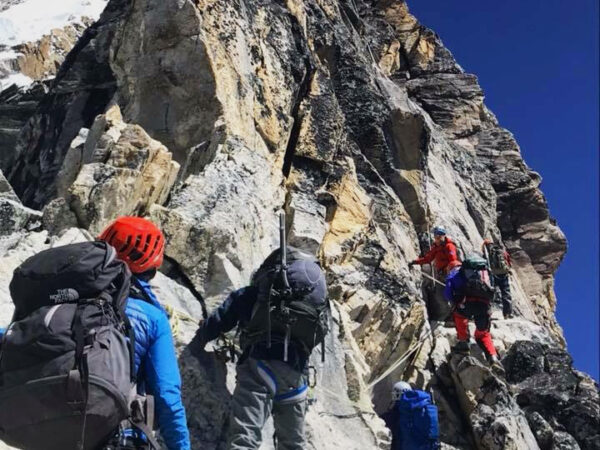
Naya Kanga is classified as a non-technical climb, meaning you won’t encounter rock climbing or rappelling. However, “non-technical” doesn’t mean “easy.” Here’s what you’ll face:
Physical Demands
- Long days of trekking (4–7 hours) while carrying a daypack
- Steep uphill climbing over 3–4 days
- 10–12 hours of climbing on summit day
- Carrying a backpack at high altitude with thin air
Technical Skills Required
- Using crampons (metal spikes strapped to boots)
- Wielding an ice axe properly
- Moving safely on snow and ice slopes
- Understanding rope systems (though you’ll be roped to your guide)
- Proper footwork and pacing on steep terrain
Altitude Challenges
- Sleeping at 5,000+ meters where oxygen is 50% less available
- Risk of altitude sickness, even with acclimatization
- Unpredictable weather and cold temperatures
Mental Stamina
- Pushing through fatigue and doubt on summit day
- Adapting to discomfort and uncertainty
- Trusting your guides and equipment
Who Is This Climb Suitable For?
You should attempt Naya Kanga if:
- You’re in good physical condition (able to hike 4+ hours regularly)
- You have trekking experience above 4,000 meters (or high-altitude hiking)
- You have a flexible mindset and can adapt to challenges
- You’re willing to train for 6–8 weeks before the expedition
- You can take 15 days off work/life for the trek
You should reconsider if:
- You have severe altitude sickness history
- You have untreated heart, lung, or blood pressure conditions
- You’re unable to commit to pre-expedition physical training
- You have claustrophobia or extreme fear of heights
- You cannot afford the total cost ($2,300 + personal gear + travel insurance)
Best Time to Climb: Seasons & Weather
When Should You Go?
Naya Kanga has two ideal climbing seasons:
Spring (March–May)
Weather: Clear skies, stable temperatures, moderate winds
Visibility: Excellent views of snow-covered peaks
Scenery: Rhododendron forests in full bloom (red, pink, white flowers)
Crowds: Moderate—peak season but not overcrowded
Advantages: Longest daylight hours, warmer afternoons, wildflowers
Disadvantages: Accommodation can fill quickly; book 2–3 months ahead
Best months: April–May (most stable weather, warmest conditions)
Autumn (September–November)
Weather: Crisp, clear, stable conditions
Visibility: Exceptional—some of the clearest views of the year
Scenery: Golden alpine meadows, clear skies, fewer clouds
Crowds: Lower than spring, still accessible
Cultural events: Dashain and Tihar festivals occur (September–October)
Advantages: Best visibility for summit day, lower accommodation pressure
Disadvantages: Colder nights, some areas may have early snow
Best months: September–October (clear weather, manageable cold)
Why NOT to Climb
- Winter (December–February): Heavy snow, avalanche risk, extreme cold, low visibility
- Summer (June–August): Monsoon rains, poor visibility, muddy trails, unstable weather
Altitude Sickness: Prevention & Management
What Is Altitude Sickness?
Acute Mountain Sickness (AMS) occurs when your body struggles to absorb oxygen at high elevations. Symptoms range from mild headaches to life-threatening conditions like High Altitude Cerebral Edema (HACE) or High Altitude Pulmonary Edema (HAPE).
Symptoms to Watch For
Mild AMS (manageable):
- Headache
- Mild nausea
- Slight fatigue
- Dizziness or lightheadedness
Moderate AMS (needs attention):
- Persistent headache despite medication
- Vomiting
- Loss of appetite
- Difficulty sleeping
Severe AMS (descend immediately):
- Confusion or inability to think clearly
- Severe shortness of breath at rest
- Fluid in lungs (wet cough, gurgling sounds)
- Loss of coordination (ataxia test: heel-to-toe walking)
Prevention Strategies
1. Acclimatization (Most Important)
- Climb high, sleep low: ascend 300–500m per day, then descend slightly to sleep
- Our itinerary includes Day 7 acclimatization at Kyanjin Gompa and Day 9 at High Camp
- Spend 2+ nights at each altitude before ascending further
2. Hydration
- Drink 3–4 liters of water daily
- Avoid alcohol and caffeine (they increase dehydration)
- Drink consistently throughout the day, not just when thirsty
3. Nutrition
- Eat regular meals even if not hungry
- Carbohydrate-heavy foods help with oxygen utilization
- High-calorie snacks (nuts, dried fruit, energy bars) maintain energy
4. Medication (Consult Your Doctor)
- Diamox (acetazolamide): Prescription medication that reduces AMS symptoms. Typical dose: 125mg twice daily, starting 1–2 days before altitude exposure.
- Ibuprofen: Helps with headaches
- Ginger/Ginseng: Some climbers report natural benefit (unproven)
5. Physical Fitness
- Arrive in good cardiovascular condition
- Train 6–8 weeks before the expedition
- Pre-expedition fitness prevents many AMS cases
6. Avoid Overexertion
- Pace yourself on trekking days
- Use the “pole-pole” (slow-slow) approach
- Rest at designated stops
What If You Get AMS?
Mild symptoms:
- Rest at current altitude
- Hydrate and eat
- Take ibuprofen if needed
- Monitor for worsening
Moderate symptoms:
- Descend 500m+ immediately
- Avoid ascending for 24+ hours
- Allow your guide to decide if re-ascent is safe
Severe symptoms:
- Descend 1,000m immediately
- Seek medical attention
- Your evacuation insurance covers helicopter rescue costs
Most AMS resolves within 24 hours of descent. Don’t ignore warning signs—altitude sickness can worsen rapidly.
What to Pack: Complete Gear List
Clothing Layer System
Base Layers (wear daily)
- 2–3 sets thermal underwear (merino wool or synthetic)
- 4–5 pairs hiking socks (wool blend)
- Quick-dry underwear and bras
Mid Layers (insulation)
- 1 lightweight fleece jacket
- 1 down or insulated jacket (critical for high camp)
Outer Layers (wind & water protection)
- Waterproof rain jacket
- Waterproof rain pants
- Gaiters (prevent snow/debris entering boots)
Head & Hands
- Warm hat for cold mornings (wool or fleece)
- Sun hat for daytime trekking
- Insulated gloves (liners and thick gloves)
- Balaclava or neck gaiter (optional but useful)
Footwear
- Sturdy hiking boots (broken in before trip)
- Lightweight hiking shoes for rest days
- Wool socks (6–8 pairs)
Technical Climbing Gear
- Crampons (sized to your boots)
- Ice axe (lightweight, 50–60cm)
- Climbing harness (properly fitted)
- Climbing helmet (non-negotiable)
- Carabiners & quickdraws (your guides will provide)
- Rope (if required; guides typically handle)
Note: Many outfitters rent climbing gear in Kathmandu for $20–40. Only bring gear if you own it or prefer specific equipment.
Backpack & Bag System
- Trekking backpack: 50–60L capacity (large enough for 1–2 week trek)
- Daypack: 20–30L for daily use on trek
- Waterproof bag liner or stuff sacks (protect gear from rain)
- Duffel bag (optional, left in Kathmandu during trek)
Sleep System
- Sleeping bag: 3-season minimum (rated to -10°C / 14°F)
- Sleeping pad: Foam or inflatable (insulates and cushions)
- Pillow (small, lightweight, or use stuffed jacket)
Electronics & Light
- Headlamp (LED with extra batteries)
- Phone/Camera (battery drains faster at altitude)
- Power bank (portable solar charger useful in remote areas)
- Chargers (Nepal uses 230V; bring adapter)
- Watch (essential for trekking schedule)
Toiletries & Health
- Personal first-aid kit (blister treatment, pain relief, anti-diarrhea, antibiotic cream)
- Sunscreen & lip balm SPF (UV exposure increases at altitude)
- Insect repellent (mosquitoes in lower elevations)
- Medications (prescription, Diamox, altitude sickness remedies)
- Toiletries (toothbrush, paste, biodegradable soap, shampoo, toilet paper)
- Female-specific items (pads, tampons—limited availability on trek)
Documents & Valuables
- Passport (original + photocopy)
- Travel permits (visa, trekking permits)
- Travel insurance policy (printed & digital copy)
- Cash (USD, Nepali Rupees—ATMs in Kathmandu only)
- Credit/debit cards (as backup)
Optional but Helpful
- Trekking poles (reduce knee strain, aid balance on descents)
- Water bottle or hydration bladder (3L capacity minimum)
- Multitool or knife (small, practical)
- Duct tape (repair gear, prevent blisters)
- Ziplock bags (organize gear, waterproof documents)
- Earplugs (teahouses can be noisy)
Packing Tips
- Pack light: Each item should earn its space. Aim for 10–12kg total.
- Layer strategically: Compression cubes help organize layers by season.
- Leave room for souvenirs: You’ll want space for local crafts on return.
- Test your gear: Hike in your boots and backpack at home before Nepal.
- Rent locally: Crampons, ice axes, and some technical gear are available to rent in Kathmandu, saving luggage space and weight.
Required Travel Insurance
Why Travel Insurance Is Mandatory
High-altitude climbing involves real risks—altitude sickness, weather emergencies, and medical evacuation costs can reach $10,000–$50,000. Your home insurance likely doesn’t cover mountaineering. Proper travel insurance is non-negotiable.
What Your Policy Must Cover
- High-altitude trekking & climbing (specifically 4,000m+, ideally 6,000m+)
- Emergency medical expenses (minimum $100,000)
- Medical evacuation & helicopter rescue (mountain areas require helicopter evacuation)
- Trip cancellation/interruption (covers pre-paid costs if you must cancel)
- Lost/damaged climbing gear (ropes, crampons, ice axes, etc.)
- Personal liability (accidental damage or injury you cause)
- Adventure sports activities (mountaineering, high-altitude climbing)
Insurance Providers to Consider
- World Nomads (good for adventure sports, covers up to 6,500m)
- Allianz Global (strong medical evacuation coverage)
- IMG Global (specialized adventure climbing, covers up to 7,000m)
- Mountain Rescue (UK-based, mountaineering specialists)
Cost estimate: $150–$400 USD for 15-day coverage depending on provider and options.
Pre-Expedition Training Plan (8-Week Program)
Why Train?
Your fitness level directly affects summit success and enjoyment. Proper training reduces altitude sickness risk, prevents injuries, and builds confidence.
8-Week Training Schedule
Weeks 1–2: Build Base Fitness
- Jog or run 3x per week (20–30 minutes)
- Hike with elevation gain 1x per week (60+ minutes)
- Strength training: legs, core, shoulders (2x per week)
- Stretching daily (5–10 minutes)
Weeks 3–4: Increase Volume
- Run/jog 3x per week, gradually increasing distance
- Hike with 10–15kg backpack on weekends
- Stair climbing (stadium steps, parking garage, or stairs) 1–2x per week
- Strength training continues
Weeks 5–6: Build Intensity
- Run uphill if possible (mimics altitude hiking)
- Hike with 12–15kg backpack, 1,500m+ elevation gain
- Practice crampons on ice (if accessible) or use treadmill at incline
- Core & leg exercises intensify
Weeks 7–8: Peak Training (Taper)
- Long hike weekend (3–4 hours with full backpack)
- Reduce volume slightly to avoid overtraining
- Focus on stretching and recovery
- Final gear check and mental preparation
Training Goals by Week 8
- Comfortably hike 5+ hours with 12kg backpack
- Run or jog 30–45 minutes without stopping
- Climb stairs/hills for 30+ minutes
- Hold a plank for 90+ seconds
- Squat 1.5x your body weight (or equivalent resistance)
Accommodations: What to Expect
Kathmandu Hotel (Days 1–2, 14)
Standard amenities:
- Private bedroom with attached bathroom
- Hot water shower
- WiFi internet access
- Restaurant serving international & local cuisine
- Common lounge area
Quality level: Basic but clean and comfortable. Not luxury hotels, but well-maintained family or small business operations.
Tea Houses (Days 4–7, 11–13)
What are tea houses? Tea houses are family-run guesthouses along trekking routes, offering simple meals and accommodation. They’re central to the trekking experience, where you’ll meet other trekkers, guides, and locals.
Typical amenities:
- Small private room with 2 beds
- Shared bathroom (toilet, cold water wash basin)
- Hot water available mornings (sometimes)
- Basic heating stove
- Restaurant serving dal bhat (rice & lentils), noodles, eggs, vegetables
Realities to know:
- Walls are often thin (you’ll hear neighbors)
- Toilets may be squat-style or Western-style
- Showers are cold water unless you pay for hot water
- Electricity comes from small solar panels (limited hours)
- Food is basic but nutritious and prepared with care
Pro tip: Bring earplugs and a sleeping bag liner for warmth and cleanliness.
Tented Camp at Base Camp (Days 8–9)
Setup:
- 2-person mountain tents with proper ventilation
- Sleeping mats provided (insulation)
- Shared cooking/dining tent
- Portable toilet system
Reality:
- It’s cold and basic, but functional
- Bring your own sleeping bag rated to -10°C
- Camp staff handles meals and water
- No toilet privacy (use camp toilets or designated areas)
Experience: Camping at altitude is surreal—you’re sleeping in a glacial valley surrounded by peaks. Embrace the adventure.
Meals & Food During the Trek
Meals Included
Total: 13 breakfasts, 12 lunches, 11 dinners (3 meals in Kathmandu not included)
Typical Daily Menu
Breakfast (7–8 AM)
- Porridge or instant noodles
- Eggs (fried, boiled, or omelette)
- Toast or bread with jam/peanut butter
- Tea, coffee, or hot chocolate
- Fruit (apple, orange, banana when available)
Lunch (12–1 PM)
- Dal bhat (rice, lentil soup, vegetable curry)
- Meat dish (chicken, yak, or goat—when available)
- Fresh vegetables (spinach, tomato, potato)
- Naan bread or rice
- Drinking water
Dinner (6–7 PM)
- Noodle soup (chow mein) or rice dish
- Vegetables and protein
- Bread (chapati or naan)
- Dessert (pudding, cake, or tea)
Dietary Preferences & Restrictions
Vegetarian/Vegan Options: Available with advance notice
Gluten-Free: Limited but possible; inform us 2 weeks before departure
Allergies: Inform us immediately so cooks can accommodate
Pro tips:
- Bring high-calorie snacks (nuts, energy bars, dried fruit) for between meals
- Altitude suppresses appetite; eat anyway to maintain energy
- Tea houses serve snacks (instant noodles, biscuits, chocolate)
- Water from glacial sources is clean; drink confidently
Permits & Documentation
Naya Kanga Peak Climbing Permit
Cost: Included in package ($2,300)
What it covers: Official authorization to climb Naya Kanga Peak, issued by Nepal’s Ministry of Tourism
Langtang National Park Permit
Cost: Included in package
What it covers: Entry to protected national park, supports conservation efforts
Processing time: Same as climbing permit
Nepal Visa
Cost: NOT included; obtainable on arrival or in advance
Options:
- Visa on arrival: $25–100 USD (15-day to 90-day options)
- Advance visa: Apply at your nearest Nepali embassy (faster, more reliable)
- eVisa: Online application (recommended) at nepalimmigration.gov.np
Process: Check your passport’s validity (minimum 6 months beyond travel dates)
Packing list for Naya Kanga Peak Climbing – 15 Days
Professional Climbing Team
- Government-licensed climbing guide
- Experienced high-altitude staff
- Trained in rescue and safety
Climbing Equipment Provided
- Rope
- Ice axe
- Crampons
- Harness
- Helmet
- Snow bar and anchors
Personal Gear Required
- Mountaineering boots
- Down jacket
- Sleeping bag (–20°C)
- Gloves, sunglasses, headlamp
A full gear checklist is provided before departure.