Government Steps Up Enforcement Against Unauthorized Overnight Stays at Everest Base Camp
Nepal’s Department of Tourism has intensified its monitoring efforts at Everest Base Camp, taking decisive action against trekking agencies that continue to market overnight accommodation packages to tourists during the climbing season. This regulatory crackdown aims to protect the fragile ecosystem and maintain order at the world’s most iconic trekking destination.
The issue centers on a growing number of Everest trekking companies advertising overnight stays at Everest Base Camp – a practice that violates existing mountaineering regulations. These packages attract international visitors eager to experience the base camp environment after completing the popular Everest Base Camp trek, but their unauthorized presence creates logistical and environmental challenges.
What the Law Says About Everest Base Camp Stays
According to the Mountaineering Regulation 2059 (2002), overnight stays at Everest Base Camp are strictly limited to specific individuals. Only expedition members actively participating in climbing expeditions, official mountain guides, base camp staff, liaison officers appointed by the government, and local workers are permitted to remain at the base camp without prior special approval from authorities.
This regulatory framework exists for good reason. The base camp operates as a functional hub for serious climbers and support personnel, not as a tourist accommodation facility. The altitude, infrastructure limitations, and ecological sensitivity of the area require careful management to prevent overcrowding and environmental degradation.
Trekking Agencies Testing the Rules
Despite these clear regulations, several Everest trekking agencies have been promoting overnight packages to tourists, banking on the strong demand from trekkers who want an extended experience at Everest Base Camp. These unauthorized stays create confusion about the base camp’s purpose and strain the limited resources available at this high-altitude location.
The practice has become noticeable enough that government officials have felt compelled to intervene directly. Rather than relying solely on desk-based oversight, Nepal’s Department of Tourism decided that on-the-ground monitoring was essential.
New Monitoring System in Place
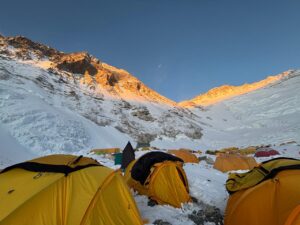
To enforce compliance more effectively, authorities have established a temporary field office directly at Everest Base Camp during the climbing season. This administrative presence allows officials to monitor activities in real time, check permits, and ensure that only authorized personnel are occupying the base camp at night.
The field office serves as both a deterrent and an enforcement tool. Trekking agencies and individual trekkers now know that their activities are being directly observed and documented by government representatives stationed on-site.
Warnings and Consequences for Violators
The Department of Tourism has made it unambiguously clear: strict action will be taken against any trekking agency or individual found violating these regulations. This messaging aims to discourage further attempts to circumvent the rules and signals that the government is serious about enforcement.
Penalties for rule violations could range from substantial fines to license revocation for trekking operators, depending on the severity and frequency of infractions. For individual trekkers, consequences might include deportation or legal proceedings.
Why This Matters for Everest Trekking
For legitimate Everest trekking operators and responsible tourists, this enforcement action is ultimately positive. It levels the playing field by preventing unscrupulous agencies from gaining a competitive advantage through rule-breaking. It also protects the base camp environment from overcrowding and ensures that the area remains properly managed.
The Everest Base Camp trek remains one of Nepal’s premier Everest trekking experiences, attracting tens of thousands of visitors annually. These visitors contribute significantly to local economies and Nepal’s tourism sector. However, this popularity also creates pressure to bend the rules, which is precisely why government oversight is necessary.
Moving Forward
Trekking companies operating in the Everest region should review their package offerings and marketing materials to ensure full compliance with mountaineering regulations. Those promoting unauthorized overnight stays risk penalties and reputational damage that could harm their long-term business viability.
For travelers planning an Everest trek, choosing a reputable trekking agency that operates within legal parameters ensures a safer, more ethical experience. The standard Everest Base Camp trek, which typically culminates in a daytime visit to the base camp before descending, remains the appropriate and legally sanctioned way to experience this remarkable destination.
At Everest Hikes, we take full responsibility for respecting and adhering to all rules and regulations established by Nepal’s authorities. We firmly believe that operating within legal boundaries is not just an obligation – it’s essential for protecting the environment, maintaining the integrity of Everest trekking, and ensuring the best possible experience for our clients. Our Everest trekking packages are designed and operated in complete compliance with mountaineering regulations, and we do not engage in any unauthorized practices such as offering overnight stays at Everest Base Camp outside of permitted parameters. By choosing Everest Hikes, trekkers can be confident that they’re supporting a responsible operator committed to sustainable and ethical tourism in the Everest region.
Nepal’s government is committed to maintaining the integrity of Everest trekking as a sustainable tourism activity. By enforcing existing regulations and establishing visible monitoring infrastructure, authorities are taking the right steps to protect both the environment and the long-term reputation of Nepal’s tourism industry.