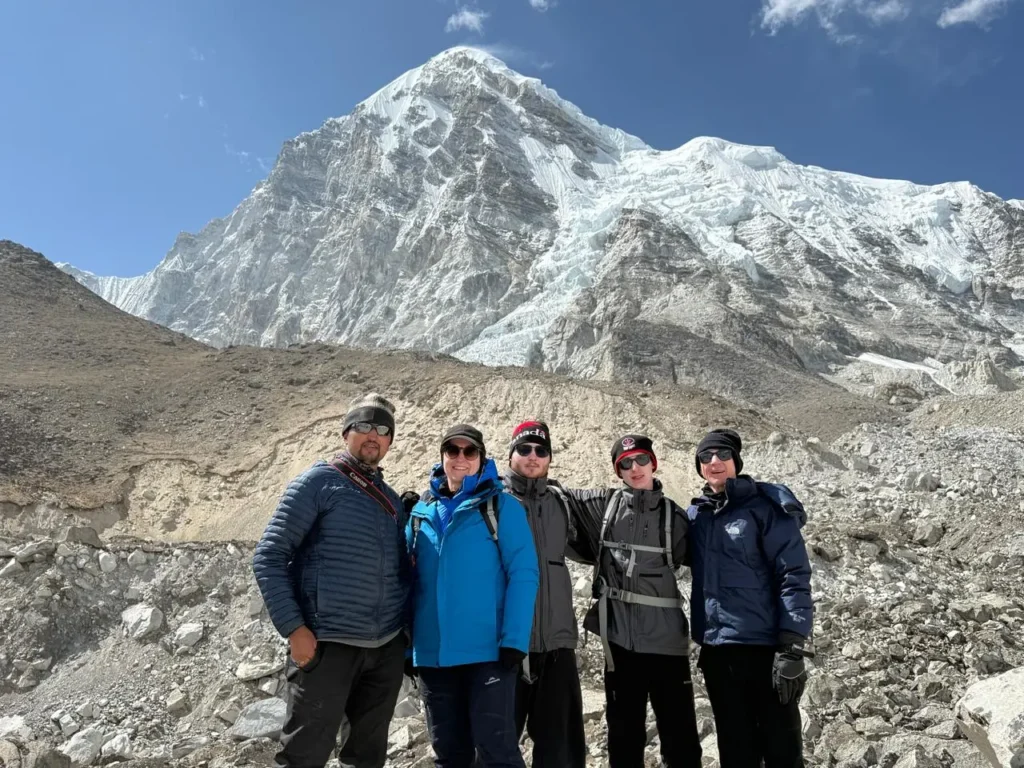
Overview of Both Treks
Dreaming of trekking in the Himalayas? The two most talked-about treks in Nepal are the Manaslu Circuit Trek and the Everest Base Camp Trek but they’re worlds apart in terms of challenge, crowds, cost, and experience.
The Everest Base Camp Trek is the world-famous “gateway to Everest.” It’s shorter, well-established, and attracts trekkers from every corner of the globe. If you want to stand at the base of the world’s highest mountain with thousands of others cheering you on, this is it.
The Manaslu Circuit Trek, nicknamed the “New Annapurna,” is the road less traveled after Sirdibas Village. It loops around the eighth-highest mountain in the world through pristine, untouched terrain. Here, you’re more likely to see a Himalayan musk deer than another trekking group.
The million-dollar question: Which one is right for you?
Let’s break it down.
Key Differences at a Glance
| Aspect | Manaslu Circuit Trek | Everest Base Camp Trek |
| Distance | 177 km (110 miles) | 130 km (80 miles) |
| Duration | 18–21 days | 12–14 days |
| Highest Point | Larke Pass (5,160 m / 16,929 ft) | Kalapathhar (5,555 m / 18,225 ft) |
| Max Daily Climb | 800–1,000 m | 600–800 m |
| Starting Altitude | 900 m (2,952 ft) | 2,840 m (9,317 ft) at Lukla |
| Difficulty Level | Very Hard (terrain) | Hard (altitude) |
| Average Daily Walking | 6–7 hours | 5–6 hours |
| Trekkers Per Year | ~1,000–2,000 | 30,000+ |
| Permits Needed | 4 permits (TIMS, MCAP, ACAP, Restricted Area) | 3 permits (TIMS, Sagarmatha, Khumbu entrance) |
| Solo Trekking | Banned (guide required) | Allowed (but not recommended) |
| Best Seasons | Spring & Autumn only | Year-round (Spring & Autumn preferred) |
| Crowd Level | Quiet, peaceful | Busy, popular |
| Estimated Cost | $1,400–$2,200 USD | $1,200–$2,000 USD |
Difficulty & Fitness Level: Which Is Harder?
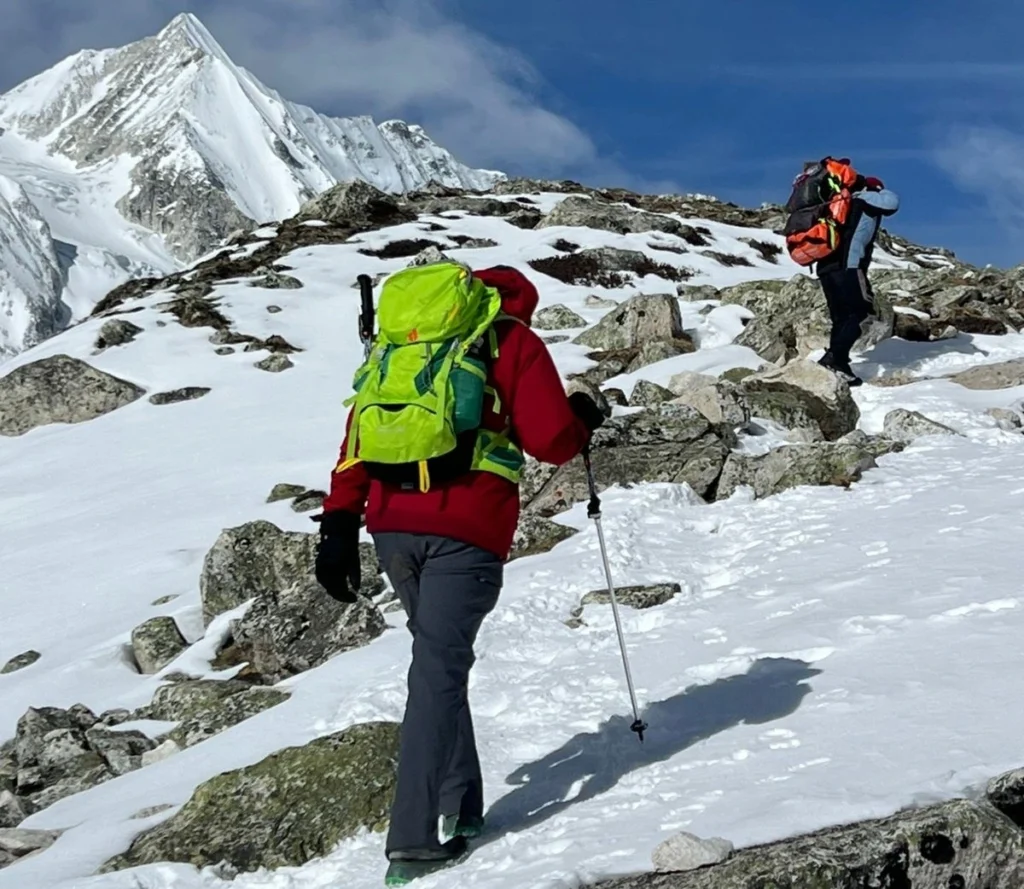
This is where many trekkers get confused because the answer depends on what kind of fitness you have.
Manaslu Circuit Trek: The Terrain Monster
Manaslu is physically harder in almost every way.
Why?
- Rougher terrain: Steep, uneven trails with loose rocks, wooden bridges, and switchbacks that feel endless
- Longer daily walks: 6–7 hours per day for 18–21 days straight
- Steeper climbs: Some days involve 1,000m of elevation gain
- Exposure to elements: Remote areas mean limited shelter from sudden weather changes
- Cumulative fatigue: The distance adds up; by day 15, your legs will know it
Fitness requirement: You need solid cardiovascular fitness. Think: comfortable running 5 km without stopping, or hiking 8+ hours on weekends. If you can walk 5+ hours daily without major discomfort, you’re in the ballpark.
Best for: Experienced trekkers, strong hikers, people who’ve done multi-day mountain treks before.
Everest Base Camp Trek: The Altitude Monster
EBC is technically easier in terms of terrain, but altitude is the silent enemy.
Why it’s challenging:
- Rapid altitude gain: You fly to Lukla at 2,840m—higher than many people have ever been. On day 1, you’re already at altitude
- Thinner air: At 5,555m (Kalapathhar), oxygen is 50% less available than sea level
- Altitude sickness risk: Headaches, nausea, sleep disruption are common, even in fit people
- Daily elevation gain: Consistent 600–800m climbs can trigger “mountain sickness” if you ascend too fast
- Shorter timeframe: Less time for your body to acclimatize compared to Manaslu’s gradual ascent
Fitness requirement: You don’t need to be a mountain athlete. People aged 8–80 have successfully completed EBC. The real requirement is patience with altitude acclimatization—listen to your body, drink water, don’t rush.
Best for: People with good general fitness, anyone who’s hiked before, those afraid of altitude sickness (because acclimatization stops work better than pushing harder).
The Verdict on Difficulty
- Manaslu is harder for: legs, endurance, and mental toughness
- EBC is harder for: lungs, acclimatization, and patience
If you’re unsure, choose EBC: it’s more forgiving for first-time trekkers.
Scenery & Experience: What Will You Actually See?
Both treks are visually stunning, but in completely different ways.
Manaslu Circuit: Raw Himalayan Beauty
Manaslu takes you through six different climatic zones in 177 km. Here’s what unfolds:
- Days 1–3: Lush subtropical forests along the Budi Gandaki River with rhododendron and pine trees
- Days 4–9: Alpine meadows, mountain villages untouched by mass tourism, views of Mt. Manaslu, Annapurna II, Ganesh Himal
- Days 10–12: The dramatic trek to Larke Pass crossing rocky terrain, glaciers, and high-altitude desert
- Days 13–18: Descent through forests and farmland toward the Annapurna region
What makes it special: You feel like an explorer, not a tourist. The views are equally stunning but feel earned because of the difficulty. Prayer flags flutter in the wind, ancient monasteries (Pungyen Gompa, Lho Gompa) appear suddenly around corners, and you might go hours without seeing another trekker.
Wildlife potential: Himalayan musk deer, snow leopards (rare), Himalayan wild boar, golden eagles.
Everest Base Camp: Iconic Mountain Gazing
EBC is a more famous experience, which has a different appeal.
- Days 1–2: Fly into Lukla, hike through rhododendron forests to Phakding
- Days 3–4: Climb to Namche Bazaar (the “Sherpa capital”), your first stunning view of Everest appears
- Days 5–8: Trek to Tengboche, passing Ama Dablam (one of the most photogenic mountains on Earth), acclimatize at Dingboche
- Days 9–10: Final push to EBC and Kalapathhar – surrounded by Everest, Lhotse, Nuptse, Makalu all at once
- Days 11–12: Descend back to Lukla
What makes it special: You’re following in the footsteps of Sherpas and mountaineers. The culture is more accessible (Namche Bazaar has hot showers, good restaurants, WiFi). The final views of Everest never disappoint. Seeing the world’s highest mountain in person is genuinely awe-inspiring.
Wildlife potential: Himalayan tahr, musk deer, snow pigeons, lammergeiers (Himalayan vultures).
Which Scenery Wins?
Manaslu: Raw, untamed, more diverse landscapes, fewer tourists blocking your photos.
EBC: More iconic peaks, more accessible culture, better photography opportunities because of the crowd (groups help with altitude acclimatization).
Crowd & Trekking Atmosphere: Solitude vs. Community
This is perhaps the biggest practical difference between the two.
Manaslu: You’ll Trek Alone (Mostly)
- Daily trekker count: 10–30 people on the entire trail (on peak season days)
- Lodging situation: You’ll often be one of only 2–3 groups in a teahouse
- Vibe: Peaceful, meditative, intimate. You hear yourself think
- Social downside: Less support if something goes wrong; limited lodging choices means earlier starts and later finishes to secure rooms
- Photography: You get clear shots of mountains, trails, and villages without 50 tourists in the background
Best for: Introverts, people seeking solitude, photographers, experienced trekkers who want a “wilderness” experience.
Everest Base Camp: The Popular Highway
- Daily trekker count: 300–800 people on the trail (peak season)
- Lodging situation: Namche Bazaar feels like a hiking town in Europe – cafes, tourists, background noise
- Vibe: Friendly, social, energetic. You meet trekkers from everywhere and swap stories nightly
- Social advantage: Strong community support; if you’re struggling, other trekkers and guides check on you; Sherpas are experienced with altitude problems
- Photography: Crowded but iconic – you’ll get THE shots, just with other people sometimes in frame
- Logistics: Easier to find last-minute accommodation, guides, gear
Best for: First-time trekkers, social people, those wanting community support, anyone nervous about mountain trekking.
The Crowd Reality Check
If the thought of trekking solo makes you anxious – Choose EBC If crowds stress you out – Choose Manaslu
Cost Comparison: Budget Breakdown
Both treks are affordable by developed-world standards, but costs vary significantly based on:
- Guide quality
- Accommodation choices (budget vs. mid-range lodges)
- Food (local vs. imported items)
- Season (peak = higher prices)
Manaslu Circuit Trek: Estimated Cost
| Category | Budget (USD) | Mid-Range (USD) |
| Permits | $250–$350 | $250–$350 |
| Guide & Porter (18–21 days) | $600–$800 | $900–$1,200 |
| Accommodation (teahouse/lodge) | $150–$250 | $250–$400 |
| Food | $200–$300 | $300–$450 |
| Transport (Kathmandu to/from trek) | $150–$200 | $150–$200 |
| Pre-trek preparation & misc. | $100–$150 | $150–$250 |
| TOTAL | $1,450–$2,050 | $2,000–$2,850 |
Money-saving tips:
- Trek during shoulder season (Feb–March, Oct–Nov) for lower prices
- Group treks are cheaper than private ones
- Eat local food (dal bhat, lentils and rice costs $2–3)
Everest Base Camp Trek: Estimated Cost
| Category | Budget (USD) | Mid-Range (USD) |
| Permits | $50–$80 | $50–$80 |
| Flight to Lukla (round-trip) | $200–$300 | $200–$300 |
| Guide & Porter (12–14 days) | $400–$600 | $700–$1,000 |
| Accommodation (teahouse/lodge) | $120–$200 | $200–$300 |
| Food | $150–$250 | $250–$350 |
| Transport (Kathmandu to/from Lukla) | $100–$150 | $100–$150 |
| Pre-trek preparation & misc. | $100–$150 | $150–$200 |
| TOTAL | $1,120–$1,730 | $1,650–$2,380 |
Why Manaslu costs more:
- More permits required
- Longer trek (more food, guide wages)
- More remote = fewer budget lodges
Why EBC is cheaper:
- Fewer permits
- Shorter duration
- More competition = lower guide prices
- More budget-friendly teahouses
Verdict: EBC is usually $200–$400 cheaper, but Manaslu offers better value for the experience (fewer crowds, more pristine landscapes).
Accommodation & Food: What Are You Actually Sleeping In?
This matters more than you’d think, especially on a 12–21 day trek.
Manaslu Circuit: Rustic & Authentic
Accommodation:
- Lodge quality: Basic to mid-range teahouses with twin beds, blankets, and shared bathrooms
- Amenities: No hot water (water is heated in kettles), no WiFi, pit toilets (standard for remote areas)
- Rooms: You’ll likely have a roommate or be in a dormitory
- Reality check: These are simple, clean places—think “mountain hostel,” not “hotel”
- Best lodges: Samagaon, Samdo have slightly nicer options; higher altitude lodges are more basic
Food:
- Daily meals: Breakfast (porridge, eggs, bread), lunch (packed sandwich or eaten at teahouse), dinner (dal bhat, noodles, vegetable curry)
- Cost: Meals are cheap ($3–$5 per meal) because everything is local
- Food safety: Generally safe; boil water is always offered
- Dietary restrictions: Vegetarian food is standard; vegans should communicate with guides ahead of time
- Energy: Calorie-dense meals are important; don’t skip meals even if you’re not hungry
What to expect: Simple, wholesome food that refuels you for the next day. Not gourmet, but authentic.
Everest Base Camp: Comfort & Options
Accommodation:
- Lodge quality: Budget to upmarket teahouses; Namche Bazaar has real hotels with hot showers
- Amenities: Hot water available (yak-dung-heated or electric), WiFi in Namche and Tengboche, flush toilets in populated areas
- Rooms: Mix of private and shared rooms; more choice than Manaslu
- Reality check: Still basic mountain lodges, but with more convenience
- Best lodges: Namche has excellent mid-range options; Dingboche and Tengboche have nice guesthouses
Food:
- Daily meals: Similar to Manaslu (dal bhat, noodles, eggs) plus more imported options (pizza, pasta—yes, really)
- Cost: Similar ($3–$5 per meal), but imported food items are more expensive
- Food safety: Very safe; most kitchens are professional
- Dietary restrictions: Easy to accommodate due to higher trekker volume
- Energy: More food variety helps with appetite; people often eat better on EBC
What to expect: Simple to decent meals, with more variety and comfort than Manaslu.
Accommodation Verdict
Manaslu: More rustic, authentic, character-filled lodges. You’re truly “roughing it” (in the best way). EBC: More comfortable, with better food variety. You won’t sacrifice as much convenience.
For first-timers: EBC’s slightly higher comfort level helps with acclimatization and morale.
Accessibility & Logistics: Getting There & Back
Both treks require getting to Nepal first, then navigating mountain logistics.
Manaslu Circuit: Overland Adventure
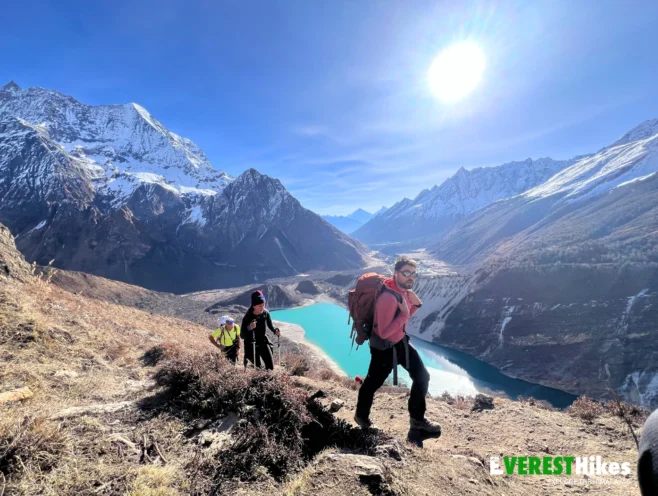
Getting to the trek:
- Fly into Kathmandu (international airport)
- Scenic 6–8 hour drive from Kathmandu to Machha Khola (starting point)
- Trek for 18–21 days
- Drive 4–5 hours from Tal (ending point) back to Kathmandu
Advantages:
- No risky mountain flights
- Scenic drive through Nepal’s countryside
- Road is generally reliable (even in rain)
Disadvantages:
- Long car journey is tiring (but also an adventure)
- Takes longer overall (add 2 days for driving)
- Less comfortable vehicles on mountain roads
Helicopter evacuation: Possible but difficult due to remote terrain; medical care is 4+ hours away.
Everest Base Camp: Flight-Dependent
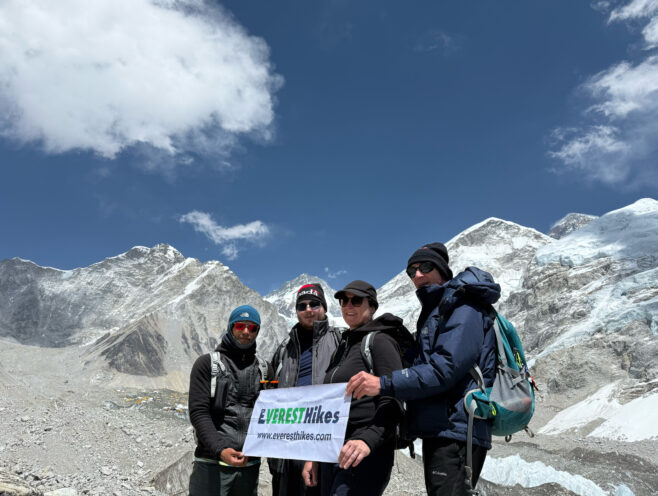
Getting to the trek:
- Fly into Kathmandu (international airport)
- Fly from Kathmandu to Lukla (45 minutes)—this is critical
- Trek for 12–14 days
- Fly from Lukla back to Kathmandu (45 minutes)
Advantages:
- Shorter total time commitment
- Quicker start to trekking
- Helicopter evacuation is much faster (40-minute flight to hospital)
Disadvantages:
- Flight delays are common: Lukla airport has unpredictable weather; flights cancel frequently
- Extra cost: Flight is $200–$300 per person round-trip
- Weather risk: If flights are cancelled on your last day, you might miss your international flight
- Altitude shock: Landing at 2,840m can trigger mild altitude sickness on day 1
Helicopter evacuation: Established and relatively quick (40 minutes to hospital).
Accessibility Logistics
- For Manaslu: Better for people with flexible schedules (no flight risk). Requires patience for long drives.
- For EBC: Better for people on tight schedules (unless flights cancel then you’re stuck). Flight costs add up, but time is saved.
- Pro tip: Build 2–3 buffer days into your EBC itinerary in case of flight cancellations.
Permits & Regulations: Bureaucratic Reality Check
Both treks require paperwork, but Manaslu is significantly more restrictive.
Manaslu Circuit Trek: Four Permits Required
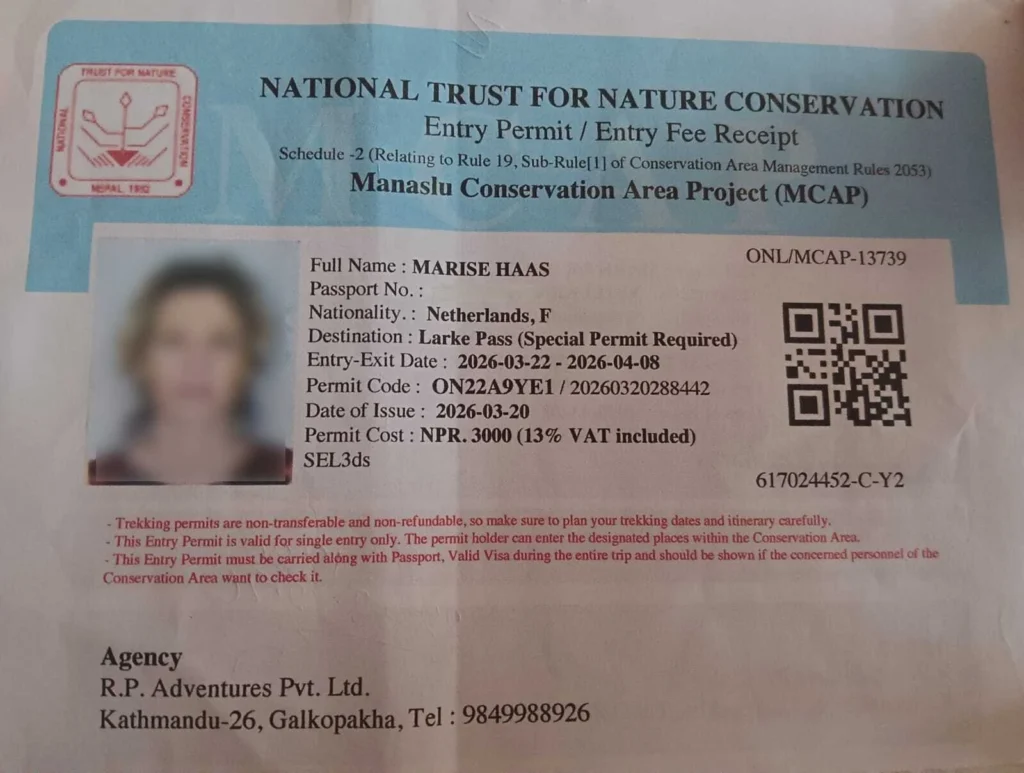
You cannot trek without these permits:
- Trekker’s Information Management System (TIMS) Card ($20)
- Required for all treks in Nepal
- Issued by Nepal Tourism Board in Kathmandu or trekking agencies
- Takes 1 day to obtain
- Manaslu Conservational Area Permit (MCAP) ($75)
- Specific to Manaslu region
- Protects the wildlife and forests
- Annapurna Conservational Area Permit (ACAP) ($40)
- Required because you enter the Annapurna region on the descent
- Protects the lower forests
- Restricted Area Permit ($120)
- This is the big one—Manaslu was closed to foreigners until 1999
- Still restricted; only available through licensed trekking agencies
- This permit requires you to trek with a guide (no solo trekking allowed)
Total permit cost: $255–$350
Important: You cannot obtain permits independently; you must book through a registered trekking company. This ensures guide hiring and conservation contributions.
Everest Base Camp Trek: Three Permits Required
- Trekker’s Information Management System (TIMS) Card ($20)
- Same as Manaslu
- Sagarmatha National Park Permit ($30)
- Everest sits inside the national park
- Standard protection for the region
- Khumbu Pasang Lhamu Rural Municipality Entrance Card ($20)
- Local community benefit
- Fairly new requirement (as of 2024)
Total permit cost: $70–$100
Important: Solo trekking is technically allowed, but guides are strongly recommended for safety, acclimatization support, and cultural guidance.
Permit Comparison
| Aspect | Manaslu | EBC |
| Total Permit Cost | $255–$350 | $70–$100 |
| Solo Trekking | Banned | Allowed (not recommended) |
| Guide Requirement | Mandatory | Optional |
| Booking Through | Licensed agency only | Licensed agency recommended |
| Hassle Factor | High (4 permits) | Low (3 permits) |
Bottom line: Manaslu is heavily regulated to protect the region. This adds cost but ensures sustainable tourism and supports local communities.
Best Time to Trek: Seasons Explained
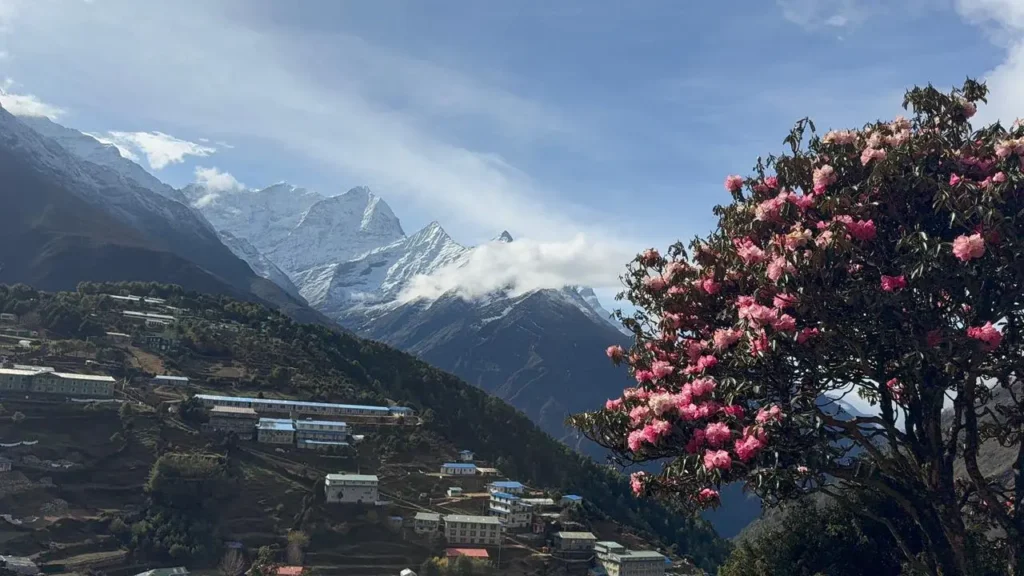
When you trek affects your experience drastically.
Manaslu Circuit: Spring & Autumn Only
- Weather: Clear skies, mild temperatures, rhododendrons blooming
- Views: Excellent mountain visibility
- Crowds: Moderate (500–1,000 trekkers)
- Temperature: 15–20°C during day, 0–5°C at night
- Best for: First-timers; rhododendron lovers
- Cost: Peak pricing
Autumn (September–November):
- Weather: Crisp, stable, clear skies
- Views: The BEST visibility of the year
- Crowds: Moderate to high
- Temperature: 10–15°C during day, -5 to 0°C at night
- Best for: Photography, experienced trekkers
- Cost: Peak pricing
Winter (December–February):
- Why it’s not recommended: Extreme cold (-15°C at passes), heavy snow, limited lodges open, very isolated
- Only for: Experienced mountaineers with cold-weather gear
Monsoon (June–August):
- Why it’s banned: Landslides, overflowing rivers, collapsed bridges, leeches, constant rain
- Literally not possible: Trails wash away
Verdict: Manaslu has a short trekking window – only 4–5 months per year.
Everest Base Camp Trek: Year-Round (But Spring/Autumn Preferred)
Spring (March–May):
- Weather: Warmer, clear skies
- Views: Excellent
- Crowds: Very high (10,000+ trekkers)
- Temperature: 10–15°C during day, -5 to 0°C at night
- Best for: Reliable, well-supported trek
- Cost: Peak pricing
Autumn (September–November):
- Weather: Perfect—stable, clear, crisp
- Views: The best visibility of the year
- Crowds: Very high (10,000+ trekkers)
- Temperature: 5–10°C during day, -10 to -5°C at night
- Best for: Photography, trekkers with limited time
- Cost: Peak pricing
Winter (December–February):
- Weather: Cold but often clear; fewer tourists
- Views: Clear (less haze)
- Crowds: Very low (2,000–3,000 trekkers)
- Temperature: 0–5°C during day, -15 to -10°C at night
- Best for: Solitude seekers, people wanting fewer crowds
- Cost: Lower pricing
- Downside: Shorter daylight hours, cold nights, some lodges closed
Monsoon (June–August):
- Weather: Daily rain in afternoons, misty mornings
- Views: Obscured by clouds
- Crowds: Very low
- Temperature: 10–15°C, high humidity
- Best for: Budget trekkers, those seeking solitude
- Cost: Low pricing
- Downside: Cloud cover means few mountain views
- Upside: Many lodges stay open; leeches are manageable with proper clothing
Verdict: EBC is trekked year-round, with clear seasons favoring spring/autumn for views.
Season Comparison Table
| Season | Manaslu | EBC | Best for |
| Spring | Good | Best | Rhododendrons, clear skies, crowds |
| Autumn | Best | Best | Photography, stability, views |
| Winter | Closed | Possible | Cold-weather experience, solitude |
| Monsoon | Banned | Possible | Budget travelers, fewer crowds |
Pro tip: If you want the “best” experience with clear views, both prefer Autumn (September–November). Spring is busier but also excellent.
Which Trek Should You Choose? A Decision Framework
Here’s how to actually decide based on your situation:
Choose Everest Base Camp If You:
This is your first big trek – EBC is the “training ground”; lower permit stress, established logistics
You’re nervous about altitude – EBC’s slower pace and built-in acclimatization days help
You want community & support – Crowded = more help if something goes wrong
You have limited time – EBC is 12–14 days vs. Manaslu’s 18–21 days
You want iconic photos – Everest, Ama Dablam, Lhotse are instantly recognizable
You prefer comfort – Hot showers in Namche, better food options
You’re on a tighter budget – EBC costs $200–$400 less overall You’re traveling solo – Solo trekking is allowed (though guides recommended)
You don’t want mountain flight stress – Less risk of flight cancellations affecting you if you build buffer days
Choose Manaslu Circuit If You:
You’re an experienced trekker – You’ve done 5+ multi-day treks You crave solitude – Quiet trails, minimal crowds, true wilderness
You want authentic local culture – Fewer tourists = deeper village interactions
You’re physically very fit – Rough terrain and long daily walks don’t scare you
You love off-the-beaten-path adventures – Bragging rights for trekking somewhere special
You want diverse landscapes – Six climatic zones = constant scenery changes
You’re willing to “rough it” – Basic lodges, no WiFi, pit toilets don’t bother you You have 3+ weeks free – The longer trek doesn’t feel rushed You’re interested in conservation – Permits directly protect the region
The Honest Truth
70% of first-time trekkers often choose EBC. It’s forgiving, well-established, and genuinely life-changing.
Manaslu is for the 30% who have done similar treks and want something wilder.
If you’re still unsure: Ask yourself this question:
- “Would I rather have a comfortable, iconic experience?” → EBC
- “Would I rather have a wild, authentic, lesser-known experience?” → Manaslu
Why Choose Everest Hikes Pvt Ltd
At Everest Hikes Pvt Ltd, we’re not just another trekking company. We’re a team of Nepali mountaineers, guides, and local experts with decades of combined Himalayan experience.
What sets us apart:
Local Expertise
You Can Trust We’re based in Nepal, not a foreign booking company. Our guides are trained professionals who know these trails intimately—not seasonally hired staff. We’ve guided thousands of trekkers safely through both Manaslu and EBC, and we know every teahouse, every weather pattern, every acclimatization challenge.
Ethical Trekking Practices
We believe in sustainable tourism. We pay guides and porters fairly (well above minimum wage), support local communities through lodge partnerships, and enforce environmental practices. When you trek with us, your money directly helps Sherpa and local families.
Transparent, All-Inclusive Pricing No hidden costs
Our quotes include permits, guide, porter (if needed), accommodation, meals, and emergency support. We’ll never surprise you with “extras” at the end.
Safety-First Approach
Every guide carries first-aid kits. We acclimatize properly, monitor for altitude sickness, and maintain emergency communication (satellite phone on Manaslu, radio on EBC). We have a medical evacuation protocol tested annually.
Hassle-Free Logistics
Visa on arrival in Nepal? We’ll explain it. Flight to Lukla cancelled? We have backup plans. Permit paperwork confusing? We handle everything. you just show up.
Real Support, Real People Call, email, WhatsApp, we respond. You’re trekking with a company that cares about your experience before, during, and after.
Ready to book your Himalayan adventure? Contact us for a free consultation to discuss which trek is right for you.
Conclusion: Your Himalayan Awaits
The Everest Base Camp Trek and the Manaslu Circuit Trek are two of the world’s greatest trekking experiences but they’re different journeys for different adventurers.
EBC is the proven classic: iconic, well-supported, and achievable for almost anyone with determination. Manaslu is the hidden gem: wild, authentic, and rewarding for those seeking adventure beyond the crowds.
There’s no “wrong” choice. Both will change you.
The question isn’t which trek is “better”-it’s which aligns with who you are as a trekker and traveler.
- Are you a first-timer seeking iconic views? → EBC
- Are you a veteran seeking wilderness? → Manaslu
- Are you somewhere in between? → Either works; flip a coin and trust your gut
Whatever you choose, make sure you:
- Train properly for 8–12 weeks beforehand
- Hire a reputable guide (experience matters)
- Acclimatize properly (don’t rush the altitude)
- Respect the mountains and local communities
- Travel with a company that shares your values
The Himalayas aren’t going anywhere. Whether it’s EBC, Manaslu, or another trek entirely, go. Your adventure is waiting.
Let Everest Hikes Pvt Ltd help you plan it.