The Annapurna Base Camp trek isn’t a walk in the park, but it’s not Everest either. If you’re wondering whether you can handle it, the short answer is: probably yes – if you prepare properly.
Sitting at 4,130 meters in the heart of Nepal’s Annapurna region, this trek offers one of the most rewarding Himalayan experiences without demanding technical climbing skills or extreme fitness. That said, it’s not casual. You’ll climb stone staircases that seem to go on forever, walk 5–7 hours daily through forests and villages, and sleep in basic teahouses while your body adjusts to thinner air.
The Annapurna Base Camp trek is rated moderate to moderately challenging. It’s doable for beginners with decent fitness, but it requires preparation, mental resilience, and respect for the altitude. This guide breaks down exactly what makes the trek difficult – and how to handle it.
Overall Difficulty Level of Annapurna Base Camp Trek
Let’s get specific. The ABC trek is considered moderate in difficulty. Here’s what that actually means:
- Maximum altitude: 4,130 meters (13,550 feet)
- Total trekking distance: Around 110–115 km (68–71 miles)
- Daily walking hours: 5–7 hours on average
- Trek duration: 7–12 days depending on your route and pace
- Technical skills required: None
- Terrain: Mix of forest trails, stone steps, suspension bridges, and alpine paths
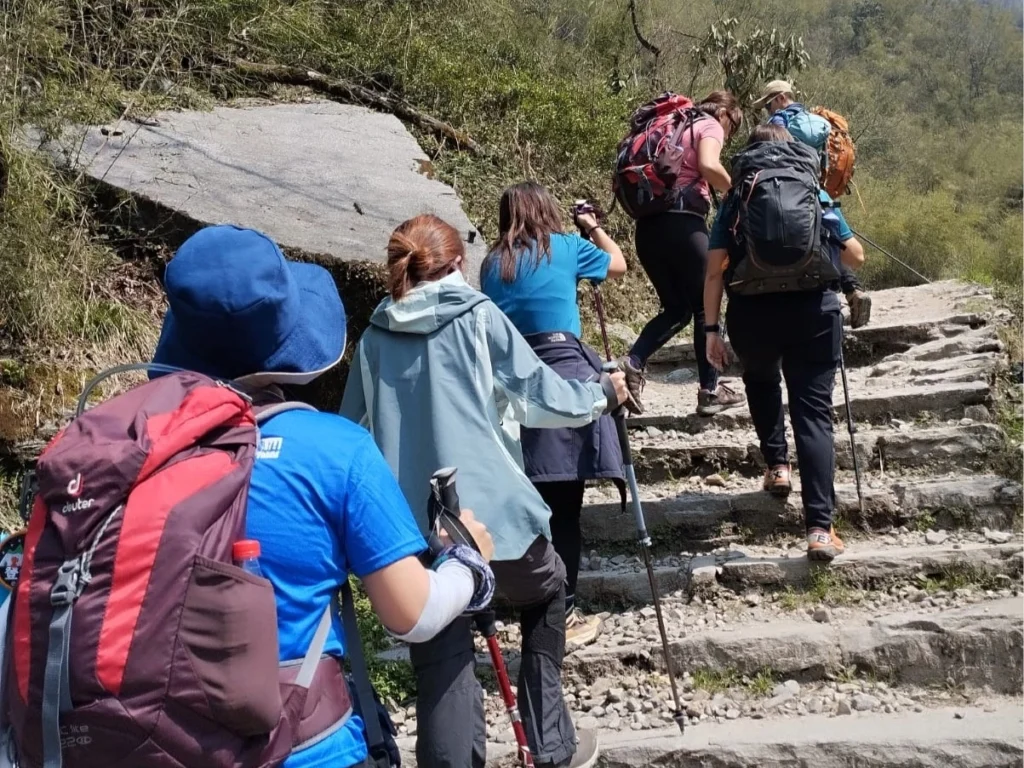
You won’t need ropes or crampons, but you will need stamina. The trek involves constant ups and downs, especially around villages like Ulleri and Chhomrong, where stone staircases can feel endless. The altitude gain is steady rather than sudden, which helps with acclimatization—but it’s still over 3,300 meters of elevation from start to finish.
Most trekkers complete it without major issues, but underestimating the daily grind or ignoring altitude symptoms can turn a great trek into a tough one.
Factors That Affect Annapurna Base Camp Trek Difficulty
Altitude and Acclimatization
Altitude is the biggest wildcard. You start around 1,000 meters and climb to 4,130 meters over several days. While that’s not extreme by Himalayan standards, it’s enough to cause altitude sickness if you rush.
Symptoms like headaches, nausea, and dizziness can appear above 2,500 meters. The good news? The standard ABC itinerary builds in gradual ascent. Many trekkers add a detour to Poon Hill (3,210 m) early on, which helps the body adjust.
Key tips:
- Walk slowly – “pole pole” as they say in the Himalayas
- Stay hydrated (3 – 4 liters of water daily)
- Don’t push through severe symptoms; descend if needed
Distance and Duration
The trek covers roughly 110 kilometers round-trip. That might not sound like much, but remember: you’re walking on mountain trails, not flat pavement. Daily distances range from 8–12 km, which takes 5–7 hours depending on terrain and your pace.
Shorter itineraries (7 – 8 days) are possible but involve longer daily hours and less recovery time. Longer itineraries (10 – 12 days) spread the effort and reduce the risk of burnout or altitude issues.
If it’s your first multi-day trek, go for the longer option. The mountains aren’t going anywhere.
Trail Conditions
The trail is well-maintained but varied. You’ll walk through:
- Subtropical forests (rhododendrons, bamboo) in the lower sections
- Steep stone staircases at villages like Ulleri and Chhomrong—these test your knees and patience
- Suspension bridges over rivers—exciting but unnerving if you’re not used to them
- Rocky alpine paths as you approach base camp
Expect uneven footing, especially after rain. Trekking poles help. So do sturdy boots with good ankle support.
Weather and Best Seasons
Weather can make or break the trek. Spring (March–May) and autumn (September–November) are ideal: clear skies, stable temperatures, and blooming rhododendrons in spring.
Monsoon (June–August) brings rain, leeches, and muddy trails. Winter (December–February) means snow, freezing nights, and potential trail closures at high altitude.
Trekking in the off-season is possible but harder. If you’re a beginner, stick to the peak seasons.
Annapurna Base Camp Trek Difficulty for Beginners
Can first-timers do the ABC trek? Absolutely. But here’s what you need to know.
The trek doesn’t require prior trekking experience, but it does require honesty about your fitness. If you can comfortably walk uphill for a few hours with a backpack, you’re already in the game. If climbing three flights of stairs leaves you winded, you’ll need to train.
The mental side is just as important. Multi-day treks involve discomfort: sore legs, cold nights, basic food, and no Wi-Fi for days. You need patience, adaptability, and a sense of humor when things don’t go as planned.
Beginners succeed on this trek all the time—with preparation, realistic expectations, and often a good guide.
For a detailed breakdown of the Annapurna Base Camp Trek and its suitability for beginner trekkers, read this guide.
Physical Fitness Required for ABC Trek
You don’t need to be an athlete, but you do need functional fitness. Here’s what helps:
- Cardiovascular endurance: Ability to walk uphill for hours without collapsing
- Leg strength: For climbing stairs and managing descents
- Core stability: For balance on uneven terrain
- Joint health: Knees take a beating, especially going downhill
Practical preparation:
- Start training 6–8 weeks before the trek
- Do long walks (2–4 hours) with a loaded backpack
- Climb stairs regularly—simulate the endless steps you’ll face
- Add squats, lunges, and planks to build strength
- If possible, practice hiking on uneven trails
If you’re reasonably active—regular walks, occasional hikes, gym sessions—you’re probably fine. If you’re sedentary, you’ll need to put in some work.
Comparison With Other Popular Nepal Treks
Annapurna Base Camp vs. Everest Base Camp
EBC Trek is longer (12–14 days minimum), higher (5,364 m), and more demanding. ABC is shorter, lower, and considered easier. If you’re debating between the two, ABC is a better first Himalayan trek.
Annapurna Base Camp vs. Ghorepani Poon Hill
Poon Hill Trek is much easier—lower altitude (3,210 m), shorter duration (4–5 days), and less physically demanding. It’s a great warm-up trek, but ABC offers far more dramatic scenery.
Annapurna Base Camp vs. Manaslu Circuit
Manaslu Trek is harder: higher passes (5,160 m), more remote, and fewer facilities. ABC is more accessible and beginner-friendly.
Common Challenges on Annapurna Base Camp Trek
1. The never-ending stairs
Villages like Ulleri have 3,000+ stone steps. Going up is exhausting; going down is hard on the knees. Trekking poles are your friend.
2. Cold temperatures
Nights at Annapurna Base Camp can drop below freezing. Teahouses provide blankets, but bring a warm sleeping bag rated for -10°C or lower.
3. Basic facilities
Forget hot showers and comfy beds. Teahouses are functional but basic. Squat toilets are common. Electricity is limited. You’re here for the mountains, not luxury.
4. Mental fatigue
Days blend together. Your body hurts. You miss home. This is normal. Bring a book, journal, or play cards with fellow trekkers.
How to Reduce Annapurna Base Camp Trek Difficulty
Choose a realistic itinerary
Don’t rush. A 10 – 12 day itinerary is better than a 7-day sprint, especially for beginners.
Trek in the best season
Spring and autumn offer the easiest conditions. Avoid monsoon and winter unless you’re experienced.
Hire a guide
Guides navigate, handle logistics, and provide support if you struggle. Porters carry your heavy gear, leaving you with just a daypack.
Acclimatize properly
Walk slowly, stay hydrated, and don’t skip rest days if you feel off.
Pack smart
Overpacking adds weight and misery. Stick to essentials: good boots, layers, rain gear, first aid, water purification.
Is Annapurna Base Camp Trek Worth the Effort?
Let’s be clear: yes.
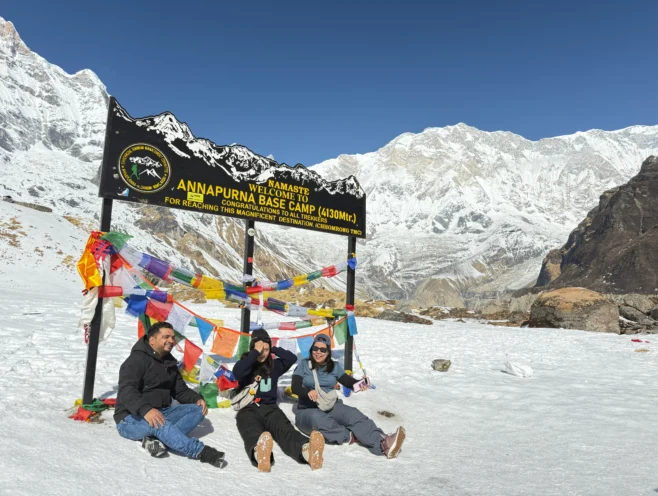
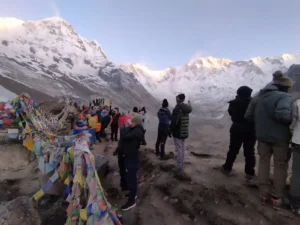
The trek takes you into a natural amphitheater surrounded by some of the world’s tallest peaks – Annapurna I (8,091 m), Machapuchare (6,993 m), Hiunchuli, and more. Sunrise at base camp, with golden light hitting the snow, is one of those moments that justifies every sore muscle.
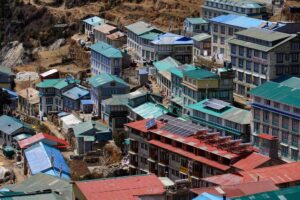
Beyond the views, you’ll walk through traditional Gurung and Magar villages, experience Nepali hospitality in teahouses, and soak in natural hot springs at Jhinu Danda on the way back.
The effort is real, but so is the reward.
Final Verdict on Annapurna Base Camp Trek Difficulty
The Annapurna Base Camp trek is moderately difficult. It’s not easy, but it’s achievable for most people with decent fitness and proper preparation.
If you can walk for several hours, handle basic discomfort, and respect the altitude, you can do this trek. Train your legs, pack smart, choose a sensible itinerary, and go at your own pace.
Don’t let fear of difficulty stop you. Thousands of first-time trekkers complete ABC every year. With the right mindset and preparation, you’ll be one of them.
Explore the Annapurna Base Camp trek options we offer below: