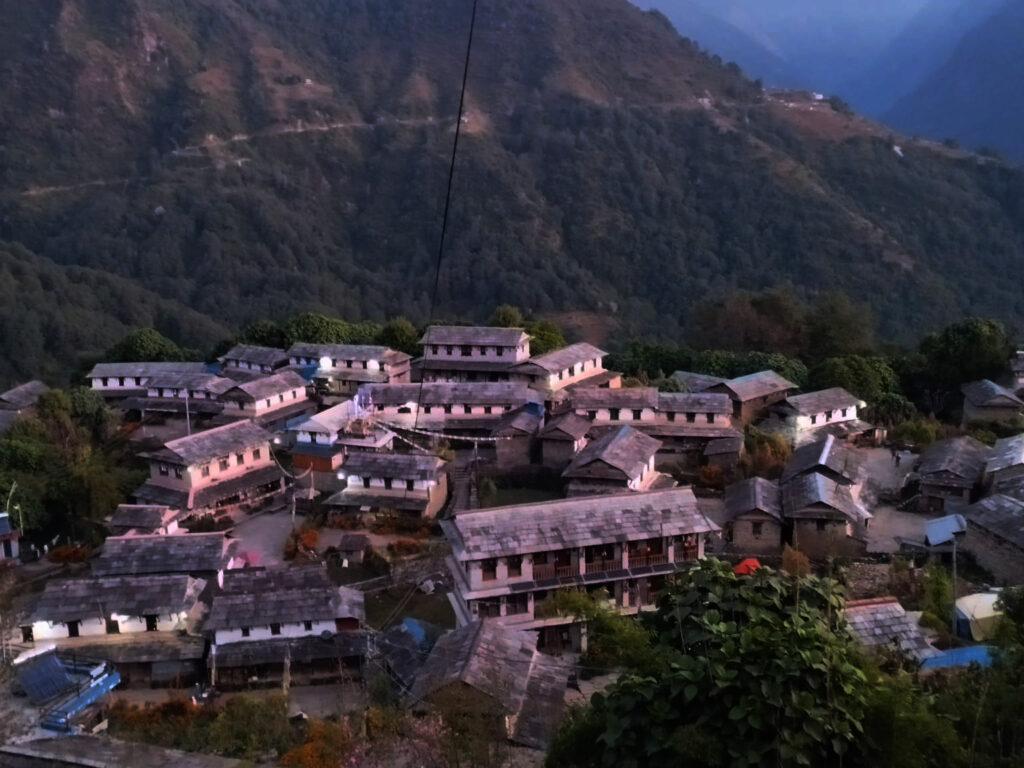
Picture this: winding cobblestone lanes flanked by centuries-old stone houses, prayer flags fluttering against a backdrop of snow-capped giants, and the warm smile of a Gurung grandmother inviting you in for butter tea. This is Ghandruk, where the soul of Nepal’s mountain culture beats strongest.
Nestled at 2,012 meters in the Annapurna foothills, this remarkable settlement offers something rare in today’s world – a living museum where ancient traditions thrive alongside modern trekking tourism. Whether you’re planning your first Himalayan adventure or you’re a seasoned mountain traveler, Ghandruk deserves a prominent place on your Nepal itinerary.
Getting Your Bearings: Where Exactly is Ghandruk?
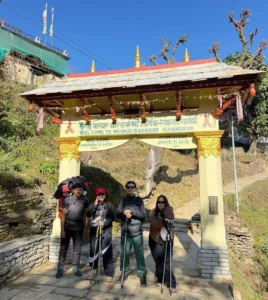
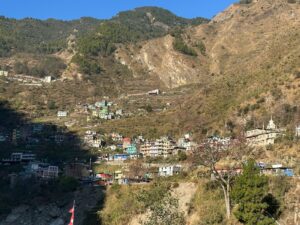
Situated roughly 32 kilometers northwest of Pokhara in the Kaski District, Ghandruk sits at a sweet spot elevation that balances accessibility with authentic mountain atmosphere. The village occupies a natural amphitheater of terraced hillsides, providing unobstructed panoramas of Annapurna South, the iconic pyramid of Machapuchare (Fishtail Mountain), Hiunchuli, and Gangapurna.
Many trekkers encounter Ghandruk as an overnight stop on classic routes like the Annapurna Circuit or Annapurna Sanctuary Trek. However, this settlement has earned its reputation as a standalone destination, perfect for travelers seeking a 2-3 day cultural immersion without committing to lengthy high-altitude expeditions.
The Living Heritage of the Gurung People
Warriors, Farmers, and Guardians of Tradition
The Gurung community forms the backbone of Ghandruk’s identity. Known throughout Nepal and beyond for their courage, Gurung men have served with distinction in Gurkha regiments for the British and Indian armies since the 19th century. Walk through any neighborhood here, and you’ll meet families whose members have defended borders from the Falklands to the Himalayas.
This military heritage hasn’t diminished the community’s agricultural roots. Terraced fields cascade down surrounding hillsides, growing staples like corn, millet, wheat, and potatoes through methods passed down across generations. Buffalo graze on steep pastures, goats navigate narrow trails, and chickens scratch in courtyards – reminders that this remains a working village, not merely a tourist attraction.
Architecture That Tells Stories
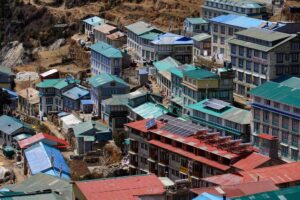
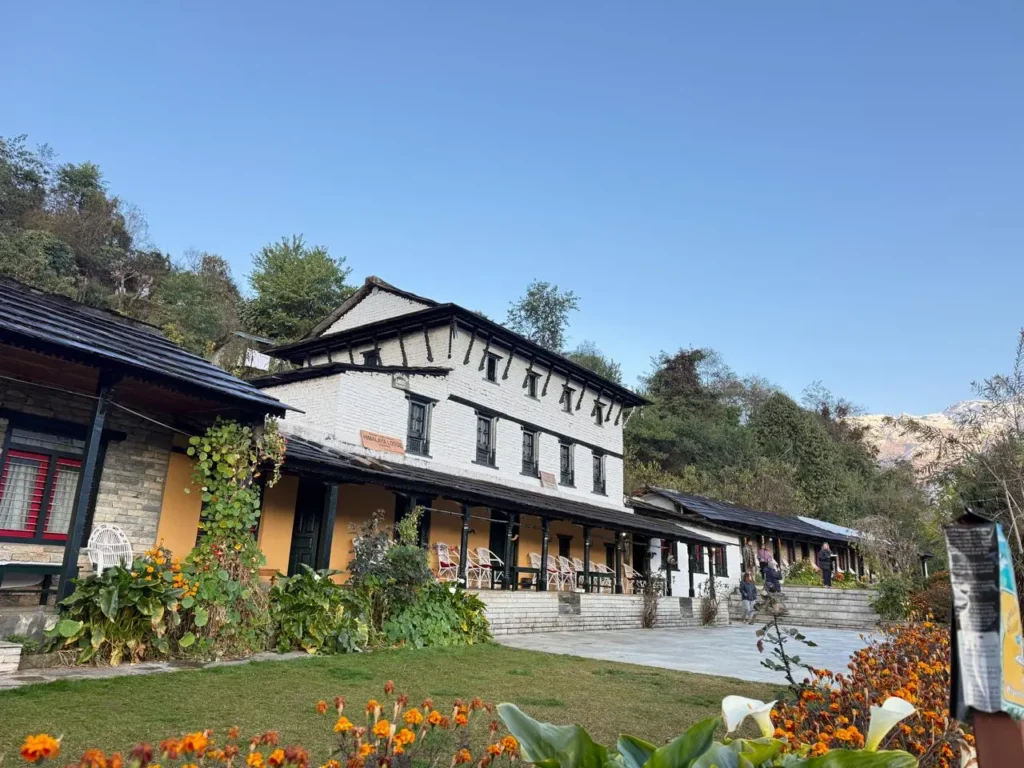
The architectural character of Ghandruk sets it apart from other mountain settlements. Traditional homes constructed from hand-hewn stone feature distinctive flat slate roofs that have weathered decades of monsoon rains and winter snows. The pathways connecting these dwellings were laid stone by stone, creating a labyrinth that rewards slow, observant exploration.
Modern guesthouses have sprouted to accommodate visitors, yet many families continue occupying ancestral homes, maintaining construction techniques that predate modern Nepal. This juxtaposition creates fascinating contrasts – you might stay in a comfortable lodge equipped with solar showers while your host family lives next door in a 200-year-old structure.
Celebrations and Cultural Expressions
The rhythm of village life follows both agricultural seasons and cultural calendars. Tamu Lhosar, the Gurung New Year celebration, transforms the community each winter with vibrant processions, traditional drum performances, and feasting that welcomes both residents and visitors.
Cultural dances like Ghatu and Chudka come alive during festivals, performed in elaborate costumes that represent generations of artistic tradition. These aren’t staged performances for tourists—they’re genuine expressions of community identity, though guests who happen to visit during celebration periods are warmly included.
What Makes Ghandruk an Essential Himalayan Experience
Panoramic Mountain Theater
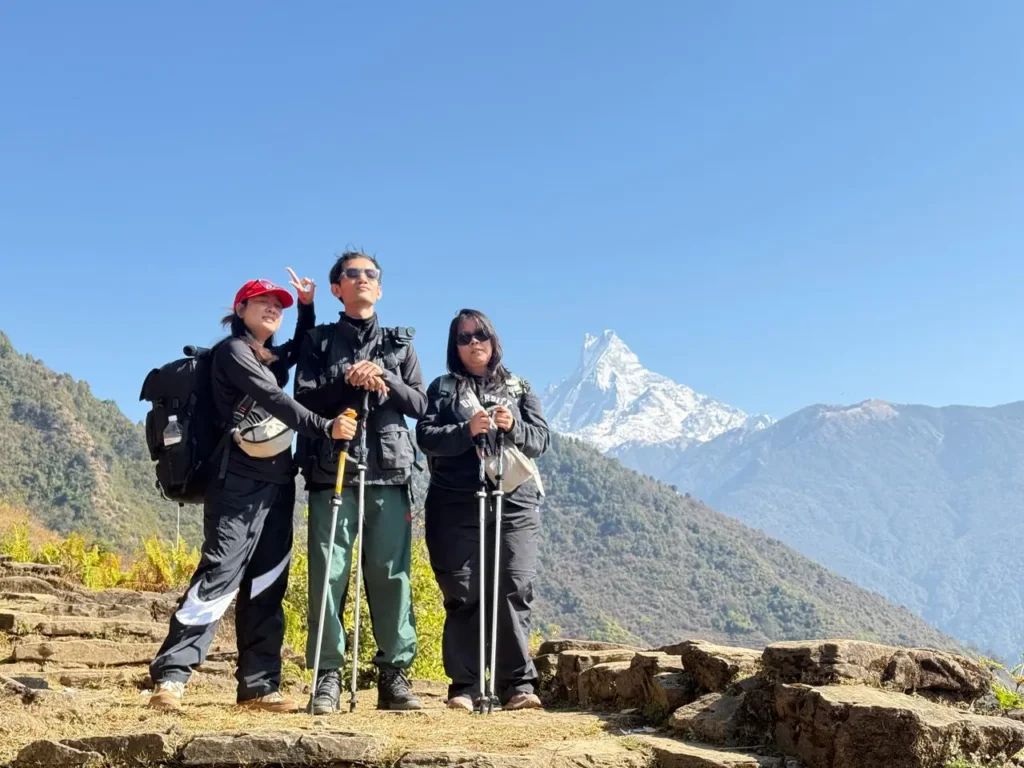
Few settlements in Nepal offer such generous mountain vistas from the comfort of village streets. Annapurna South dominates the northern skyline, while Machapuchare’s distinctive fishtail summit creates an unmistakable landmark. Hiunchuli rounds out the triumvirate of peaks visible from most viewpoints.
Dawn and dusk transform these mountains into something transcendent. The first light paints Annapurna’s flanks in shades of rose and gold, while sunset casts purple shadows across snowfields. Even seasoned mountain travelers find themselves setting alarms for pre-dawn viewings.
Homestays That Bridge Cultures
Among Ghandruk’s greatest assets are its homestay opportunities. Staying with a Gurung family provides insights no guidebook can match. You’ll wake to the sounds of buffalo being milked, help prepare traditional meals, and perhaps learn a few words of Gurung language over cups of sweet milk tea.
The food alone justifies a homestay experience. Dal bhat—the ubiquitous Nepali combination of rice, lentils, and vegetable curries—reaches sublime heights when prepared by skilled local cooks. Sample dhido, a dense porridge made from millet or buckwheat flour, or try gundruk soup, a fermented green vegetable dish that’s an acquired taste with devoted fans.
Strategic Position on Classic Trek Routes
Ghandruk functions as a natural hub connecting several of Nepal’s most celebrated trekking itineraries:
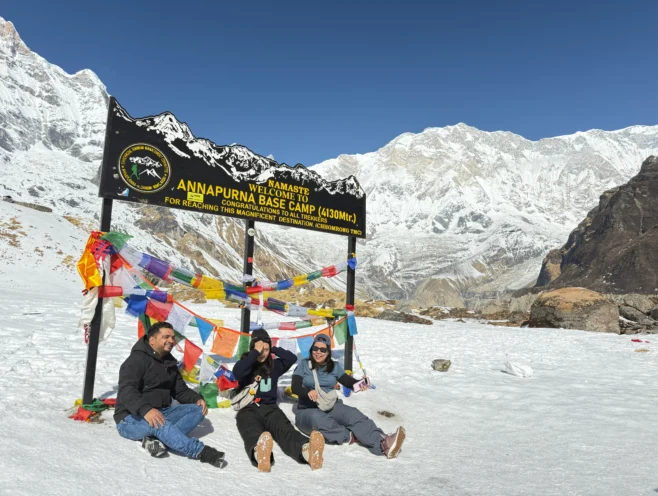
Annapurna Base Camp Trek: Many groups spend their first or final night here when traveling to or from the sanctuary at 4,130 meters.
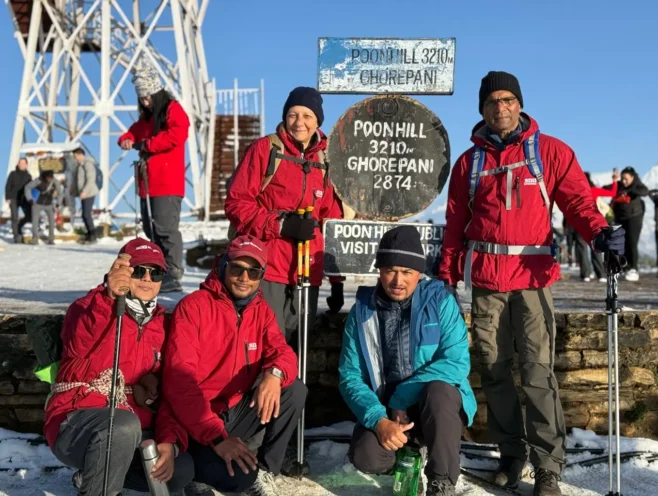
Ghorepani Poon Hill Loop: This accessible circuit often includes Ghandruk as either a starting point or conclusion.
Short Ghandruk Circuit: For those with limited time, a standalone loop visiting Ghandruk, Landruk, and surrounding villages offers a condensed Annapurna experience.
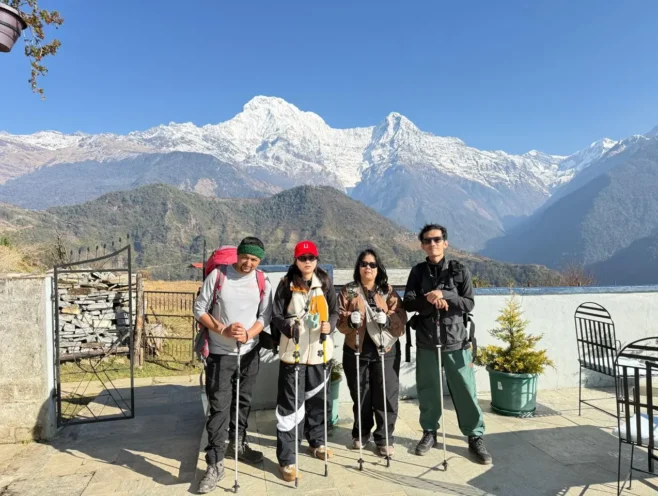
This positioning means you’ll encounter a diverse mix of travelers—from gap-year backpackers to retirement-age trekkers, from guided groups to independent adventurers.
Cultural Immersion Opportunities
Beyond simply observing mountain life, Ghandruk offers participatory experiences. Some lodges and community organizations arrange traditional dance performances where visitors can try on Gurung attire and learn basic steps. Photography enthusiasts will find willing subjects among elderly villagers in traditional dress, though always ask permission respectfully.
The Gurung Museum, though modest in scale, provides valuable context. Displays include traditional weapons, agricultural implements, ceremonial objects, and historical photographs that illuminate how the community has evolved while maintaining core values.
How to Get to Ghandruk: Your Complete Transportation Guide
Getting to Ghandruk involves a combination of road travel and, optionally, trekking. The journey itself offers scenic rewards and sets the tone for your mountain experience. Here’s everything you need to know about reaching this beautiful village.
Starting Point: Kathmandu or Pokhara
From Kathmandu
Most travelers first reach Pokhara, Nepal’s adventure capital, before heading to Ghandruk. You have three main options:
- Tourist Bus (6-7 hours): Comfortable coaches depart Kathmandu’s tourist bus station daily, costing NPR 800-1,500. These buses stop for meals and photo opportunities along the Prithvi Highway.
- Local Bus (7-8 hours): Budget-friendly option at NPR 500-700, though less comfortable and more crowded. Departs from Kathmandu’s main bus park.
- Private Car/Jeep (5-6 hours): Most comfortable but pricier at NPR 12,000-18,000 for the vehicle. Worth considering if you’re traveling in a group of 3-4 people.
- Flight (25-30 minutes): Daily flights connect Kathmandu and Pokhara for USD 100-150. Perfect if you’re short on time or want to avoid long road journeys.
From Pokhara to Ghandruk
Once in Pokhara, you have several transportation choices depending on your budget, time, and preference for adventure.
Option 1: Road to Kimche, Then Trek (Most Common)
Pokhara to Kimche by Vehicle
This mixed approach gives you the best of both worlds—saving time on the initial journey while preserving the trekking experience.
How it works:
- Shared jeeps depart from Pokhara’s Baglung Bus Park throughout the morning
- Journey takes 3-4 hours depending on road conditions and traffic
- Cost: NPR 800-1,200 per person in shared jeep
- Private jeep: NPR 8,000-12,000 for entire vehicle (seats 6-8 people)
- Route follows the Pokhara-Baglung Highway, then branches toward Kimche
What to expect: The road climbs through terraced farmland and scattered villages. Conditions vary—portions are paved while others remain gravel. During monsoon season, occasional landslides may cause delays. The scenery more than compensates for any discomfort, with views of the Modi Khola valley and surrounding hills.
Kimche to Ghandruk Trek
From Kimche’s roadhead, a well-maintained stone trail climbs steadily to Ghandruk:
- Distance: Approximately 3 kilometers
- Duration: 1-2 hours depending on your pace
- Elevation gain: About 400 meters
- Difficulty: Moderate uphill but manageable for most fitness levels
The path winds through rhododendron forest and offers your first glimpses of the Annapurna range. Tea shops along the way provide rest stops if needed. Porters are available in Kimche if you prefer not to carry your pack (NPR 1,500-2,500 for the short haul).
Option 2: Direct Jeep to Ghandruk Village
Advantages and Considerations
For those with limited mobility, heavy luggage, or late arrival times, direct jeeps now reach Ghandruk village itself.
Details:
- Cost: NPR 2,000-3,500 per person (private jeep NPR 10,000-15,000)
- Time: 4-5 hours from Pokhara
- Road quality: Rough, unpaved track for the final section
- Availability: More limited than Kimche jeeps; book through your hotel or trekking company
Important notes:
- The final approach involves bumpy, narrow roads with steep drops
- During monsoon, this route may become impassable
- Not all drivers are willing to make the full journey—confirm beforehand
- Vehicle quality matters—older jeeps struggle with the rough sections
Option 3: Trekking from Nayapul (Traditional Route)
The Classic Trekking Approach
Many consider this the authentic way to reach Ghandruk, building anticipation through gradual immersion in mountain landscapes.
Pokhara to Nayapul:
- Distance: 42 kilometers
- Transport: Shared jeep or bus
- Cost: NPR 400-600 per person
- Duration: 1.5-2 hours
- Departure point: Pokhara’s main bus park or arranged through your hotel
Nayapul to Ghandruk Trek:
Day 1: Nayapul to Tikhedhunga or Ulleri
- Trekking time: 3-4 hours
- Route: Pass through Birethanti (permit checkpoint), follow the Modi Khola river
- Overnight: Comfortable tea houses in Tikhedhunga or climb further to Ulleri
- Elevation: 1,070m to 1,540m (Tikhedhunga) or 1,960m (Ulleri)
Day 2: Tikhedhunga/Ulleri to Ghandruk
- Trekking time: 4-5 hours
- Route: Ascend through terraced fields, forests, and small settlements
- The final approach to Ghandruk includes stunning mountain views
- Elevation: End at 2,012m in Ghandruk village
What makes this route special:
- Gradual acclimatization if you’re continuing to higher elevations
- Interaction with local villagers in smaller settlements
- Varied terrain keeping the walk interesting
- Suspension bridge crossings over rushing rivers
- Sense of arrival and accomplishment reaching Ghandruk on foot
Option 4: Alternative Trekking Routes
Via Phedi, Dhampus, and Landruk
Less crowded alternative for those seeking quieter trails:
- Start from Phedi (30 minutes from Pokhara by taxi)
- Trek to Dhampus village (2-3 hours)
- Continue to Landruk (3-4 hours)
- Final stretch to Ghandruk (2-3 hours)
- Total: 2-3 days of moderate trekking
This route offers different perspectives of the Annapurna range and passes through charming Gurung and Magar villages with their own distinct cultures.
Via Australian Camp
For panoramic sunrise enthusiasts:
- Drive to Kande (1 hour from Pokhara)
- Trek to Australian Camp viewpoint (1 hour)
- Continue to Landruk via Pothana and Dhampus
- Reach Ghandruk on day 2 or 3
Choosing the Right Option for You
Choose road to Kimche + short trek if:
- You have limited time but want some trekking experience
- You’re arriving late in the day
- You want to save energy for exploring Ghandruk itself
- You’re traveling with children or elderly family members
Choose direct jeep if:
- Physical limitations make trekking difficult
- You’re carrying heavy or bulky equipment
- Weather conditions make trails hazardous
- You’re on an extremely tight schedule
Choose full trekking route if:
- You want the complete Himalayan approach experience
- You’re acclimatizing for higher altitude treks
- You enjoy multi-day hiking adventures
- You prefer gradual immersion in mountain culture
Choose alternative routes if:
- You want to avoid the most trafficked trails
- You’re interested in visiting multiple villages
- You have extra days and enjoy exploration
- You’re combining Ghandruk with a longer circuit
Practical Transportation Tips
Booking and Timing:
- Morning departures from Pokhara work best, giving full daylight for travel
- Book jeeps the evening before through your Pokhara hotel
- During peak season (October-November, March-April), arrange transport 2-3 days ahead
- Shared jeeps leave when full – private vehicles offer schedule flexibility
What to Bring for the Journey:
- Motion sickness medication if you’re prone to car sickness
- Water and snacks (limited stops on jeep routes)
- Warm layer for early morning departures
- Small daypack if trekking, larger bags can go on vehicle roof
Road Conditions Reality Check:
- Expect dust, bumps, and sharp turns
- Roads may be blocked temporarily during monsoon
- Journey times are estimates—buffer extra time
- Nepalese mountain roads require patience and flexibility
Hiring Porters or Guides
Even for the short walk from Kimche to Ghandruk, you can hire support:
Porters:
- Cost: NPR 1,500-2,500 for Kimche-Ghandruk
- Find them waiting at the Kimche roadhead
- Useful if you’re carrying heavy camera equipment or supplies
Guides:
- Cost: NPR 2,500-4,000 per day
- Arrange through trekking companies in Pokhara
- Valuable for cultural insights and navigation on longer routes
- Required by some travel insurance policies
Remember, hiring local porters and guides directly supports village economies and provides employment to mountain communities.
Essential Permits and Documentation
Annapurna Conservation Area Permit (ACAP)
No exceptions exist for this requirement—every foreign visitor to Ghandruk needs an ACAP. The permit system funds conservation efforts, trail maintenance, and community development projects throughout the region.
Current Costs:
- Foreign nationals: NPR 3,000 (approximately USD 22-25)
- SAARC country citizens: NPR 1,000
Where to Obtain:
- Nepal Tourism Board offices in Kathmandu or Pokhara
- Through registered trekking agencies before your trek begins
- Permit checkpoint at Birethanti (though advance acquisition is recommended)
Carry passport photos and your actual passport when applying. Processing typically takes 15-30 minutes when done independently.
Local Municipality Fees
Rural municipal checkpoints may collect small entrance fees (NPR 100-300) that support local infrastructure and services. These informal fees vary by season and checkpoint, so carry small denomination bills.
Timing Your Visit for Optimal Conditions
Spring Season (March through May)
This period ranks among the most visually spectacular times in the Annapurna region. Rhododendron forests explode into bloom, painting entire hillsides in shades of red, pink, and white. Temperatures warm steadily, making layering easier and eliminating the bitter cold of winter.
Visibility remains excellent most days, providing clear shots of the surrounding peaks. The downside? Spring’s popularity means crowded trails and fuller guesthouses, particularly in April. Book accommodations ahead if possible.
Autumn Season (September through November)
Post-monsoon clarity creates the year’s finest mountain views. The air feels scrubbed clean, humidity drops significantly, and temperatures hover in comfortable ranges for trekking. This represents peak season throughout Nepal’s mountains, meaning well-trodden trails and social evenings at tea houses.
October particularly attracts international visitors, leading to accommodation crunches in popular villages. The tradeoff—lively communal atmosphere and reliable weather—appeals to many travelers despite the crowds.
Winter Months (December through February)
Cold weather thins the visitor numbers substantially, offering solitude-seekers a different kind of Himalayan experience. Clear skies persist through much of winter, though temperatures plummet after sunset. Mornings bring frost to upper elevations, and snow occasionally dusts the village itself.
Pack seriously warm layers if visiting in winter. Daytime temperatures may feel pleasant in the sun, but nights demand down jackets, warm sleeping bags, and appreciation for hot tea.
Monsoon Period (June through August)
Summer rains transform the landscape into vibrant green, and wildflowers carpet meadows. However, clouds shroud mountains most days, trails turn muddy and potentially hazardous, and leeches become unwelcome hiking companions.
This season suits visitors prioritizing cultural experience over mountain views, or those who genuinely love lush landscapes and don’t mind getting wet. Accommodation prices often drop, and you’ll have villages largely to yourself.
Activities and Experiences Not to Miss
Wandering Without Agenda
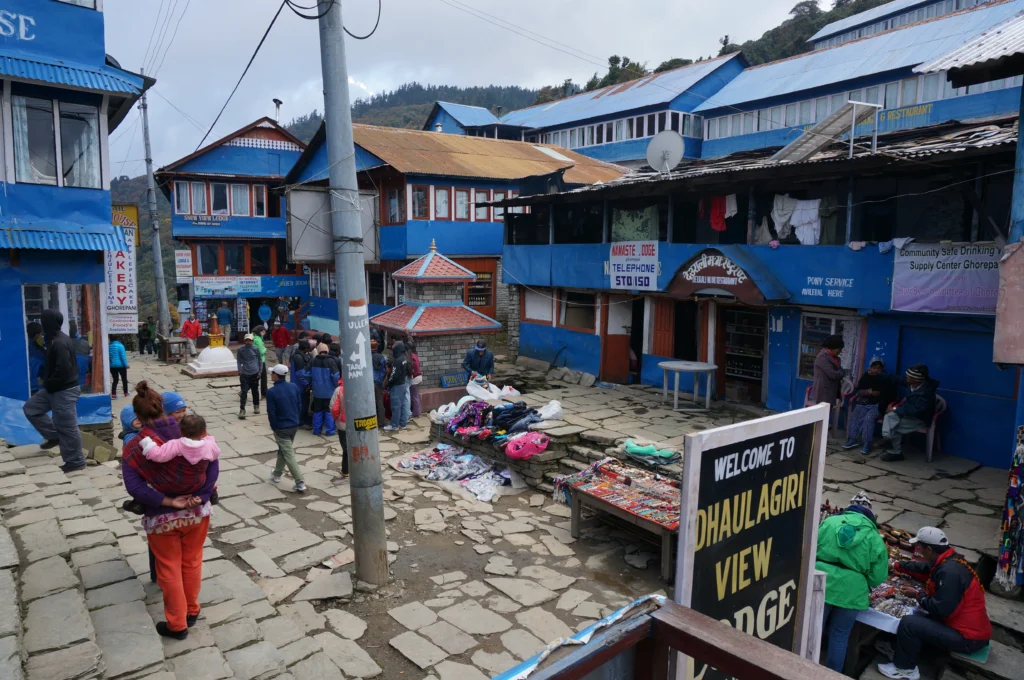
The simple act of walking Ghandruk’s stone pathways provides unexpected rewards. Turn down random alleys to discover hidden courtyards, stumble upon shrines draped with prayer flags, or watch artisans weaving traditional textiles on wooden looms.
Photography opportunities abound in this environment. The interplay of light on stone walls, the geometry of terraced fields, elderly faces weathered by decades of mountain sun—each corner presents new compositions.
Homestay Cultural Exchange
Booking a family homestay rather than a standard lodge fundamentally changes your Ghandruk experience. Participate in daily rhythms—perhaps help harvest vegetables, learn to make sel roti (traditional rice donuts), or simply share stories over the kitchen fire.
Language barriers rarely prevent meaningful connection. A combination of broken English, hand gestures, and genuine curiosity bridges most gaps. These interactions often become the most treasured memories long after mountain views fade from immediate recall.
Museum Visit and Historical Context
Allocate an hour for the Gurung Cultural Museum to understand the community’s evolution. Exhibits include traditional farming tools, ceremonial attire, weapons carried by Gurkha soldiers, and household items that illustrate pre-modern mountain life.
Informative displays (mostly in English) explain Gurung cosmology, marriage traditions, and the community’s relationship with surrounding ethnic groups. Entry fees directly support museum maintenance and cultural preservation efforts.
Sunrise and Sunset Vigils
Set your alarm ridiculously early at least once during your stay. Position yourself at a viewpoint as darkness yields to predawn light, then watch alpenglow progress across Annapurna South’s face. The temperature differential between night and dawn can be shocking—bring every warm layer you packed.
Sunset offers a warmer alternative for those resistant to early rising. The western-facing aspects of the village provide excellent vantage points as fading light paints the peaks in progressively deeper shades.
Community Interaction and Learning
Strike up conversations with local residents when opportunities arise naturally. Many villagers, particularly younger generations educated in English-medium schools, enjoy discussing their culture with genuinely curious visitors.
Ask about topics like seasonal migration patterns, changing agricultural practices, or how tourism has affected traditional lifestyles. Most people appreciate sincere interest and respond with candor about both positive changes and challenges their community faces.
Why Ghandruk Stands Apart
Numerous Himalayan villages welcome trekkers, so what distinguishes Ghandruk from alternatives? Several factors combine to create its unique appeal.
Accessibility balanced with authenticity: Close enough to Pokhara for weekend trips, yet sufficiently removed to maintain genuine mountain character.
Infrastructure without overwhelm: Enough lodges and amenities for comfortable stays, but not so developed that it feels commercialized.
Cultural preservation: Active efforts to maintain Gurung traditions despite increasing tourism pressure.
Gateway versatility: Functions equally well as a destination in itself or springboard for extended treks.
Community-based tourism: Many homestays and lodges remain family-owned, keeping tourism revenue within the community.
For travelers allocating limited time in Nepal, Ghandruk delivers disproportionate value—genuine cultural exposure, stunning natural scenery, and comfortable facilities within reach of Pokhara’s resources.
Extending Your Adventure: Side Trips from Ghandruk
Landruk Village (2-3 hours)
This neighboring Gurung settlement shares similar cultural characteristics while offering different mountain perspectives. The trail descends to cross the Modi Khola river via suspension bridge before climbing to Landruk’s terraced slopes. Views toward Annapurna South and Hiunchuli rival those from Ghandruk itself.
Jhinu Danda Hot Springs (4-5 hours)
Natural thermal springs beside the Modi Khola provide muscle-soothing relief for tired trekkers. The trail descends through forest to reach riverside hot spring pools. Many visitors combine this destination with ABC treks, stopping for a therapeutic soak on the return journey.
Tadapani (3-4 hours uphill)
This ridge-top village sits higher than Ghandruk, accessible via scenic trail through rhododendron and oak forest. Tadapani offers exceptional sunrise views and serves as a junction point for multiple trekking routes. The uphill climb challenges fitness but rewards effort generously.
Ghorepani and Poon Hill (2 days via Tadapani)
Arguably Nepal’s most famous sunrise viewpoint, Poon Hill (3,210m) provides panoramic vistas spanning Dhaulagiri to Annapurna. The standard approach from Ghandruk routes through Tadapani, requiring two trekking days. Budget an extra morning for the pre-dawn climb from Ghorepani to the viewpoint.
Annapurna Base Camp (5-7 days)
Ambitious trekkers can continue from Ghandruk all the way to Annapurna Sanctuary’s glacial amphitheater at 4,130 meters. This extension commits you to higher elevations, colder temperatures, and more challenging terrain, but rewards with intimate proximity to 7,000-meter peaks.
Local Village Loops (1-3 hours)
Shorter walks explore Ghandruk’s immediate surroundings without lengthy commitments. Trail networks connect nearby hamlets, agricultural areas, and viewpoints accessible within a half-day or less. These options suit acclimatization days or travelers who prefer gentle exploration.
Practical Considerations and Insider Tips
Budgeting for Your Visit
Ghandruk remains remarkably affordable by international standards:
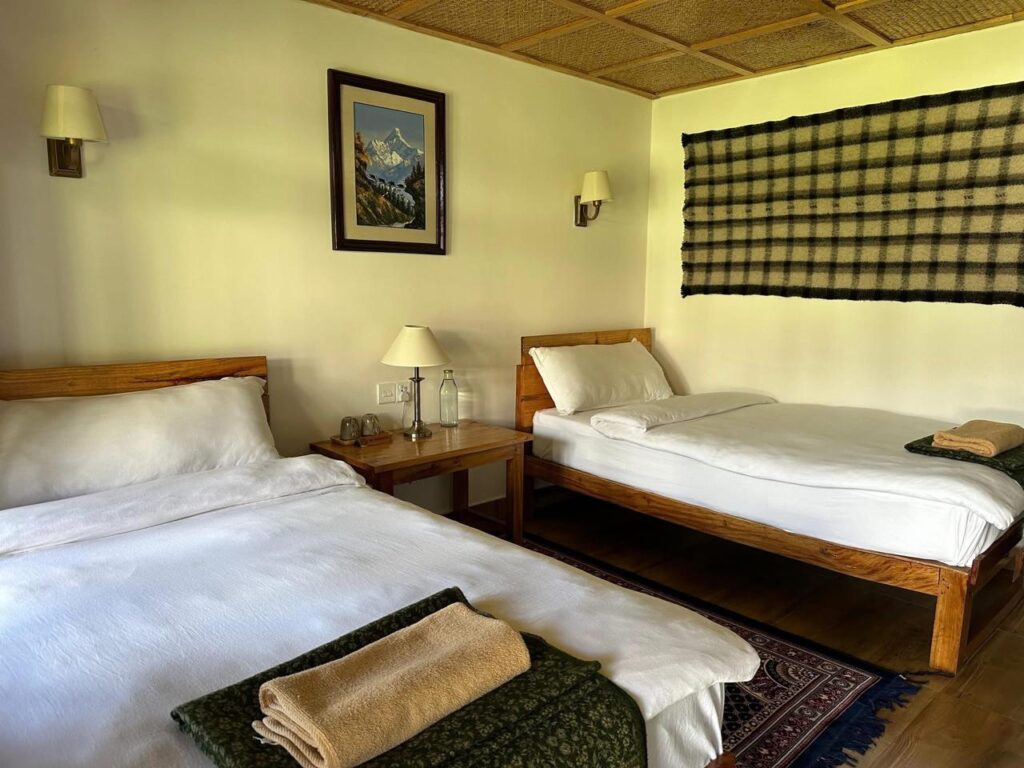
Accommodation: Basic teahouse beds start around NPR 300-500 per night. Homestays typically charge NPR 500-1,000 including meals. Upgraded lodges with attached bathrooms may cost NPR 1,500-2,500.
Food: Dal bhat typically costs NPR 500-800. Tea and snacks run NPR 50-200. Budget NPR 1,500-2,000 daily for three meals and beverages.
Transportation: Pokhara to Kimche jeep costs NPR 800-1,500 depending on private versus shared. Direct jeeps to Ghandruk run NPR 2,000-3,000 per person.
Permits: ACAP costs NPR 3,000, plus small local fees.
Total daily costs range from NPR 3,000-5,000 (USD 22-37) for budget travelers, while moderate spenders might allocate NPR 5,000-8,000 daily.
Packing Essentials
Clothing layers: Temperature swings demand versatility. Bring base layers, insulating mid-layers, and windproof outer shells.
Sturdy footwear: Stone pathways become slippery when wet. Proper trekking boots with ankle support prevent injuries.
Sun protection: High-altitude UV radiation intensifies, even on cloudy days. Pack sunscreen, lip balm, and sunglasses.
Basic medical kit: Include altitude sickness medication if planning higher routes, plus basics like bandages, pain relievers, and any personal prescription medications.
Electronics: Bring power banks as electricity can be intermittent. Most lodges offer charging for small fees.
Health and Safety Notes
Ghandruk’s moderate elevation rarely causes altitude problems, but listen to your body. Headaches or unusual fatigue suggest slowing your ascent.
Water safety matters—purification tablets, filters, or boiled water prevent intestinal distress that ruins trips. Most lodges sell bottled water, though refillable bottles reduce plastic waste.
Trail conditions vary seasonally. Monsoon months bring slippery hazards requiring extra caution. Winter ice on shaded sections demands careful foot placement.
Connectivity and Communication
Mobile signals reach Ghandruk, though reliability varies by provider (NCell generally works better than Nepal Telecom). Most lodges offer WiFi for a small daily fee, though speeds struggle with video calls or large uploads.
ATMs don’t exist in the village – withdraw sufficient cash in Pokhara. Some larger lodges accept cards, but assume a cash-only economy.
Why Book Through a Local Nepali Operator
While independent travel to Ghandruk is certainly feasible, partnering with an established local trekking company offers distinct advantages:
Logistics handled professionally: Transportation, permits, and accommodation bookings get managed by experienced teams.
Cultural insights amplified: Knowledgeable guides provide context that transforms sightseeing into genuine learning.
Safety net established: Should problems arise (illness, weather delays, route changes), local operators have resources to respond quickly.
Community benefit maximized: Reputable Nepali companies employ local staff, use community lodges, and ensure tourism benefits reach village families directly.
Sustainable practices: Experienced operators understand responsible tourism principles, minimizing environmental impact and respecting cultural sensitivities.
Flexibility with confidence: Want to extend your trek? Add rest days? Change routes? Local operators adjust itineraries smoothly.
For first-time Himalayan visitors especially, the knowledge and support of a professional local operator proves invaluable. You’ll travel with confidence, understand what you’re experiencing more deeply, and likely forge connections that outlast the trek itself.
Your Ghandruk Journey Awaits
Ghandruk represents Nepal at its finest – where natural grandeur meets cultural richness, where modern comfort coexists with ancient tradition, where visitors become not just observers but welcomed participants in mountain life.
Whether you spend two nights or use it as a base for week-long explorations, this remarkable village will likely claim a piece of your traveler’s heart. The stone pathways, the mountain views, the warmth of Gurung hospitality—these elements combine into experiences that camera rolls and journal entries only partially capture.
The mountains aren’t going anywhere, but your opportunity to experience them is finite. Why not make Ghandruk part of your Nepal story?
If you’re ready to explore this Himalayan gem with experienced local guides who know every trail, every family, and every hidden viewpoint, we’d be honored to help plan your journey. Reach out to discuss how we can craft a Ghandruk experience perfectly suited to your interests, timeline, and adventure spirit.
The question isn’t whether Ghandruk deserves a place on your Nepal itinerary. The question is simply: when will you go? 🙂