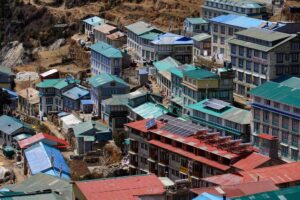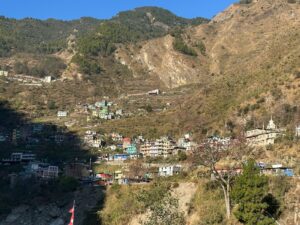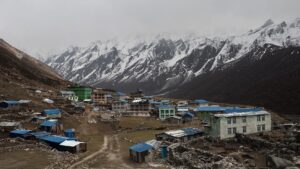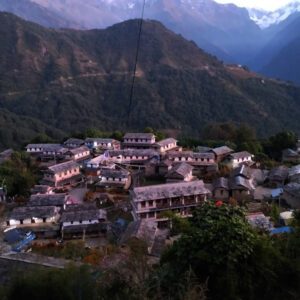
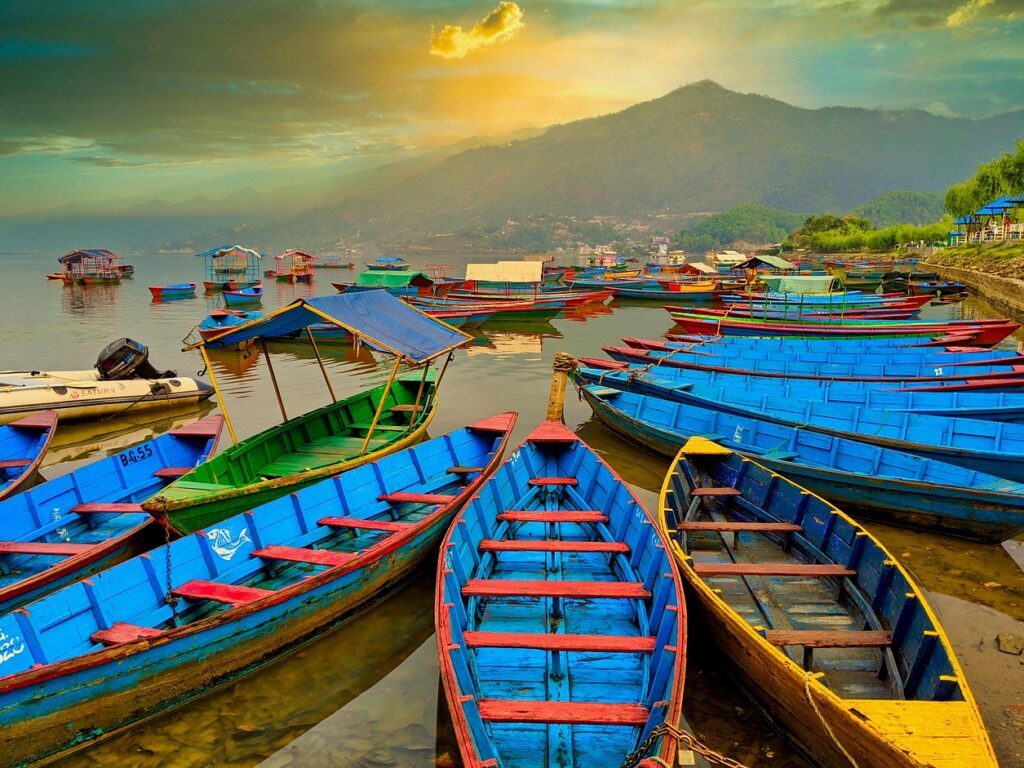
Nepal is a country that rewards every traveller differently but there is one destination that wins the heart of almost everyone who visits: Pokhara. Often called the tourist capital of Nepal, Pokhara is the country’s second most visited city after Kathmandu, and for many travellers, it becomes the most unforgettable stop on their entire journey. Where Kathmandu thrills with its temples, ancient alleys, and cultural intensity, Pokhara soothes and astonishes in equal measure with shimmering lakes, a gentle pace of life, and one of the most breathtaking Himalayan panoramas on the planet laid out right before your eyes.
Whether you are a solo backpacker, a honeymooning couple, a seasoned trekker, or a first-time visitor to Nepal, Pokhara has something extraordinary in store for you. At Everest Hikes, we consider it an essential destination and this guide will show you exactly why.
Where Is Pokhara and What Makes It Special?
Pokhara lies approximately 200 kilometres west of Kathmandu, nestled in a wide, fertile valley in the central hills of Nepal. It sits at a comfortable altitude of 800 metres above sea level, giving it a warm, subtropical climate that feels welcoming year-round especially after the thin air and hectic streets of the capital. Yet despite this modest elevation, Pokhara sits astonishingly close to some of the highest mountains in the world.
On a clear morning, the full arc of the Annapurna range dominates the northern horizon in a spectacular wall of snow and ice. Most striking of all is Mount Machhapuchhre – the sacred “Fishtail Mountain” — whose twin-finned peak rises to 6,993 metres and has never been officially summited, making it one of the most iconic and mysterious sights in all of Nepal. To the west, Dhaulagiri (8,167 m), the world’s seventh highest peak, anchors the panorama in glaciated grandeur. Few places on Earth offer such an immediate and dramatic encounter with the Himalayas from a low-altitude, easily accessible city.
This combination warmth, comfort, lakes, and Himalayan views all in one place is what makes Pokhara so uniquely compelling and so different from anywhere else in Nepal.
The Lakes of Pokhara: A City on the Water
Pokhara is often called the City of Lakes, and with good reason. Three beautiful natural lakes define the landscape of the valley, each with its own character and charm.
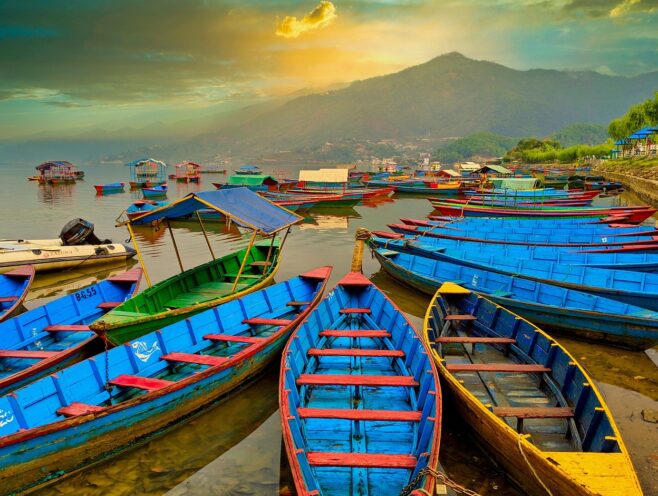
Phewa Lake is the beating heart of Pokhara. Nepal’s second-largest lake stretches across the southern edge of the city, its calm waters reflecting the Annapurna range and Machhapuchhre in near-perfect symmetry on still mornings. A wooden rowboat taken out at dawn, with the mountains mirrored in the water around you and silence broken only by the sound of oars, is one of those travel experiences you never quite forget. At the centre of the lake sits the Tal Barahi Temple, a small Hindu shrine on an island that is both a place of active worship and a picture of peaceful beauty. Along the lakeside, the famous Lakeside district (Baidam) has grown into a lively strip of cafes, restaurants, hotels, gear shops, and rooftop bars — the social hub of Pokhara, buzzing from morning to late evening.
Begnas Lake, about 15 kilometres east of the city, is a quieter and more pristine escape. Surrounded by organic farms, forested ridgelines, and small rural villages, Begnas is Nepal’s third-largest lake and the perfect destination for those seeking tranquillity away from the tourist bustle. Kayaking, fishing, and lakeside picnics are popular here, and the unhurried atmosphere makes it feel like a world apart.
Rupa Lake lies close to Begnas and is the smallest of the three. Fringed by reeds and wetland vegetation, it is a haven for birdwatchers and nature lovers. Less visited than either Phewa or Begnas, Rupa has an almost secret quality – peaceful, lush, and genuinely off the beaten path.
Getting to Pokhara
One of Pokhara’s great strengths as a destination is how easy it is to reach, whether you are coming from Kathmandu or arriving from India.
From Kathmandu by air: The quickest and most dramatic option. Regular domestic flights connect Kathmandu’s Tribhuvan International Airport to Pokhara Regional International Airport in just 40 to 45 minutes. On a clear day, the flight itself offers dazzling aerial views of the Himalayan chain — a spectacular introduction to what awaits you on the ground.
From Kathmandu by road: The Prithvi Highway connects the two cities over a distance of approximately 200 kilometres. By tourist bus or private vehicle, the journey takes around 7 to 8 hours, following the course of the Trishuli and Marsyangdi rivers through river gorges, terraced hillsides, and forested valleys. It is a longer journey but a scenic one, and many travellers enjoy it as part of the experience.
From India: Travellers crossing into Nepal from India via the Sunauli or Nautanwa border points can travel north through the Terai lowlands and Chitwan, then climb into the hills along the Siddhartha Highway – a winding, scenic route that passes through dramatic gorges and gradually reveals the Himalayan foothills as it approaches the Pokhara valley. This is a popular route for overland travellers and offers a vivid sense of Nepal’s extraordinary geographical range.
Sunrise Viewpoints: Sarangkot and Pumdikot
For many visitors, the single most affecting experience in Pokhara is watching the sunrise paint the Himalayan peaks in shades of gold and fire from one of the city’s famous hilltop viewpoints.
Sarangkot is the most celebrated of these. Perched at 1,592 metres on a ridge above the western shore of Phewa Lake, it can be reached by a short drive or a two-hour hike. The panorama from the top — stretching from Dhaulagiri in the west to Manaslu in the east, with Machhapuchhre at the centre — is one of the finest mountain views in Nepal. Watching the white summits transition from pale grey to blazing orange in the minutes after dawn is a sight that stays with you permanently. Sarangkot is also the launch point for Pokhara’s famous paragliding flights, making it doubly worth the early morning effort.
Pumdikot has emerged as another exceptional viewpoint, particularly beloved for its combination of mountain views and the enormous white Shiva statue that now crowns the hilltop. The site commands sweeping views across the Pokhara valley, the lakes below, and the full Annapurna massif above, and it has become an important spiritual and cultural landmark for both visitors and local devotees.
Adventure Activities: Pokhara’s Thrilling Side
Beyond its natural beauty, Pokhara has firmly established itself as Nepal’s adventure capital. The combination of mountains, thermals, rivers, and dramatic terrain makes it a world-class playground for outdoor pursuits of every kind.
Paragliding is Pokhara’s signature adventure experience and one of the finest paragliding sites in all of Asia. Launched from the ridge above Sarangkot, tandem flights with experienced pilots soar over Phewa Lake with the Annapurna range spread across the horizon ahead of you. The experience — silent, smooth, and utterly exhilarating is accessible to complete beginners and is consistently rated among the highlights of visitors’ entire trips to Nepal.
Ultralight flights offer an even more intimate aerial encounter with the mountains. Small aircraft take off from the local airfield and conduct low-altitude circuits over the valley, with the peaks filling the windscreen ahead. A 20 to 30 minute flight covers ground that would take days to trek, giving an extraordinary bird’s-eye perspective on the landscape.
Hot air ballooning provides yet another way to take to the Pokhara skies. Drifting silently above the valley at dawn as the mountains catch the first light of day is a serene, unhurried counterpoint to the rush of paragliding and the views from altitude are every bit as spectacular.
Bungee jumping draws thrill-seekers to a platform above a dramatic river gorge just outside the city. At over 70 metres, the freefall delivers a genuine jolt of adrenaline in a breathtaking natural setting.
White-water rafting and kayaking are equally popular. The Seti Gandaki and Kali Gandaki rivers offer exhilarating rapids and gorge scenery, with options ranging from half-day floats to multi-day expeditions that combine rafting with trekking or camping.
Pokhara as a Trekking Gateway
If adventure in the valley is the appetiser, the treks that begin from Pokhara are the main course. The city serves as the primary gateway to the entire Annapurna region – a vast and staggeringly diverse mountain territory that contains some of the most celebrated trekking routes on the planet.
Annapurna Base Camp (ABC) is among the most beloved treks in Nepal. The trail leads deep into the Annapurna Sanctuary — a high glacial amphitheatre ringed by peaks above 7,000 metres — over approximately 10 to 14 days. Trekkers pass through rhododendron forests, river valleys, and Gurung villages before ascending to the base camp at 4,130 metres, where the mountains rise on all sides in an overwhelming circle of rock and ice.
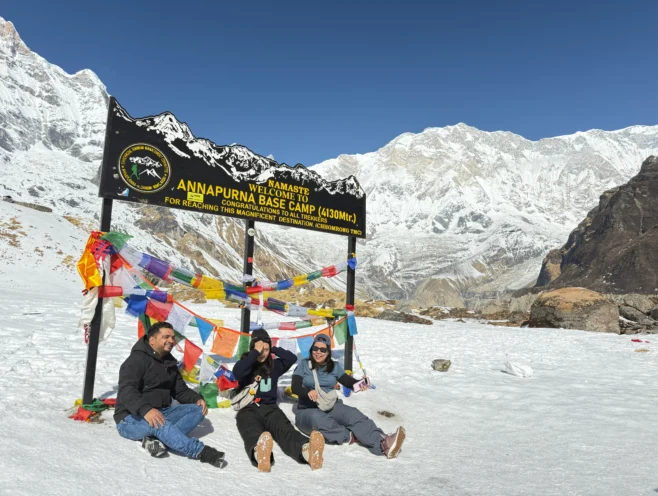
Annapurna Circuit is one of the great classic long-distance treks in the world, circumnavigating the entire Annapurna massif over 15 to 20 days. The route crosses the legendary Thorong La Pass at 5,416 metres and traverses an extraordinary range of terrain and cultures, from subtropical jungle to arid Tibetan plateau. For those with time and energy, it is an experience without equal.
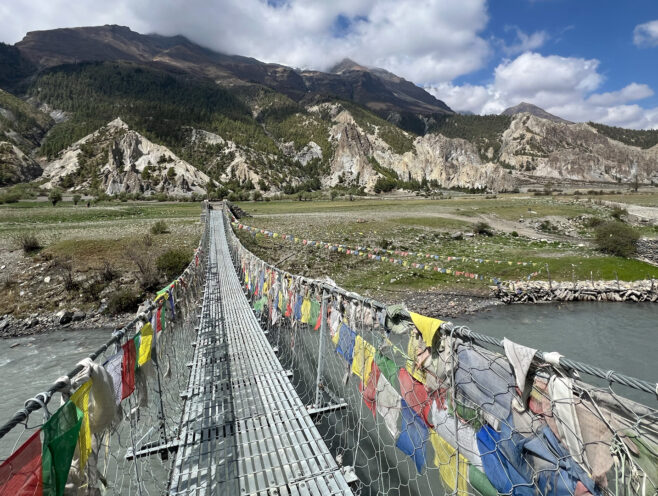
For shorter and less demanding options, Pokhara offers several excellent alternatives. Dhumbarahi is a rewarding day or overnight trek to a ridgeline viewpoint with panoramic Annapurna and valley views. Khopra Ridge (Khopra Danda) is a quieter, less-trodden 5 to 7 day route reaching the sacred Khayer Lake above 4,700 metres, with outstanding views of Dhaulagiri and the southern Annapurna peaks and a wonderful sense of solitude. Korean Hill (Dhital Danda) is a popular short hike directly from the city, rewarding a half-day’s effort with sweeping views over Phewa Lake and the Himalayan panorama beyond.
Pokhara is commonly included as a 1 to 2 day add-on before or after a trekking trip to Annapurna Base Camp or the Annapurna Circuit, and this combination is highly recommended. The city provides the perfect base for preparation and acclimatisation before heading into the hills, and the perfect place to recover, celebrate, and reflect after a challenging trek.
Relaxation, Cafes, Nightlife, and Accommodation
Pokhara is not all adrenaline and exertion. It is equally celebrated as a place simply to slow down, breathe deeply, and enjoy life at a gentler pace. The Lakeside area is the centre of this quieter pleasure — a kilometre-long promenade lined with cafes, bakeries, rooftop restaurants, bookshops, yoga studios, and souvenir stalls, all strung along the eastern shore of Phewa Lake.
The cafe culture in Pokhara is genuinely excellent. Whether you want a perfectly brewed espresso at a lakeside terrace, a hearty breakfast before a morning hike, a wood-fired pizza in the evening, or a quiet corner with a book and a pot of ginger tea, the Lakeside strip has an option for every mood. Restaurant quality is high by any standard, with menus spanning Nepali dal bhat, Indian curries, Tibetan momos, Israeli classics, Italian pasta, and continental dishes, reflecting the wonderfully international mix of travellers who pass through.
In the evenings, Lakeside offers a relaxed but lively atmosphere. Rooftop bars with mountain views, live music venues featuring Nepali folk and Western acts, and a string of sociable guesthouses make it easy to meet fellow travellers and exchange stories over a cold Everest beer.
Accommodation in Pokhara spans every budget and preference, concentrated primarily around the Lakeside district. Budget backpackers will find clean, friendly guesthouses from just a few dollars a night. Mid-range travellers are well served by comfortable hotels and boutique properties, many with lake or mountain views and rooftop terraces. At the luxury end, a growing number of high-end resorts and boutique hotels offer exceptional facilities, mountain-view pools, spa treatments, and fine dining — making Pokhara a genuinely indulgent destination for those who want to travel in style.
| Read More: You can read this information about Pokhara’s nightlife and optional activities in Pokhara. |
Best Time to Visit Pokhara
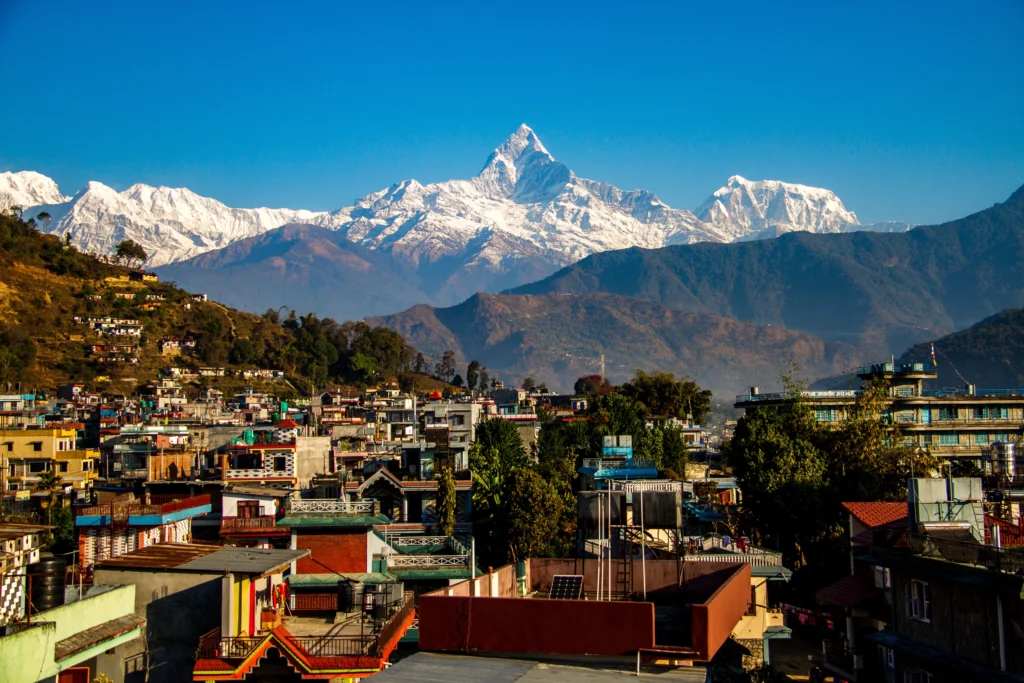
Pokhara is a destination for most of the year, but two seasons stand out as particularly ideal for a visit.
Spring (March to May) is one of the finest times to be in Pokhara. The air is warm and clear, the rhododendron forests across the hills burst into brilliant red and pink bloom, and mountain visibility is excellent. Trekking conditions in the Annapurna region are superb during these months, and the valley itself is green and lush.
Autumn (September to November) is widely considered the best season of all. Following the monsoon rains, the air is washed clean and crystal clear, and the mountain views are at their sharpest and most dramatic. Temperatures are pleasantly warm in the valley, cool on the higher ridges, and the skies are reliably blue. This is peak trekking season for good reason – conditions across the Annapurna region are at their very best.
The monsoon months of June to August bring heavy rainfall and cloud cover that can obscure the mountains, though the valley remains lush and green and the lakes are full. Winter (December to February) is cold but often clear, with excellent mountain views and far fewer crowds – a rewarding time for those who prefer a quieter experience and are prepared for cool temperatures.
Perfect for Every Kind of Traveller
One of Pokhara’s most remarkable qualities is how well it serves such a wide variety of visitors. Solo travellers find it one of the safest, most sociable, and most inspiring cities in Asia – easy to navigate, full of like-minded adventurers, and endlessly stimulating. Couples discover a destination of genuine romance: boat rides at dawn, candlelit lakeside dinners, sunrise over the mountains, and spa days between adventures. Groups and families benefit from the sheer breadth of activities on offer, with options for every energy level and interest running in parallel.
Pokhara works beautifully as a standalone destination of 2 to 4 days, and equally well as part of a longer Nepal itinerary combining Kathmandu, Pokhara, and a trekking adventure in the Annapurna region. However you structure your trip, including Pokhara is never a choice you will regret.
Plan Your Pokhara Journey with Everest Hikes
At Everest Hikes, we have been introducing travellers to the wonders of Nepal for years, and Pokhara holds a special place in everything we do. Whether you are looking to paraglide above the lakes, trek to Annapurna Base Camp, simply sit by Phewa Lake and watch the mountains change colour at dusk, or all of the above – we are here to help you make it happen.
Our experienced team can arrange everything you need: transportation from Kathmandu, accommodation in Lakeside, guided day hikes and viewpoint visits, adventure activity bookings, and full trekking packages to every route in the Annapurna region. We know Pokhara intimately, and we are passionate about ensuring every visitor experiences it at its best.