
- 1 - 1 pax USD$799
- 2 - 6 pax USD$699
- 7 - 15 pax USD$649
The Annapurna Circuit Trek is one of the most famous trekking adventures in Nepal. Every year, thousands of trekkers visit this beautiful region to enjoy its amazing mountain scenery, local culture, and changing landscapes. This trek gives you a memorable journey through forests, rivers, traditional villages, and high Himalayan mountain passes.
The trek is about 230 kilometers long and goes around the stunning Annapurna Mountain Range. Most trekkers complete the trek in 14 to 21 days, depending on the itinerary and side trips they choose along the way. The highest point of the trek is Thorong La Pass at 5,416 meters, which is one of the highest trekking passes in the Himalayas.
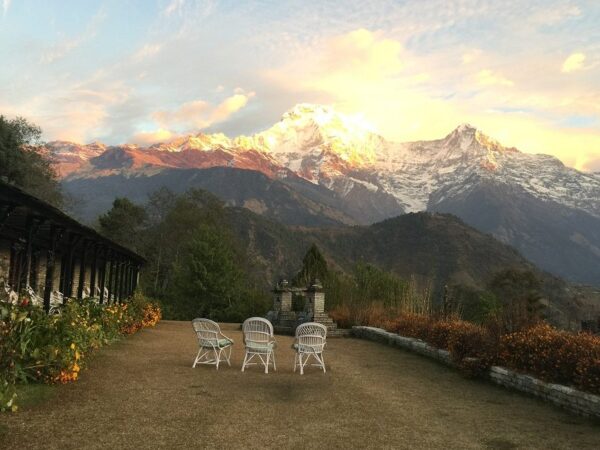
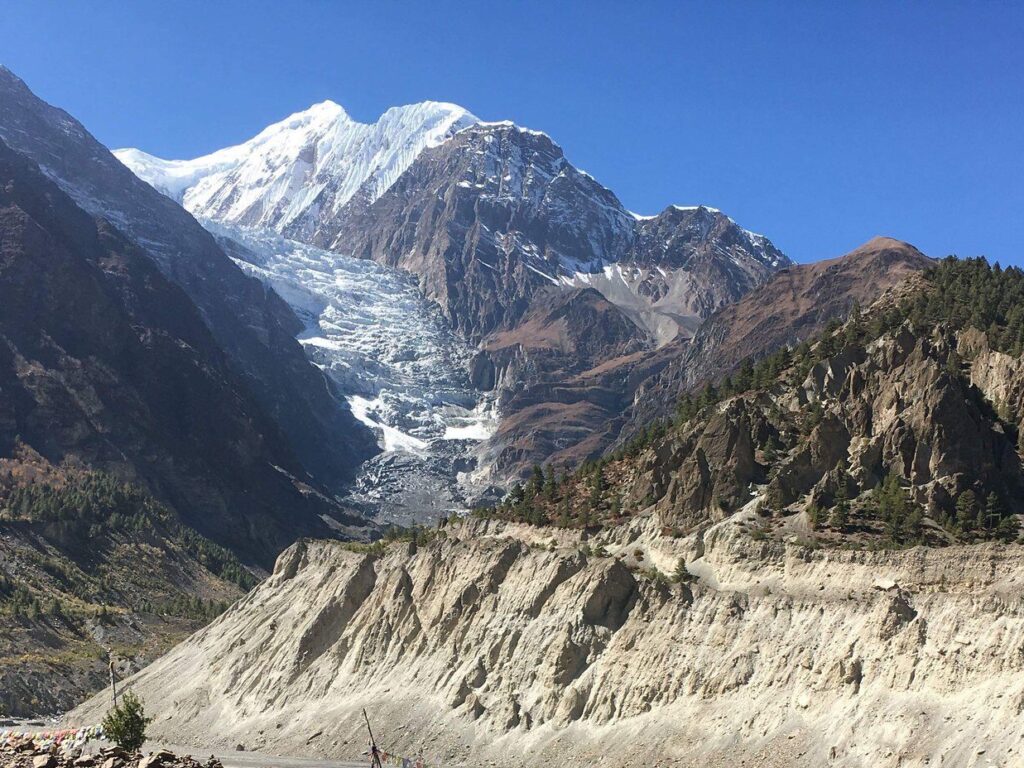
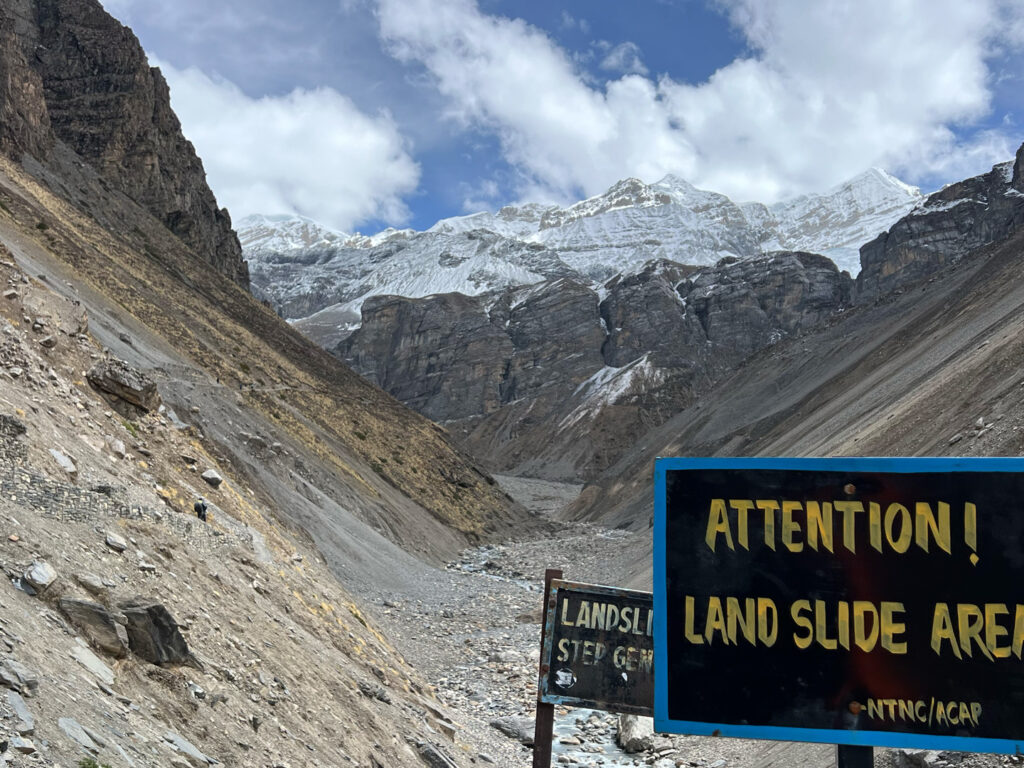
One of the best things about the Annapurna Circuit Trek is the variety you experience during the journey. The scenery, weather, and culture change as you move through different regions. You will walk through green hills, rice terraces, pine forests, waterfalls, rocky valleys, and dry landscapes near the Tibetan plateau. Every day offers new experiences and beautiful mountain views.
We have carefully designed a 13-day itinerary for this trek, which includes proper acclimatization and a comfortable pace. The journey is planned without any rush, so you can enjoy the mountains safely and fully experience the beauty of the Himalayas.
Key Highlights of Annapurna Circuit Trek
The highlights of Annapurna Circuit trek are truly extraordinary, offering experiences that remain etched in memory forever. The crown jewel of this adventure is crossing the challenging Thorong La Pass trek experience at 5,416 meters, where trekkers are rewarded with panoramic views of snow-capped peaks stretching endlessly across the horizon.
The trek showcases incredible landscape diversity, taking you through lush subtropical forests filled with rhododendrons, across alpine meadows dotted with yaks, and through high Himalayan passes where prayer flags flutter in the mountain breeze. Each day reveals new geological wonders and Annapurna mountain range views that showcase peaks like Annapurna I, II, III, IV, Dhaulagiri, Manaslu, and countless other towering giants.
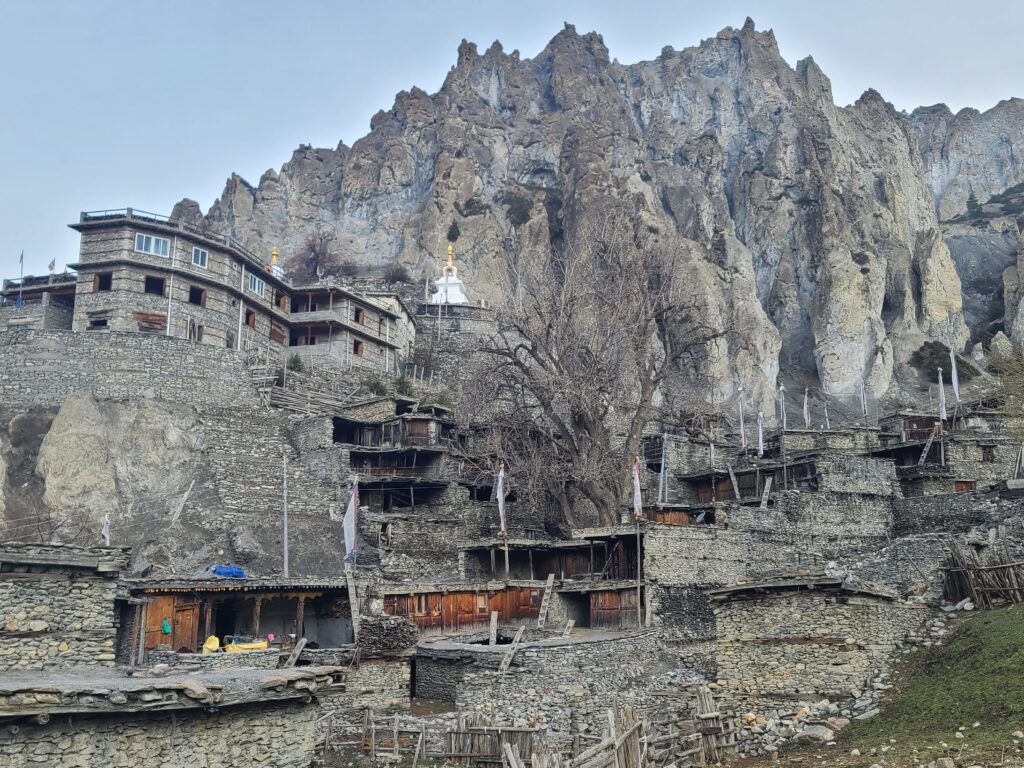
Cultural immersion forms another cornerstone of the Annapurna Circuit cultural trek experience. Trekkers encounter diverse ethnic communities including Gurung, Thakali, and Tibetan-influenced populations, each with unique traditions, languages, and architectural styles. The journey through Manang and Muktinath trek sections provides incredible insights into Buddhist culture, with ancient monasteries, prayer wheels, and traditional villages preserving centuries-old customs.
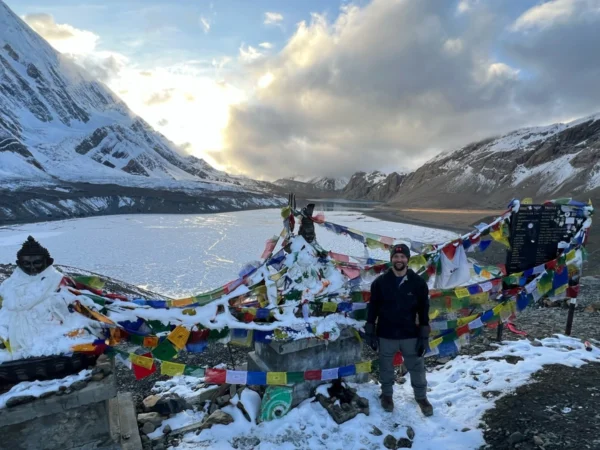
The optional Tilicho Lake add-on trek presents one of the world’s highest lakes at 4,919 meters, known for its stunning turquoise waters surrounded by towering peaks. This challenging side trip adds 2-3 extra days but rewards adventurers with one of the most spectacular high-altitude lake experiences on Earth.
Throughout the journey, tea house trekking in Nepal provides comfortable accommodation and authentic local cuisine, allowing trekkers to experience genuine Himalayan hospitality while supporting local communities along the route.
Best Time to Trek Annapurna Circuit
| Season | Months | Highlights | Challenges | Best For |
|---|---|---|---|---|
| Autumn | September – November | – Best time for Annapurna Circuit trek- Clear skies & mountain views- Stable weather, pleasant temperatures | Popular season → more crowded | First-time trekkers, photographers, cultural experiences |
| Spring | March – May | – Blooming rhododendrons- Mild temperatures- Longer daylight hours | Occasional haze in May | Nature lovers, moderate trekkers, scenic landscapes |
| Winter | December – February | – Solitude & fewer trekkers- Snow-covered mountains- Peaceful trails | Extreme cold, snow-blocked passes (Thorong La) | Experienced trekkers seeking challenge & winter scenery |
| Monsoon | June – August | – Lush green valleys- Fewer trekkers- Unique cultural festivals | Heavy rain, leeches, landslides, limited mountain views | Adventurous trekkers who want off-season solitude |
Difficulty Level & Fitness Requirements
The how difficult is Annapurna Circuit trek question concerns many potential adventurers. This trek requires good physical fitness, mental preparation, and proper acclimatization strategies. While not technically demanding like mountaineering expeditions, the Annapurna Circuit trek for beginners presents significant challenges that shouldn’t be underestimated.
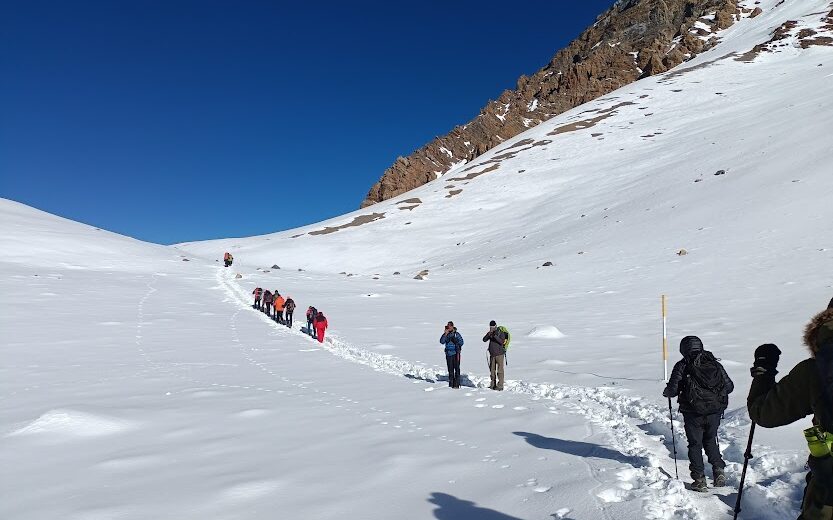
The primary difficulty stems from sustained high-altitude trekking, with the Thorong La Pass crossing being the most challenging aspect. Trekkers typically walk 5-7 hours daily, gaining and losing significant elevation while carrying daypacks. The Thorong La Pass trek experience demands early morning starts, potentially harsh weather conditions, and strong mental determination.
Altitude sickness remains the most serious concern, making proper acclimatization essential. The gradual elevation gain through Manang valley helps, but trekkers must recognize symptoms and respond appropriately. Pre-trek physical preparation should include cardiovascular training, leg strengthening exercises, and hiking experience at various elevations.
Why Choose Annapurna Circuit Trek?
Annapurna Circuit vs Annapurna Base Camp trek comparisons highlight different experiences – the circuit offers complete mountain circumnavigation and cultural diversity, while ABC provides focused mountain views and shorter duration. Annapurna Circuit or Everest Base Camp trek decisions often depend on crowd preferences, cultural interests, and landscape variety desires.
The difference between Annapurna Base Camp and Circuit trek lies primarily in scope and duration. The circuit provides comprehensive mountain region exploration, while ABC offers concentrated Himalayan experiences in shorter timeframes.
Book Annapurna Circuit trek Nepal through reputable agencies ensures quality service, proper permits, and emergency support throughout your adventure.
Outline Itinerary
Day 1: Welcome to Kathmandu (1,400m / 4,593ft)
Day 2: Drive to Dharapani (1,960m / 6,430ft)
Day 3: Trek to Chame (2,710m / 8,891ft)
Day 4: Trek to Pisang (3,300m / 10,824ft)
Day 5: Trek to Manang (3,500m / 11,482ft)
Day 6: Acclimatization Day in Manang
Day 7: Trek to Yak Kharka (4,110m / 13,484ft)
Day 8: Trek to Thorong Phedi (4,420m / 14,501ft)
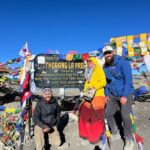
Day 9: Cross Thorong La Pass (5,416m / 17,764ft) to Muktinath (3,800m / 12,467ft)
Day 10: Drive to Pokhara (822m / 2,697ft)
Day 11: Drive Back to Kathmandu
Day 12: Final Departure
Annapurna Circuit Trek – 12 Days Itinerary
Welcome to Kathmandu (1,400m / 4,593ft)
Arrival at Tribhuvan International Airport (TIA), Kathmandu
Your adventure begins the moment you land at Tribhuvan International Airport in Kathmandu—a city that beautifully blends ancient history with modern charm. A friendly representative from Glorious Himalaya will welcome you at the airport and transfer you to your hotel.
After check-in and some relaxation, you’ll meet our senior Sherpa guide/manager, who will provide a detailed briefing about your Annapurna Circuit Trek. Spend the afternoon exploring the vibrant streets of Thamel, a hub for trekkers, where you can pick up any last-minute gear or souvenirs.
In the evening, enjoy a welcome dinner at a traditional Nepali cultural restaurant. Savor authentic Nepali cuisine while enjoying a captivating cultural dance performance. This marks the beginning of your journey in the valley of temples and sacred cows.
Drive to Dharapani (1,960m / 6,430ft)
Embark on a scenic drive along the Kathmandu-Pokhara Highway, following the Trishuli and Marsyangdi Rivers. Enjoy picturesque views of lush green hills, cascading rivers, and terraced farmlands.
The journey takes you to Besisahar, the headquarters of Lamjung district, where you'll glimpse majestic mountain peaks and the vibrant local lifestyle. From here, an off-road adventure leads to Syange, a small village with a stunning waterfall.
Trek to Chame (2,710m / 8,891ft)
The trail ascends through dense forests of pine and oak, passing through villages like Danaque and Timang. You’ll enjoy breathtaking views of Lamjung Himal and experience the vibrant local culture. Chame, the administrative center of Manang district, is your destination for the day.
Trekking Distance: 15.5km / 9.6 miles
Elevation Gain: 750m / 2,460ft
Trek to Pisang (3,300m / 10,824ft)
As you trek through pine forests and rocky terrains, the valley transforms from a V-shape to a gentle U-shape, revealing stunning vistas. Along the way, you’ll witness the majestic east face of Annapurna II and Pisang Peak before reaching the picturesque village of Pisang.
Trekking Distance: 14.5km / 9 miles
Elevation Gain: 590m / 1,935ft
Trek to Manang (3,500m / 11,482ft)
Climbing steep ridges, the trail offers incredible views of the Manang Valley and Tilicho Peak. As you descend, you’ll pass by the Manang airstrip and picturesque villages like Mungji. Manang, a bustling hub in this remote region, is your resting place for the night.
Trekking Distance: 15km / 9 miles
Elevation Gain: 200m / 656ft
Acclimatization Day in Manang
Take a well-deserved rest day to acclimatize. Explore the charming village of Manang, visit local monasteries, and take in the stunning views of the surrounding peaks.
Trek to Yak Kharka (4,110m / 13,484ft)
The trail ascends gently along the Jarsang Khola Valley, passing small villages and grazing pastures. Keep an eye out for yaks and juniper trees as you make your way to Yak Kharka.
Trekking Distance: 9km / 6 miles
Elevation Gain: 610m / 2,001ft
Trek to Thorong Phedi (4,420m / 14,501ft)
Today’s journey involves traversing narrow trails and scree slopes as you climb towards Thorong Phedi, the base camp for the famous Thorong La Pass.
Trekking Distance: 6km / 4 miles
Elevation Gain: 310m / 1,010ft
Cross Thorong La Pass (5,416m / 17,764ft) to Muktinath (3,800m / 12,467ft)
This is the most challenging yet rewarding day of the trek. You’ll ascend to the iconic Thorong La Pass, enjoying breathtaking views of the Annapurna and Mustang regions before descending to Muktinath, a sacred pilgrimage site.
Trekking Distance: 16km / 10 miles
Elevation Gain: 996m / 3,267ft
Drive to Pokhara (822m / 2,697ft)
Conclude your trek with a scenic drive to Pokhara, passing through the world’s deepest gorge, the Kali Gandaki. Enjoy the changing landscapes as you leave the high-altitude terrain for lush valleys.
Travel Time: 9–10 hours
Elevation Loss: 2,978m / 9,770ft
Drive Back to Kathmandu
After breakfast, board a tourist bus for a scenic 6–7 hour drive back to Kathmandu. Relish the views of the Trishuli and Marshyangdi Rivers along the way. Upon arrival, enjoy your last evening in the bustling capital.
Final Departure
Transfer the Airport
Inclusions
What's included
- International and Domestics Airport pick up and drop
- Boutique Hotel accommodation in Kathmandu & Pokhara (with breakfast included)
- An Experience English speaking guide
- All Meals and Teahouse accommodation during the trek
- Fresh fruits during the trek
- Kathmandu to Besisahar by Bus and Besisahar to Dharapani by sharing jeep and Muktinath to Pokhara by local bus
- Pokhara to Kathmandu by tourist bus
- All required trekking permits (Annapurna Conservation Area Entry Fee and TIMS Card)
- Guide and porter insurance with food and accommodation
- Basic Medical kits
- Farewell dinner
- Emergency Helicopter Evacuation Service Arrangement Only (should cover by your travel insurance)
- All required paper works and government taxes
What's not included
- International Flight
- Nepal Travel Visa Fee
- Personal Medical and Travel insurance (Should cover helicopter evacuation)
- A porter to carry your luggage (1 porter for every 2 trekkers, carry upto 20 kgs) - cost USD $250
- Guide, Porter and Driver tips
- Personal Gears (equipment)
- Personal bill
- Lunch and Dinner in Kathmandu and Pokhara
- All other personal expense of beverages (hard and soft drinks)
- All other things not mentioned in the inclusion
Accommodation & Food on the Annapurna Circuit
Tea house trekking in Nepal along the Annapurna Circuit provides comfortable accommodation and authentic local cuisine throughout the journey. These family-run lodges offer basic but clean rooms, communal dining areas, and opportunities to interact with fellow trekkers and local families.
Accommodation standards vary from simple twin-sharing rooms with shared bathrooms in lower elevations to more basic facilities at higher altitudes. Most tea houses provide bedding, though many trekkers prefer bringing sleeping bags for added warmth and comfort.
Food options include traditional Nepali dishes like dal bhat (rice, lentils, and vegetables), as well as international options such as pasta, pizza, and pancakes. Vegetarian and vegan options are widely available, supporting dietary preferences while experiencing authentic Himalayan cuisine.
Permits & Regulations
All trekkers require proper documentation for the Annapurna Circuit trek permits cost. The essential permits include the Trekkers’ Information Management System (TIMS) card and Annapurna Conservation Area Permit (ACAP). These permits help support conservation efforts and ensure trekker safety through registration systems.
The TIMS card costs vary depending on whether you’re trekking independently or with a guide, while the ACAP fee supports local conservation projects and community development initiatives. Permits can be obtained in Kathmandu or Pokhara through authorized agencies or directly from Nepal Tourism Board offices.
Cost of Annapurna Circuit Trek
The Annapurna Circuit trek cost per person varies significantly based on service level, group size, and included amenities. Annapurna Circuit trek cost and inclusions typically cover permits, accommodation, meals, guide services, and transportation.
Annapurna Circuit trekking package price ranges from budget options for independent trekkers to premium guided Annapurna Circuit trek package services. Private Annapurna Circuit trek tour options provide personalized service but increase overall costs, while group trek Annapurna Circuit options offer cost savings through shared expenses.
Budget breakdown includes permit fees, daily accommodation and meal costs, guide and porter wages, transportation, and miscellaneous expenses. Independent trekkers can significantly reduce costs by avoiding guide services, though this requires excellent preparation and navigation skills.
Wi-Fi and Connectivity
Surprisingly, the Annapurna Circuit has better reception than many trekking trails in Nepal but only up to a certain point. As you climb higher, the world slowly disconnects, and your phone becomes more like a camera and a music player.
Lower Region (Besisahar to Chame)
NTC and Ncell signals work well. Some tea houses even offer free Wi-Fi. You can easily make calls, send messages, or update social media.
Mid Region (Upper Pisang, Manang)
Connectivity gets weaker. Wi-Fi is available but usually paid and quite slow. Enough for messaging but not great for video calls or uploading photos.
Higher Region (Yak Kharka, Letdar, Thorong Phedi)
This is where everything goes quiet. No network, very slow Wi-Fi, and no distractions. This silence, honestly, feels refreshing. You start hearing things you normally don’t notice your footsteps, river sounds, wind moving down the valley, and your own breathing as you climb higher.
Before starting the trek, it’s smart to download:
- Offline maps
- Offline playlists
- Essential documents
- Movies or shows
- Meditation tracks
- Offline SOS or emergency apps
Once you let go of the need to be constantly online, you’ll feel more connected to the mountains and the people around you.
Gadgets and Electronics
The Annapurna Circuit takes you from warm lowland forests to icy alpine passes, and your electronics feel that temperature shock more than you expect. Battery drainage becomes a real struggle once you reach colder places like Manang, Yak Kharka, and Thorong Phedi.
Here’s what truly helps:
High-Capacity Power Bank
A 20,000 mAh power bank is one of the most valuable things you’ll carry. Charging costs rise as you climb higher, sometimes as high as NPR 300 to 500 per charge. At places like Thorong High Camp, electricity is limited, sometimes only available for an hour or two. A strong power bank makes everything easier, especially for phones, cameras, and headlamps.
Lightweight Camera / GoPro
The Circuit is a visual masterpiece: river canyons around Tal, suspension bridges near Dharapani, apple orchards in Chame, and the dry desert-like terrain of Manang. Even a simple camera captures magic here. Just carry extra batteries as they drain far faster in the cold mornings around Manang and Phedi.
Headlamp
This is the one item you absolutely cannot skip. Trekkers usually start the climb to Thorong La around 4:00 AM, long before sunrise. Without a headlamp, that rocky uphill becomes unsafe and stressful. A good headlamp keeps you confident and steady in the dark.
Universal Adapter
Charging plugs vary between tea houses, and at higher altitudes, you may find only one or two charging sockets for an entire dining hall of trekkers. Having your own adapter saves time and prevents awkward waiting or bargaining.
Electronics may not be the “soul” of the trek, but they do make the adventure smoother, safer, and more enjoyable.
Preparation and Fitness
The Annapurna Circuit isn’t the hardest trek in Nepal, but it’s long, and the altitude can challenge anyone. Thorong La Pass sits at 5,416 meters, and reaching it requires proper preparation.
Here’s what helps the most:
Cardio Training
Jogging, brisk walking, cycling, or swimming 4–5 times a week builds stamina. Even 30 minutes a day, done consistently, prepares your lungs and legs for long walking days.
Stair Climbing
The best training for uneven Himalayan trails. The steep sections around Upper Pisang, Manang, and the final push to Thorong La feel easier when your legs are used to the movement.
Leg Strength Exercises
Lunges, squats, and calf raises help strengthen your lower body. You will thank yourself for this training on the downhill sections after Thorong La, where many trekkers struggle with knee pain.
Breathing Practice & Yoga
Thin air around Manang and High Camp can feel challenging. Practicing slow, deep breathing and mindful movement helps your body adapt better. Even simple pranayama helps a lot.
Mental Preparation
Honestly, this is the most underrated part of the trek. Thorong La day is long, cold, and demanding. Some people get overwhelmed even before starting. Those who stay mentally calm, steady, and patient almost always succeed. Your mindset will carry you through the toughest parts of the climb.
Enjoy the landscapes, talk to the locals, take breaks, and walk at your pace. This trek is not a race it’s a journey.
Health and Safety
The Annapurna Circuit is beautiful, but it demands respect and awareness, especially when it comes to altitude, weather, and basic safety.
Altitude Sickness
Acute Mountain Sickness (AMS) is the biggest challenge. Symptoms usually appear between Manang and Thorong Phedi. This is caused due to decrease in the oxygen level as you go higher.
Common signs include:
- Headache
- Nausea
- Dizziness
- Loss of appetite
- Difficulty sleeping
If these symptoms appear, take them seriously. AMS does not care how fit you are. Some major prevention measure you can apply are:
- Go slow
- Drink plenty of water
- Take acclimatization days
- Sleep lower if needed
- Never push yourself “just to reach the next point”
Manang is the perfect place for acclimatization. Spend a night or two, explore Ice Lake or Milarepa Cave, and let your body adjust.
Weather Changes
The mountains can change moods within minutes. You may start the day in sunshine and end it walking through snow or strong winds. Always pack layers:
- Base layer (thermal)
- Fleece
- Down jacket
- Waterproof shell
- Warm hat & gloves
Layering helps you adapt quickly without overheating or freezing.
Nutrition & Hydration
Dal Bhat becomes your best friend its warm, fresh, and packed with energy. Avoid meat after Manang for safety reasons. Stay hydrated with 3–4 liters of water a day. You must consume around 4000cal-5000cal a day in order to maintain energy
First Aid
Carry a personal kit:
- Painkillers
- Blister care
- Electrolytes
- Band-aids
- Personal medication
Guides always bring a larger medical kit, but your personal one keeps you prepared for small issues.
Transportation and Flights
Getting to and from the Annapurna Circuit is an adventure in itself. There are various options of travel. Be ready for the bumpy off-road rides!
Kathmandu to Besisahar (Starting Point)
Trekkers usually choose:
- Local bus – cheap but long and bumpy
- Private jeep – more comfortable, safer, and saves time
Besisahar to Chame / Dharapani
The road has improved, and many trekkers now take a jeep further to reduce road walking. This can save 1–2 days of trekking.
Ending the Trek
Depending on your route, you can finish at:
- Jomsom
- Muktinath
- Tatopani
- Or continue to Poon Hill and end near Pokhara
From Jomsom, you can:
- Take a flight to Pokhara (if weather allows)
- Or drive back by jeep/bus
After days in the mountains, arriving in Pokhara feels like stepping into warmth a lake, hot showers, comfortable beds, and a refreshing break from the thin mountain air.
Guide & Porter Services
Do you need a guide for Annapurna Circuit trek remains a common question with various considerations. Guided Annapurna Circuit trek services provide safety, local knowledge, cultural insights, and navigation assistance, particularly valuable for first-time Himalayan trekkers.
Professional guides offer invaluable support including route finding, altitude sickness recognition, emergency response capabilities, and cultural interpretation. Porters significantly reduce physical burden, allowing trekkers to focus on enjoying the experience rather than struggling with heavy loads.
When selecting services, choose reputable agencies that provide fair wages, proper equipment, and insurance coverage for their staff. Supporting ethical trekking practices ensures positive impacts on local communities while maintaining service quality standards.
Insurance and Visa
Insurance
For the Annapurna Circuit, insurance is something you absolutely must have. Having it will help you in case of emergency and keep you on a safe side. Your insurance plan should cover:
- High-altitude trekking (up to 6,000 m)
- Emergency helicopter evacuation
- Medical treatment
- Trip cancellation or interruption
Most helicopter rescues happen because of altitude sickness, knee injuries, or unpredictable weather.
Visa for Nepal
Most nationalities can get a visa on arrival at Tribhuvan International Airport. It’s easy to get the visa but in a year you can only get visa for 150 days.
Options include:
- 15 days
- 30 days
- 90 days
Make sure your passport has at least 6 months of validity.
Alternative Routes & Side Trips
The Tilicho Lake add-on trek presents the most popular extension, requiring 2-3 additional days and excellent physical condition. This challenging side trip rewards adventurers with stunning high-altitude lake views and extended time in the dramatic upper Manang valley.
Annapurna Circuit trek with Pokhara extension allows additional rest and sightseeing in Nepal’s beautiful lake city. Annapurna Circuit trek plus Mustang valley combinations create extended adventures exploring the forbidden kingdom’s unique culture and landscapes.
Shortened circuit options accommodate time constraints while maintaining core experiences. Short Annapurna Circuit trek 11 days versions focus on major highlights while reducing total trekking duration.
Final Note
The Annapurna Circuit is more than just a trail, it’s an emotional, physical, and spiritual journey. It teaches patience, resilience, and deep respect for the mountains and the people who live among them. With the right preparation, mindset, and gear, this trek becomes one of those life memories you’ll carry forever.
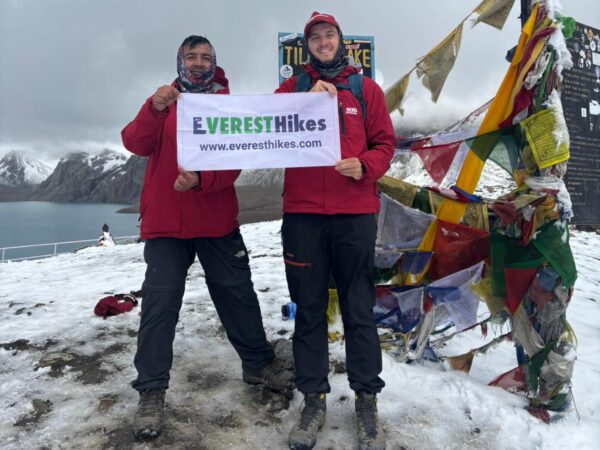
Every sunrise, every guesthouse conversation, every quiet moment on a ridge, every tough breath at high altitude these things shape you. And when you finally stand on Thorong La Pass with the prayer flags fluttering around you, you’ll feel a mix of exhaustion, pride, and peace that’s impossible to explain.
That’s the magic of the Annapurna Circuit which stays in your memory for a long time after you return home.
Packing list for Annapurna Circuit Trek – 12 Days
Packing for the Annapurna Circuit is all about balance, taking enough to stay warm without making your backpack feel like a punishment. Ideally, your pack should stay at 10–12 kg maximum.
Clothing Essentials
- Warm base layers
- Fleece jacket
- Down jacket (useful in Manang & Thorong La morning)
- Waterproof jacket & pants
- Trekking pants
- Thermal innerwear
- Buff, warm hat, gloves
Footwear
- Sturdy trekking boots (well broken-in)
- Warm socks (3–4 pairs)
- Lightweight sandals for tea houses
Other Gear
- Sleeping bag (–10°C recommended)
- Trekking poles (super helpful on downhill after Thorong La)
- Sunglasses
- Sunscreen
- Quick-dry towel
- Water bottle + purification method
- Basic toiletries
The goal is to pack smart, not heavy.