Upper Mustang Bike Tour 

  • Rated 5/5 stars on TripAdvisor from 22 verified traveler reviews

Riding Through Nepal’s Hidden Himalayan Kingdom

Imagine throttling a Royal Enfield through landscapes that look more like Mars than Earth—windswept cliffs in shades of rust and ochre, ancient cave dwellings carved into canyon walls, prayer flags snapping in the high-altitude wind. This isn’t your typical Himalayan ride. The Upper Mustang bike tour takes you beyond the trekking trails and tourist circuits into a restricted zone that remained closed to outsiders until 1992. Even today, reaching the walled city of Lo Manthang requires special permits and a sense of adventure that goes beyond ordinary travel.

This is where the Himalayas meet the Tibetan Plateau, where Buddhist monasteries older than most European cathedrals still hum with chanting monks, and where the only road north ends at a border crossing you can see but cannot reach. For riders seeking something rare—a journey that combines technical off-road challenge with profound cultural immersion—Upper Mustang delivers in ways few places on Earth can match.

Why Ride Upper Mustang?

Key Highlights

The Upper Mustang motorcycle tour isn’t just about covering distance. It’s about riding through layers of history, geology, and spirituality that reveal themselves slowly, mile after dusty mile.

What Makes This Ride Unforgettable:

  • Access to Nepal’s most culturally preserved restricted area, where ancient Tibetan Buddhist traditions remain intact
  • Riding alongside the Kali Gandaki River through the world’s deepest gorge, flanked by 8,000-meter peaks
  • Exploring Lo Manthang, the medieval walled capital that feels frozen in time since the 15th century
  • Visiting monasteries and sky burial sites that few travelers ever witness
  • Conquering challenging off-road terrain across high mountain passes and river crossings
  • Experiencing the stark beauty of the Trans-Himalayan desert—barren, treeless, utterly mesmerizing
  • Riding through villages where locals still practice polyandry and speak Tibetan dialects
  • Staying in traditional guesthouses and connecting with communities largely untouched by mass tourism

This journey demands skill, stamina, and respect. In return, it offers memories that outlast a lifetime.

The Route: From Lakeside Pokhara to the Rooftop of the World

Kathmandu to Pokhara: The Warm-Up

Your Upper Mustang bike tour begins with a scenic 200-kilometer ride from Kathmandu to Pokhara, following the Trishuli River along winding highways. This section serves as your warm-up—a chance to get comfortable with your Royal Enfield Himalayan 450 before the real challenge begins. Pokhara’s lakeside atmosphere offers a deceptive calm before the adventure ahead.

Pokhara to Kalopani: Where Pavement Ends

From Pokhara, the ride to Beni introduces you to the Kali Gandaki corridor. Once you pass Beni, the pavement disappears. Now you’re riding the ancient salt trading route between Nepal and Tibet, where yak caravans once carried goods across these same mountain passes. The trail to Kalopani follows the river through deep gorges, with views of Dhaulagiri and Annapurna dominating the skyline.

Kalopani to Kagbeni via Muktinath: Entering Sacred Territory

The climb to Muktinath Temple at 3,800 meters tests both rider and machine. This sacred pilgrimage site attracts both Hindu and Buddhist devotees who come to witness the eternal flame fed by natural gas seeping from the earth. After paying respects, you descend to Kagbeni—the gateway village where your restricted area permit gets checked and stamped. Beyond this point, very few travelers venture.

Kagbeni to Lo Manthang: Into the Forbidden Kingdom

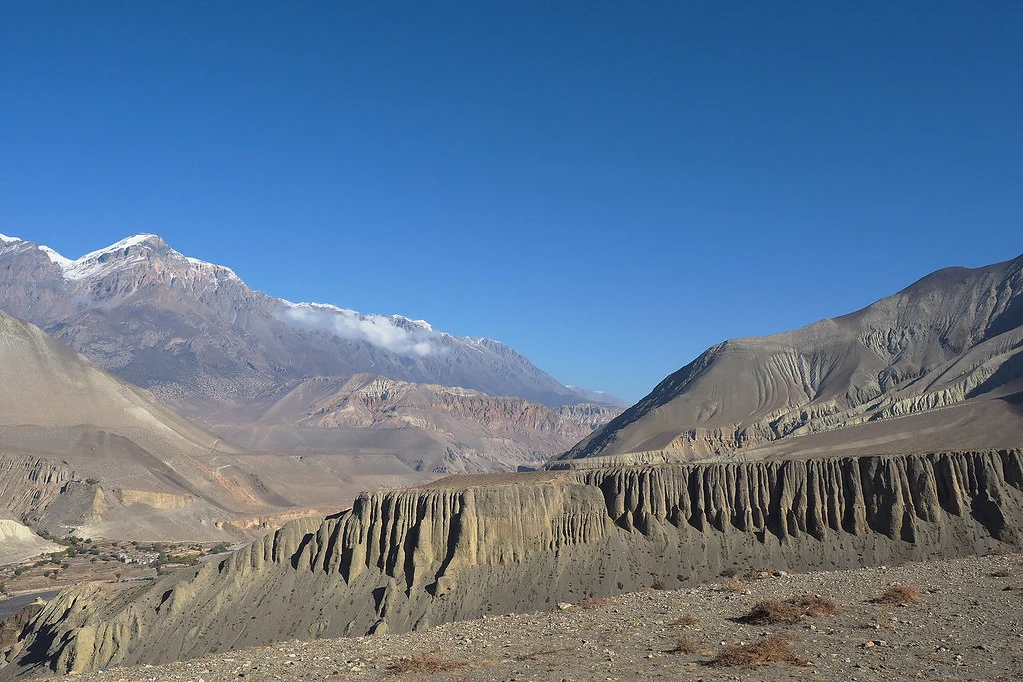
This 45-kilometer section defines the entire journey. You’ll cross the Kali Gandaki River multiple times, navigate high passes, and ride through villages that seem pulled from another century: Chuksang, Chele, Samar, Ghiling, Ghami, Tsarang. Each settlement offers glimpses into a way of life barely changed since medieval times. The landscape shifts from green valleys to the surreal moonscape of the Trans-Himalayan desert—all rust-colored cliffs, wind-carved rock formations, and endless sky.

When Lo Manthang’s whitewashed walls finally appear on the horizon, you’ll understand why travelers speak of this place in hushed, reverent tones.

Exploring Lo Manthang and Chhoser

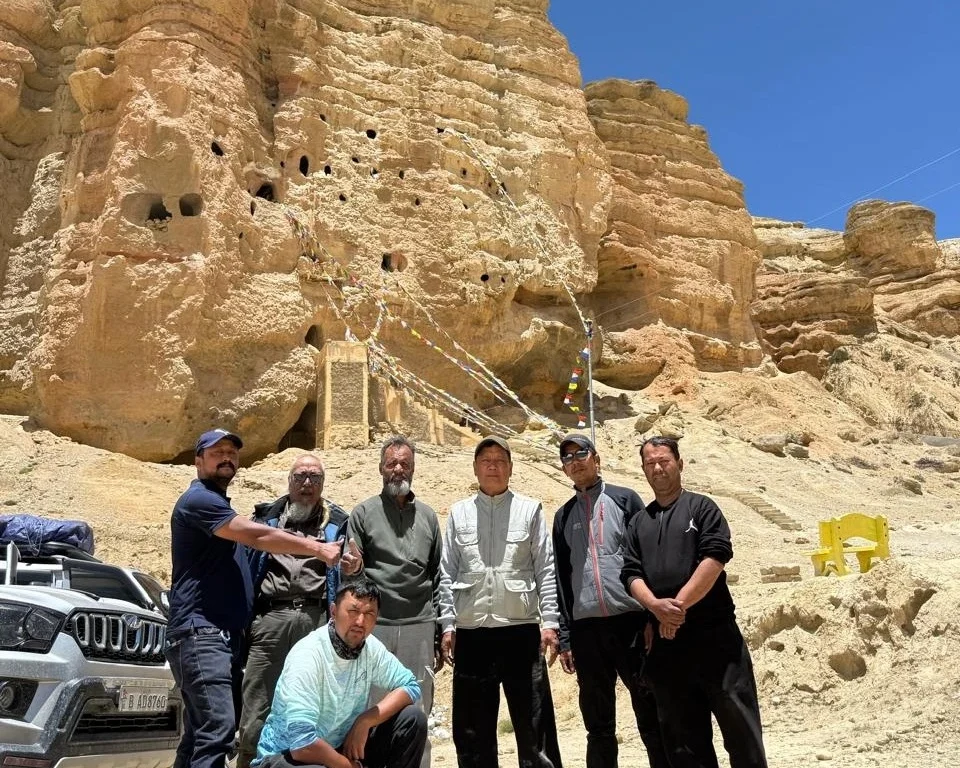
Your exploration day allows time to wander Lo Manthang’s narrow alleys, visit the monasteries of Thupchen, Jampa, and Chode Gompa, and ride to nearby Chhoser. The ancient caves at Chhoser—some over 3,000 years old—have drawn archaeologists from around the world. Here you might witness preparations for sky burials, a traditional funeral practice where bodies are offered to vultures as a final act of compassion.

The Return Journey: Jomsom to Pokhara

Retracing your route southward offers new perspectives on familiar terrain. By now, you’ve developed a rhythm with your bike, learned to read the terrain, and earned the quiet confidence that comes from riding some of Nepal’s most challenging roads.

Best Time for Your Upper Mustang Motorcycle Tour

Peak Season (March-May and September-November)

Spring brings wildflowers to the lower elevations and stable weather throughout the route. Autumn offers crystal-clear mountain views and comfortable temperatures. These shoulder seasons provide ideal riding conditions with moderate traffic on the trails.

Summer Season (June-August)

While most of Nepal drowns in monsoon rains, Upper Mustang remains dry thanks to its rain shadow location. This makes summer a viable riding season, though afternoon winds can be intense and some high passes may experience brief storms.

Winter (December-February)

Only for the truly adventurous. Snow closes some passes, temperatures plummet, and many guesthouses shut down. If you can handle extreme cold and potentially hazardous conditions, you’ll have the trails almost entirely to yourself.

Our Recommendation: Plan your Upper Mustang bike tour for late March through early June or late September through early November for optimal conditions.

Outline Itinerary

Day 01: Arrival in Kathmandu (1,350 m)
Day 02: Kathmandu to Pokhara (822 m) – 200 km / 6–7 hours
Day 03: Pokhara to Kalopani (2,600 m) – 123 km / 5–6 hours
Day 04: Kalopani to Muktinath (3,800 m) to Kagbeni (2,900 m) – 63 km / 5–6 hours
Day 05: Kagbeni to Lo Manthang (3,800 m) – 45 km / 5–6 hours
Day 06: Exploration Day – Lo Manthang and Chhoser
Day 07: Lo Manthang to Jomsom (2,743 m) – 55 km / 6 hours
Day 08: Jomsom to Pokhara (822 m) – 158 km / 7 hours
Day 09: Pokhara to Kathmandu (1,350 m) – 200 km / 6 hours
Day 10: Departure

Upper Mustang Bike Tour  Itinerary

Day 01

Arrival in Kathmandu (1,350m)

Touch down at Tribhuvan International Airport where our team meets you at arrivals. After transferring to your hotel, you'll have time to rest and shake off the jet lag. In the evening, we gather for a detailed trip briefing covering the route, safety protocols, and what to expect in the days ahead. This is your chance to ask questions and meet your fellow riders.

Day 02

Kathmandu to Pokhara (822m) - 200km / 6-7 hours

Your first day in the saddle follows the Prithvi Highway westward, tracing the Trishuli River through terraced hillsides and roadside villages. This paved highway lets you get comfortable with your motorcycle before the technical sections begin. Arrive in Pokhara by afternoon with time to explore the famous lakeside area, where cafes and pubs overlook Phewa Lake with the Annapurna range looming in the distance.

Day 03

Pokhara to Kalopani (2,600m) - 123km / 5-6 hours

Rise early for the optional sunrise ride up Sarangkot Hill, where the entire Annapurna massif ignites in golden morning light. After breakfast, the route takes you through Beni where pavement ends and adventure begins. The Kali Gandaki corridor opens before you—a mix of gravel tracks, rocky sections, and river crossings. Stop at Rupse Waterfall for photos before continuing to Kalopani for your first night in the mountains.

Day 04

Kalopani to Muktinath (3,800m) to Kagbeni (2,900m) - 63km / 5-6 hours

The landscape transforms dramatically as you climb. Pass through Marpha village, famous for apple orchards and brandy, then continue through Jomsom to Muktinath Temple. At 3,800 meters, this sacred site draws pilgrims who bathe in the 108 water spouts and witness the eternal flame burning from natural gas. Visit the nearby Jwala Mai temple before descending to Kagbeni, where you'll overnight at the restricted area checkpoint. Stop at Jharkot's ancient monastery on the descent.

Day 05

Kagbeni to Lo Manthang (3,800m) - 45km / 5-6 hours

After permit verification, the real adventure begins. Cross the Kali Gandaki and enter the forbidden kingdom. The trail weaves through Chuksang, Chele, Samar, Syangboche, Ghiling, Ghami, and Tsarang—each village a time capsule of Tibetan Buddhist culture. The landscape becomes increasingly barren and beautiful, all windswept cliffs and painted canyons. Stop frequently for photos and to simply absorb the otherworldly scenery. When Lo Manthang's white walls appear across the plain, anticipation builds with every kilometer.

Day 06

Exploration Day - Lo Manthang and Chhoser

No riding fatigue today—just pure exploration. Morning visits to Lo Manthang's three major monasteries: Thupchen Gompa with its massive Buddha statues, Jampa Lhakhang dating to 1447, and Chode Gompa still active with resident monks. The small Buddhist museum offers context for what you're witnessing. After lunch, ride to Chhoser village to explore caves carved into canyon walls over 3,000 years ago. The cliff monastery clings impossibly to the rock face. If circumstances allow, you may witness preparations for traditional sky burial ceremonies. Return to Lo Manthang for evening relaxation.

Note: Current regulations prohibit foreigners from reaching Korala border. Chhoser village, approximately 8km from the border, marks the northern extent of permitted travel.

Day 07

Lo Manthang to Jomsom (2,743m) - 55km / 6 hours

Retrace your route southward with fresh eyes. The same trails reveal different details when ridden in reverse. Pass through villages you visited on the way up, stopping at stupas and monasteries you may have rushed past before. The familiarity of the terrain builds confidence, and many riders find themselves tackling technical sections with newfound skill. Arrive Jomsom with enough daylight remaining to explore this regional hub where trekkers and riders converge.

Day 08

Jomsom to Pokhara (822m) - 158km / 7 hours

The longest riding day descends from high desert back to subtropical valleys. Navigate the rough sections below Jomsom with the confidence earned over the past week, then enjoy smooth pavement after Beni. The change from barren mountainscapes to green terraces marks your return to the world beyond the Himalayas. Arrive Pokhara by late afternoon. Celebrate your achievement with dinner and drinks at one of the lakeside restaurants, swapping stories with your riding companions.

Day 09

Pokhara to Kathmandu (1,350m) - 200km / 6 hours

Your final day of riding returns you to Kathmandu along the Prithvi Highway. The familiar route feels different now—you've ridden to places few motorcyclists ever reach. Evening free for souvenir shopping in Thamel, additional sightseeing, or simply processing the experiences of the past ten days.

Day 10

Departure

We transfer you to Tribhuvan International Airport based on your flight schedule. Departures end where they began, but you leave carrying memories that will last infinitely longer than any journey.

Inclusions

What's included

  • Airport transfers in Kathmandu (arrival and departure)
  • Hotel accommodation in Kathmandu (2 nights, 3-star, twin sharing)
  • Hotel accommodation in Pokhara (2 nights, 3-star, twin sharing)
  • Lodge accommodation throughout Upper Mustang (best available, twin sharing)
  • All meals from Pokhara departure to Pokhara return (breakfast, lunch, dinner)
  • Royal Enfield Himalayan 450cc motorcycle (one per rider)
  • Upper Mustang Restricted Area Permit ($500 value, 10 days)
  • ACAP and TIMS permits
  • Experienced guide/road captain with government license
  • Professional Royal Enfield mechanic
  • 4x4 support vehicle with driver
  • Fuel for support vehicle
  • Luggage transport in support vehicle
  • Motorcycle spare parts (brake pads, spark plugs, cables, tubes, engine oil - one set)
  • Sleeping bag for mountain nights (returnable at trip end)
  • Duffel bag for luggage (returnable at trip end)
  • Comprehensive medical kit
  • All road tolls for motorcycles and support vehicle
  • Government taxes and official fees

What's not included

  • Nepal entry visa ($30 for 15 days, $50 for 30 days, $125 for 90 days)
  • International airfare to/from Kathmandu
  • Motorcycle fuel for your bike (approximately $150-200 total)
  • Personal riding gear (helmet, jacket, boots, gloves, protective clothing)
  • Meals in Kathmandu and Pokhara (lunch and dinner)
  • Travel and medical insurance (mandatory - must cover high altitude and evacuation)
  • Personal expenses (alcoholic beverages, bottled water, snacks, laundry, souvenirs)
  • Entrance fees for optional sightseeing in Kathmandu or Pokhara
  • Hot showers in mountain lodges (usually $2-3 per shower)
  • Charging electronics in lodges (minimal fee)
  • Tips for guide, mechanic, and support staff (discretionary but appreciated)
  • Costs from accidents, theft, or rough handling beyond normal wear
  • Major mechanical repairs beyond included spare parts
  • Expenses from natural disasters, strikes, or circumstances beyond our control

Important Note on Motorcycle Damage: Minor repairs including one set of brake shoes, spark plugs, clutch plates, tubes, cables, and engine oil are included. Additional repairs required due to accidents, rough handling, or mechanical abuse beyond normal use are the rider's financial responsibility. We recommend comprehensive travel insurance that covers adventure activities.

Riding Experience: What to Expect on the Trail

Terrain and Road Conditions

Let’s be clear: after Beni, there’s no such thing as a “road” in the conventional sense. You’re navigating rocky trails, sandy riverbeds, and narrow paths carved into cliff faces. Stream crossings require careful judgment. Loose gravel tests your balance. Steep ascents demand throttle control and patience.

The Royal Enfield Himalayan 450 handles this terrain remarkably well, with its 21-inch front wheel, long-travel suspension, and ground clearance designed specifically for Himalayan conditions. Still, this isn’t a ride for beginners. You’ll need solid off-road skills and the endurance to handle 5-7 hours in the saddle daily.

Altitude Considerations

You’ll be riding and sleeping at elevations between 2,600 and 3,800 meters, with some passes pushing even higher. Altitude affects both riders and machines. Take acclimatization seriously—headaches, fatigue, and altitude sickness are real concerns. Ride slowly, stay hydrated, and listen to your body. Our experienced guides monitor everyone’s condition and carry comprehensive medical kits for emergencies.

Weather Patterns

Upper Mustang sits in the rain shadow of the Annapurna and Dhaulagiri ranges, meaning it receives minimal rainfall even during monsoon season. This makes it rideable from March through November when most of Nepal is soaked. Expect cold nights year-round, warm sunny days, and fierce afternoon winds that can blow you sideways if you’re not prepared.

Culture and Heritage: More Than Just a Motorcycle Journey

Living Tibetan Buddhism

Upper Mustang preserves Tibetan Buddhist culture more authentically than Tibet itself in many ways. Monasteries here contain ancient murals, statues, and manuscripts that survived the cultural upheavals across the border. Monks still perform elaborate rituals unchanged for centuries. Prayer wheels turn constantly. Butter lamps flicker in the dimness.

As riders, we’re guests in these sacred spaces. Respect means removing helmets before entering monasteries, walking clockwise around stupas, and asking permission before photographing people or ceremonies.

Traditional Communities

The people of Mustang—known as Lobas—maintain customs that have disappeared elsewhere. Extended families live in multi-story stone houses decorated with stacked firewood and prayer flags. Women wear distinctive striped aprons and elaborate jewelry. Agriculture follows ancient patterns, with barley and buckwheat growing in carefully irrigated terraced fields.

Polyandry (one woman marrying multiple brothers) still exists in some households, a practical adaptation to limited arable land. The social structure reflects both Buddhist values and the harsh realities of high-altitude survival.

Permits and Regulations: Navigating the Restricted Area

Understanding the Restricted Area Permit

Upper Mustang’s restricted status preserves its cultural integrity while allowing limited tourism. The special permit costs $500 USD for 10 days, with an additional $50 per day beyond that. Your 10-day countdown begins when you enter Kagbeni and ends when you exit, so plan accordingly.

Important regulations:

  • Minimum two people required for permit issuance (solo travelers can join existing groups)
  • Valid passport required for application
  • Permits must be arranged through registered agencies—no independent applications
  • Certain areas near the Tibet border remain completely off-limits

Additional Permits

Beyond the restricted area permit, you’ll need:

  • Annapurna Conservation Area Project (ACAP) permit
  • Trekkers’ Information Management System (TIMS) card
  • Temporary motorcycle permit for Nepal

Our team at Everest Hikes handles all permit arrangements. We just need your passport copy and riding license at least two weeks before departure.

Safety, Support, and What Sets Us Apart

Comprehensive Support System

Every Upper Mustang motorcycle tour we operate includes:

Royal Enfield Himalayan 450 Fleet: Our bikes represent the latest evolution of adventure motorcycling technology, built specifically for Himalayan conditions with improved power, handling, and reliability.

Professional Road Captain: An experienced leader who knows every switchback, stream crossing, and monastery on the route. They set pace, identify hazards, and ensure the group stays together.

Skilled Mechanic: Traveling with complete spare parts and tools to handle roadside repairs. Minor issues like brake shoes, spark plugs, cables, and tubes are covered in your tour cost.

4×4 Support Vehicle: Carries all luggage, additional spare parts, and provides backup if a motorcycle becomes unrideable. This vehicle stays with the group throughout the journey.

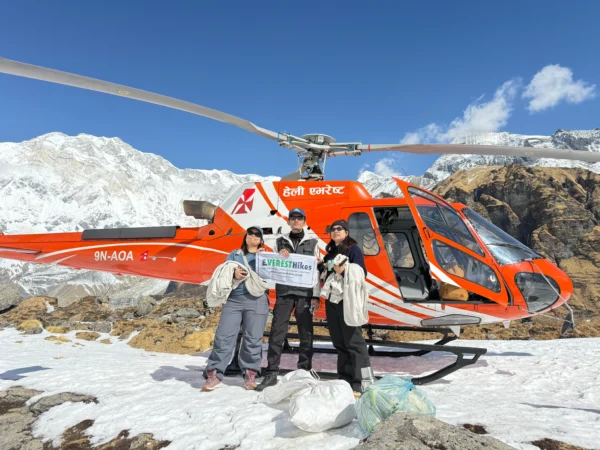
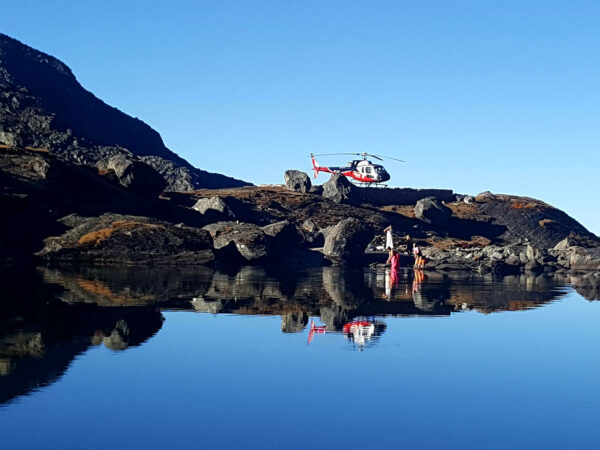
Medical Preparedness: Comprehensive medical kit, guide trained in altitude sickness recognition, and established evacuation protocols with helicopter rescue services.

Why Choose Everest Hikes

We’re not just organizing a motorcycle tour—we’re sharing a journey we know intimately. Our team has ridden these trails across all seasons and maintained relationships with communities throughout Upper Mustang built on years of respectful, responsible tourism.

Our Commitments:

  • Small group sizes that minimize environmental and cultural impact
  • Fair wages and working conditions for all crew members
  • Support for local guesthouses and businesses throughout the route
  • Environmental consciousness (pack out all waste, minimize plastic)
  • Cultural sensitivity training for all participants
  • Transparent pricing with no hidden costs
  • 24/7 support from Kathmandu office during your journey

We’ve built our reputation one satisfied rider at a time, with consistent praise for organization, safety, and authentic cultural experiences.

Packing list for Upper Mustang Bike Tour 

Mandatory Items:

  • Valid passport (minimum 6 months validity)
  • Motorcycle license from your home country or international license
  • Travel insurance documents (covering altitude up to 4,000m and evacuation)
  • Passport-size photos (for permits)

Highly Recommended Riding Gear:

  • DOT/ECE approved motorcycle helmet (rental available but personal preferred)
  • Motorcycle jacket with CE-rated armor (shoulders, elbows, back)
  • Riding pants or Kevlar-reinforced jeans
  • Over-ankle motorcycle boots with good grip
  • Quality motorcycle gloves (consider altitude-appropriate warmth)
  • Neck warmer or balaclava for dusty, windy sections
  • Clear and tinted visors or riding glasses

Clothing and Personal Items:

  • Layering system: base layers, mid-layers, warm fleece or down jacket
  • Waterproof jacket and pants (even in dry season for wind protection)
  • Casual clothes for evenings in lodges
  • Sun hat and warm beanie
  • Sunglasses with UV protection
  • High-SPF sunscreen and lip balm (altitude intensifies UV)
  • Personal toiletries and medications
  • Quick-dry towel
  • Headlamp or flashlight
  • Water bottle or hydration system
  • Camera with extra batteries and memory cards
  • Portable phone charger/power bank
  • Small daypack for daily essentials
  • Money belt or secure pouch for documents

Medical and Safety:

  • Personal prescription medications (bring extras)
  • Altitude sickness medication (consult your doctor)
  • Basic first aid items
  • Hand sanitizer and wet wipes
  • Toilet paper
  • Rehydration salts
  • Pain relievers and stomach medications
Upper Mustang Bike Tour  FAQs

Q: What fitness level do I need for the Upper Mustang bike tour?

This ride rates as moderately challenging to difficult. You should be capable of 6-7 hours of physical activity daily at altitude. Good cardiovascular health is essential—if you can comfortably bike, hike, or exercise for extended periods at sea level, you'll likely manage well here. The altitude (2,600-3,800m) adds significant challenge compared to sea-level riding. Pre-trip conditioning focusing on cardio endurance and core strength will enhance your experience significantly.

Q: I'm physically fit but haven't ridden at high altitude before. Will I be okay?

Altitude affects everyone differently regardless of fitness level. We build gradual acclimatization into the itinerary, ascending slowly from Pokhara to allow your body to adjust. Stay well-hydrated, avoid alcohol in the first days, and listen to your body. Our guides monitor all participants for altitude sickness symptoms and carry medical supplies including oxygen. If serious symptoms develop, descent is the only cure—our support vehicle can transport affected riders to lower elevations.

About Riding Experience and Skills

Q: How much motorcycle experience do I need?

You should arrive with solid riding fundamentals and off-road experience. Specifically, you need comfort riding larger bikes (400cc+), experience with gravel and loose surfaces, confidence crossing streams and water obstacles, and the physical ability to handle a dropped motorcycle. This isn't a beginner's ride—after Beni, you're navigating technical terrain for multiple days. That said, you don't need to be an expert. Intermediate riders with good off-road skills and realistic self-assessment typically handle the route successfully.

Q: I'm an experienced street rider but new to off-road. Can I still join?

Honestly, you'll struggle with certain sections. The terrain after Beni includes loose rocks, deep gravel, water crossings, and steep inclines that demand off-road technique. If you're committed to joining, we strongly recommend taking an off-road riding course before arrival. Focus on slow-speed balance, standing on the pegs, throttle and clutch control in loose surfaces, and emergency braking on varied terrain. Many riders have successfully made this transition, but preparation is essential.

Q: Do I need a motorcycle license to ride in Nepal?

Absolutely. A valid motorcycle license from your home country or an International Driving Permit is mandatory. We require copies of both your passport and license before your arrival to arrange local riding permits. Riding without proper documentation is illegal and voids all insurance coverage. We cannot provide motorcycles to unlicensed riders under any circumstances.

About the Motorcycles

Q: What motorcycles do you provide?

We've recently upgraded our entire fleet to the Royal Enfield Himalayan 450—the latest model specifically engineered for Himalayan adventure riding. These bikes feature a powerful 450cc engine, 21-inch front and 17-inch rear wheels, long-travel suspension, generous ground clearance, and modern design elements. They're purpose-built for exactly this type of terrain and altitude. Each motorcycle is thoroughly serviced before every tour.

Q: Can I request a different brand of motorcycle?

The Royal Enfield Himalayan 450 represents the optimal choice for this terrain based on our extensive experience. However, if you have strong preferences for other brands available in Nepal (and can clearly articulate why another model would suit your riding style better), contact us well in advance. We'll explore availability, but cannot guarantee alternatives. Most riders find the Himalayan 450 exceeds their expectations for capability and comfort.

Q: What happens if my motorcycle breaks down?

Our support system includes a skilled Royal Enfield mechanic traveling with complete spare parts and tools. Minor issues get resolved roadside—we've included one complete set of brake shoes, spark plugs, clutch plates, tubes, cables, and engine oil in your tour cost. For problems requiring more extensive repair, the support vehicle can load the disabled motorcycle while you ride as passenger or, if available, use a spare bike. Breakdowns from normal use are covered; damage from accidents or abuse is the rider's financial responsibility.

About Support and Safety

Q: Will there be a support vehicle throughout the journey?

Yes, always. A 4x4 vehicle accompanies the group carrying all luggage, additional spare parts, tools, and emergency equipment. If a motorcycle becomes unrideable, the vehicle provides backup transport. It also carries our mechanic, additional supplies, and serves as a safety net throughout the journey. The vehicle stays with the group—you're never riding completely unsupported in remote areas.

Q: What kind of medical support is available?

Our guide carries a comprehensive medical kit and has training in altitude sickness recognition and wilderness first aid. For emergencies requiring evacuation, we have established protocols with helicopter rescue services. This is precisely why we require travel insurance covering high-altitude activities—helicopter evacuation from remote areas is expensive but sometimes necessary. Lodges in larger villages like Kagbeni and Jomsom have basic health posts, while Jomsom has a more substantial clinic.

Q: What about guides and crew?

Every tour includes an experienced road captain (chief guide) who knows the route intimately and holds a government-issued tourism license. This leader sets the daily pace, identifies hazards, manages permits and lodge bookings, and ensures group safety. Additionally, a skilled Royal Enfield mechanic handles all motorcycle issues, and the support vehicle driver manages logistics. For cultural sites and monasteries, we provide knowledgeable guides who can explain the significance of what you're experiencing. All crew members speak functional English at minimum.

About Permits and Regulations

Q: Why does Upper Mustang require special permits?

Upper Mustang remained completely closed to foreigners until 1992 to preserve its unique Tibetan Buddhist culture and limit tourism's impact. Today, limited access is permitted through a restricted area permit system. The $500 fee funds cultural preservation, infrastructure maintenance, and community development. This system successfully maintains the region's authenticity while allowing respectful tourism. Certain areas near the Tibet border remain off-limits for security reasons.

Q: I'm traveling solo. Can I still get the permit?

The restricted area permit requires a minimum of two people. If you're booking solo, we'll pair you with other riders on the same dates to meet permit requirements. We handle this coordination regularly and can usually arrange matches within a few days of your preferred dates. Alternatively, you can pay a supplement to cover permit costs as if two people are traveling, though most solo riders prefer joining a small group.

Q: What documents do I need to provide for permits?

We require clear passport copies showing your photo page and valid visa. Send these at least two weeks before your departure date to allow processing time. We also need copies of your motorcycle license. All permits—Upper Mustang Restricted Area, ACAP, and TIMS—are arranged through our agency. You cannot obtain these independently; they must be processed through registered tourism companies.

About Accommodations and Food

Q: What are accommodations like in Upper Mustang?

In Kathmandu and Pokhara, we book comfortable 3-star hotels with modern amenities, hot showers, WiFi, and restaurants. Throughout Upper Mustang, you'll stay in the best available lodges—typically family-run guesthouses offering basic but clean accommodation. Rooms are simple with beds, blankets, and shared or attached bathrooms. Don't expect luxury, but expect genuine hospitality. We provide sleeping bags rated for the temperatures you'll encounter. Lodges have communal dining areas, usually with a stove for warmth during cold evenings.

Q: How are shower facilities in the mountains?

Most lodges offer hot shower services, though you'll typically pay $2-3 per shower separately. Hot water comes from solar panels (when sunny) or heated buckets. In some smaller villages, bucket baths may be your only option. Many riders choose to skip daily showers at altitude to conserve energy—dry shampooing, wet wipes, and accepting temporary lack of modern convenience becomes part of the adventure. Kathmandu and Pokhara hotels have standard modern bathrooms.

Q: What food can I expect during the ride?

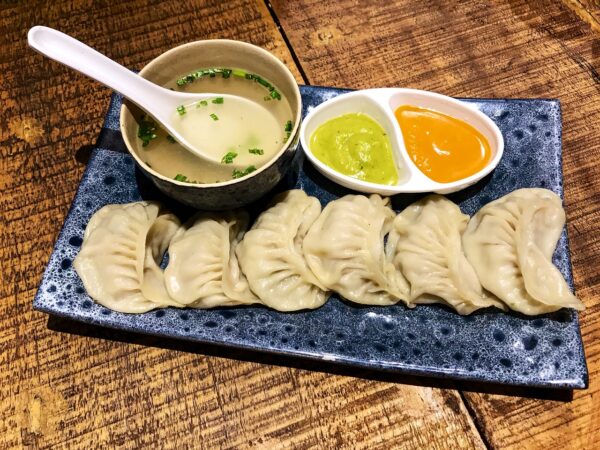
Lodge menus offer surprising variety: dal bhat (traditional rice and lentils), momos (dumplings), pasta, noodle soups, fried rice, potatoes prepared various ways, eggs, bread, vegetables, and sometimes yak meat. Meals are freshly prepared and generally vegetarian-focused. Tea, coffee, hot chocolate, and soft drinks are available. We include all meals from leaving Pokhara until returning to Pokhara—breakfast, lunch, and dinner. The food is simple but nourishing and suitable for the energy demands of riding. Garlic features prominently in mountain cuisine and helps with acclimatization.

About Best Season and Weather

Q: When is the best time for the Upper Mustang motorcycle tour?

March through May (spring) and September through November (autumn) offer optimal conditions. Spring brings wildflowers at lower elevations, warming temperatures, and stable weather. Autumn delivers crystal-clear visibility, comfortable temperatures, and perfect riding conditions. Both seasons see moderate trail traffic. We recommend late March to early June or late September to early November specifically for the sweet spot of weather, visibility, and manageable crowds.

Q: Can I ride Upper Mustang during monsoon season?

Yes, uniquely so. Upper Mustang sits in the rain shadow of Annapurna and Dhaulagiri, receiving minimal rainfall even during June-August monsoon season when the rest of Nepal floods. This makes summer a viable riding window, though afternoon winds can be fierce and some high passes may experience brief storms. You'll encounter fewer riders and lower accommodation costs, but also stronger winds and occasional weather volatility.

Q: What about winter riding?

December through February brings extreme cold, snow on high passes, and lodge closures. Only highly experienced riders with proper cold-weather gear should consider winter departures. Many sections become impassable due to snow and ice. If you can handle potentially hazardous conditions and near-freezing temperatures, you'll have the trails almost entirely to yourself. We operate winter departures only by special request with appropriate warnings about increased risk and difficulty.

Q: What's the likely temperature range?

Daytime temperatures vary dramatically by season and elevation. In peak seasons (spring/autumn), expect 15-20°C during the day at higher elevations, potentially reaching 25°C at lower elevations. Nights drop significantly—near or below freezing at 3,000+ meters. The sun is intense at altitude, but shade and wind can be surprisingly cold. Layering is essential. Your body will experience hot sun, cold wind, freezing mornings, and warm afternoons all within the same day.

About Internet, Money, and Practical Matters

Q: Is there internet access in Upper Mustang?

Yes, though connectivity is limited and unreliable. Most lodges in Kagbeni, Jomsom, and Lo Manthang offer WiFi services requiring purchased access cards ($5-10 for limited data). Connections are slow and often drop. Mobile data works in some areas through Nepal Telecom, though signal is intermittent. Consider this a digital detox opportunity. Kathmandu and Pokhara have normal modern internet connectivity.

Q: Can I use ATMs and credit cards during the trip?

ATMs and credit card facilities exist in Kathmandu, Pokhara, and Jomsom. Beyond Jomsom, cash is king—no cards accepted anywhere. Withdraw sufficient Nepali rupees before leaving Pokhara to cover personal expenses (bottled water, snacks, shower fees, drinks, souvenirs, tips). Budget approximately $15-20 daily for these extras. We recommend bringing some US dollars as emergency backup. Most lodges prefer cash payment for incidentals.

Q: How much additional money should I budget per day?

In Kathmandu and Pokhara, budget $10-15 per meal for lunch and dinner at mid-range restaurants. During the mountain sections (where all meals are included), $15-20 daily covers bottled water, chocolate bars, soft drinks, shower fees, charging electronics, and miscellaneous purchases. Tips for the crew are discretionary—many groups collectively tip $10-15 per day per rider to be divided among guide, mechanic, and driver. Bring this in small denomination Nepali rupee notes.

Q: Should I bring water purification supplies?

Bottled water is readily available throughout the route, though prices increase with altitude (from $1 in Pokhara to $3-4 in Lo Manthang). The environmental impact of plastic bottles in these fragile ecosystems is significant. We strongly encourage bringing water purification tablets, a filter bottle, or UV sterilization device. You can refill from lodge taps and treat the water, dramatically reducing plastic waste while saving money. Staying hydrated at altitude is critical—drink 3-4 liters daily minimum.

About Emergencies and Insurance

Q: What happens in case of emergency or altitude sickness?

Our guides monitor all riders for altitude sickness symptoms (headache, nausea, dizziness, difficulty breathing, confusion). Mild symptoms are managed with rest, hydration, and symptom-relief medication from our medical kit. If symptoms worsen, immediate descent is necessary—altitude sickness can become life-threatening if ignored. Our support vehicle can transport affected riders to lower elevations quickly. For medical emergencies beyond our capability, helicopter evacuation to Kathmandu is arranged through your insurance provider.

Q: Why is travel insurance mandatory?

Travel insurance protects you financially in case of medical emergencies, evacuation, trip cancellation, or other unforeseen circumstances. Helicopter rescue from Upper Mustang to Kathmandu can cost $5,000-10,000 USD—a cost you must pay upfront before evacuation occurs. Comprehensive insurance covering adventure activities up to 4,000 meters elevation, emergency evacuation, and medical treatment is non-negotiable for this tour. We require proof of appropriate coverage before departure.

Q: What if I need to cancel or postpone my trip?

Cancellation terms depend on how far in advance you notify us and are detailed in your booking contract. Generally, cancellations more than 30 days before departure receive partial refunds minus permit fees and administrative costs. Closer to departure, refunds decrease as we've already committed to permits, accommodations, and crew. Trip postponement to different dates is often possible if done well in advance. Comprehensive travel insurance typically covers cancellation for valid medical or emergency reasons—another reason appropriate insurance is essential.

About Customization and Group Size

Q: Can I customize the itinerary to my preferences?

Absolutely. Our published itinerary represents the standard route that works well for most riders. However, we specialize in private tours tailored to your schedule, pace, and interests. Want an extra rest day in Lo Manthang? Prefer to skip Pokhara sightseeing and ride straight through? Interested in extending to other regions of Nepal? Contact our specialists to discuss modifications. We'll create a customized itinerary that matches your vision while ensuring you get proper permits and realistic daily distances.

Q: What's the typical group size?

We operate private tours for groups of any size, from two riders minimum (permit requirement) up to groups of 10-12 maximum. Our sweet spot is 4-6 riders—large enough for good group dynamics and cost efficiency, small enough for flexibility and personal attention. Smaller groups move more quickly and can adjust plans more easily. Larger groups benefit from lower per-person costs but require more coordination. Solo travelers are paired with others on similar dates.

Q: Do you offer fixed departure dates?

Yes, we publish fixed departure dates throughout the riding season (typically March through November). These scheduled tours allow solo travelers and small groups to join established departures at set prices. Check our availability calendar for upcoming dates. If our fixed departures don't match your schedule, we're happy to arrange a custom private departure on dates that work for you—subject to permit availability and minimum two-rider requirement.

About Miscellaneous Concerns

Q: Will I have airport pickup in Kathmandu?

Yes, absolutely. Airport pickup and departure transfer are included in your tour package. Provide your flight details when booking, and our representative will meet you at Tribhuvan International Airport arrivals with a sign bearing your name. They'll transfer you directly to your hotel. This service is complimentary for all clients booking complete tour packages. If you're arriving days early or extending your stay, we can arrange additional airport transfers for a nominal fee.

Q: Should I get my Nepal visa in advance or on arrival?

Tourist visas are available on arrival at Tribhuvan International Airport for most nationalities. The process is straightforward: complete the online visa application form before your flight (https://online.nepalimmigration.gov.np/tourist-visa), then collect your visa at the airport after paying the fee in cash (USD accepted). Current fees are $30 for 15 days, $50 for 30 days, or $125 for 90 days. Your passport must have at least six months validity remaining. Bring passport photos just in case, though they're usually not required.

Q: What should I do about jet lag and acclimatization?

Most international flights arrive in Kathmandu early morning or late evening. We build in a buffer day before riding begins, giving you time to recover from travel fatigue and adjust to the time zone. For altitude acclimatization, our itinerary ascends gradually—you don't jump immediately from Kathmandu to high elevation. Sleep in Pokhara (800m), then Kalopani (2,600m), then higher. This gradual ascent helps your body adjust. Drink lots of water, avoid alcohol the first few days, and don't push through serious altitude symptoms.

Q: Can I extend my trip to include other activities in Nepal?

Definitely. Many riders add Kathmandu cultural tours (UNESCO World Heritage sites, temples, markets), Chitwan National Park jungle safaris, Everest Base Camp flights, white-water rafting, or extended time in Pokhara for paragliding, bungee jumping, or simply relaxing lakeside. We can arrange any additional activities and extend your accommodations accordingly. Some riders use Upper Mustang as one component of a longer Nepal adventure. Tell us your interests and available time—we'll build a comprehensive itinerary.

Q: What about tipping the crew?

Tipping is customary in Nepal's tourism industry and represents a meaningful portion of crew income. While never mandatory, most satisfied clients tip the team collectively. Common practice is $10-15 per rider per day, pooled and divided among the guide, mechanic, and driver. Some groups tip at the journey's end; others contribute to a group envelope daily. The amount should reflect your satisfaction with service quality and your budget. Crew members work hard to ensure your safety and enjoyment—fair compensation is appreciated.

Q: What language barriers might I encounter?

In Kathmandu and Pokhara, English is widely spoken in tourism areas. Throughout Upper Mustang, basic English communication is possible in most lodges, though fluency varies. Our guide and crew speak excellent English and translate when needed. In remote villages, locals primarily speak Tibetan dialects and Nepali. Don't worry about language—pointing, smiling, and basic gestures work surprisingly well. Learning a few Nepali phrases ("Namaste," "Dhanyabad" for thank you, "Mitho cha" for delicious) enhances interactions and shows respect.

Q: Is motorcycle fuel readily available?

Fuel stations exist in Kathmandu, Pokhara, Beni, Jomsom, and surprisingly, even in Kagbeni. Beyond Kagbeni heading north, there are no formal fuel stations, but lodges often sell fuel in jerry cans at premium prices. The Royal Enfield Himalayan 450 has excellent fuel efficiency and sufficient tank capacity for daily distances. We advise topping off tanks whenever passing fuel stations. Your total fuel cost for the entire journey typically runs $150-200 depending on riding style and current fuel prices.

Q: How do I handle laundry during the trip?

Most lodges in Upper Mustang offer basic laundry services for a small fee ($2-5 per load). However, drying times at high altitude can be long, especially in cold or cloudy weather. We recommend bringing enough clothing to last several days between washes, or plan to do hand washing in your room and air-drying overnight. Quick-dry fabrics work best. Many riders simply accept that they'll wear dusty riding clothes for the mountain sections and do proper laundry back in Pokhara or Kathmandu.

Q: Are there charging facilities for cameras and electronics?

Most lodges have electricity and allow charging for a small fee ($1-2 per device). However, power can be unreliable—expect outages, limited hours (often only evenings), and voltage fluctuations. Bring a portable power bank fully charged from Kathmandu/Pokhara to ensure your essential devices stay powered. Conserve battery by using airplane mode, reducing screen brightness, and limiting photo/video usage. Kathmandu and Pokhara have reliable electricity and USB charging in hotels.

Q: What about photography and drone usage?

Photography is generally permitted throughout the route, but always ask permission before photographing people, especially monks and locals going about daily life. Some monasteries prohibit interior photography or charge small fees. As for drones, regulations are strict in Nepal. You need special permits from the Civil Aviation Authority, and drones are completely prohibited in restricted areas like Upper Mustang and near borders. If caught flying a drone without permits, it will be confiscated and you may face fines. We strongly advise leaving drones at home unless you've obtained all necessary permits in advance.

Q: How physically demanding is daily riding?

Daily riding times range from 5-7 hours including breaks, covering 45-200 kilometers depending on the day. The physical demands come less from distance than from terrain and altitude. Off-road sections require constant attention, balance adjustments, and upper body strength to control the bike through rocks, gravel, and water crossings. Standing on pegs for extended periods engages core and leg muscles. Combined with altitude, even experienced riders finish days feeling genuinely tired. Build in rest breaks, stay hydrated, and pace yourself—this isn't a race.

Q: What if weather forces route changes?

Mountain weather can be unpredictable. Heavy snow on high passes, landslides after rare storms, or dangerous wind conditions may necessitate route adjustments or rest days. While Upper Mustang is generally dry, nature always has final say. Our experienced guides make safety-first decisions based on current conditions. If delays occur, we'll adjust the itinerary as much as possible within permit timeframes. This is adventure travel—flexibility and understanding are essential. Serious delays are rare but possible.

Q: Can I rent riding gear from you?

We provide helmets for rent if you prefer not to bring your own ($5-10 for the entire trip). However, for other riding gear like jackets, pants, boots, and gloves, we strongly recommend bringing your own properly-fitted equipment. Protective gear is highly personal—sizing, comfort, and fit are critical for both safety and enjoyment. Nepal has limited availability of quality riding gear for rent. Invest in proper gear before arrival; it makes an enormous difference in your riding experience and safety.

Related Trip Packages

We are associated with

Recommended on

Get in Touch

Call us (whatsapp/viber) +977 9818008417