- 1 - 1 pax USD$640
- 2 - 6 pax USD$540
- 7 - 15 pax USD$510
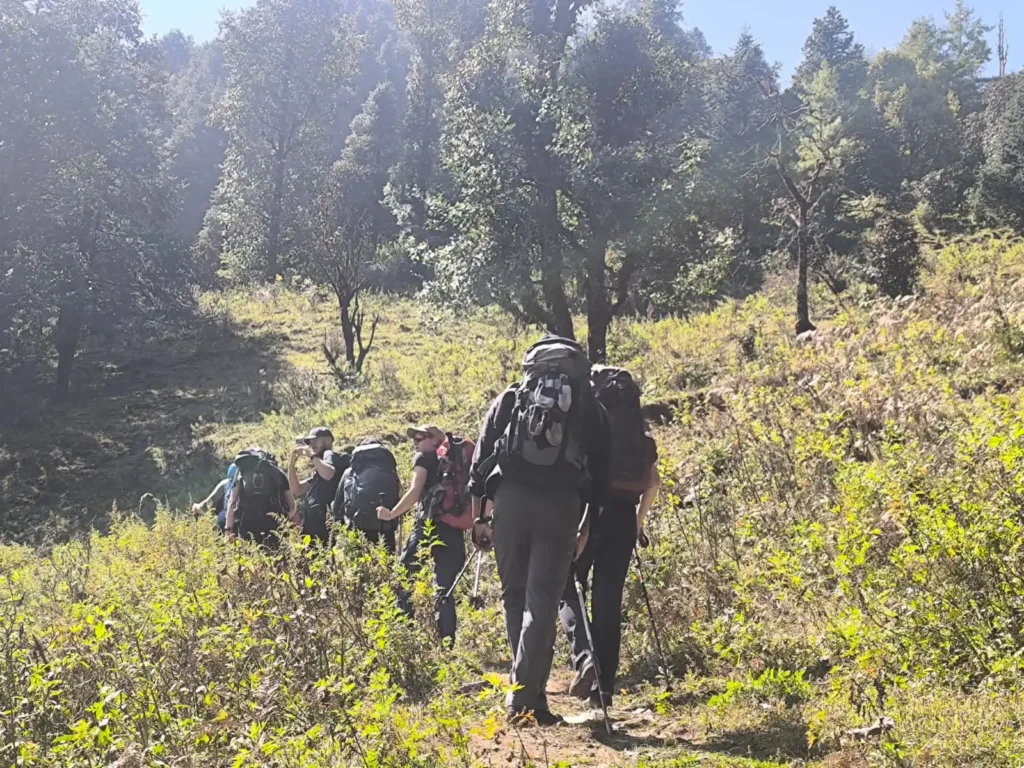
The Langtang Valley Trek is an adventurous journey through one of Nepal’s most scenic and culturally vibrant regions, nestled in the shadow of the majestic Himalayas. The trek starts with a picturesque drive from Kathmandu to Syabrubesi, the gateway to the Langtang region. We have been organizing 8 days’ langtang valley trek from more than 6 years with native experienced licensed guides. From here, trekkers embark on a trail that winds through lush forests, terraced fields, and traditional Tamang villages, providing a glimpse into the local way of life.
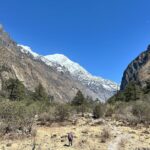
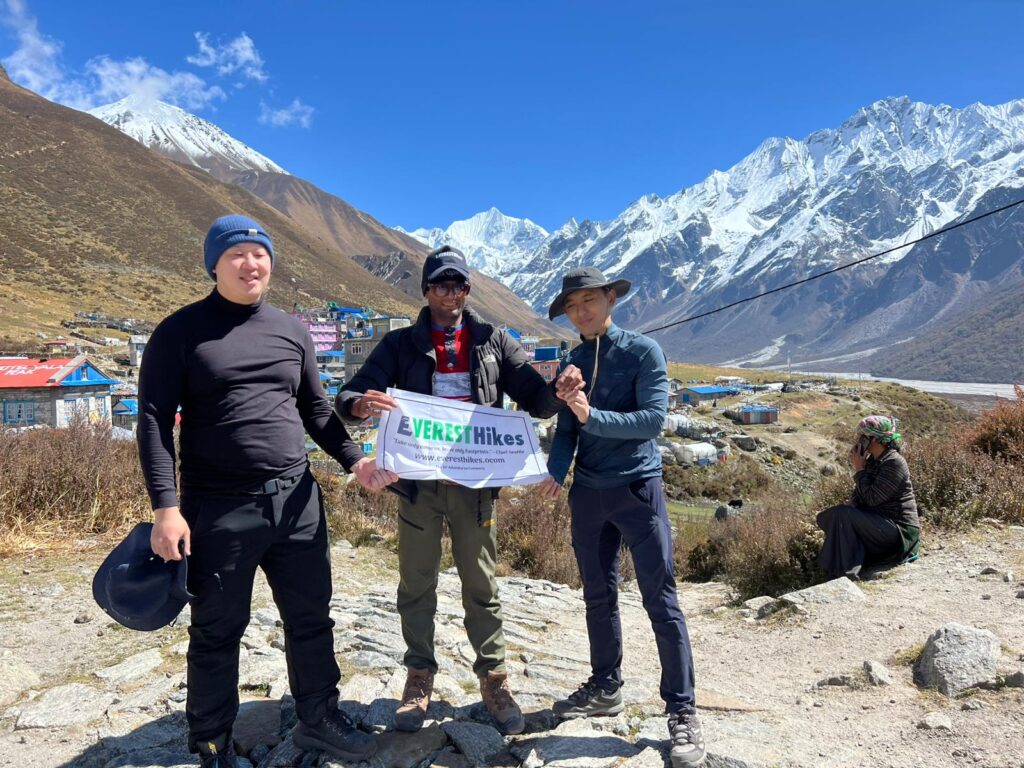
As trekkers ascend higher into the Langtang Valley, they are rewarded with breathtaking views of snow-capped peaks, including Langtang Lirung (7,227 meters) and Dorje Lakpa (6,966 meters). The trail passes through Langtang National Park, which is home to diverse flora and fauna, including rare species such as the red panda and the Himalayan Thar. Along the way, trekkers may encounter yaks grazing in high-altitude pastures and colorful prayer flags fluttering in the mountain breeze.
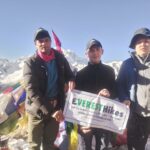
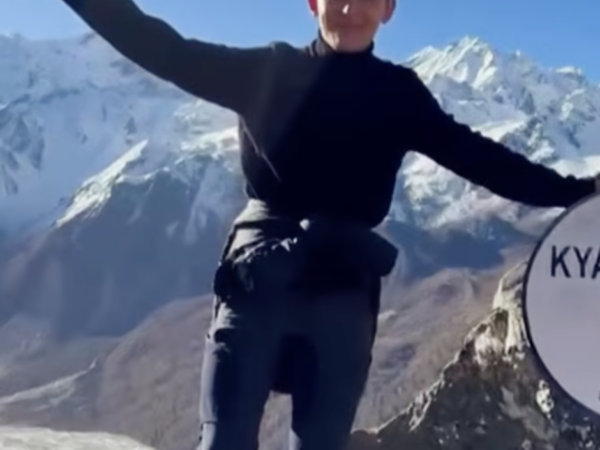
A highlight of the Langtang Valley Trek is the visit to the remote village of Kyanjin Gompa, situated at an altitude of 3,870 meters. Here, trekkers can explore the ancient monastery, interact with local monks, and enjoy panoramic views of the surrounding Himalayas. Trekkers can also hike to the stunning Kyanjin Ri viewpoint, which offers unparalleled vistas of the Langtang Himalayas.
After immersing themselves in the natural beauty and cultural richness of the Langtang Valley, trekkers retrace their steps back to Syabrubesi, concluding their journey with a sense of fulfillment and appreciation for the wonders of the Himalayas. The Langtang Valley Trek offers a perfect blend of scenic beauty, cultural encounters, and Himalayan adventure, making it a memorable experience for trekkers of all levels.
Highlights
- An inspirational vista of snow-capped peaks, such as Ganesh Himal and Langtang Lirung
- Hike through verdant alpine meadows, blossoming rhododendron slopes, and lush woodlands
- Trekking in the Langtang Valley, also known as the Valley of Glaciers
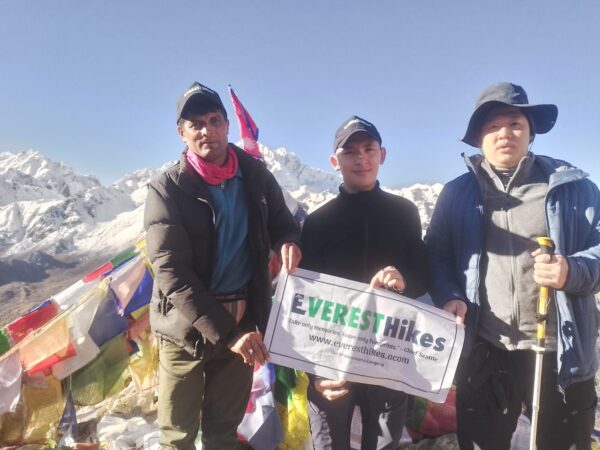
- Climb the well-known viewpoint, Tsergo Ri (5,050 m), for an incredible 360° vista
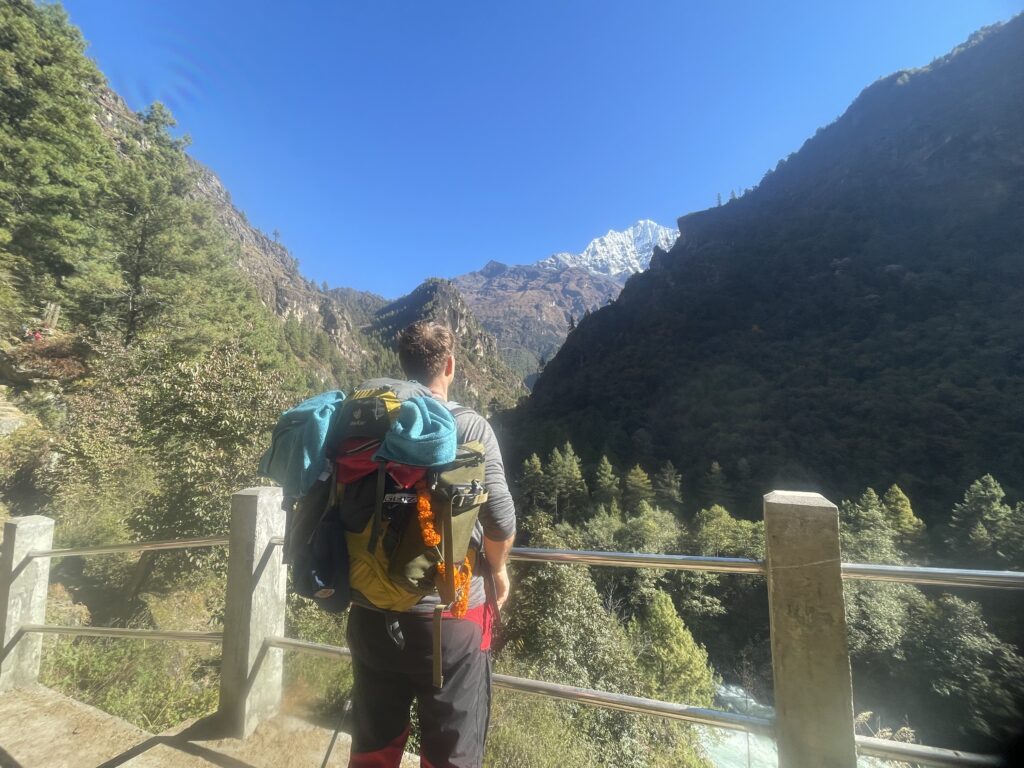
- Taking the forest route and going along the riverbank
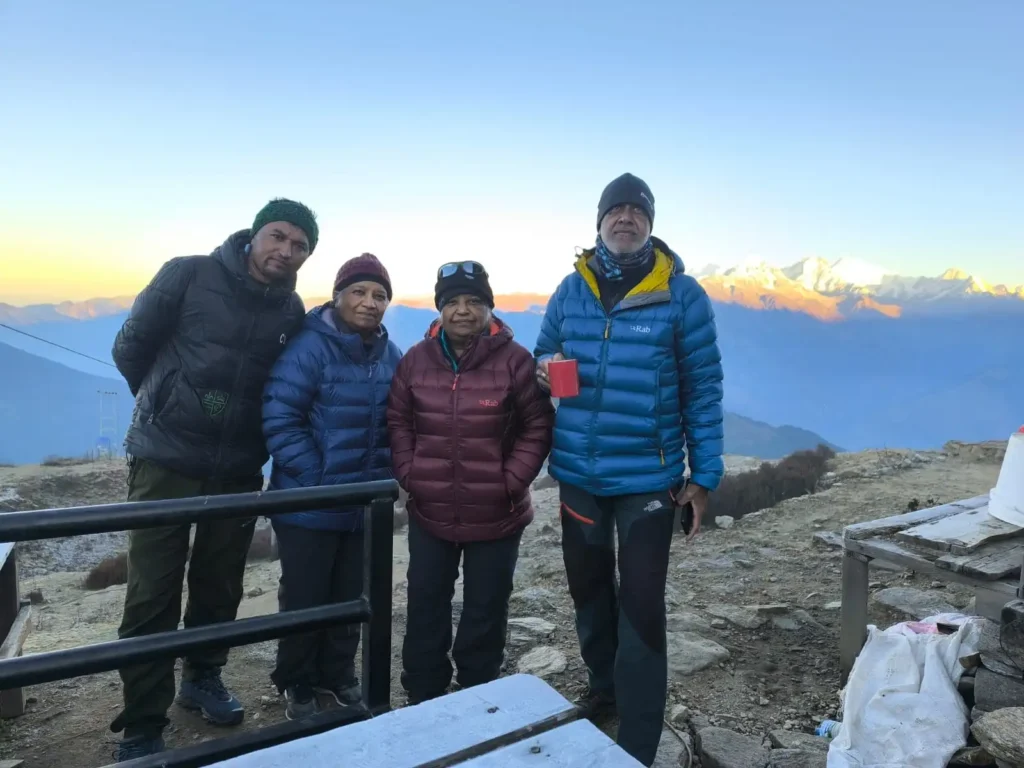
- Breathtaking sunrises and sunsets can be experienced from multiple spots along the trail
- Possibility of seeing some endangered animals, such langur monkeys and red pandas, etc.
- Immerse yourself in the distinctive customs and cordial welcome of the Tamang people
- The Distinctive Tamang and Tibetan Traditions and Culture
- The amazing and kind welcome of the locals
Experience the Magic of Langtang Valley Trek
Exploring Kyanjin Gompa at 3,870 meters
Travelers find themselves enchanted by Kyanjin Gompa, a picturesque village tucked away in the stunning Langtang Valley. This remarkable destination captivates visitors with its ancient Buddhist monasteries that have stood for centuries and a delightful local yak cheese factory. Trekkers often describe the experience of sampling the region’s purest, creamiest yak cheese as unforgettable, while learning fascinating insights about how the mountain communities live their daily lives.
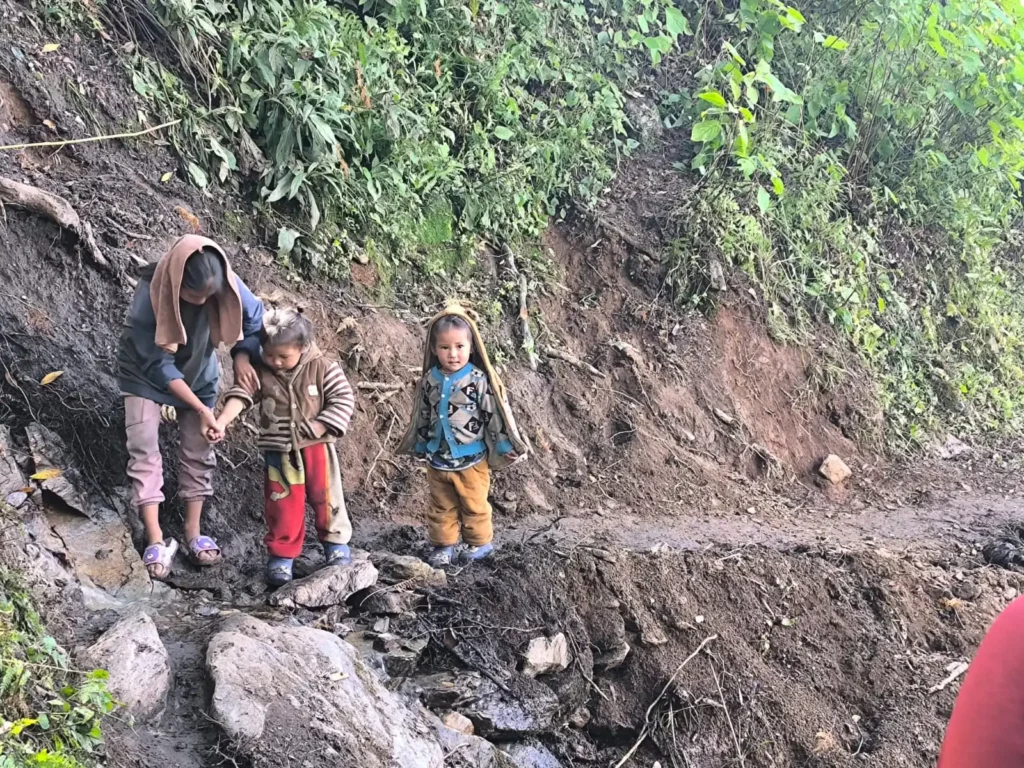
What makes this place truly special is wandering through the village streets, where visitors naturally connect with the welcoming locals and capture heartwarming moments with the cheerful children who call this place home. As the final teahouse destination on the beloved short Langtang Trek, Kyanjin Gompa provides trekkers with an ideal sanctuary to embrace the profound tranquility that only the Himalayas can offer.
Journey Through Langtang National Park
Adventure seekers discover that the Langtang Valley Trek meanders beautifully through the protected wilderness of Langtang National Park, a haven for unique wildlife, lush forests, and untouched natural beauty. Since its establishment in 1976, this expansive 1,710 square kilometer park, including its 420 square kilometer buffer zone, has provided countless visitors with opportunities to reconnect deeply with the natural world.
Trekkers consistently report that walking through these peaceful, isolated areas transcends typical hiking experiences, offering a profound mental and spiritual renewal that stays with them long after returning home.
Spectacular Mountain Panoramas
Every step along the trail rewards hikers with increasingly magnificent vistas that leave them breathless. The majestic peaks of Ganesh Himal, towering Langtang Lirung at 7,324 meters, impressive Dorje Lakpa reaching 6,966 meters, grand Gangchempo standing at 7,205 meters, mighty Porong Ri at 7,292 meters, and striking Yala Peak at 5,520 meters create an awe-inspiring backdrop that photographers dream about.
The ancient glacier moraines stretching across the northern landscape add dramatic depth to these mountain views, with Langtang Lirung emerging as the crown jewel against brilliantly blue skies that seem to stretch endlessly.
Comfortable Accommodations and Local Cuisine
Despite the remote mountain location, trekkers are pleasantly surprised to find inviting teahouses featuring cozy dining areas and satisfying traditional Nepali cuisine. The accommodations offer straightforward twin-bed rooms, with some locations providing private bathroom facilities for added comfort.
While the mountain communities may initially appear reserved, visitors quickly discover the genuine warmth and exceptional hospitality that defines these remarkable people. During busy trekking seasons, experienced guides recommend making advance reservations to guarantee the most comfortable lodging experience possible.
Discovering Rich Tamang Heritage
The Langtang region offers travelers an authentic cultural immersion with the Tamang people, who represent more than 80% of the local population. Their vibrant traditions, distinctive language, colorful traditional clothing, and captivating music provide visitors with rare glimpses into a way of life that remains largely unchanged by modern influences.
Trekkers often find themselves mesmerized by the rhythmic sounds of traditional instruments like the Damphu and Cello. Those fortunate enough to visit during February or March might witness the spectacular Sonam Lhochhar celebration, the joyous Tamang New Year festival filled with energetic music, graceful dancing, and infectious community spirit.
Sacred Gosainkunda Lakes at 4,380 meters
One of the trek’s most spiritually significant highlights awaits visitors at the holy Gosainkunda Lake. During winter months, this sacred body of water often transforms into a frozen wonderland, creating such smooth ice surfaces that adventurous trekkers have been known to glide across them like natural skating rinks.
This revered site, along with the surrounding spiritual lakes including Saraswati Kunda, Bhairab Kunda, Surya Kunda, and Naga Kunda, attracts devoted pilgrims from both Hindu and Buddhist traditions, offering visitors meaningful opportunities to witness and participate in the profound spiritual essence of the Himalayan region.
Tserku Ri Viewpoint at 4,984 meters
Adventure enthusiasts seeking the ultimate panoramic experience often undertake the challenging day hike to Tserku Ri from Kyanjin Gompa. This demanding climb covers approximately 1,100 meters of elevation gain, but those who complete the journey consistently describe the rewards as absolutely extraordinary.
From this spectacular vantage point, trekkers enjoy sweeping views across the entire Langtang Himal range, distant Tibetan mountains, and the magnificent Mt. Shishapangma rising to 8,027 meters as the world’s 14th highest peak. Visitors universally describe this moment as creating memories that will last a lifetime.
Best time for Langtang Valley Trek
Trekking to Langtang Valley is possible year-round, but spring and autumn are the best times to embark on the Langtang Trek. During autumn, the weather is mild with clear skies most days, creating ideal hiking conditions and offering spectacular views of the Himalayas throughout the trek.
The only downside to trekking in autumn is the crowded trails, although they are less crowded than those in the Everest or Annapurna regions. In spring, the temperature is warmer, but the sky can sometimes appear hazy.
Winter brings cold, harsh weather, especially at higher altitudes. Thick snow covers the trails, making trekking difficult, particularly above 3,500 meters. However, the clear skies offer stunning views. If you plan to trek to Langtang Valley in winter, ensure you have warm clothing and a high-quality sleeping bag.
Monsoon is the least popular time for trekking in Langtang due to unpredictable weather, muddy and slippery trails, and the increased risk of leeches in the dense forests. Trekking during this season requires careful planning and packing.
For detailed information about the best season and weather conditions, please visit our Langtang Valley Trek Best Time Guide.
Earthquake in Langtang
In 2015, Nepal was struck by a devastating earthquake measuring 7.8 in magnitude, with its epicenter in Barpak. The disaster caused widespread destruction across the country, including Kathmandu and several popular trekking regions such as Langtang, Annapurna, and Manaslu.
Among these, Langtang Valley suffered some of the heaviest damage. More than 250 lives were lost, and countless others were affected. The earthquake triggered massive landslides and floods that completely swept away Kyanjin village, leaving behind heartbreaking loss of life and property.
Today, the village has been rebuilt with resilience and hope, yet the traces of that tragic day remain visible, reminding visitors and locals alike of the valley’s painful history.
Trekking Permits for Langtang Valley Trek
If you’re planning the unforgettable Langtang Valley Trek, it’s important to know which permits are required to ensure a legal, safe, and seamless trekking experience in this beautiful Himalayan region.
1. Langtang National Park Entry Permit
This permit is mandatory as the Langtang region falls within Langtang National Park, one of Nepal’s oldest and most biologically diverse protected areas. The permit fee goes toward supporting conservation, trail maintenance, and local development initiatives.
- Cost for Foreigners: NPR 3,000 (approx. USD 23)
- SAARC Nationals: NPR 1,500
- Where to Get It: Available in Kathmandu (Tourism Board Office) or at the park entrance in Dhunche or Syabrubesi
2. TIMS Card (Trekkers’ Information Management System)
The TIMS card is designed to ensure the safety and security of trekkers throughout Nepal. It helps keep track of trekkers on the trail and provides important statistics for sustainable tourism planning.
- Cost: USD 20 per person
- Where to Get It: You can obtain the TIMS card in Kathmandu through a registered trekking agency
Outline Itinerary
Day 1: Drive from Kathmandu to Khanjim (2,280m) – 7-8 hours
Day 2: Trek from Khanjim to Rimche (2,324m) – 5-6 hours
Day 3: Trek from Rimche to Langtang Village/Mundu (3,330m) – 5-6 hours
Day 4: Trek from Langtang Village to Kyanjin Gompa (3,870m) – 4-5 hours
Day 5: Hike to Kyanjin Ri (4,773m) and return to Kyanjin Gompa – 5-6 hours
Day 6: Trek from Kyanjin Gompa to Lama Hotel (2,324m) – 5-6 hours
Day 7: Trek from Lama Hotel to Syabrubesi – 4-5 hours
Day 8: Drive back to Kathmandu – 7-8 hours
Optional Itinerary for Langtang Valley Trek: 5 Days’ Langtang Trek from Kathmandu
| Day | Activity | Altitude | Duration |
|---|---|---|---|
| 1 | Drive to Domen & Trek to Bamboo | 1,970 m (6,463 ft) | 6–7 hrs drive, 2–3 hrs trek |
| 2 | Trek from Bamboo to Thangshyap | 3,140 m (10,302 ft) | 6–7 hrs trek |
| 3 | Trek to Kyanjin Gompa & Hike to Kyanjin Ri | 4,773 m (15,419 ft) | 5–6 hrs trek + hike |
| 4 | Trek down to Rimche | 2,400 m (7,874 ft) | 7–8 hrs trek |
| 5 | Trek to Syabrubesi & Drive back to Kathmandu | 350 m (1,148 ft – Kathmandu) | 4–5 hrs trek, 6–7 hrs drive |
Please note that pricing for this optional itinerary is different from the standard package. Feel free to get in touch with us for a detailed breakdown of inclusions, exclusions, and the final price.
Langtang Valley Trek – 8 Days Itinerary
Drive from Kathmandu to Khanjim (2,280m) – 7-8 hours
Our Langtang Valley Trek starts with an early morning drive from Kathmandu to Syabrubesi. The road passes through the beautiful Nuwakot District, including places like Pipaltar, Majhitar, Battar Bazaar, Trishuli Bazaar, and Betrawati. During the drive, you can enjoy scenic views of green hills, rivers, traditional villages, and terraced farmland filled with maize and paddy fields.
Betrawati is located on the border of Nuwakot and Rasuwa districts. From there, the road continues uphill toward Syabrubesi. The drive takes around 6 hours by bus. After reaching Syabrubesi, we begin a short trek of about 1 to 2 hours to Khanjim.
Trek from Khanjim to Rimche (2,324m) – 5-6 hours
After breakfast, we will start our trek. The trail continues past the village and crosses a suspension bridge. We will then ascend alongside the Langtang Khola river through the forest until we reach Pairo, which takes about 3 hours. Here, we will take a lunch break. After lunch, we will continue trekking through deep forests to Bamboo, a journey of about 1.5 hours. The trail then ascends steeply through more forested areas, and we cross another suspension bridge before a final steep climb that brings us to Lama Hotel in about 2 hours.
Trek from Rimche to Langtang Village/Mundu (3,330m) – 5-6 hours
The trail continues through the forests until reaching Gumnachok, which takes about an hour and a half. From there, you hike to Godatabela, which takes approximately 2 hours. At this point, you can catch a glimpse of Langtang Lirung and take a lunch break.
After lunch, the trail passes through yak pastureland and forests, reaching Thangshyap in about 2 hours. The trail then ascends to Chyamki, a journey of about an hour and a half. You'll cross a suspension bridge and continue to Langtang village, which takes about an hour.
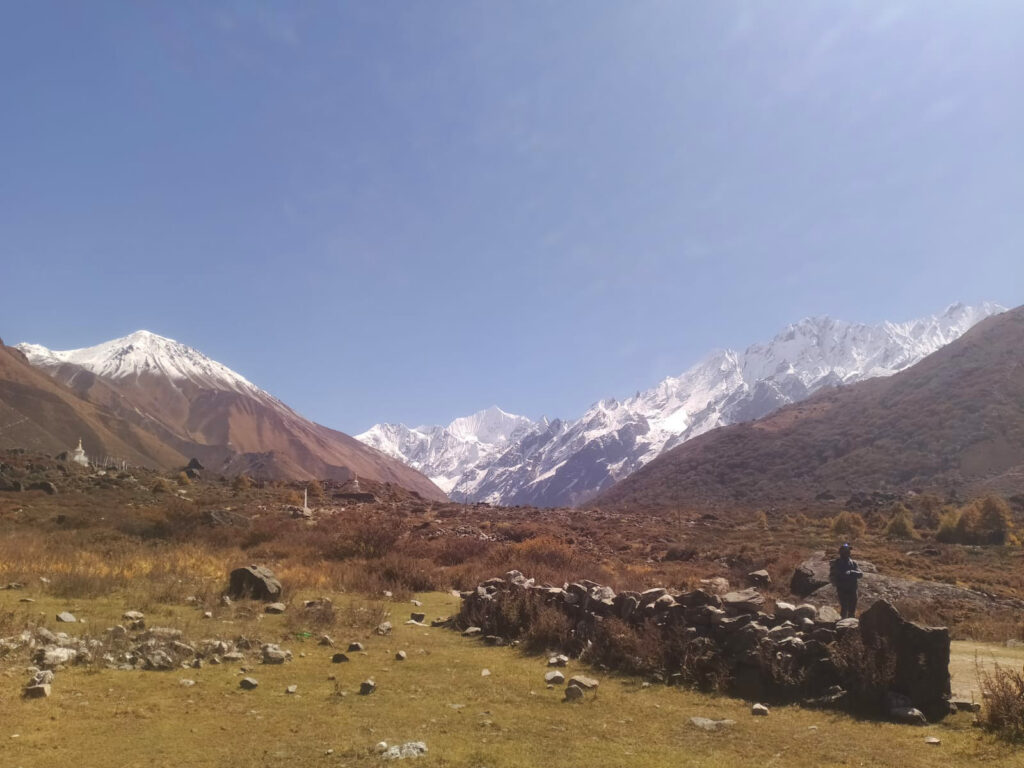
In Langtang village, you can enjoy a splendid view of Langtang Lirung, other peaks, and a beautiful waterfall. In the evening, you can visit an old monastery with your guide.
Trek from Langtang Village to Kyanjin Gompa (3,870m) – 4-5 hours
Today involves a brief walk from Langtang to Kyanjin Gompa. The trail winds through yak pastureland, and the journey to Kyanjin Gompa takes about three hours at a leisurely pace. Upon arrival, you'll have lunch. In the afternoon, you can explore Kyanjin Gompa and visit the Cheese Factory with your guide to sample yak cheese. Enjoy the stunning views of Langtang Lirung, Gangchempu, Nayakhang, and other peaks.
Hike to Kyanjin Ri (4,773m) and return to Kyanjin Gompa – 5-6 hours
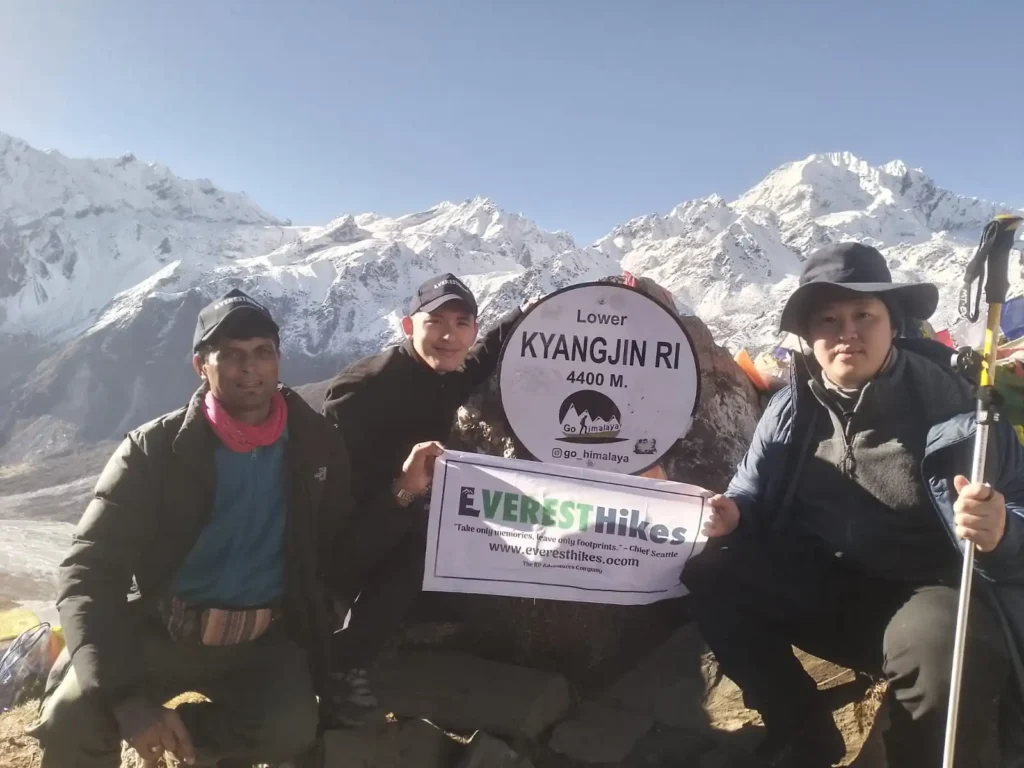
Today, we will hike to Kyanjin Ri, which stands at 4,773 meters. This peak is lower compared to Tsergo Ri, which can be challenging for beginners. If you're seeking more adventure, consider hiking to Tsergo Ri at 4,985 meters. Both hiking destinations offer stunning mountain views.
We begin our hike in the morning after breakfast. The first part of the trail is level and takes about 30 minutes to cross a small stream. Afterward, the trail becomes steep, with panoramic views of snow-capped mountains. The ascent to the top takes about three and a half hours. From Tsergo Ri, you can enjoy superb views of Langtang Lirung, Nayakhang, Gangchembu, the Ganja-La range, Yala Peak, Langshisha Ri, and other snowy peaks.
If you plan to explore more and spend extra time at the top, it's advisable to bring a packed lunch from your lodge. After enjoying the views, the descent back to the lodge takes about two and a half hours. Another day hiking destination from Kyanjin Gompa is Langshisa Kharka.
Trek from Kyanjin Gompa to Lama Hotel (2,324m) – 5-6 hours
The trail descends through yak pasture lands for about 2 hours until reaching Langtang. From there, you continue, crossing a suspension bridge and descending to Thangshyap in about 1 hour. Continuing through forests for another hour brings you to Godatabela, where you'll break for lunch. After lunch, the trail descends further until reaching Lama Hotel.
Trek from Lama Hotel to Syabrubesi – 4-5 hours
After breakfast, we trek downhill to Syabrubensi, which takes about 5 hours. Enjoy the gentle trail through lush green vegetation. Upon reaching Syabrubesi, we stop for lunch.
Drive back to Kathmandu – 7-8 hours
After breakfast, we return to Kathmandu. Upon arrival in Kathmandu, you will be transferred to your hotel. Spend the day at leisure, indulge in some last-minute shopping, or revisit any sights you may have missed on your first day in Kathmandu.
Inclusions
What's included
- Airport transfers - pickup and drop off
- Kathmandu to Syabrubesi by bus (Optional: Private Vehicle available upon your request)
- All land transportation as per the itinerary
- Meals (Breakfast, lunch, dinner) during the trek
- Teahouse accommodation during the trek
- An english speaking trekking guide
- Fresh fruits during the trek
- TIMS (Trekkers’ Information Management System) Card and Langtang National Park Permits
- Guide insurance with food and accommodation
- Government Taxes, local taxes (if any)
- First Aid Kits
- Down Jacket, Duffel bag, and Trekking pole
What's not included
- Nepal Travel Visa Fee
- Personal Medical and Travel insurance (Should cover helicopter evacuation)
- A porter to carry your luggage (1 porter can be used for 2 trekkers), will carry upto 20 - 25kgs: Cost USD $200
- Private jeep - cost USD $170 one way
- Guide, Porter and Driver tips
- Lunch and Dinner in Kathmandu
- All other personal expense of beverages (hard and soft drinks)
- All other things not mentioned in the inclusion.
Book The Dates
Upcoming Fixed Departures for 2026 & 2027
Join our group trips on the dates below, or reach out to arrange a private or family journey designed around your schedule.
What to Expect: Accommodation and Food During Your Trek
Authentic Mountain Hospitality Awaits
Your trekking adventure will immerse you in the genuine warmth of mountain hospitality. While the remote location means accommodations are simpler than city hotels, this creates an authentic experience that connects you directly with local culture and stunning natural surroundings.
Cozy Tea Houses and Guest Houses
Where You’ll Stay:
- Charming tea houses and guest houses operated by welcoming local families
- Simple, clean rooms with essential amenities
- Shared accommodations are common (single rooms are limited due to high demand)
- Some rooms include private bathrooms, while others have shared facilities
- Communal dining areas perfect for meeting fellow trekkers and chatting with friendly locals
- The evening atmosphere in these mountain lodges is truly special – imagine sharing stories and laughter in a warm dining hall after a rewarding day of trekking.
Delicious Mountain Cuisine
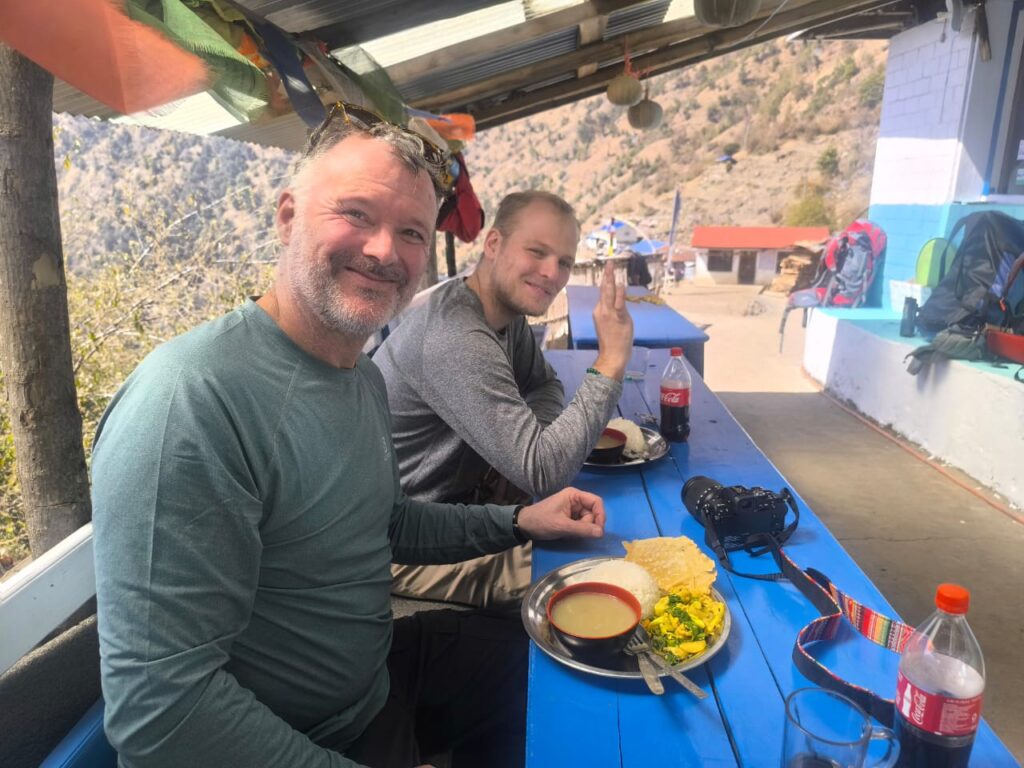
Your Daily Meals: The hearty mountain cuisine will fuel your adventure with three satisfying meals each day. Dal Bhat (Nepal’s beloved rice and lentil dish) forms the foundation of mountain dining, providing the perfect energy for high-altitude trekking.
Breakfast Options:
- Fresh Tibetan bread and toast
- Eggs prepared to your liking
- Hot tea, coffee, or local beverages
- Nutritious cereals and porridge
Lunch & Dinner Variety: As you gain altitude, meal options become more focused but remain delicious and filling:
- Traditional Dal Bhat (unlimited refills!)
- Comforting pasta and noodle dishes
- Warming soups perfect for mountain evenings
- International favorites like pizza and macaroni
- Crispy potato wedges and local specialties
Wi-Fi and Connectivity
Internet access in Langtang Valley exists, but it is limited. You will have to share the wifi with your fellow trekkers, so it might be slow some times.
Mobile Network
- Ncell works better than NTC in most areas.
- Signal is available in lower villages.
- Network becomes weak as you go higher.
- At Kyanjin Gompa, signal may disappear completely.
- Internet speed is slow everywhere.
Wi-Fi in Teahouses
- Most teahouses offer paid Wi-Fi.
- Price increases with altitude.
- Connection is basic, good for messages only.
- Video calls rarely work.
- Wi-Fi may stop during bad weather.
Power and Internet Issues
- Electricity comes mostly from solar power.
- Cloudy days mean weaker power.
- Internet may stop at night.
- Power cuts are common.
Practical Tips
- Inform family before the trek that contact may be limited.
- Download maps, music, and documents offline.
- Avoid depending on internet for navigation.
- Keep emergency contacts written on paper.
Connectivity in Langtang is enough for safety, not for work or heavy online use. So, don’t keep high expectations while trekking.
Gadgets and Electronics
You do not need many electronic items, but a few are very important. Make sure to carry the necessary items but don’t overpack because they feel more heavier in every step.
Essential Gadgets
- Mobile phone
- Power bank (at least 10,000 mAh)
- Charging cable
- Headlamp or torch
- Camera (optional)
Charging Facilities
- Charging is available in teahouses.
- Charging is not free.
- Cost depends on device and altitude.
- Charging time may be slow.
- Some lodges allow charging only in dining areas.
Battery Care
- Cold drains battery quickly.
- Keep devices inside sleeping bag at night.
- Switch phone to airplane mode.
- Reduce screen brightness.
- Close unused apps.
Optional Electronics
- Earphones
- Smartwatch
- GPS watch
- Small solar charger (useful but not reliable)
What Not to Carry
- Laptops
- Heavy camera gear
- Multiple gadgets
Simple electronics are enough for this trek. So, don’t make your pack a lot and make your bag pack very heavy.
Preparation and Fitness
Langtang Valley Trek is moderate trek. It doesn’t require you to be an athlete or a fitness freak. If you are healthy and have some fitness level you can definitely complete the trek easily.
Physical Fitness
- Walking time: 5 to 7 hours per day.
- Trails are well defined.
- No technical climbing.
- Some steep sections, especially after Lama Hotel.
- Altitude is the main challenge, not distance.
Fitness Preparation
- Walk daily for 30–60 minutes.
- Practice stairs if possible.
- Light jogging helps.
- Carry a small backpack during practice walks.
- Stretch legs and back.
Mental Preparation
- Walk slowly.
- Accept basic living conditions.
- Be ready for cold mornings and nights.
- Be patient with weather changes.
Acclimatization
- Rest days are important.
- Kyanjin Gompa is the main acclimatization point.
- Short hikes help the body adjust.
- Never rush uphill.
You do not need to be an athlete. Consistency and patience matter more. You should focus more on mental health rather than physical health.
Guide and Porter
Hiring a guide or porter makes the trek easier and safer. Guide will navigate you the way, it will be easy and you won’t get lost in the jungle. You will have a support, and a company when you go with the guide. Similarly, porter helps you make your journey very comfortable by carrying your back pack.
Guide
- Its compulsory to hire a guide.
- Helps with navigation.
- Explains culture and history.
- Watches for altitude sickness.
- Communicates with locals.
- Handles emergencies.
Porter
- Carries 15–20 kg.
- Reduces strain on knees and back.
- Helps you enjoy the scenery.
- Ideal if you are not used to carrying weight.
Cost and Benefits
- Cost is reasonable.
- Supports local employment.
- Adds safety and comfort.
- Allows you to walk freely.
Hiring a guide is mandatory but if it’s your first trek that porter will help to make the trip more easier.
Transportation and Flights
Langtang Valley Trek does not require flights. We can reach to the trek starting point by jeep or bus. It isn’t far away from Kathmandu valley.
Starting Point
- Trek starts from Syabrubesi.
- Syabrubesi is north of Kathmandu.
Road Travel
- Travel time: 7 to 9 hours.
- Roads are rough and winding.
- Landslides possible during monsoon.
Transport Options
- Local bus (cheap, slow)
- Tourist bus (slightly better)
- Private jeep (comfortable, expensive)
Return Journey
- Same route back to Kathmandu.
- Delays are common.
- Always keep one buffer day.
Travel Tips
- Start early in the morning.
- Carry snacks and water.
- Expect dust and bumps.
- Keep motion sickness medicine.
Road travel is tiring but manageable and avoids flight risks. Don’t worry though the roads are bumpy at some places the views are stunning.
Insurance and Visa
Insurance covers all your risks during the period of travel. These are important for safety and legality. And visa is obviously required for travelling, but don’t worry visa of Nepal is easy to get for most nationalities,
Nepal Visa
- Tourist visa available on arrival.
- Valid passport required.
- Visa duration options:
-15 days
-30 days
-90 days
- Payment accepted in cash and card.
Travel Insurance
Insurance is highly recommended, this will always help you for any risks and incidents that can occur during your travel.
Insurance should cover:
- High altitude trekking
- Medical emergencies
- Helicopter evacuation
- Hospital treatment
- Trip interruption
Insurance Tips
- Coverage up to at least 5,000 meters.
- Read policy carefully.
- Save digital and printed copies.
- Share insurance details with guide.
Do not trek without proper insurance. An insurance can save your life, help you at various unseen situation that might occur all of a sudden.
Explore the Best Treks in the Langtang Region
The Langtang region offers various alternative and reliable treks. The Langtang Valley Trek features picturesque villages and stunning mountain views, while the Ganja La Pass Trek presents a challenging route with breathtaking panoramas. The Tamang Heritage Trail provides cultural experiences and beautiful landscapes. The Langtang Gosaikunda Trek combines the beauty of Langtang Valley with the sacred Gosaikunda Lakes, known for their stunning glacial scenery. Short hikes to Kyanjin Ri and Tserko Ri offer spectacular views, while the Yala Peak Climb combines trekking with climbing for impressive vistas.
Altitude Sickness & Safety Tips for the Langtang Valley Trek
Langtang Valley is often called one of Nepal’s more beginner-friendly trekking routes—but don’t let that label fool you. You’re still heading deep into the Himalayas, where elevations climb past 4,000 meters (13,123 feet). And at that height, altitude sickness can sneak up on even the fittest trekkers.
But don’t worry—with the right precautions, you can enjoy a smooth and breathtaking journey. Let’s dive into the key safety tips to keep your adventure safe and enjoyable.
1. Give Your Body Time to Adapt
Altitude isn’t something you can power through. The key to a successful trek is acclimatization—taking it slow, letting your body adjust, and embracing the golden mountain rule: go slow to go far. Avoid sudden gains in altitude, take rest days, and listen to your body. If you feel dizzy, fatigued, or nauseous, don’t push forward—pause and let yourself recover.
2. Hydration Is Your Best Friend
Drinking plenty of water (around 3 to 4 liters per day) can be the simplest yet most effective way to help your body cope with the altitude. Dehydration can make altitude sickness worse, so keep your bottle close and sip often. Hot soups and herbal teas also help!
3. Say No to Alcohol & Smoking
A celebration drink at altitude? Bad idea. Alcohol and tobacco reduce oxygen levels in your blood, making altitude sickness more likely. Save the celebratory beer for when you’re safely back in lower elevations.
Langtang Valley rewards those who respect the mountains. Listen to your body, trek at a comfortable pace, and never hesitate to descend if you experience severe altitude sickness symptoms. If you want extra peace of mind, our guide who are experienced and friendly, can make all the difference—they know the terrain and can assist if things don’t go as planned.
At the end of the day, the mountains will always be there—your health comes first. Stay safe, trek smart, and enjoy every magical sunrise over the Langtang peaks!
Optional Extension: Yala Peak Climbing
Take your Langtang adventure to the next level with Yala Peak, one of the most accessible trekking peaks in Nepal.
Highlights:
- Panoramic summit views of Shishapangma (8,027m), Langtang Lirung, and surrounding Himalayas
- Beginner-friendly peak climbing with no prior technical experience required
- Ideal add-on for adventure seekers looking to extend their Langtang Trek
Duration: +3–4 days
Difficulty: Moderate (suitable for fit trekkers)
Learn more and plan your climb here: Yala Peak Climbing
Final Thoughts
The Langtang Valley Trek is one of the best option for people who want a real Himalayan experience without extreme difficulty. It has everything: glaciers, forests, local culture, and close mountain views. At the same time, it is accessible and manageable.
With basic fitness, simple preparation, proper insurance, and awareness of altitude, this trek becomes enjoyable and peaceful rather than stressful. You do not need advanced gears. What you need is patience, respect for nature, and a steady walking pace.
Langtang teaches you to slow down, breathe deeper, and appreciate simple mountain life and reward with the 360 degree mountain views.
Packing list for Langtang Valley Trek – 8 Days
Clothing Layers:
- Base Layers: Moisture-wicking thermal tops/bottoms
- Insulating: Fleece jacket, down jacket, warm sweaters
- Outer Shell: Waterproof/windproof jacket and pants
- Trekking Clothes: Quick-dry pants, UV-protection shirts
- Accessories: Sun hat, warm beanie, trekking gloves, moisture-wicking socks
Equipment:
Backpack: 40-50L with rain cover
Sleeping Bag: 4-season rated (-10°C to -20°C)
Trekking Poles: Adjustable and lightweight
Footwear: Waterproof trekking boots (well broken-in), camp sandals
Navigation & Safety: Headlamp, sunglasses (Cat 3-4), first aid kit
Personal Items: Sunscreen (high SPF), lip balm, toiletries, water purification
Gear Rental:
Sleeping bags, down jackets, and trekking poles are available for rent in both Kathmandu and Pokhara. However, when you book this package with us, these essential trekking gears are provided complimentary - no need to rent separately.