Introduction
Island Peak climb – 3 Days from Chhukung offers adventurers one of the most accessible yet thrilling high-altitude climbing experiences in the Himalayas. Known locally as Imja Tse, this magnificent peak stands at 6,189 meters and provides an ideal introduction to technical trekking peaks in Nepal. The 3-day Island Peak itinerary from Chhukung has become increasingly popular among experienced trekkers seeking a short adventure climb Nepal without compromising on the authentic Himalayan climbing experience.
Starting from Chhukung village climbing base makes perfect sense for several compelling reasons. Located at 4,730 meters, Chhukung serves as an excellent acclimatization point and eliminates the need for additional trekking days to reach higher elevations. This strategic positioning allows climbers to focus entirely on the Island Peak summit trek while maximizing their time in the mountains. The Chhukung to Island Peak route is well-established and offers stunning Himalayan mountain vistas throughout the journey.
This comprehensive 3-day Island Peak itinerary is specifically designed for experienced trekkers and climbers who have previous high-altitude climbing Nepal experience and are comfortable with technical climbing techniques. Those considering this short Himalayan climbing trek should possess adequate fitness levels and familiarity with climbing gear rental Kathmandu equipment, including crampons and rope climbing systems. For those seeking a more comprehensive experience with additional acclimatization time, consider exploring our detailed 16-day Island Peak climbing package that includes the complete Everest Base Camp trek.
Highlights of the 3-Day Island Peak Climb
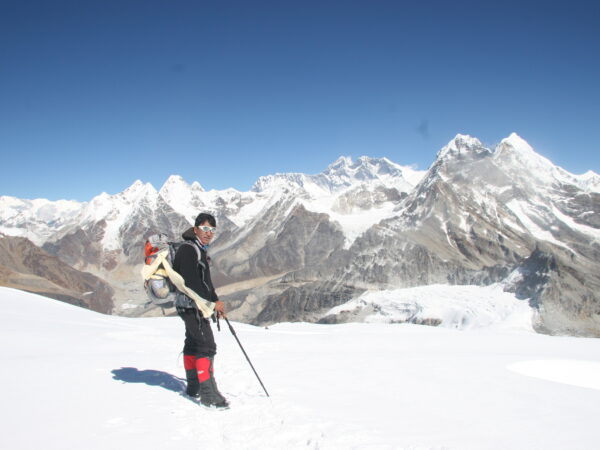
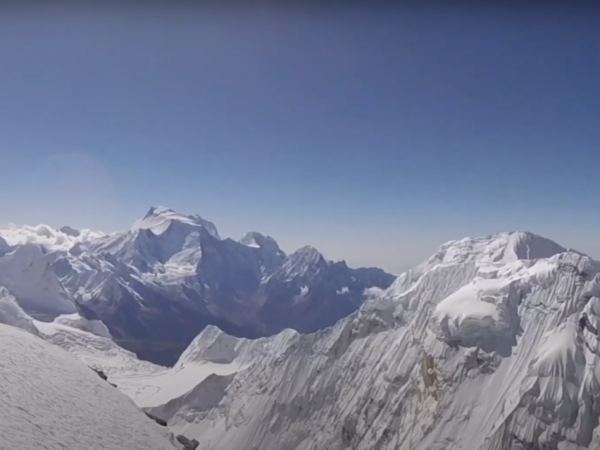
The Island Peak Base Camp climb offers an extraordinary array of experiences that make it one of the most sought-after trekking peaks Nepal has to offer. The panoramic Khumbu views from the summit are absolutely breathtaking, featuring unobstructed vistas of Mount Everest, Lhotse, Makalu, and numerous other towering giants of the Himalayas. These views from Island Peak summit create unforgettable memories that last a lifetime.
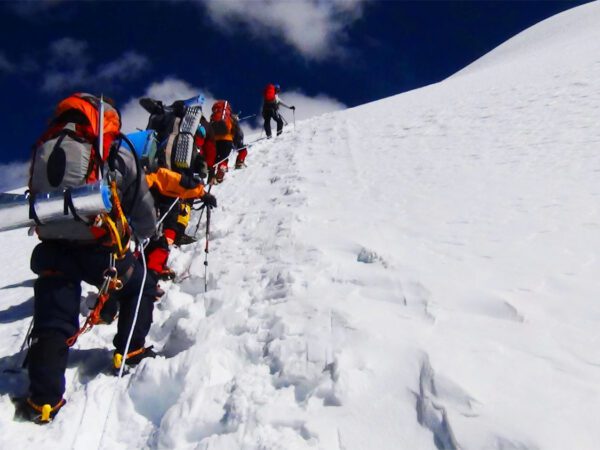
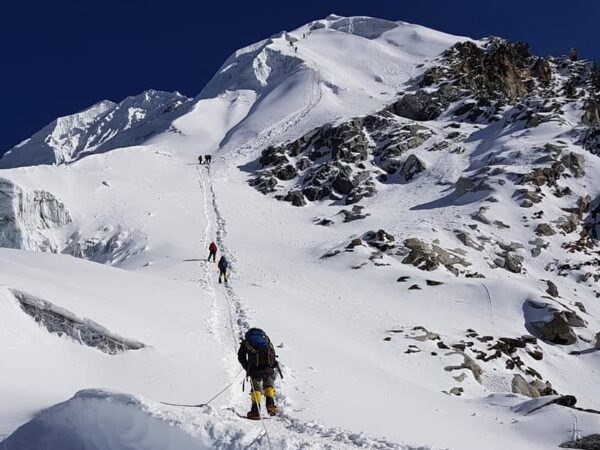
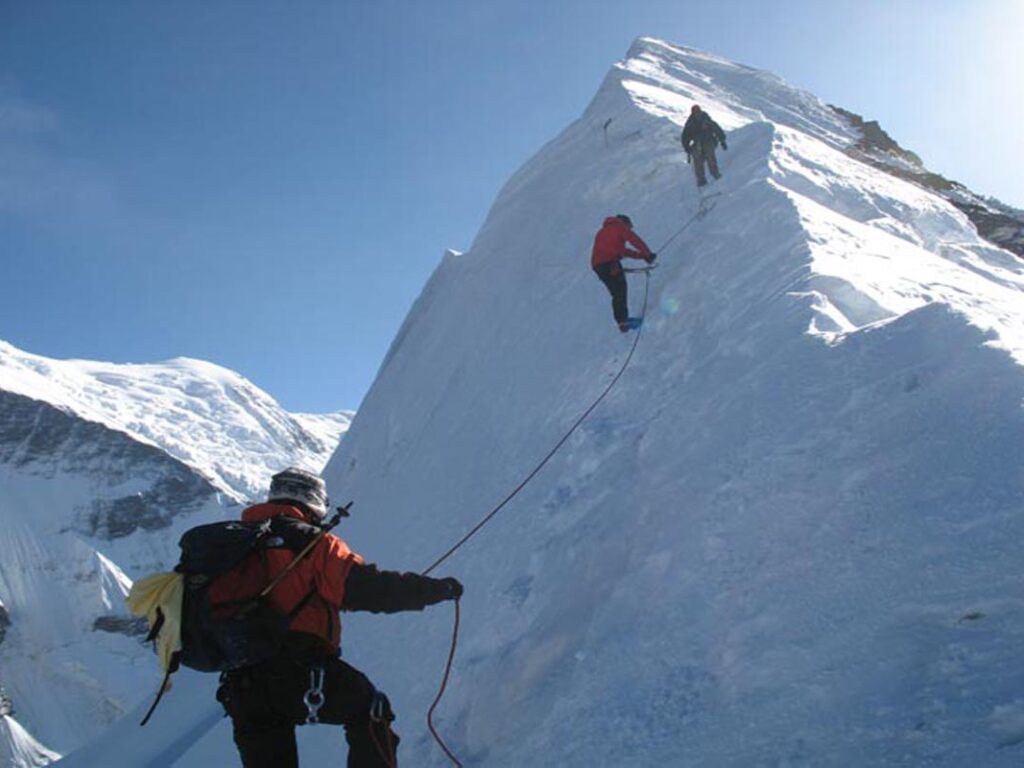
The technical climbing experience sets this expedition apart from standard trekking adventures. Climbers navigate through glacier crossings and crevasse zones, utilizing essential equipment such as ice axe and helmet while mastering crampons and rope climbing techniques. The ice wall climbing Nepal sections provide authentic mountaineering challenges that prepare adventurers for more advanced peaks.
The glacial and alpine scenery throughout the Khumbu valley mountaineering route showcases the raw beauty of the Himalayas. Participants traverse through spectacular glacier and moraine trekking terrain, witnessing the dramatic landscape changes from rocky moraines to pristine glacial formations. The camping gear for Island Peak setup at base camp provides an immersive experience in this pristine alpine environment.
Achieving the 6,189-meter summit in such a short duration makes this climb particularly appealing to those with limited time. The physically demanding Himalayan climb tests endurance while remaining achievable for well-prepared adventurers. This efficiency makes the Island Peak short climb an excellent choice for busy professionals seeking meaningful mountain experiences.
Outline Itinerary
Day 01: Trek from Chhukung to Island Peak Base Camp (5,100m)
Day 02: Summit Island Peak (6,189m) and return to Base Camp
Day 03: Trek from Base Camp back to Chhukung
Island Peak Climb – 3 Days from Chhukung Itinerary
Chhukung to Island Peak Base Camp (5,100m)
The first day of the Imja Tse expedition begins early from Chhukung teahouse accommodation, where climbers have their final comfortable night’s rest before heading into the wilderness. The duration of this trek typically ranges from 3 to 4 hours, depending on individual pace and acclimatization needs. The trail leads through fascinating glacier and moraine trekking terrain that gradually introduces climbers to the technical challenges ahead.
The terrain transitions from rocky paths to more challenging alpine environments as the elevation increases. Climbers cross glacial streams and navigate through boulder fields while enjoying spectacular Everest region trekking peaks views. The trail becomes progressively more technical, requiring careful attention to footing and route finding.
Upon reaching Island Peak base camp camping location at 5,100 meters, teams establish their tented accommodation setup. This is crucial time for acclimatization and training with Sherpa climbing guide Chhukung team members. Climbers practice essential skills including crampons and rope climbing techniques, ice axe usage, and safety procedures. The overnight stay at this Island Peak tented camp allows bodies to adjust to the altitude while preparing mentally for the summit push.
Summit Island Peak (6,189m) and Return to Base Camp
Summit day begins with an early morning start, typically around 2:00 AM, to take advantage of stable weather conditions and firm snow conditions. The technical climbing section overview includes navigating through challenging ice wall climbing Nepal sections that require proficiency with crampons and rope climbing systems. Climbers must be comfortable with use of ice axe and helmet while managing the physical demands of climbing in low oxygen zones.
The ascent involves crossing glacier crossings and crevasse zones that test technical skills and mental fortitude. Time estimates for reaching the summit typically range from 6 to 8 hours, depending on conditions and group pace. The physically demanding Himalayan climb challenges every aspect of a climber’s preparation and determination.
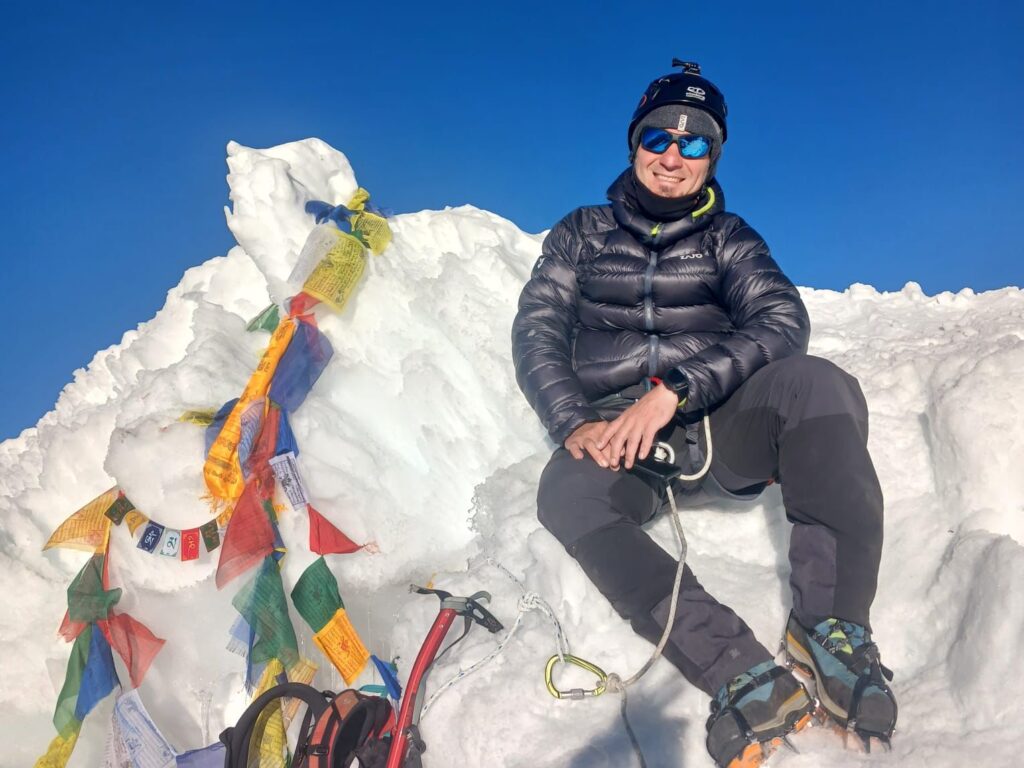
The summit experience rewards climbers with unparalleled panoramic Khumbu views that stretch across the entire Himalayan range. Views from Island Peak summit include close-up perspectives of Everest and Lhotse from Island Peak, creating photo opportunities and memories that justify every challenging step of the journey.
The return to base camp requires careful attention to safety protocols and proper descent techniques. Teams typically arrive back at the Island Peak base camp camping area by late afternoon, allowing time for rest and recovery before the final day’s descent.
Base Camp to Chhukung
The final day provides a welcome relief with an easy descent back to Chhukung village climbing base. This relaxed pace allows climbers to reflect on their achievements while enjoying the changing perspectives of the Himalayas climbing route. The descent typically takes 3 to 4 hours, providing ample time for photographs and celebration.
Teams often conduct a debrief session upon returning to Chhukung teahouse accommodation, sharing experiences and celebrating the successful completion of their short adventure climb Nepal. This final evening in comfortable accommodation provides an opportunity to process the remarkable journey and plan future climbing adventures.
Inclusions
What's included
- Professional Sherpa Climbing Guide starting from Chhukung, experienced in high-altitude ascents.
- All Required Island Peak Climbing Permits arranged in advance.
- Full Camping Support Crew, including tent accommodations and freshly prepared meals (breakfast, packed lunch, and dinner).
- Essential Climbing Gear Provided, including ice axe, helmet, harness, crampons, screw gate carabiners, and more.
What's not included
- Travel and Health Insurance, including coverage for emergency rescues and evacuations.
- Climbing Boots (available for rent at $20 per day – please inform us of your shoe size in advance).
- Sleeping Bags, Down Jackets, and Gloves (can be rented separately upon request).
- Personal Expenses, such as snacks, drinks, or additional gear.
- Tips for Climbing Guide (gratuity is appreciated and customary).
Required Permits and Regulations
The Island Peak permit cost 2025 structure includes several mandatory documents that all climbers must obtain before attempting this peak. The primary Island Peak climbing permit is issued by the Nepal Mountaineering Association and is essential for legal access to the climbing route. Current permit fees for Island Peak vary depending on the season and group size. Additionally, climbers must secure a Sagarmatha National Park permit, which provides access to the protected areas surrounding the peak. The TIMS (Trekkers’ Information Management System) card or Khumbu Pasang Lhamu Rural Municipality permit is also required for trekking in this region. Understanding the Island Peak climb cost breakdown helps adventurers budget appropriately for their expedition. These permit requirements ensure that climbers contribute to conservation efforts while maintaining safety standards throughout the Everest region trekking peaks area. For a complete cost analysis and detailed itinerary, refer to our comprehensive Island Peak climbing guide which includes all permit fees and expedition costs.
Physical and Technical Requirements
The Island Peak difficulty level requires climbers to possess excellent physical fitness and specific technical skills. This endurance trek Nepal demands cardiovascular fitness equivalent to running at sea level for several hours, combined with strength training focused on leg and core muscles. Prospective climbers should engage in regular hiking with weighted packs to simulate expedition conditions. Previous high-altitude climbing Nepal experience is highly recommended, though not always mandatory for well-prepared individuals. Familiarity with basic mountaineering techniques, including rope work and crampon usage, significantly increases success rates and safety margins. Those who prefer a more gradual approach with extensive acclimatization can explore our complete Island Peak expedition that includes the full Everest Base Camp journey. Gear familiarity is crucial for safe and efficient climbing. Participants must be comfortable with ice axe and helmet usage, understand proper crampon techniques, and know how to use climbing harnesses and ropes effectively. Many climbers benefit from taking basic mountaineering courses before attempting technical trekking peaks like Island Peak.
Essential Gears and Equipment
The personal gear checklist for Island Peak includes standard high-altitude climbing equipment and specialized technical gear. Essential items include insulated mountaineering boots compatible with crampons, warm sleeping bags rated for extreme temperatures, and layered clothing systems designed for alpine conditions. Climbing gear requirements include dynamic climbing ropes, mountaineering harnesses, climbing helmets, and technical crampons suitable for mixed terrain. Ice axes appropriate for glacier travel and steep ice sections are mandatory, along with glacier glasses and high-SPF sunscreen for protection against intense UV radiation at altitude. Climbing gear rental Kathmandu options provide convenient access to high-quality equipment for those who prefer not to purchase specialized gear. Many climbers also find rental options available in Chhukung or Dingboche, though selection may be limited compared to Kathmandu outfitters. The packed food for base camp requirements include high-energy provisions suitable for extreme conditions. Most expedition packages include meal planning, but climbers should understand nutritional needs for high-altitude performance and recovery.
Best Time for Island Peak Climb
The best season to climb Island Peak falls into two primary windows that offer optimal Island Peak weather conditions and safety margins. Spring climbing season from March to May provides gradually warming temperatures and increasingly stable weather patterns. This period offers excellent snow conditions and clear Himalayan mountain vistas. Autumn and spring climbing Nepal seasons from September to November present the most reliable weather windows. The post-monsoon clarity provides exceptional views from Island Peak summit while offering cooler temperatures that create firm climbing conditions on technical sections. Weather and safety considerations vary significantly between seasons. Spring conditions may include deeper snow but warmer temperatures, while autumn typically offers more predictable weather patterns with colder temperatures. Both seasons require careful monitoring of weather forecasts and flexibility in scheduling summit attempts. Climbing in low oxygen zones requires additional consideration regardless of season. The reduced atmospheric pressure at 6,189 meters affects all climbers, making weather windows even more critical for safe summit attempts.
Safety Tips and Acclimatization
Altitude sickness Island Peak prevention begins with proper acclimatization protocols and recognition of symptoms. Climbers should spend adequate time at intermediate elevations before attempting the summit, allowing their bodies to adapt to reduced oxygen levels gradually. The “climb high, sleep low” principle applies throughout the expedition. Hydration and nutrition play crucial roles in high-altitude performance and safety. Climbers should maintain consistent fluid intake and consume high-calorie foods to support their body’s increased metabolic demands. Avoiding alcohol and maintaining regular eating schedules help minimize altitude-related complications. The importance of Sherpa climbing guide Chhukung support cannot be overstated. Experienced local guides provide invaluable knowledge of route conditions, weather patterns, and emergency procedures. Their expertise in technical climbing sections and familiarity with evacuation routes significantly enhance expedition safety margins. Independent climber support systems should include communication devices, first aid knowledge, and contingency planning for various emergency scenarios. Even experienced climbers benefit from professional guide services when attempting technical trekking peaks in remote locations.
Cost and Inclusions
The approximate Island Peak climb cost breakdown varies depending on service levels and group sizes, but typically ranges from budget-friendly peak climb Nepal options to premium guided experiences. Most packages include essential services such as professional guiding, necessary permits, meals during the expedition, and camping gear for Island Peak. Standard inclusions in climbing packages in Nepal cover Sherpa climbing guide Chhukung services, Island Peak base camp camping equipment, permits and regulatory fees, and meals throughout the expedition. Many operators also provide group climbing equipment and technical support during challenging sections. Affordable Himalayan climb options often exclude personal insurance requirements, guide and porter tips, personal equipment, and evacuation insurance. Climbers should budget for these additional expenses when planning their expedition finances. Understanding what constitutes budget-friendly peak climb Nepal versus premium services helps adventurers choose appropriate expedition packages. Higher-cost options typically include better food quality, more comfortable camping equipment, and higher guide-to-client ratios. For detailed pricing information and package comparisons, visit our comprehensive Island Peak climbing guide which outlines all available options.
Conclusion
The Island Peak short climb from Chhukung represents an outstanding opportunity for experienced adventurers to experience authentic Himalayan mountaineering in a compressed timeframe. This weekend peak climbing itinerary maximizes adventure while minimizing time away from other commitments, making it ideal for busy professionals and dedicated climbers alike. The suitability of this 3-day Island Peak itinerary for those with limited time cannot be overstated. By starting from Chhukung village climbing base, climbers eliminate unnecessary approach days while focusing entirely on the technical and rewarding aspects of high-altitude mountaineering. The guided trekking peaks in Nepal experience provides safety and local expertise while allowing for personal achievement and growth.
Successful completion requires wise planning, appropriate preparation, and responsible trekking practices. Prospective climbers should honestly assess their fitness levels, technical skills, and experience before committing to this physically demanding Himalayan climb. Those who prepare adequately will find this Imja Tse expedition to be one of the most rewarding short adventure climb Nepal experiences available.
For those ready to take on this challenge, booking early provides the best selection of dates and services. Consider exploring Island Peak early booking discount opportunities and join Island Peak group departures for enhanced safety and camaraderie. Book Island Peak 2025|2026 expeditions well in advance to secure preferred dates and ensure proper preparation time.
Whether seeking beginner-friendly trekking peaks experiences or advancing toward more technical climbs, the Island Peak summit trek from Chhukung offers an perfect introduction to serious Himalayan mountaineering. For those who prefer a more comprehensive adventure with additional trekking days and better acclimatization, explore our detailed 16-day Island Peak climbing expedition that combines the complete Everest Base Camp experience with the summit attempt. With proper preparation, experienced guidance, and respect for the mountain environment, this expedition promises memories and achievements that will last a lifetime.