
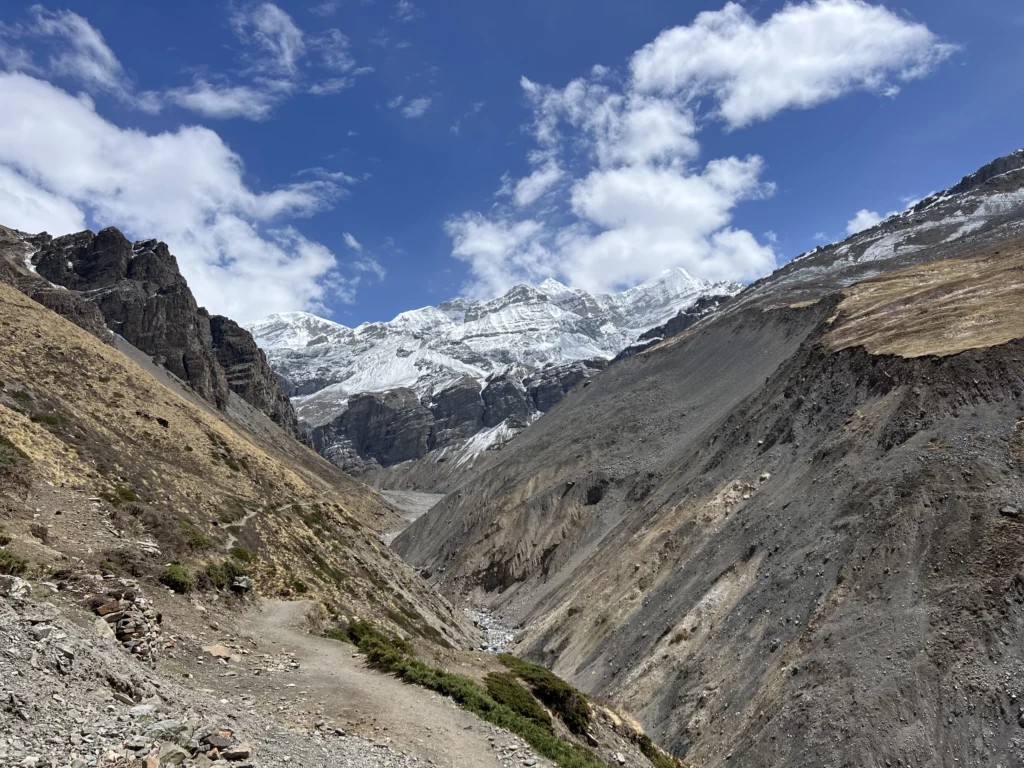
The world-renowned Annapurna trekking region has welcomed more than 2.63 million foreign tourists over the past 25 years, reaffirming its position as one of Nepal’s most important and trusted trekking destinations.
According to official data released by the Annapurna Conservation Area Project (ACAP), a total of 2,632,000+ international visitors entered the region between 2001 and 2025. The year 2025 marked a historic high, with 299,831 foreign tourists, the largest annual figure ever recorded.
Tourist arrivals in the Annapurna region have shown a long-term upward trend despite periodic setbacks. In 2001, the region received around 65,000 visitors, while during the Nepal Tourism Year 2011, arrivals crossed the 100,000 mark for the first time.
However, tourism was severely affected by the 2015 earthquake and later by the COVID-19 pandemic (2020–2021). At the height of the pandemic in 2021, only 16,105 tourists visited the region—the lowest figure on record. Since then, tourism has rebounded strongly, supported by renewed global travel confidence and improved connectivity.
Popular Destinations Driving Growth
ACAP Chief Dr. Robin Kadel stated that more than 177,000 visitors in the last year came from South Asian countries alone. He attributed the region’s sustained appeal to iconic trekking destinations such as:
These destinations continue to attract trekkers seeking high-altitude landscapes, cultural immersion, and diverse trekking experiences.
Concerns Over Road Expansion on the Annapurna Circuit
Despite the overall growth, stakeholders have raised concerns about the impact of road expansion along sections of the Annapurna Circuit. The presence of dusty, vehicle-access roads has reportedly affected the trekking experience in some areas.
Tourism observers note that this has led some experienced trekkers and international trekking companies to explore alternative routes, particularly those that preserve traditional trail conditions and scenic value.
A Globally Recognized Trekking Destination
The Annapurna Conservation Area spans 15 local administrative units across Kaski, Lamjung, Manang, Myagdi, and Mustang districts. It is widely regarded as one of the world’s premier trekking destinations, known for its natural beauty, biodiversity, and Himalayan lifestyle.
With established trekking infrastructure, community-run lodges, and a strong tradition of local hospitality, the region remains popular among both international and domestic tourists. Tourism experts emphasize that sustainable trail management and balanced infrastructure development will be key to maintaining Annapurna’s global reputation in the years ahead.