A Complete Seasonal Guide for the ABC Trek in Nepal
Planning Your ABC Trek Starts with One Key Question
Of all the decisions that go into planning a trek to Annapurna Base Camp, timing might be the most consequential. The trail sits inside one of Nepal’s most climatically dynamic regions, where a single ridge can separate sunshine from snowfall, and a shift of a few weeks can mean the difference between a sky full of Himalayan giants and a wall of monsoon cloud. Getting the timing right will shape every aspect of your experience, from the temperatures you sleep in at 4,130 metres to the quality of the views you carry home.
At Everest Hikes Pvt Ltd, we have guided trekkers through the Annapurna Sanctuary across every calendar month. This guide draws on that on-ground experience to give you an honest, detailed breakdown of what to expect in each season, so you can match the trek to your goals, your fitness, and your travel schedule.
Seasonal Overview: At a Glance
The table below summarises the four trekking seasons on the Annapurna Base Camp trail. Use it as a quick reference before diving into the detailed seasonal guides below.
| Season | Months | Weather | Crowd Level | Best For |
| Spring | Mar – Jun | Clear, mild, blooms | High | First-timers, photographers |
| Monsoon | Jul – Sep | Wet, lush, misty | Low | Solitude, budget trekkers |
| Autumn | Oct – Nov | Crystal clear, stable | Very High | Views, culture, all levels |
| Winter | Dec – Feb | Cold, snowy, harsh | Very Low | Expert adventurers |
Month-by-Month Weather and Trekking Conditions
Understanding how conditions shift across the twelve months gives you a granular picture that broad seasonal labels often miss. The figures below reflect typical conditions at the range of elevations you will pass through, from the subtropical lower sections near Nayapul to the high alpine environment at Annapurna Base Camp itself.
| Month | Avg Day Temp | Avg Night Temp | Trail Condition | Crowd Level |
| January | 0-5°C | -10 to -15°C | Snow-covered | Very Low |
| February | 2-7°C | -8 to -12°C | Snow, improving | Low |
| March | 8-15°C | -5 to -8°C | Clearing, some snow | Moderate |
| April | 12-18°C | -3 to -5°C | Excellent | High |
| May | 15-20°C | 0-3°C | Excellent, some clouds | High |
| June | 18-22°C | 5-8°C | Good, pre-monsoon | Moderate |
| July | 20-25°C | 8-12°C | Wet, slippery | Low |
| August | 20-24°C | 8-12°C | Wet, leeches | Low |
| September | 18-22°C | 5-8°C | Improving | Moderate |
| October | 14-20°C | -1 to -4°C | Ideal | Very High |
| November | 8-14°C | -3 to -6°C | Dry, excellent | High |
| December | 2-7°C | -8 to -12°C | Snow above MBC | Very Low |
April and October consistently stand out as the peak months for a reason: they sit at the sweet spot of each major trekking season, offering stable weather before conditions shift in either direction.
Spring Season (March to June): Colour, Clarity, and Comfortable Temperatures
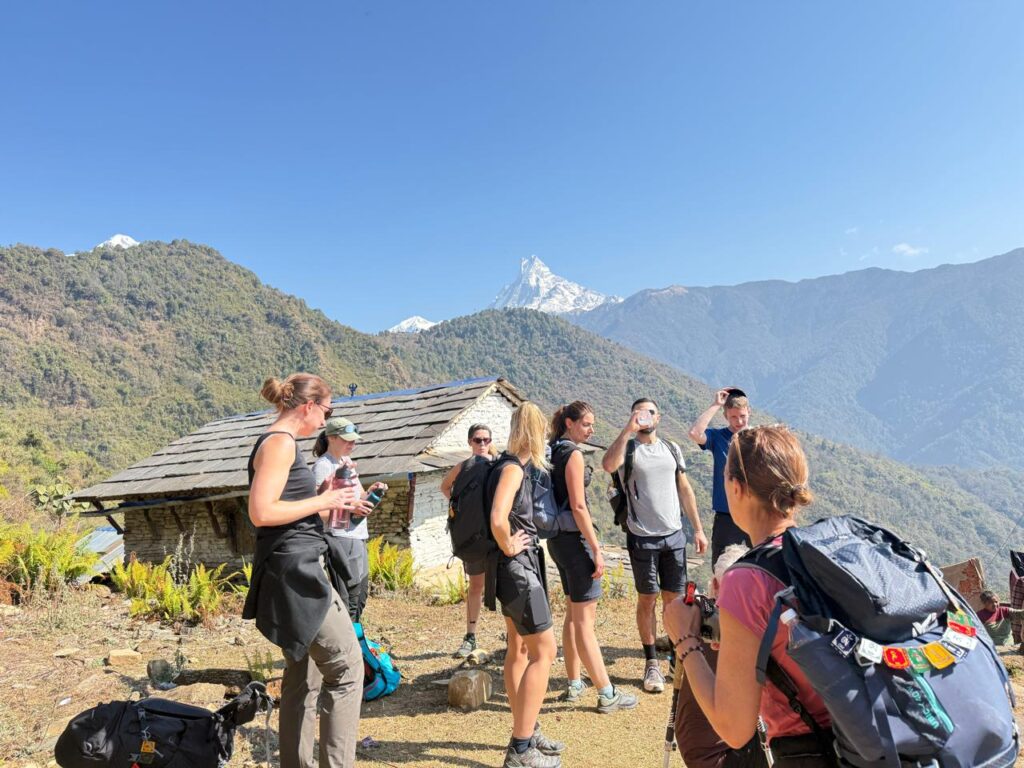
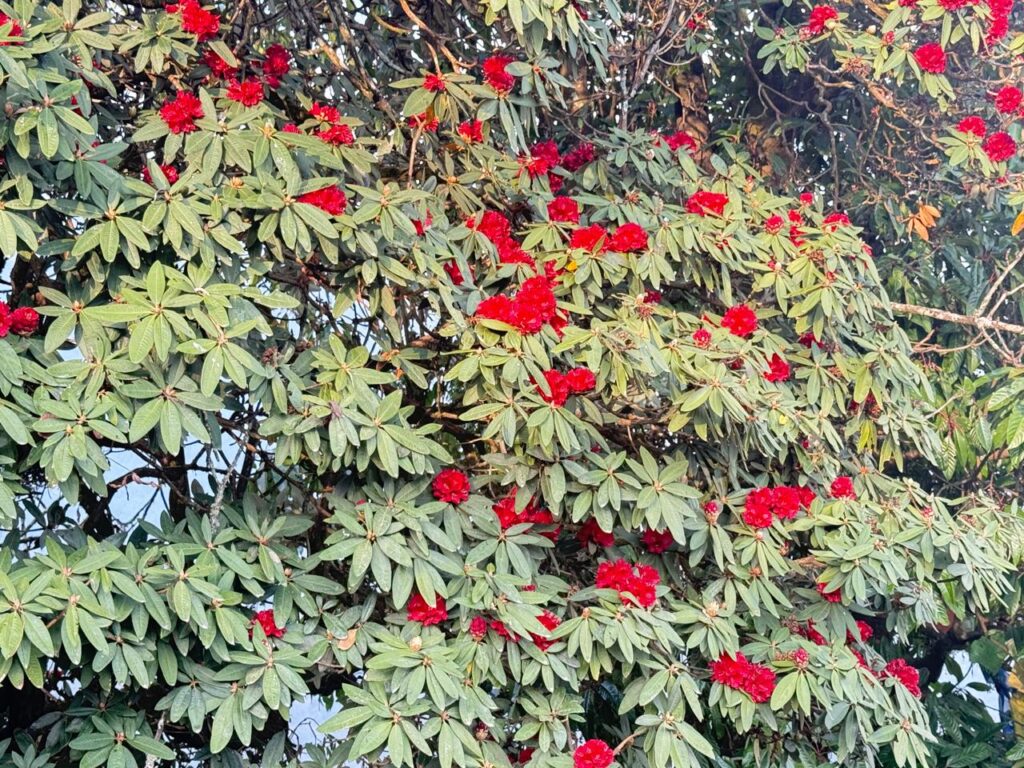
Spring is the first of the two prime trekking windows on the Annapurna Base Camp trek and, for many trekkers, the most visually spectacular. As winter retreats from the lower valleys, the hillsides between Sinuwa and Himalaya village ignite with rhododendron blossom, Nepal’s national flower, painting the forest in deep crimson, pink, and white. Walking through these sections in late March or April feels like moving through a living landscape that the rest of the year simply does not offer.
Daytime temperatures at lower and mid-elevations sit comfortably between 10°C and 20°C, warm enough for light layers during the walk but not so hot that long ascents become draining. Higher up near Deurali, Machhapuchhre Base Camp, and Annapurna Base Camp, expect daytime readings of around 5°C to 12°C, with nights dropping toward minus 5°C to minus 8°C. In March and early April, you may still encounter snow above 3,500 metres, but conditions typically improve steadily as the season advances.
Mornings in spring are often the highlight of the entire trek. Clear skies over Annapurna Base Camp at sunrise produce views of Annapurna South, Annapurna I, Hiunchuli, and Machhapuchhre (Fishtail) that are genuinely difficult to describe. By early afternoon, cloud build-up is common at higher elevations, which is normal for the season and rarely causes problems for trekkers who start walking early.
Pros of Trekking in Spring
- Rhododendron forests in full bloom, particularly between Sinuwa and Himalaya
- Stable, predictable weather with comfortable daytime temperatures
- Excellent morning visibility and sunrise views from Annapurna Base Camp
- Trails are dry and well-maintained after winter
- Active teahouses with full services along the entire route
- A social trail atmosphere with trekkers from around the world
Cons of Trekking in Spring
- Peak months (April and May) bring the highest crowd levels of the year
- Advance teahouse booking is essential, especially at popular stops like Chhomrong and Deurali
- Afternoon cloud cover can limit afternoon photography above Machhapuchhre Base Camp
- Occasional late-season snow above MBC in early spring can add route complexity
Who Spring is Best For
First-time trekkers, nature and wildlife enthusiasts, photographers chasing colourful landscapes, and anyone who values balanced weather over solitude. If this is your first visit to the Annapurna region, spring gives you the most forgiving and rewarding conditions overall.
Summer and Monsoon Season (July to Mid-September): Green, Quiet, and Wild
Mention the monsoon to most trekkers and they picture muddy trails and cancelled plans. That picture is not entirely wrong, but it is incomplete. The Annapurna region during the monsoon transforms into a landscape of remarkable intensity: hillsides turn an almost impossible shade of green, waterfalls pour off cliffs in thick white curtains, and the entire ecosystem comes alive in a way that no other season can replicate.
Daytime temperatures in the lower valleys sit between 20°C and 25°C, making the walking warm but not oppressive. Nights at altitude remain cool, with temperatures around minus 1°C to 2°C near Annapurna Base Camp. Rainfall is frequent and can be heavy, particularly in July and August, and trails above the treeline can become slippery on wet rock. Leeches are common in forested sections between the trailhead and Bamboo, which is something worth preparing for rather than being surprised by.
The single biggest advantage of monsoon trekking is solitude. Teahouses that are fully booked in October are nearly empty in August, and you will cover long stretches of trail without passing another group. For trekkers who find crowds disruptive or who simply want a more contemplative experience in the mountains, this period has genuine appeal.
Pros of Trekking in Monsoon
- Very few other trekkers on the trail, offering real peace and quiet
- Lush, vivid scenery that spring and autumn cannot match
- Dramatic cloud formations, misty valleys, and post-rain clearings
- Teahouses are available without advance booking
- Waterfalls and rivers at their most spectacular
- Lower accommodation and package costs in most cases
Cons of Trekking in Monsoon
- Frequent rainfall reduces mountain visibility for extended periods
- Muddy, slippery trails increase fatigue and risk of falls
- Leeches in forested sections from the trailhead through Bamboo
- Landslide risk on approach roads, particularly to Jhinu Danda
- Sudden mountain views are possible but cannot be relied upon
Who Monsoon is Best For
Experienced trekkers with previous high-altitude exposure, those seeking solitude and raw natural beauty, budget-conscious travellers, and anyone with a flexible itinerary who can absorb weather-related delays.
Autumn Season (Late September to November): The Gold Standard for Himalayan Trekking
If you ask a Nepal-based trekking guide to name their preferred season for the Annapurna Base Camp trek without hesitation, most will say October. Autumn is widely regarded as the most reliable trekking window in Nepal, and the Annapurna region demonstrates exactly why. After the monsoon clears the atmosphere of dust and haze, the Himalayas emerge with a sharpness and scale that feels almost theatrical.
Daytime temperatures at mid-elevation villages like Chhomrong typically sit between 12°C and 20°C, dropping to around minus 3°C to minus 4°C at night near Annapurna Base Camp. The trail surface is firm and dry, and the skies above the sanctuary are consistently clear in the mornings. The stretch between Machhapuchhre Base Camp and Annapurna Base Camp is particularly impressive in this season, with open glacial terrain and an almost 360-degree panorama of peaks that includes Annapurna South, Hiunchuli, and the iconic silhouette of Machhapuchhre.
Autumn also coincides with Nepal’s major festival calendar. Dashain and Tihar fall during October and November respectively, and trekking through villages decorated for these celebrations adds a layer of cultural richness to the experience that is genuinely worth seeking out.
One practical note: the lower sections of the trail, particularly between Himalaya village and Bamboo, can still receive occasional rainfall during the early part of the autumn season. Carrying a lightweight rain shell remains sensible even in what is otherwise Nepal’s driest trekking period.
Pros of Trekking in Autumn
- The clearest mountain visibility of the entire year
- Stable, dry trail conditions throughout most of the route
- Comfortable walking temperatures with cool, manageable evenings
- Cultural richness from Dashain and Tihar festival celebrations
- Golden paddy fields and harvest season scenery in lower villages
- Full teahouse services with experienced staff
Cons of Trekking in Autumn
- October is the busiest month on the entire Annapurna network
- Advance booking for teahouses is essential, especially at peak stops
- Higher demand means accommodation can be limited and pricing elevated
- Occasional early-season rainfall on the lower trail in late September
Who Autumn is Best For
This season suits almost everyone. First-timers wanting reliable conditions, photographers chasing crystal-clear panoramas, cultural travellers timing their trek to coincide with Dashain, and experienced trekkers who want the most comprehensive version of the ABC experience.
Winter Season (December to February): An Uncompromising Himalayan Challenge
Winter on the Annapurna Base Camp trek is not an experience to approach lightly. Snowfall accumulates steadily above Deurali from December onward, and by January the trail between Machhapuchhre Base Camp and Annapurna Base Camp can be buried under a metre or more of snow in heavy years. Nighttime temperatures at Annapurna Base Camp can fall to minus 15°C, and at lower villages like Chhomrong and Bamboo, daytime readings rarely climb above 5°C.
That said, winter has its own extraordinary rewards for those who are genuinely prepared. The trail is almost entirely empty, and the Annapurna Sanctuary becomes a silent, white world that feels set apart from normal trekking experience. On days when the weather clears, the sky above the peaks takes on a deep, cold blue that high-altitude photographers consider some of the most striking conditions of the year. Teahouses remain open year-round on the Annapurna Base Camp route, though services are reduced and menus are more limited in the depths of winter.
Pros of Trekking in Winter
- Near-complete solitude on the trail
- Pristine snow-covered landscape through the entire sanctuary
- Exceptional cold-weather clarity on clear days
- A genuinely distinctive and challenging Himalayan experience
Cons of Trekking in Winter
- Extreme cold at night, particularly above Deurali and at ABC
- Heavy snowfall can block the upper trail or require crampons and ice axe
- Avalanche risk increases significantly above Machhapuchhre Base Camp
- Limited teahouse menus and reduced staff at most stops
- Completely unsuitable for trekkers without prior high-altitude cold-weather experience
Who Winter is Best For
Highly experienced trekkers with a history of cold-weather trekking, mountaineers comfortable with snow and ice travel, and those specifically seeking solitude and an extreme environment. Not suitable for beginners or those without appropriate gear and preparation.
Altitude and Safety Considerations
Annapurna Base Camp sits at 4,130 metres above sea level. While this is lower than Everest Base Camp, the altitude is sufficient to cause acute mountain sickness in trekkers who ascend too quickly or who are susceptible to altitude-related illness. The risk is present year-round and is not significantly changed by the season, though winter cold compounds the physical demands on the body.
The following practices reduce altitude risk regardless of when you trek:
- Follow a well-paced itinerary that builds in at least one acclimatisation day at Chhomrong or Bamboo
- Stay well-hydrated throughout the trek, particularly above 3,000 metres
- Descend immediately if you experience worsening headache, loss of coordination, or confusion
- Carry a basic first aid kit and consider travel insurance that covers high-altitude evacuation
- Discuss your medical history with your guide before departure if you have any cardiovascular or respiratory conditions
The specific altitude and safety section of our ABC Trek difficulty guide covers these considerations in more detail. We strongly recommend reading it alongside this seasonal guide before finalising your itinerary.
What to Pack Based on Your Season
Your packing list should be built around the season you choose. Carrying unnecessary items adds weight and fatigue; leaving out critical gear creates risk. The following seasonal packing priorities reflect what our guides consistently recommend based on years of client feedback.
Spring Packing Essentials
- Moisture-wicking base layers for warm daytime walking
- Insulating mid-layer (down or synthetic) for nights above 3,500 metres
- Lightweight rain jacket for afternoon cloud and occasional showers
- Sunscreen (SPF 50+), sunglasses, and a sun hat for strong UV at altitude
- Trekking poles for steep descents, especially between Machhapuchhre Base Camp and Chhomrong
Monsoon Packing Essentials
- Full waterproof outer layer, jacket and trousers, rated for sustained rain
- Waterproof pack cover and dry bags for electronics and documents
- Leech socks or gaiters for forested trail sections
- Quick-dry clothing for the full trip
- Trekking poles for unstable wet ground
Autumn Packing Essentials
- Light to mid-weight layers for comfortable daytime temperatures
- Warm insulating layer and hat for evenings at altitude
- Rain jacket as a backup for early-season rainfall
- High-quality sleeping bag rated to minus 10°C for higher elevation teahouses
- Camera gear and extra batteries, cold affects battery life significantly
Winter Packing Essentials
- Expedition-grade insulation, both down jacket and insulated trousers
- Sleeping bag rated to minus 20°C or below
- Waterproof and insulated outer shell
- Microspikes or crampons for icy trail sections above Deurali
- Balaclava, liner gloves under waterproof mitts, and neoprene-lined boots
For a complete seasonal checklist, refer to our Annapurna Base Camp Trek packing list guide, which includes items specific to each altitude zone on the route.
Expert Insight from Our Nepal-Based Team
From the Trail: Our Local Trekking Experts Say
“October gets the most attention, and for good reason, but we often tell clients that late April is genuinely underrated. The rhododendrons are still in bloom at higher elevations, the main spring crowds have not yet peaked, and the mornings at Annapurna Base Camp are some of the most spectacular we see all year. Whatever season you choose, the single most important thing you can do is give yourself enough days. The trekkers who feel rushed are the ones who miss the experience. Budget for at least 10 to 12 days rather than trying to complete the route in seven.” – Trekking Operations Team, Everest Hikes Pvt Ltd, Kathmandu
Our team at Everest Hikes Pvt Ltd has been leading guided treks in the Annapurna region for many years. We hold current permits, maintain relationships with teahouse owners along the full route, and monitor trail and weather conditions on an ongoing basis during trekking seasons. This means the advice we offer is grounded in what is actually happening on the trail, not just general mountain meteorology.
Frequently Asked Questions
Which months are considered the very best for the ABC Trek?
April and October are the peak months for a reason. April combines stable spring weather with rhododendron season, while October delivers post-monsoon clarity and some of the most reliable trail conditions of the year. Both months offer a high-quality experience, and the choice between them comes down to personal preference for colour versus clarity.
Can beginners complete the Annapurna Base Camp Trek?
Yes, with appropriate preparation. The route is well-established with clearly marked trails, regular teahouse stops, and gradual altitude gain. Spring and autumn are the recommended seasons for those without prior high-altitude trekking experience. Good cardiovascular fitness and a full acclimatisation schedule make a significant difference to the overall experience.
Is trekking in the monsoon genuinely viable?
It is viable for experienced, well-prepared trekkers who understand the conditions they are entering. The key requirements are flexibility in your schedule, proper waterproof gear, and a readiness to deal with leech-heavy forested sections and intermittent mountain views. The rewards in terms of solitude and natural drama are real, but the conditions are demanding.
How cold does Annapurna Base Camp get at night?
In spring, night temperatures at the base camp typically fall between minus 5°C and minus 8°C. In autumn, expect minus 3°C to minus 4°C. Winter nights can drop to minus 15°C or below, which requires serious cold-weather gear and preparation.
Do permits change by season?
The permits required for the Annapurna Base Camp trek, primarily the Annapurna Conservation Area Permit (ACAP) and the TIMS card, remain consistent year-round in their requirements. Pricing and regulations can change on an annual basis. Our permit information guide contains the most current details and explains the application process for international trekkers.
Ready to Trek Annapurna Base Camp?
Our team in Kathmandu is ready to help you plan your trek for the season that suits you best. We offer fully supported ABC Trek packages with experienced local guides, teahouse bookings, and permit assistance across all seasons.
Discover our Annapurna Base Camp trek options listed below:
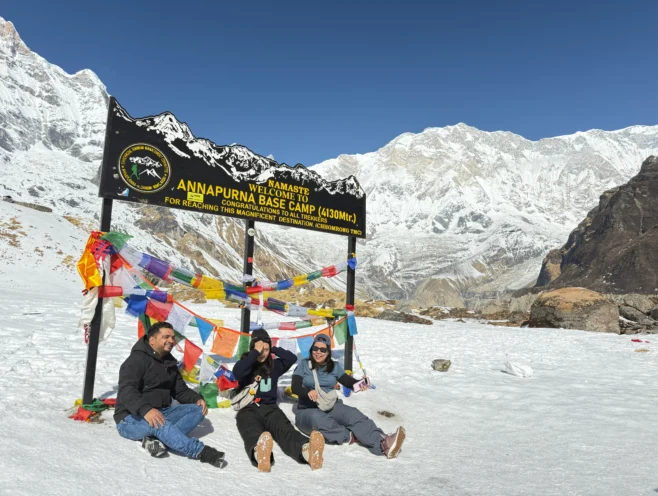
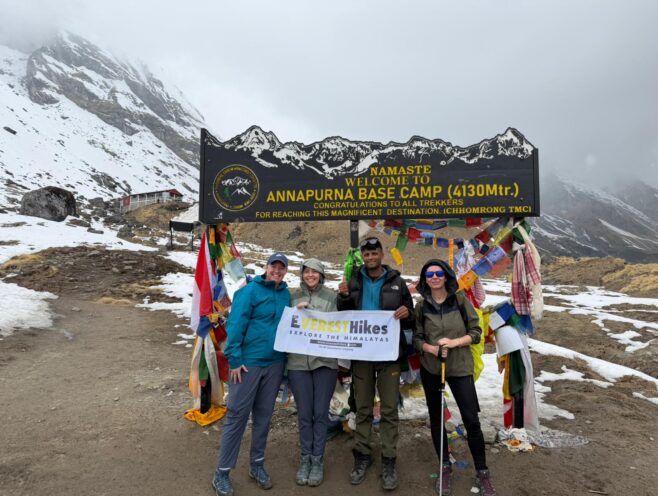
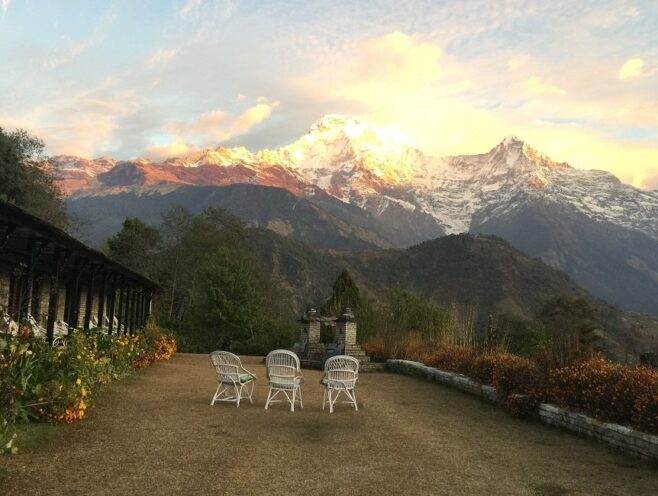
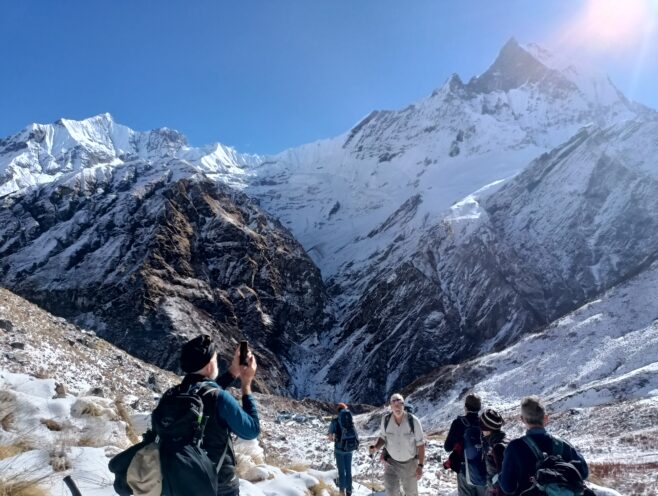
Contact Everest Hikes Pvt Ltd to discuss your dates, experience level, and the style of trek that fits your goals.
Essential Tips for Solo Travelers – Annapurna Base Camp Trek
If you are planning the Annapurna Base Camp Trek, especially as a solo trekker, proper preparation is key to a safe and unforgettable journey through the Himalayas.
1. Check the Weather Forecast Regularly
Mountain weather in the Annapurna region can change rapidly, so always check the latest updates before and during your trek. For reliable information from Nepal’s official weather authority, visit the Department of Hydrology and Meteorology:
– https://www.dhm.gov.np/
2. Prepare a Smart Packing List
Pack essentials such as layered clothing, waterproof gear, sturdy trekking boots, a first-aid kit, sun protection, and hydration supplies. A thoughtful packing list helps you stay comfortable and safe at higher altitudes.
3. Plan a Realistic Itinerary
Design your trekking schedule with proper acclimatization days and realistic walking times. Identify key stopovers like Chhomrong, Dovan, Deurali, and Machapuchare Base Camp before reaching Annapurna Base Camp. Pre-deciding tea house stays or camping points makes your trek smoother and more enjoyable.
4. Consider Hiring Local Support
Although trekking solo can be rewarding, hiring a licensed guide or porter adds safety, local knowledge, and convenience – especially in challenging terrain or unpredictable weather.
Proper planning not only minimizes risks but also allows you to fully experience the breathtaking beauty of the Annapurna Sanctuary.