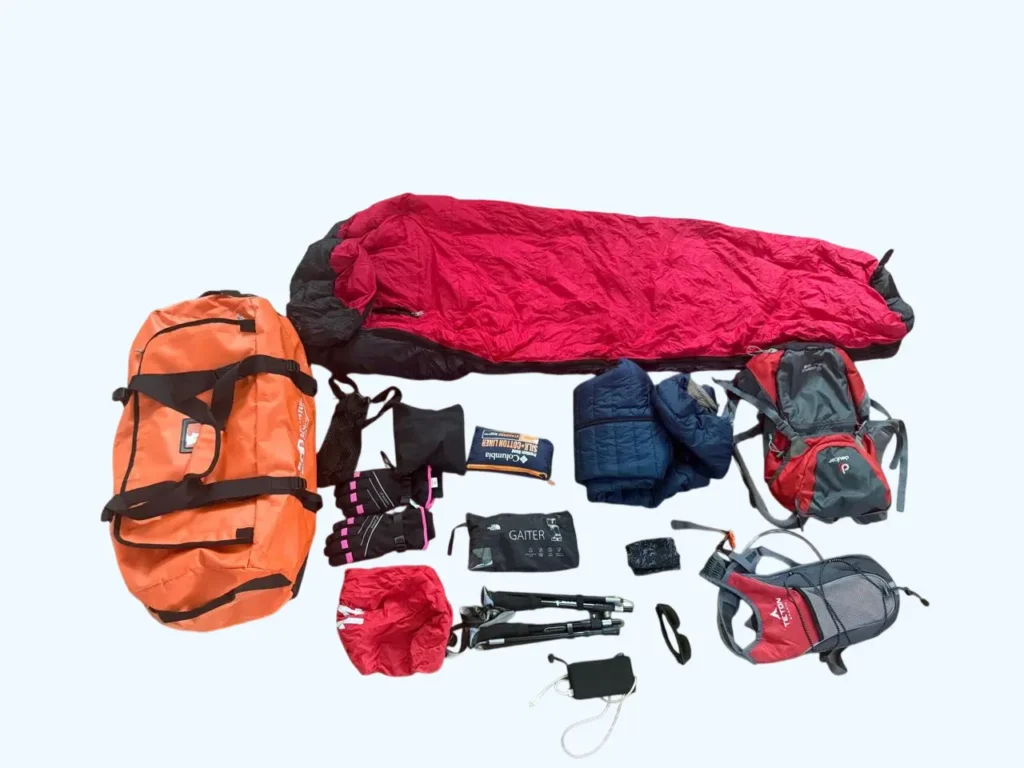
So you’re planning a trekking adventure in Nepal. Exciting! Whether you’re heading to Everest Base Camp, tackling the Annapurna Circuit, or exploring the hidden trails of Manaslu, getting your packing right can make or break your experience. After years of watching trekkers arrive unprepared and others who came overpacked and miserable. We’ve put together the ultimate guide to packing smart for Nepal’s mountain trails.
Why Packing Right Matters for Nepal Trekking
The Himalayan environment is unforgiving. Weather changes rapidly. Temperatures can swing from pleasantly warm to bitterly cold on the same day. If you’re not prepared, a trek that should be exhilarating becomes exhausting and uncomfortable.
The good news? Packing properly doesn’t mean bringing everything you own. It means bringing the right things – items that are lightweight, versatile, and suited to Nepal’s unique mountain conditions. And yes, you can absolutely rent key gear in Kathmandu if you’re traveling light or trying to save luggage space.
Clothing: The Foundation of Comfort
Your clothing system is the most critical part of your packing strategy. We recommend the “layering” approach multiple lightweight pieces you can add or remove as temperatures change, rather than one heavy jacket you’ll either overheat in or freeze in.
Base Layers: Your Second Skin
Thermal base layer sets are non-negotiable. These sit directly against your skin and wick moisture away, keeping you dry and warm even when you’re sweating during a steep climb or getting caught in rain.
Bring at least two sets so you can rotate them. Quality matters here—don’t skimp on cheap thermal wear that feels uncomfortable. You’ll be wearing these for days, sometimes weeks.
Pro tip: Merino wool base layers are worth the investment if your budget allows. They regulate temperature better than synthetic materials and don’t smell as quickly, even after multiple days of wear.
Mid-Layer Insulation
Once you get above 3,000 meters, temperatures drop significantly. You’ll need insulation that traps warm air without adding bulk.
- Fleece pullover or hoodie (1): Your go-to warm layer for cool evenings and higher altitudes. Fleece dries quickly if it gets damp and compresses easily in your pack.
- Fleece pants (1): Optional, but valuable if you’re trekking in autumn or winter seasons. Many trekkers layer regular hiking pants over thermal bottoms instead.
Outer Layers: Protection from the Elements
- Waterproof jacket and pants (1 set): This is essential. Nepal’s weather is unpredictable afternoon thunderstorms are common, especially in monsoon season. Your rain gear needs to be both waterproof and breathable. Cheap plastic ponchos trap heat; invest in proper rain pants and a jacket with decent ventilation.
- Down jacket (1): For high-altitude treks (Everest, Manaslu, Kanchenjunga), a lightweight down jacket is crucial for evening warmth. Can’t fit one in your luggage? No problem – you can rent quality down jackets in Kathmandu for around $5-10 for your entire trek.
Everyday Wear
- Hiking pants (2 pairs): Lightweight, quick-drying materials that allow movement. Avoid jeans, they’re heavy, they take forever to dry, and they restrict your mobility. Modern hiking pants are comfortable and practical.
- Hiking t-shirts/shirts (3): Choose colors you don’t mind getting dirty. You don’t need technical, expensive shirts; regular breathable cotton or synthetic blend t-shirts work fine.
- Hiking shorts (2 pairs): At lower elevations, shorts keep you cool. Bring two pairs so you can alternate.
Accessories and Extras
- Gloves (2 pairs): One lightweight pair for cool mornings and evenings, one heavyweight waterproof pair for snow and freezing temperatures. Many trekkers forget gloves and regret it.
- Woolen hat (1): A simple wool beanie keeps your head warm when it’s cold. You lose significant body heat through your head, so don’t skip this.
- Sunhat (1): The sun reflects intensely off snow and glaciers at high altitude. A hat with a brim protects your face and helps prevent headaches from UV exposure.
- Microfleece buff or neck gaiter (2): Incredibly versatile. Use it as a face mask in cold wind, a neck warmer, a makeshift headband, even a stuff sack for small items. Bring two.
A Note on Gender-Specific Gear
- Women: Bring 6-10 quality sports bras and quick-dry underwear. Laundry facilities are limited on the trail, and the physical demands of trekking require good support.
- Everyone: Quality sports underwear that dries quickly is worth its weight in gold. You’ll thank yourself.
Important: Avoid tight-fitting clothes. Beyond the comfort factor, modest clothing respects local Nepali culture. Wear revealing items (if at all) only as base layers.
Footwear: Invest Here, Save Your Feet Later
Your feet carry you thousands of kilometers. Proper footwear isn’t an afterthought, it’s a foundational investment.
Hiking Boots: The Most Important Item
One pair of quality hiking boots with ankle support is essential. Your boots need to be:
- Waterproof (or at least water-resistant with good socks)
- Broken in before you arrive (seriously, wear them for at least two weeks before your trek)
- Supportive around the ankle (ankle injuries on remote trails are dangerous)
- Comfortable when worn with thick hiking socks
Running shoes, trail runners, and sneakers might seem appealing because they’re light, but they lack the ankle support and durability you need on uneven Himalayan trails. One wrong step on a rocky path, and you could be dealing with a sprain miles from the nearest road.
Pro tip: Buy your boots at home where you have options and time to find the perfect fit. Nepali shoe sizes don’t always match international sizes, and selection is limited.
Socks: Underrated and Critical
Hiking socks (6-7 pairs): Quality wool or wool-blend hiking socks are game-changers. They keep your feet dry, provide cushioning, and prevent blisters better than regular socks. Bring more pairs than you think you’ll need laundry opportunities are infrequent.
Inner socks (6-7 pairs): Thin merino or synthetic inner socks worn under your hiking socks reduce friction and prevent blisters. This two-sock system is worth it.
Casual Footwear
Sandals or running shoes (1 pair): You’ll spend evenings in teahouses and villages. Sandals or light shoes let your feet breathe and dry out after a long day. Plus, they’re culturally appropriate for visiting monasteries and local homes.
Additional Footwear Protection
Snow gaiters (1 pair): If you’re trekking in winter or attempting high passes, gaiters keep snow out of your boots and prevent moisture from seeping in. Non-negotiable for routes like Three High Passes Trek or Upper Dolpo.
Gear and Equipment: Your Load-Carrying System
Backpacks: Size and Features Matter
For porters (duffel bag): If you’re using a porter to carry your gear, you’ll need a waterproof duffel bag around 70 liters. Your trekking company can usually provide this, or we can arrange one for you when you arrive in Kathmandu.
For self-carrying (rucksack): If you prefer carrying your own pack, a 50-60 liter rucksack with padded shoulder straps and back support is ideal. Look for:
- Adjustable hip straps (these reduce strain on your shoulders)
- Ventilated back panels (you’ll sweat, and good air circulation matters)
- External attachment points for trekking poles
- A built-in or included rain cover
Daypack (25-30 liters with rain cover): Essential regardless of whether you use a porter. Your daypack holds water, snacks, sunscreen, and extra layers for the day. Get one with a rain cover or bring a pack liner sudden rain is common.
Sleeping System
Sleeping bag: For most Nepal treks, a sleeping bag rated to -20°C is appropriate. Spring and autumn treks in lower regions can use warmer bags, but for high-altitude winter trekking, you need serious insulation.
If you’re renting (we provide quality bags for our clients), bring a sleeping bag liner. It adds warmth, keeps your bag cleaner, and in an emergency, it’s lightweight insulation on its own. Teahouse quilts are often questionable, so your own sleeping bag is essential.
Trekking Poles: Optional but Valuable
Lightweight trekking poles reduce strain on your knees during long descents and help with balance on rocky terrain. They’re especially helpful if you have previous knee issues. Not essential, but if you know how to use them properly, they’re worth bringing.
Additional Accessories That Make a Real Difference
Water and Hydration
- Reusable water bottle (2 x 1L): Critical for staying hydrated. You can refill at teahouses throughout the day. A 1-liter bottle means you’re not overloaded with water weight. Two bottles let you carry water between distant stops.
Important: While Nepal’s mountain water sources are generally cleaner than lower elevations, always use water purification tablets or a lightweight filter if you’re refilling from streams. Giardia is real.
Navigation and Safety
- Map and compass (or GPS device): Even on well-marked trails, carrying a basic map and compass provides security. If you’re trekking with our company, we provide guidance, but having backup navigation is smart.
- Head torch with spare batteries (1): Early mornings start before sunrise. A lightweight LED headlamp (not a bulky flashlight) is essential. Bring spare batteries—they’re sometimes hard to find on the trail.
Photography and Observation
- Camera: Nepal’s landscapes are among the world’s most stunning. Bring a camera you’re comfortable carrying. Modern smartphone cameras are genuinely excellent these days.
- Binoculars: If you enjoy birdwatching or spotting wildlife, lightweight binoculars add incredible value to your experience. The Himalayas are home to rare species like the Himalayan monal and snow leopards (though spotting the latter is very rare).
Health and Comfort
- Sunglasses with UV protection (2 pairs): Bring a backup pair. High-altitude UV exposure is intense, and sun reflection off snow can cause snow blindness. Cheap sunglasses don’t provide adequate protection.
- Sunscreen: High altitude means stronger sun exposure. Bring SPF 50+ and reapply frequently. Sunburns at 4,000+ meters happen faster than you’d expect.
- Lip balm with SPF: Your lips burn easily at altitude. Include this in your daily routine.
Electronics and Communication
- Phone charger and power bank: Most teahouses along popular routes (Everest, Annapurna) have charging facilities, though it’s sometimes slow. A power bank (5,000-10,000 mAh) keeps your phone charged for communication, photos, and emergencies.
- Local SIM card: Nepali phone networks provide coverage on most major trekking routes. Pick up a SIM card in Kathmandu (around $3-5) for better connectivity and to call for help if needed. International roaming is expensive and often unreliable.
Waste Management
- Trash bags (2): Pack out everything you pack in. The trails are increasingly littered—be part of the solution. Biodegradable bags are better for the environment.
Financial Considerations
- Cash: ATMs are rare on trekking routes. Carry enough Nepali rupees to cover meals, lodging, and tips. Most teahouses don’t accept cards. Exchange money in Kathmandu where the rates are better.
Personal Hygiene and Health
Toiletries
Keep your hygiene kit minimal but effective:
- Biodegradable soap and shampoo: Regular soap and shampoo harm mountain streams. Invest in eco-friendly options.
- Toothbrush and toothpaste
- Deodorant (small stick): You might not shower daily on the trail.
- Wet wipes or washcloth: These are lifesavers when water is scarce or cold.
- Feminine hygiene products (if needed): Availability in remote areas is limited.
First Aid Kit
Build a compact, practical kit:
- Blister prevention and treatment (this is crucial)
- Adhesive bandages and sterile gauze
- Antibiotic ointment
- Pain relievers (ibuprofen for inflammation)
- Antidiarrheal medication
- Antihistamine for allergies
- Any personal medications you require
Keep your first aid kit compact. You don’t need a full pharmacy—just the essentials.
Medications and Health Considerations
- Bring any prescription medications you use—don’t assume you’ll find them in Nepal.
- Consider altitude sickness medication if trekking above 3,500 meters. Consult your doctor before departing.
- Basic over-the-counter remedies for stomach issues and headaches are helpful.
Documents: The Paperwork You Can’t Forget
Essential Documents
- Passport: Valid for at least six months beyond your travel dates
- Visa: Obtain a tourist visa for Nepal (available on arrival or arranged in advance)
- Travel insurance: This is non-negotiable. Ensure your policy covers high-altitude trekking and emergency evacuation. Mountain rescue is expensive.
- Permits: Certain regions (Everest, Manaslu, Dolpo) require permits. We handle these details for our clients.
Keep copies of important documents separate from originals. Store digital copies on your phone or cloud storage.
Packing Smart: How to Pack Light Without Sacrificing Comfort
Key Principles
Choose multi-functional gear: Your fleece can serve as a pillow in your sleeping bag. Your towel doubles as a sarong. Your buff works as a headband, neck gaiter, or stuff sack.
Minimize duplicates: You don’t need seven t-shirts. Four solid ones that you can wash every few days is plenty.
Share with trekking partners: If you’re traveling with others, split items like a first aid kit, water filter, or map.
Wear your heaviest items: Put on your boots and jacket for your flights to Nepal. This reduces pack weight significantly.
Leave unnecessary items behind: That “just in case” item you packed three months ago? It’s probably not coming. Be honest about what you’ll actually use.
Packing by Trek Duration
| Trek Duration | Packing Approach | Key Notes |
|---|---|---|
| 3–5 Days | Light packing | You can skip some heavy items like a down jacket if trekking in spring/autumn at lower elevations. |
| 7–10 Days | Standard packing | Follow full gear recommendations. Proper clothing rotation and basic comfort items are important. |
| 14+ Days | High-quality gear | Invest in durable and comfortable gear since you’ll reuse items frequently over a long period. |
By the Numbers: Your Packing Checklist
Use this as your final reference before packing:
Clothing
- Down jacket: 1
- Thermal base layer sets: 2
- Fleece pullover/hoodie: 1
- Fleece pants: 1
- Lightweight thermal tops: 1
- Waterproof jacket and pants: 1 set
- Hiking pants: 2
- Hiking t-shirts: 3
- Hiking shorts: 2
- Gloves (lightweight and heavyweight): 1 each
- Sports bra/quality underwear: 6-10 sets
- Woolen hat: 1
- Sunhat: 1
- Microfleece buff: 2
- Casual shirt or sweater: 1 (for teahouses)
Footwear
- Hiking boots: 1 pair
- Sandals or running shoes: 1 pair
- Hiking socks: 6-7 pairs
- Inner socks: 6-7 pairs
- Snow gaiters: 1 pair (high-altitude treks only)
Gear and Equipment
- Backpack/duffel bag: 1 (size based on porter vs. self-carry)
- Daypack with rain cover: 1 (25-30L)
- Trekking poles: 1 pair (optional)
- Sleeping bag: 1 (rated to -20°C minimum)
- Sleeping bag liner: 1
Accessories
- Water bottles: 2 (1L each)
- Trash bags: 2
- Phone charger: 1
- Power bank: 1
- Head torch with spare batteries: 1
- Sunglasses: 2 pairs
- Map and compass/GPS: 1 set
- Camera: 1
Health and Hygiene
- Toiletries: Basic kit (soap, toothbrush, etc.)
- First aid kit: 1 compact kit
- Personal medications: As needed
- Sunscreen (SPF 50+): 1 tube
- Lip balm with SPF: 1
Documents
- Passport: 1
- Visa: As required
- Travel insurance documents: Copies
- Trek permits: As required
- Copies of important documents: 2 sets
Trek-Specific Recommendations
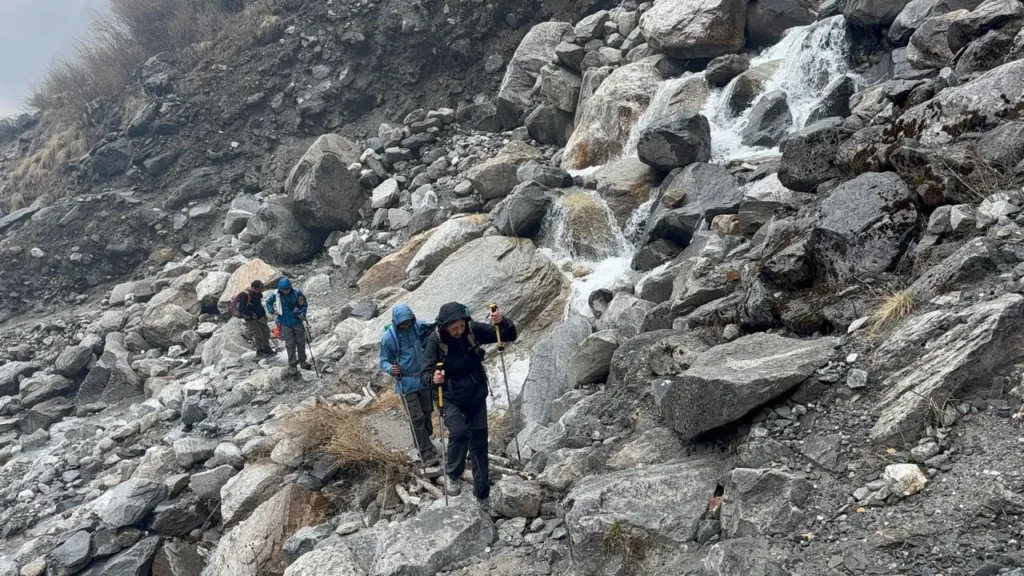
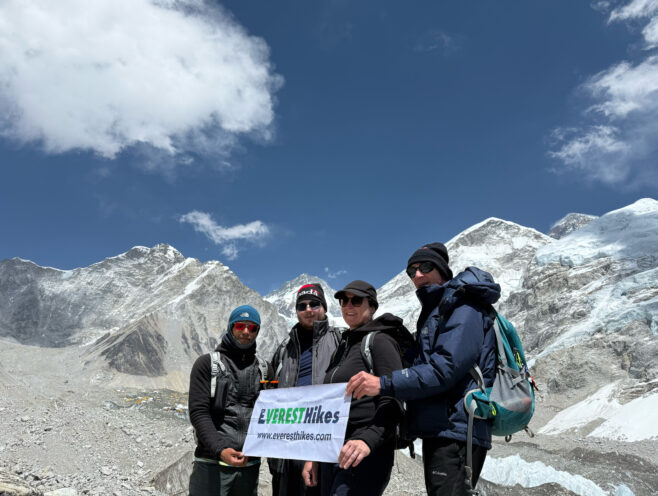
Everest Base Camp Trek: High altitude (5,364m), cold temperatures, and snow are likely. Prioritize your down jacket, waterproof gear, and multiple layers. This trek demands serious preparation.
Annapurna Circuit Trek: Diverse elevations and microclimates. You’ll experience everything from subtropical heat to alpine cold. Versatility in your clothing system is essential.
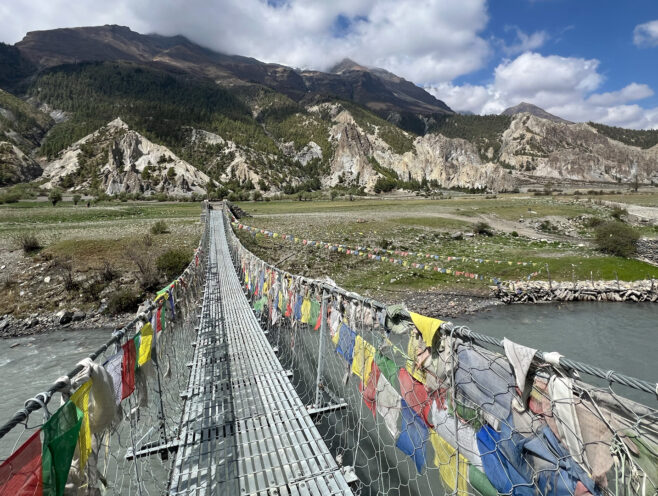
Manaslu Circuit Trek: Similar to Annapurna but less crowded. The Larkya La pass (5,160m) brings snow and cold even in autumn. Come prepared.
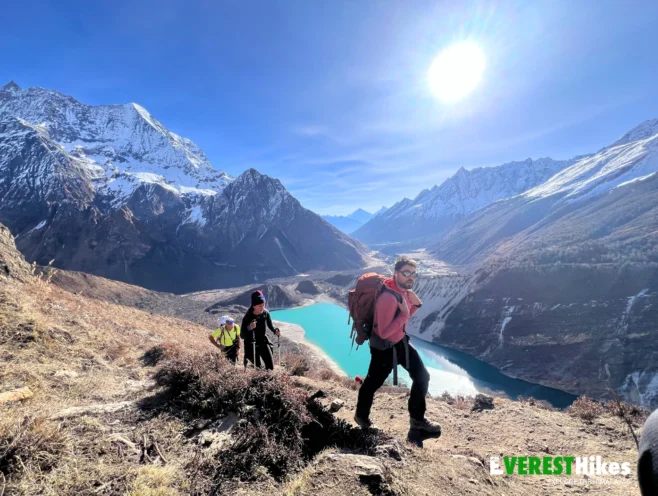
Langtang Valley Trek: Great for beginners and nearby trekkers from Kathmandu. Moderate altitude and relative proximity to the city means you can survive with lighter packing if needed.
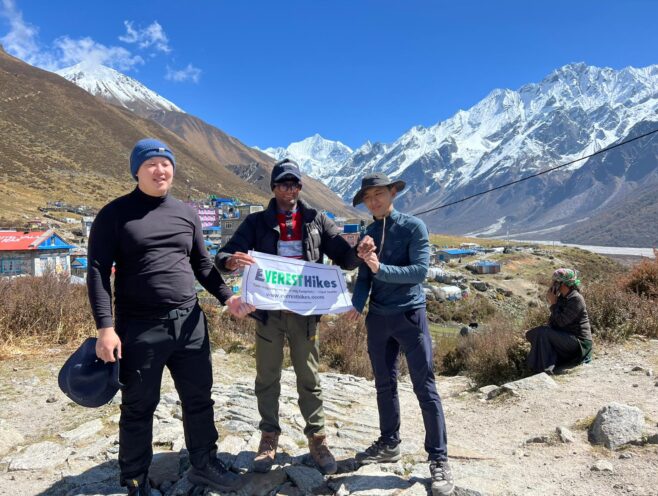
Mustang and Dolpo Treks: Remote, high-altitude, and exposed. These aren’t casual hikes. Bring serious gear: warm sleeping bags, quality rain protection, and sturdy boots.
Final Tips from the Experts
- Rent, Don’t Buy (Sometimes): If you’re not a frequent trekker, renting gear in Kathmandu makes sense. Quality down jackets, sleeping bags, and trekking poles are available for reasonable daily rates. We can arrange rentals for you—just let us know what you need.
- Break in Your Boots: This cannot be overstated. Wear your hiking boots for at least two weeks before your trek. Your feet will thank you.
- Start Your Fitness Training Early: Physical conditioning matters as much as gear. Start training 6-8 weeks before your trek. Regular cardio and leg exercises make a massive difference.
- Respect Local Culture: Modest clothing isn’t just practical – it’s respectful. The communities hosting trekkers have cultural norms. Honor them.
- Embrace Minimal Packing: You’ll surprise yourself how little you actually need. After your trek, you’ll probably say, “I could have packed even lighter.”
Frequently Asked Questions
Is trekking in Nepal suitable for beginners?
Absolutely. Treks like Langtang Valley, Ghorepani Poon Hill, and Annapurna Base Camp are perfect starting points. Everest Base Camp is doable for beginners too, but it’s longer and higher. Match the trek to your fitness level and experience.
What’s the best time to trek in Nepal?
Spring (March-May) and autumn (September-November) offer stable weather, clear skies, and pleasant temperatures. Spring has more clouds but lush greenery. Autumn provides the clearest mountain views. Winter trekking is possible but requires serious gear. Monsoon season (June-August) brings heavy rain and is generally avoided.
Do I need to hire a guide?
Popular routes like Everest and Annapurna are well-marked, and many trekkers go solo. However, hiring a guide (we recommend this) provides safety, local knowledge, cultural insight, and support if issues arise. Guides also ensure money flows to local communities.
How fit do I need to be?
It depends on the trek. Everest Base Camp requires moderate fitness and altitude acclimatization. Annapurna Sanctuary demands good fitness. Beginner treks require only basic cardio fitness. Start training 6-8 weeks out and be honest about your capabilities.
What about altitude sickness?
It’s real and unpredictable even fit people get it. Ascend gradually, stay hydrated, eat well, and listen to your body. If symptoms worsen, descend. Prescription medications (Diamox) can help with prevention. Discuss with your doctor before traveling.
Can I trek solo or should I go with a company?
Solo trekking on popular routes is possible. However, a trekking company provides logistical support, local expertise, and emergency backup. Plus, you’re supporting local guides and porters. We recommend trekking with a reputable company.
Ready to Trek? Let’s Get You Packed Right
Nepal’s mountains are calling. With the right preparation and gear, you’re ready to answer. Packing smart means focusing on quality over quantity, layering effectively for temperature changes, and bringing only what you’ll genuinely use.
Have questions about what to bring for your specific trek? We’re here to help. Every trekker is different, and your needs might vary based on the season, route, and your personal preferences. Reach out to us. We’re happy to provide personalized packing advice based on your itinerary.
Everest Hikes Pvt Ltd has years of experience guiding trekkers from around the world. We know what works, what doesn’t, and how to make your trek comfortable, safe, and unforgettable.
Ready to start your Nepal trekking adventure? Contact us today to discuss your trek and get personalized packing recommendations.
Mountain Wisdom: What Experienced Trekkers Wish They’d Known
Before you go, here’s one final piece of advice from guides who’ve been doing this for years:
- Blisters ruin treks more than bad weather. Invest in quality socks and take blister prevention seriously.
- Your sleeping bag is worth every dollar. A cold night leads to a miserable day.
- The cheap rain jacket will let you down. Quality rain gear is non-negotiable.
- Overpacking is more common than underpacking. You’ll carry everything on your back—think twice before each item.
- The locals know trails better than any map. Respect their guidance.
- The summit matters less than the journey. Some of the best trek memories come from unexpected moments, not peak views.
Safe travels, and we’ll see you on the trail.