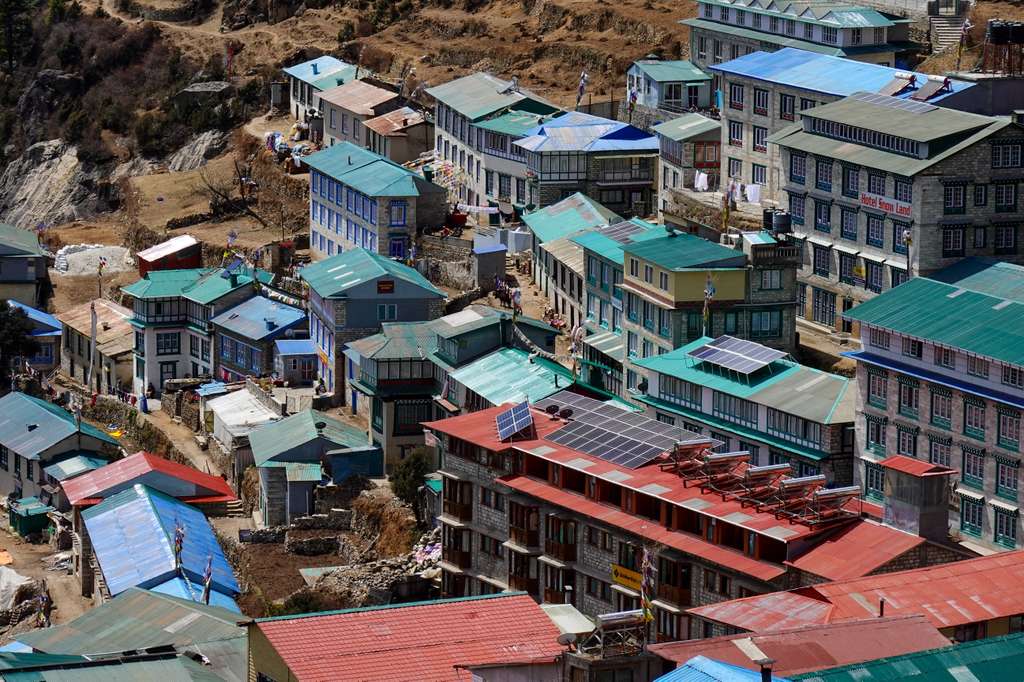
If you’re planning an Everest Base Camp Trek, you’ll definitely spend at least a night or two in Namche Bazaar. I’ve guided hundreds of trekkers through this town, and honestly, it’s where most people realize they’re really in the mountains. Let me tell you what makes this place so special.
What Is Namche Bazaar?
Namche Bazaar sits at 3,440 meters (11,286 feet) above sea level in Nepal’s Khumbu region. It’s a proper Sherpa town: busy, colorful, and buzzing with life, especially during the trekking season. The place feels like the heart of the Everest region because, well, it kind of is.
This isn’t just a tourist stop. Namche is where local Sherpa people do their business, buy supplies, and trade goods. You’ll see yak herds passing through, porters loading up gear, and locals catching up over tea. The mix of traditional culture and modern tourism gives the town a unique energy that you won’t forget.
Getting to Namche Bazaar
Most trekkers arrive by flying into Lukla, one of the world’s most famous (and smallest) airports. From there, it’s about 7-8 hours of walking to reach Namche. The trail takes you through Phakding and Monjo, following the Dudh Koshi River valley. You’ll cross several suspension bridges, including the famous Hillary Suspension Bridge; it’s an experience in itself.
The walk isn’t technically difficult, but it’s steady uphill, especially in the last stretch. The final approach to Namche is a stone staircase that climbs steeply up the hillside. Your legs will feel it, but once you see the town spread out below you, the effort seems worth it.
There’s also a hiking route from Thamdanda or Surek if you want to skip the Lukla flight. This takes about 3-4 days and follows a quieter trekking path through Sherpa villages. Some trekkers prefer this approach to acclimatize more gradually.
Roads have been built to nearby villages like Chaurikharka and Surke, but not to Namche itself. Walking is still the only way in. In emergencies, helicopter evacuations are available, but they’re expensive.
Why Stop in Namche? The Acclimatization Question
Here’s the truth: altitude affects everyone differently. When you arrive at 3,440 meters, your body needs time to adjust to the thinner air. Spending one or two days in Namche before heading higher is standard practice and honestly, wise.
Many trekkers skip this acclimatization stop and push higher too quickly. Bad idea. Altitude sickness isn’t fun – headaches, nausea, and exhaustion can ruin your trek. The extra night or two in Namche gives your body a chance to adapt. Plus, you get to enjoy the town while you’re recovering from the trek up.
The Feel of Namche: Sherpa Culture and Modern Comfort
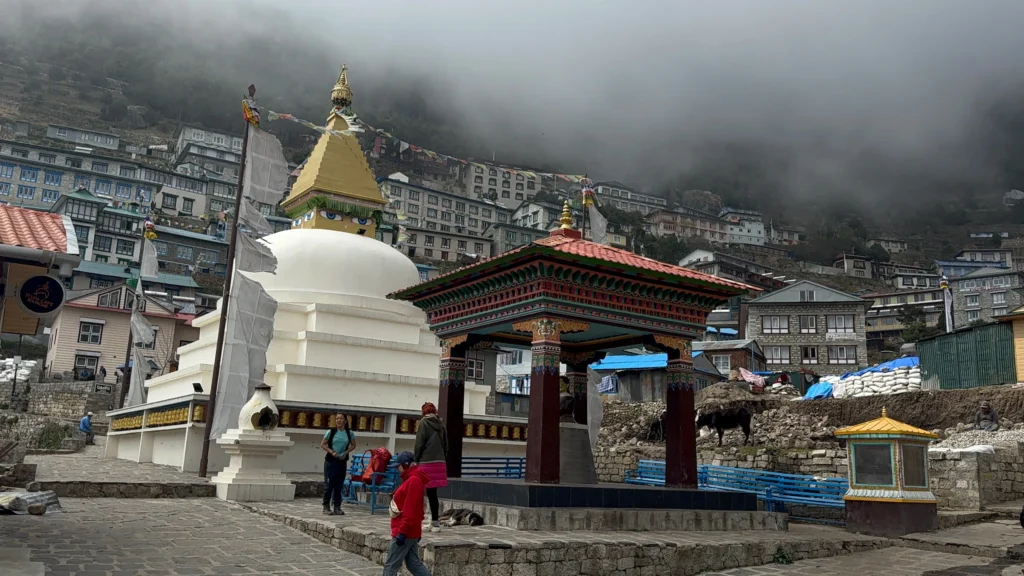
Walking through Namche’s main square feels lively. The market area is packed with shops selling everything: fresh vegetables, dried yak meat, trekking gear, prayer beads, and tourist souvenirs. You’ll see locals haggling with shop owners, porters grabbing quick meals, and trekkers from all over the world comparing notes about their treks.
The spiritual side is present too. There are several Buddhist monasteries in and around Namche, including Thame Monastery if you want a day hike. Prayer wheels line the streets, and during festival times, you might catch traditional celebrations and ceremonies. These moments give you a real sense of Sherpa life beyond trekking.
The town has changed over the years. Solar panels power most buildings now, Wi-Fi is available in most lodges and cafes, and you can even find pizza and pasta alongside traditional dal bhat. It’s a strange mix of modern tourism and traditional mountain culture, but it works.
The Views Around Namche
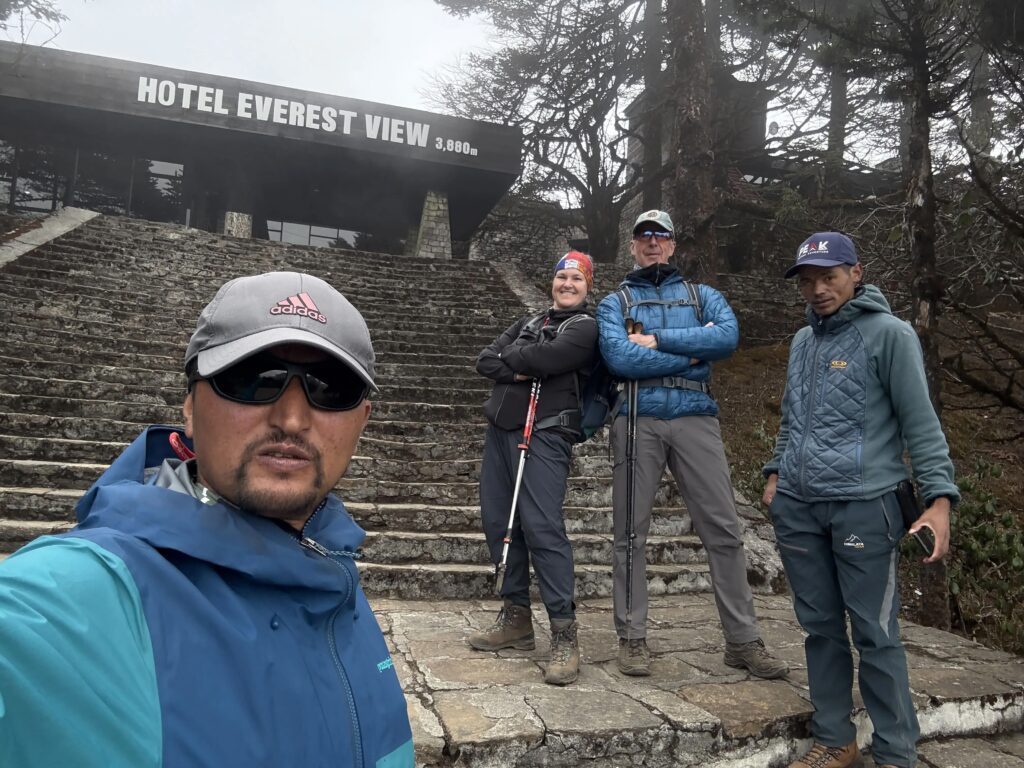
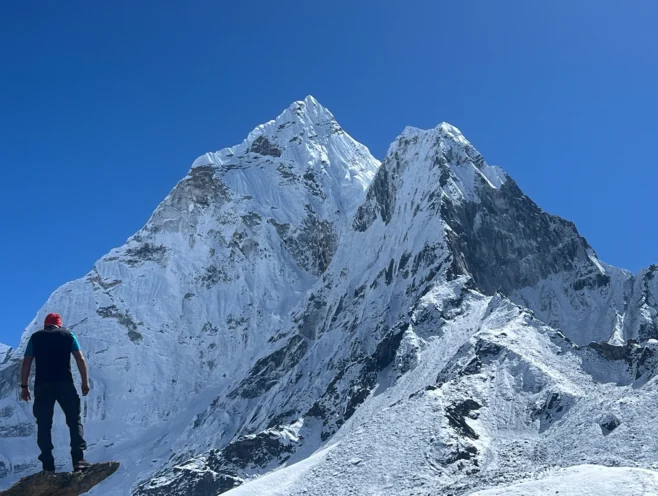
On clear days, the mountain scenery is stunning. Thamserku (6,623m) and Kangtega (6,782m) rise dramatically from the valley. If you’re lucky and the clouds part, you can sometimes see Mount Everest itself from certain viewpoints around town. The Everest View Hotel, a short walk uphill, offers reliable views of the surrounding peaks.
Sunrise and sunset are the best times for photography. The light hits the mountains beautifully in the early morning and late afternoon. Bring a good camera, but honestly, your eyes will capture better memories than any lens can.
The area around Namche has nice day-hiking opportunities too. Short walks through pine and rhododendron forests take you to different viewpoints. These hikes help with acclimatization while you explore the landscape.
What Facilities Can You Actually Find Here?
Unlike smaller villages higher up, Namche has real amenities. This matters when you’re trekking.
Accommodation: There are dozens of guesthouses and teahouses, from basic rooms with shared bathrooms to more comfortable options with private facilities. Most are family-run by local Sherpa families. Rooms have wooden beds with thick blankets and quilts. Hot showers exist, though they’re usually heated by solar panels, so availability depends on the weather and time of day. Bring a good sleeping bag—nights are cold, and hot water isn’t guaranteed.
Food: You can eat well in Namche. Most lodges serve dal bhat (rice and lentils), which is filling and cheap. But the international food scene is surprisingly good. Momo, Pizza, pasta, pancakes, and even burgers are available. Tea houses serve endless supplies of hot drinks – butter tea, lemon tea, and herbal teas to warm you up. After weeks of trekking food, these options feel like a luxury.
Internet and Communication: Mobile coverage is excellent by mountain standards. Most guesthouses offer Wi-Fi, usually for a small fee. You can actually call home or update social media if you want. Phone and camera charging is available in most lodges.
Medical Care: Namche has medical clinics with trained staff who understand altitude-related problems. There’s even a small hospital. If you develop serious altitude sickness or get injured, this is the best place to get help before descending.
Money: ATMs and banks exist in Namche. However, they don’t always work reliably. Carry enough Nepali rupees with you. Credit cards are less useful here.
Shopping: Trekking gear shops sell last-minute supplies, extra layers, and boots. Fresh vegetables are available in the market. If you forgot anything for your trek, you can probably buy it here.
Things to Actually Do in Namche (Besides Rest)
Explore the Market: The morning market is worth waking up for. It’s colorful, busy, and real. You’ll see locals shopping alongside trekkers. It’s a good place to buy snacks for higher elevations or pick up souvenirs.
Visit Thame Monastery: A few hours’ walk from Namche takes you to this peaceful Buddhist monastery. The walk itself is nice, and it’s a good acclimatization hike. You might see monks studying or performing rituals.
Day Hike to Khumjung Village: This is a popular acclimatization walk. The trail goes through forests and past local farms. Khumjung has a monastery and offers views of Ama Dablam. It’s not strenuous and helps your body adjust to altitude.
Relax in a Teahouse Lounge: Many lodges have common areas with fireplaces and comfortable seating. This is where trekkers hang out, swap stories, and plan their next moves. It’s social and a good way to meet other trekkers.
Get a Massage: Several places in town offer massages and spa services. After a hard day of trekking, your muscles will thank you. It’s not luxury spa treatment, but it’s relaxing and affordable.
Photography: The mountain views are excellent for photos, especially at sunrise and sunset. If you’re into photography, spend some time on the ridges around Namche.
Best Time to Visit Namche Bazaar
Trekking season determines when Namche is busiest and most pleasant.
Spring (March to May): Weather is clear, temperatures are mild, and wildflowers bloom along the trails. This is peak season. Lodges are full, and prices are higher, but the visibility for mountain views is excellent.
Autumn (September to November): This is actually the best time to trek. The air is crisp, visibility is excellent, and weather is stable. It’s not as crowded as spring, but still busy. October is particularly good.
Summer (June to August): Monsoon rains make trails slippery and obscure mountain views. Fewer trekkers come during this time. Lodges are cheaper, but weather is unpredictable.
Winter (December to February): Very cold, sometimes snowy, and many high passes are difficult to cross. Not ideal for most trekkers, but possible with proper gear.
Where to Stay in Namche
You have dozens of options. Some popular and reliable choices include:
- Khumbu Resort: More comfortable, good food, reliable hot water
- Hotel Tibet: Well-established, friendly staff, good views
- Sakura Guest House: Clean rooms, decent bathrooms, central location
- Mountain View Lodge: Budget-friendly, basic but comfortable
- Moonlight Lodge: Family-run, good atmosphere, affordable
- Comfort Inn: Simple but clean, good value
- Ama Dablam Lodge: Popular with groups, decent facilities
- Namche Bazaar Guest House: Central location, basic rooms
Most guesthouses in Namche are honest and welcoming. Pick one with good reviews if you’re booking online, or just walk around and check a few options when you arrive. Local lodge owners are usually happy to show you rooms before you decide.
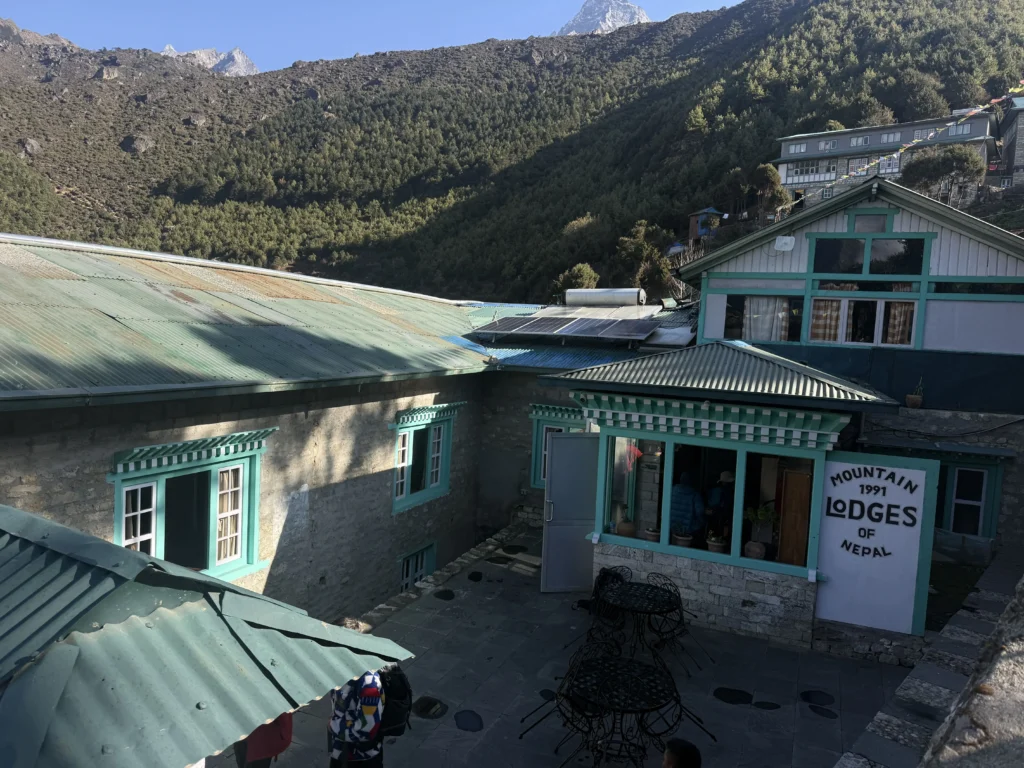
Expect to pay 1,000-3,000 Nepali rupees per night (roughly $12-25 USD) for a decent room with a hot shower. Prices are higher than lower villages but cheaper than big cities. Additionally, there is also a region’s most expensive lodges and i.e Namche Lodge of Mountain Lodges of Nepal
Practical Tips for Your Stay
Bring Cash: ATMs are unreliable. Carry enough rupees for your stay and higher elevations.
Sleep Bag is Important: Nights are cold. Even with blankets provided, a quality sleeping bag makes a huge difference.
Hydrate: Drink lots of water to help with acclimatization. Dehydration makes altitude sickness worse.
Don’t Rush Higher: Take your time in Namche. If you feel fine after one night, one more night won’t hurt. Forced acclimatization prevents problems later.
Buy Supplies Here: Snacks are cheaper here than at higher villages. Stock up on things you want to eat higher up.
Chat with Other Trekkers: They’ll give you real information about trail conditions and lodges ahead.
Respect Local Culture: Monasteries are sacred spaces. Ask before taking photos. Dress modestly when visiting religious sites.
Why Namche Matters for Everest Trekkers
Namche Bazaar isn’t just a random stop on the Everest Base Camp Trek route. It’s a crucial one. This is where your body adjusts to altitude, where you get your last comfortable amenities, and where you mentally prepare for the higher sections of your trek.
From Namche, the Khumbu region opens up. You’ll head toward Tengboche, Deboche, and eventually Everest Base Camp. The landscape gets starker, the air gets thinner, and the number of other trekkers decreases. Your time in Namche is your last taste of mountain comfort before heading into the high wilderness.
The Sherpa culture you see here is real. These are the same people who live in these mountains year-round, not just during trekking season. Their hospitality, their knowledge of the mountains, and their resilience are what make trekking in the Khumbu region possible.
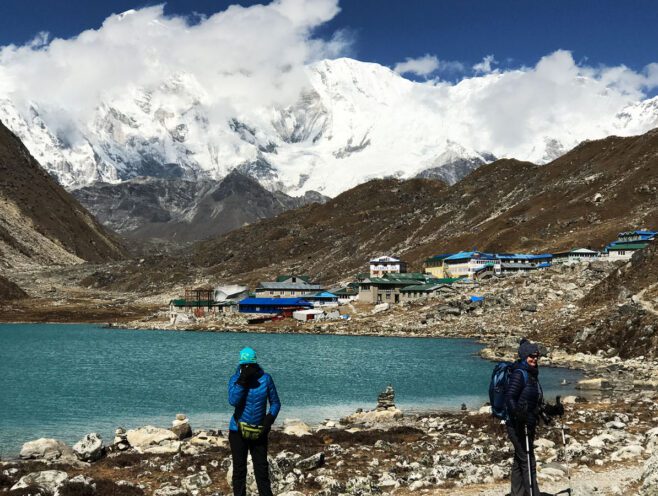
Main Trekking Routes from Namche Bazaar
Final Thoughts
Namche Bazaar isn’t the most dramatic part of the Everest Base Camp Trek, and it’s not the destination. But it’s essential. It’s where your body adapts, your spirit prepares, and your adventure in the Himalayas truly begins.
I’ve had trekkers arrive in Namche exhausted, worried, and uncertain. Two days later, they leave refreshed, confident, and excited for what’s ahead. That transformation happens because of this place – its people, its facilities, and its unique position between the lowlands and the high mountains.
When you’re planning your trek to Everest Base Camp, don’t skip Namche or rush through it. Give yourself time to be here. Drink tea in a teahouse, watch the sunset over the mountains, walk through the market, and feel the pulse of this remarkable Sherpa town. You’ll understand why it’s been the heart of the Everest region for centuries.
Safe travels, and I hope to see you in Namche someday.