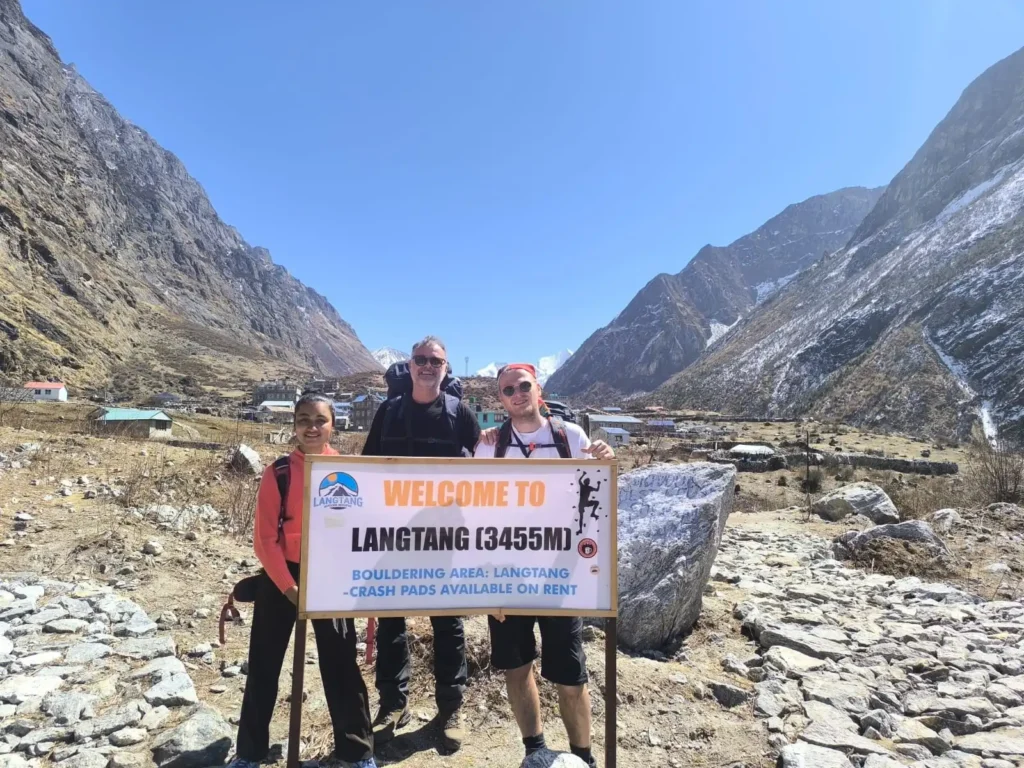
The Langtang Valley Trek is one of Nepal’s best-kept secrets for first-time trekkers. If you’ve been dreaming of trekking in the Himalayas but worried about difficulty or high altitudes, this trek should be on your radar.
I’ve guided dozens of beginners through this valley, and I can tell you honestly: it’s less about conquering mountains and more about discovering yourself in the serene Himalayan landscape. Unlike the crowded Everest Base Camp trail, the Langtang Valley offers solitude, authentic Nepali culture, and stunning mountain views without the intense physical demands.
This guide is based on my years of trekking experience in Nepal and practical knowledge of what beginners actually need to know. Let’s explore why this trek is perfect for you.
What Makes Langtang Valley Trek Ideal for Beginners?
Moderate Terrain That Doesn’t Intimidate
The Langtang Valley Trek is genuinely beginner-friendly. The elevation gain is gradual, and daily walking distances are manageable. You’ll trek 4 – 6 hours per day at a relaxed pace, giving your body time to adjust to the altitude.
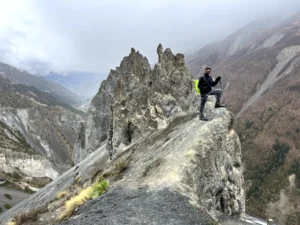
The trail itself is well-maintained and clearly marked. You won’t get lost, and there’s no scrambling or technical climbing. The terrain varies – sometimes you’ll walk through rhododendron forests, other times along river valleys. This variety keeps the trek interesting without being exhausting.
Accessible Starting Point
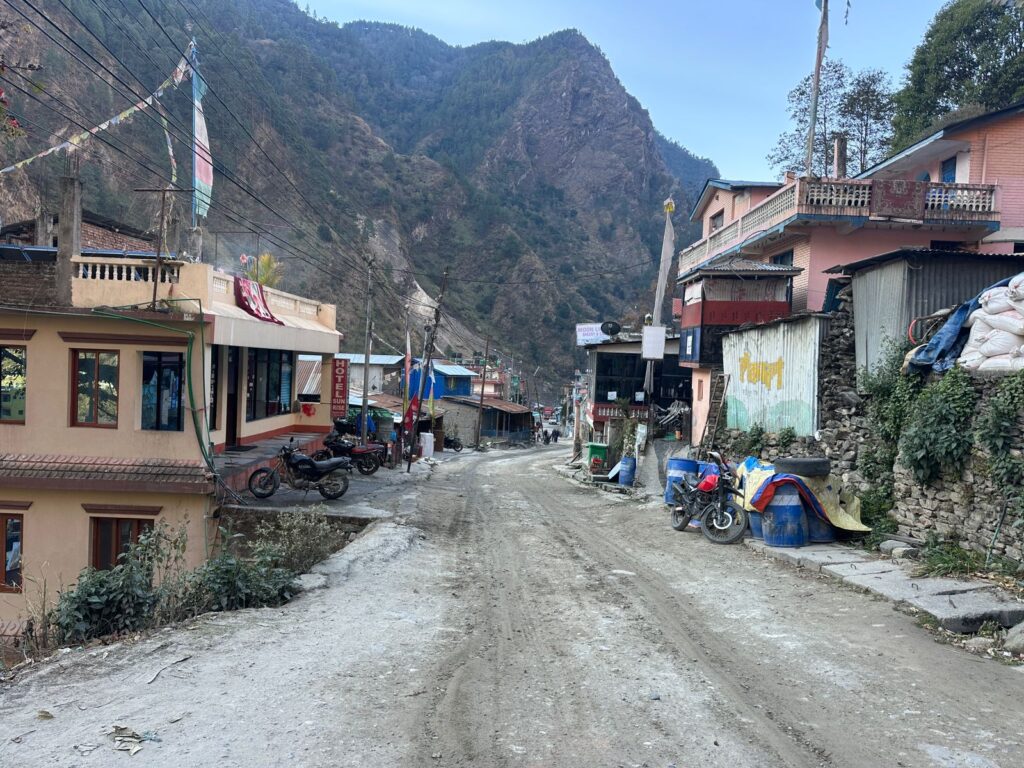
Getting to the trailhead is straightforward. Syabrubesi (1,500m), where the trek begins, is just a 6-hour drive from Kathmandu. Unlike remote treks that require multiple days of travel, you can start walking the day after you arrive in Nepal.
The road to Syabrubesi itself is scenic. You’ll see terraced farmland, cascading waterfalls, and river gorges during the drive—a gentle introduction to Nepal’s natural beauty.
Safe and Supportive Infrastructure
Safety is paramount for beginners, and Langtang Valley delivers. The entire route is dotted with teahouses (small lodges run by local families) that provide meals, beds, and basic facilities. You’re never far from help or shelter.
The trekking community here is welcoming and experienced with first-time trekkers. Local guides and porters know the terrain intimately and can adjust the pace to match your ability.
Cultural Immersion Without Language Barriers
The Langtang region is home to the Tamang and Sherpa communities, who have centuries of trekking experience. Staying in family-run teahouses gives you authentic insight into their lives and culture.
Many locals speak English or can communicate through guides, so language isn’t a barrier. You’ll share meals with other trekkers, exchange stories, and create genuine connections.
Best Time to Trek Langtang Valley
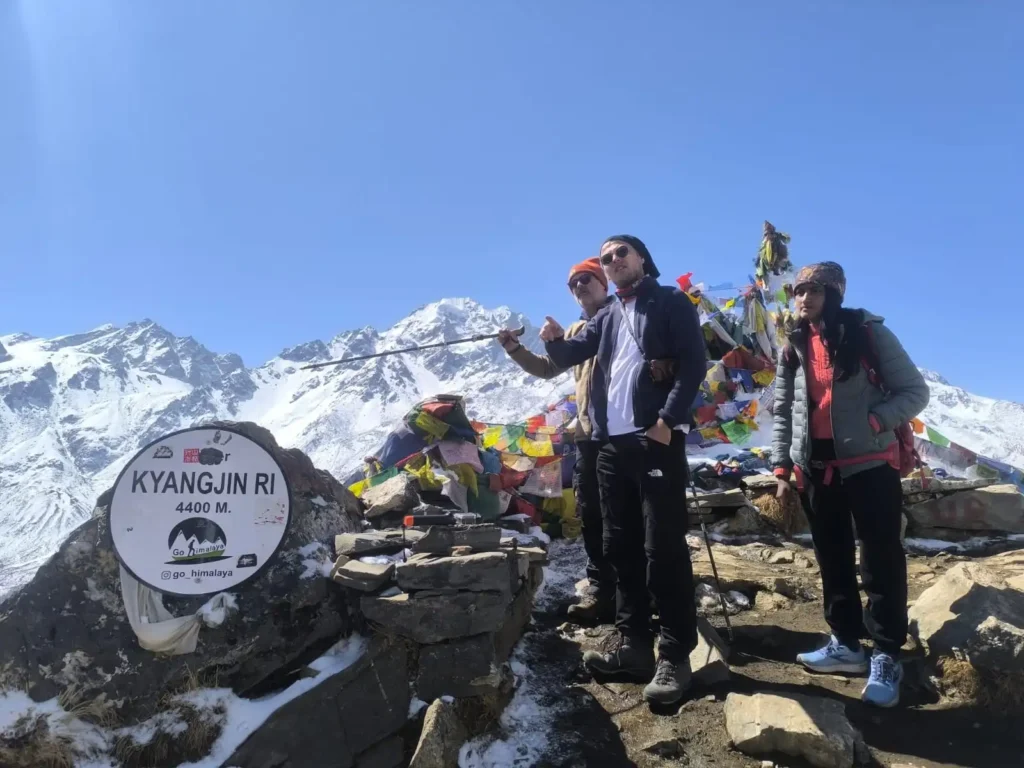
Timing your trek correctly makes a huge difference in your experience.
Autumn (September–November): The Ideal Season
Autumn is my personal favorite for trekking in this region. The monsoon rains have cleared, leaving the skies clear and the air crisp. Visibility is excellent—you’ll see distant peaks sharply defined against blue skies.
The temperature is pleasant. During the day, you’ll have 15–18°C weather, cooling to around 0°C at night. This is perfect for hiking—warm enough to move comfortably, cool enough that you won’t overheat.
The trails are dry and safe. No slippery mud or loose rocks to worry about.
Spring (March–May): Flowers and Warmth
Spring is equally magnificent but for different reasons. The rhododendron forests burst into bloom, painting the entire valley in shades of pink, purple, and red. It’s almost surreal.
Temperatures are slightly warmer than autumn, ranging from 10–18°C during the day. Snow at higher elevations is melting, making the passes more accessible.
If you’re a photographer or nature lover, spring is magical. The wildflowers combined with snow-capped peaks create postcard-perfect moments.
Avoid These Seasons
Monsoon (June–August): Heavy rains make trails slippery and dangerous. Landslides are common, and clouds block mountain views. Not ideal for beginners.
Winter (December–February): Freezing temperatures and snow make higher elevations risky. Roads to Syabrubesi can become impassable. Unless you’re an experienced winter trekker, skip this season.
👉 Check out this blog to get complete information about the Best Time for Langtang Valley Trek
Langtang Valley Trek Route Overview
The Journey at a Glance
The trek follows a logical progression from lower to higher elevations, allowing your body to acclimatize naturally.
- Starting Point: Syabrubesi (1,500m)
- Highest Point: Kyanjin Gompa (3,870m)
- Elevation Gain: 2,370m over 7–10 days
Key Stops Along the Way
Syabrubesi (1,500m): A small mountain village that serves as the trailhead. This is where you’ll arrange permits, meet your guide (if hiring one), and pick up any last-minute supplies. The town has basic teahouses and shops. Spend your first night here to rest before trekking.
Lama Hotel (2,360m): Despite its name, this is actually a teahouse, not a hotel. Located on the banks of the Langtang River, it’s the natural first stop after leaving Syabrubesi. The walk is about 10 km (5–6 hours) through rhododendron forests and past small settlements. You’ll feel the elevation change but nothing severe.
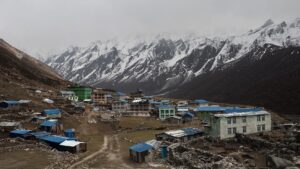
Langtang Village (3,430m): The heart of the valley and the best place for acclimatization. This authentic Tamang settlement is spread across a hillside with traditional houses and terraced fields. From here, you get your first clear views of Langtang Lirung (7,234m) and Ganesh Himal (7,422m)—the moment most beginners fall in love with this trek.
Kyanjin Gompa (3,870m): A Buddhist monastery surrounded by yak pastures and glaciers. This is the trek’s turnaround point for most trekkers. The views are breathtaking, and the high-altitude setting feels otherworldly. You’ll spend 2–3 days here, including rest days for acclimatization.
Detailed Day-by-Day Itinerary
Here’s a realistic itinerary for a 7–8 day trek:
| Day | Route | Distance | Elevation | Time | Highlights |
| 1 | Kathmandu → Syabrubesi | 120 km (drive) | 1,500m | 6 hours | Scenic mountain drive, terraced fields |
| 2 | Syabrubesi → Lama Hotel | 10 km | 2,360m | 5–6 hours | Rhododendron forests, river views |
| 3 | Lama Hotel → Langtang Village | 10 km | 3,430m | 5–6 hours | First views of Langtang Lirung, cultural sites |
| 4 | Langtang Village → Kyanjin Gompa | 6 km | 3,870m | 3–4 hours | Glacier views, Buddhist monastery |
| 5 | Rest day at Kyanjin Gompa | 0–5 km (optional) | 3,870m | 2–3 hours | Hike to Kyanjin Ri (4,773m) for panoramic views |
| 6 | Kyanjin Gompa → Lama Hotel | 16 km | 2,360m | 6–7 hours | Descent through forests |
| 7 | Lama Hotel → Syabrubesi | 10 km | 1,500m | 4–5 hours | Rivers, villages, scenic descent |
| 8 | Syabrubesi → Kathmandu | 120 km (drive) | 1,400m | 6 hours | Return drive |
Note: This is the standard itinerary, but it’s flexible. If you need more acclimatization time or want a slower pace, you can extend it to 9–10 days. Most beginners find 8 days comfortable.
Getting to Langtang Valley from Kathmandu
Transportation Options
You have several choices for reaching Syabrubesi, each with pros and cons.
Private Jeep (Recommended for Comfort)
- Cost: $70–$100 for 2–4 people
- Duration: 6 hours
- Pros: Comfortable, flexible departure time, can stop for photos
- Cons: More expensive, especially if traveling solo
I recommend this for first-time trekkers who want to arrive refreshed and ready to trek.
Local Bus (Budget-Friendly)
- Cost: $10–$15 per person
- Duration: 7–8 hours
- Pros: Cheap, authentic local experience
- Cons: Crowded, stops frequently, slower journey
The buses are basic but clean. You’ll experience real Nepal on these routes. Leave early (5–6 AM) to maximize daylight on the road.
Shared Jeep/Taxi (Good Middle Ground)
- Cost: $15–$20 per person
- Duration: 6–7 hours
- Pros: Cheaper than private jeep, more comfortable than bus
- Cons: Departure depends on vehicle filling up
My Honest Advice: If it’s your first trek, use a private jeep or book through a trekking company like Everest Hikes that can arrange transport. The extra comfort is worth it, and you’ll start your trek feeling energized rather than exhausted from a bumpy bus ride.
The Journey Itself
The drive from Kathmandu to Syabrubesi is scenic. You’ll pass through:
- Terraced rice fields and farmland
- Small villages where locals go about daily life
- Cascading waterfalls
- The Langtang River gorge (absolutely stunning)
The road is paved but can be rough during monsoon season. Bring motion sickness medication if you’re prone to it – the mountain roads have curves.
Pro Tip: Depart Kathmandu early (5–6 AM) to reach Syabrubesi by early afternoon. This gives you time to rest, arrange permits, and acclimatize to the altitude before starting your trek the next day.
Accommodation Along the Trail
The teahouse system in Langtang is straightforward and beginner-friendly.
What Are Teahouses?
Teahouses are family-run guesthouses providing basic accommodation and meals. They’re not hotels – think of them as mountain homestays. The experience is authentic and often the highlight of the trek.
Accommodation Quality by Location
Syabrubesi (1,500m)
- Cost: $10–$12 per night
- Quality: Basic but comfortable
- Facilities: Beds, blankets, basic toilets, hot water available
- Best For: First night, permit arrangement
Lama Hotel (2,360m)
- Cost: $10–$12 per night
- Quality: Similar to Syabrubesi
- Facilities: Rooms with river views, shared bathrooms, meals included
- Best For: Comfortable first hiking day stop
Langtang Village (3,430m)
- Cost: $12–$15 per night
- Quality: Simple but clean rooms
- Facilities: Basic heating, toilets, hot water (limited)
- Best For: Acclimatization and cultural immersion
Kyanjin Gompa (3,870m)
- Cost: $15–$20 per night
- Quality: Most basic of the trek (high altitude = simple facilities)
- Facilities: Thin blankets, basic toilets, intermittent hot water
- Best For: The ultimate high-altitude experience
What’s Included?
Most teahouses include:
- Bed with clean blankets
- Dinner (usually around 6–7 PM)
- Breakfast (usually 7–8 AM)
- Unlimited hot tea/coffee
What to Expect (Reality Check)
Be honest with yourself: mountain teahouses are not luxury hotels. You’ll have basic facilities, shared bathrooms (sometimes with squat toilets), and simple walls. But here’s what most trekkers don’t expect – they fall in love with it.
The communal dining room becomes your family. You’ll sit with other trekkers, local guides, and teahouse owners, sharing stories over steaming bowls of dal bhat. The simplicity becomes the charm.
Booking Tip: You don’t need to book in advance. Teahouses will have space unless it’s peak season (mid-October or April). If you’re trekking during busy times, book through a company like Everest Hikes to ensure availability.
Food and Nutrition on the Trek
The Staple: Dal Bhat
Don’t underestimate dal bhat. This simple dish – rice and lentil soup with vegetables—will become your best friend on the trail.
Why It’s Perfect for Trekking:
- High in carbohydrates (fuel for your body)
- Easy to digest
- Affordable ($3–$4 per meal)
- Available everywhere
You can eat it twice daily without getting bored because teahouses vary their preparations with different vegetables and spices.
Other Foods Available
Breakfast Options:
- Pancakes with honey
- Fried bread
- Porridge
- Eggs
- Toast with jam
Lunch & Dinner:
- Momo (dumplings, fried or steamed)
- Vegetable or meat curries
- Noodle soups
- Rice with vegetables
- Potatoes in various forms
Snacks Available at Teahouses:
- Chocolate bars
- Energy biscuits
- Granola bars
- Dried fruit
- Nuts
Beverages:
- Tea (black or herbal)
- Coffee
- Hot chocolate
- Bottled water ($1–$2 per bottle at higher elevations)
Dietary Preferences
Vegetarian/Vegan? No problem. Most teahouses offer vegetable curries, fried momos, and noodles without meat. Just mention your preference when ordering.
Allergies? Inform the teahouse owner, and they’ll prepare something suitable. They’re experienced with international trekkers.
Eating Tips
- Eat breakfast before trekking. A hearty breakfast provides energy for the day.
- Pack snacks. Bring energy bars or nuts for between-meal hunger.
- Eat light on your first day. Your stomach might be sensitive to the altitude.
- Stay hydrated. Drink 2–3 liters of water daily (more at higher altitudes).
- Avoid heavy meals before bed. You’ll sleep better with a light dinner.
Understanding Altitude and Difficulty Level
What “Moderate” Really Means
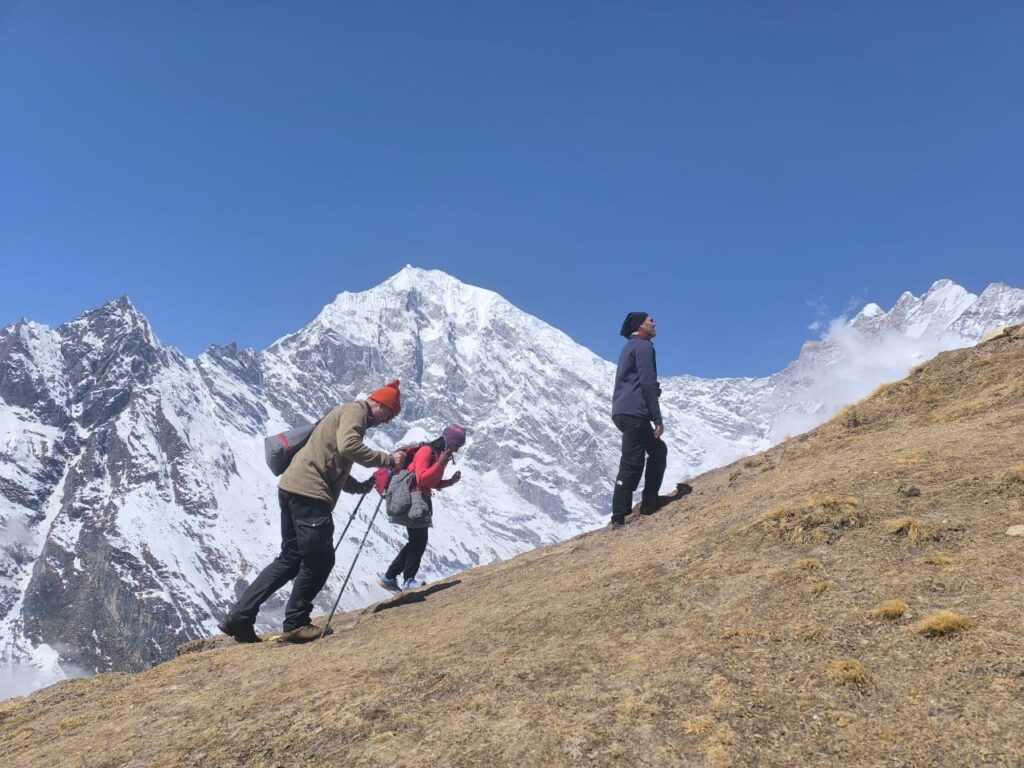
The Langtang Valley Trek is classified as moderate difficulty. This means:
- You don’t need mountaineering skills or experience
- The terrain is mostly hiking trails, not rock climbing
- Daily walks are 4–6 hours at a relaxed pace
- The elevation gain is gradual and manageable
But “moderate” doesn’t mean “easy.” You still need reasonable fitness.
Altitude Explained
Altitude is the biggest factor on this trek. Here’s what you need to understand:
Low Altitude (1,500–2,500m): Syabrubesi to Lama Hotel
- Most people feel fine at these elevations
- Shortness of breath is minimal
- Sleep is usually normal
Mid Altitude (2,500–3,500m): Lama Hotel to Langtang Village
- You’ll notice the altitude (less oxygen in air)
- You might breathe heavier while walking
- Sleep might be slightly disturbed
- This is where acclimatization becomes important
High Altitude (3,500–3,870m): Langtang Village to Kyanjin Gompa
- Altitude sickness risk increases
- Headaches are common
- Sleep is often disturbed
- Your body works harder for the same physical effort
Physical Fitness Requirements
Minimum Fitness Level: You should be able to:
- Walk for 1 hour continuously without stopping
- Climb stairs without getting winded
- Hike on hills for 30–45 minutes
Ideal Preparation: Start training 4–6 weeks before your trek:
- Walk 30–45 minutes daily (on flat ground or hills)
- Do stair climbing (buildings, stadiums, or stairs at home)
- Do light cardio (running, cycling, swimming)
- Strengthen your legs (squats, lunges, calf raises)
Age Is Not a Barrier: I’ve guided 60+ year-olds who completed this trek comfortably. It’s about consistent fitness, not age.
Read this blog for complete details on the difficulty level of the Langtang Valley Trek.
What to Pack: Beginner’s Checklist
Packing right makes the difference between a comfortable trek and a miserable one.
Clothing (Layering Is Key)
The cardinal rule of mountain hiking: layer your clothing. This lets you adjust to temperature changes without carrying bulky gear.
Base Layer (Worn Against Skin):
- Thermal underwear (merino wool or synthetic)
- Long-sleeve shirt (not cotton—it retains sweat)
- Socks (wool blend, not cotton)
Mid Layer (For Insulation):
- Fleece jacket or wool sweater
- Thermal bottoms
Outer Layer (Protection):
- Waterproof rain jacket
- Waterproof rain pants (or gaiters)
- Windproof layer
Accessories:
- Warm hat (covers ears)
- Gloves or mittens
- Scarf or buff (multipurpose)
- Sunglasses (sun reflects off snow)
Footwear
- Hiking boots: Waterproof, good ankle support, broken in before the trek
- Trail shoes: Light, comfortable for easier days
- Casual shoes: For wearing at teahouses
Sleep and Comfort
- Sleeping bag: Rated for -5°C or colder (critical for Kyanjin Gompa)
- Sleeping pad: Provides insulation from cold ground (many teahouses provide mats)
- Pillow: Teahouses rarely provide pillows—bring a lightweight one or use a stuff sack
Backpack
- Size: 30–40 liters for the trek
- Quality: Padded straps, hip belt (distributes weight to hips, not shoulders)
- Weight: Pack your gear to about 7–10 kg (15–22 lbs)
Health and Safety Essentials
- First aid kit: Bandages, pain relievers, anti-diarrheal medication, blister treatment
- Altitude sickness medication: Diamox (if prescribed by a doctor)
- Water purification: Tablets or portable filter
- Sunscreen: SPF 50+ (sun is intense at altitude)
- Lip balm: With SPF
- Medications: Any personal medications (bring more than you think you’ll need)
- Thermometer: Digital to monitor fever
- Hand sanitizer: Alcohol-based
Miscellaneous but Important
- Headlamp/flashlight: For early morning walks or navigating after dark
- Trekking poles: Reduce stress on knees, especially helpful for beginners
- Toilet paper and wet wipes: Some teahouses don’t provide these
- Biodegradable soap: For washing (keeps streams clean)
- Quick-dry towel: Regular towels take forever to dry
- Toiletries: Toothbrush, toothpaste, shampoo, face wash
- Phone: For emergencies (connectivity is limited)
- Cash: In Nepali Rupees (guides and teahouses rarely accept cards)
- Copies of important documents: Passport, visa, insurance
What NOT to Bring
- Heavy winter coats (just layer instead)
- Cotton clothing (cotton retains moisture)
- Too many shoes (wear the same hiking boots the whole trek)
- Expensive jewelry (basic is fine)
- Hairdryer, curling iron (no electricity is guaranteed)
- Heavy books (bring a Kindle if you read)
Packing Strategy
- Lay everything out before packing your backpack
- Put heavy items low (water, sleeping bag, food)
- Put frequent-access items on top (camera, water bottle, snacks)
- Compress clothes using packing cubes or compression bags
- Weigh your pack (aim for 7–10 kg total)
Tips: For complete information about the trekking packing list, please click this link.
Permits and Legal Requirements
What Permits Do You Need?
Two permits are required to trek Langtang Valley:
1. TIMS Card (Trekkers’ Information Management System)
This is essentially a national tracking system for trekkers. It helps authorities know who’s on the trails and aids rescue operations if needed.
- Cost: $20 per person
- Where to Get: Kathmandu (Nepal Tourism Board), or at the Syabrubesi checkpoint
- Processing Time: 1–2 hours
- Duration: Valid for your entire trek
2. Langtang National Park Permit
This is required to enter the protected Langtang National Park area. The fee varies by nationality.
- Cost for SAARC nationals (India, Pakistan, Bangladesh, Sri Lanka): $15
- Cost for non-SAARC nationals: $30
- Where to Get: Kathmandu (Department of National Parks), Syabrubesi, or through your trekking company
- Processing Time: 1–2 hours
Total Permit Cost
- SAARC nationals: ~$35
- Non-SAARC nationals: ~$50
How to Obtain Permits
Option 1: Get Them Yourself in Kathmandu Visit the Tourism Board and National Park office before heading to Syabrubesi. This takes 2–3 hours of your time but is straightforward.
Option 2: Get Them at Syabrubesi When you arrive at Syabrubesi, permit offices are there. This is convenient but means a 1–2 hour delay before starting the trek.
Option 3: Use a Trekking Company (Recommended) Companies like Everest Hikes arrange permits before you arrive. Everything is ready—you just walk. This costs a small service fee but saves you hassle.
Important Reminders
- Bring your passport (original, not copies)
- Have photocopies of your passport and visa
- Keep permit copies with you (checkpoints along the trail ask to see them)
- Both permits are mandatory (trekking without them is illegal and unsafe)
Altitude Sickness: Prevention and Recognition
What Is Altitude Sickness?
Altitude sickness (also called acute mountain sickness or AMS) happens when your body doesn’t get enough oxygen at higher elevations. It’s not serious if recognized early, but it can become dangerous if ignored.
Altitude Sickness Symptoms
Mild Symptoms (Usually Appear on Day 2–3):
- Headache
- Mild nausea
- Fatigue
- Shortness of breath, even at rest
- Difficulty sleeping
- Loss of appetite
Severe Symptoms (Require Immediate Action):
- Persistent vomiting
- Confusion or difficulty thinking clearly
- Severe headache unrelieved by medication
- Extreme shortness of breath
- Bluish lips or fingertips
Prevention Strategies
1. Acclimatization Is Key
Acclimatization means allowing your body time to adjust to less oxygen. The Langtang itinerary is specifically designed for this:
- Day 1–2 (1,500–2,360m): Gentle introduction
- Day 3 (2,360–3,430m): Moderate elevation increase
- Day 4 (3,430–3,870m): Slower, shorter final push
- Day 5: Rest day at Kyanjin Gompa (critical for acclimatization)
“Climb High, Sleep Low” is a trekking principle. Never jump to high elevation too quickly.
2. Hydration
- Drink 2–3 liters of water daily
- Avoid alcohol (increases dehydration)
- Drink fluids consistently throughout the day
- Your urine should be pale yellow (dark urine means dehydration)
3. Nutrition
- Eat regular meals, even if not hungry
- Increase carbohydrate intake (dal bhat is perfect)
- Avoid heavy, greasy foods
4. Slow Pace
- Walk slowly (faster doesn’t help—slower is faster)
- Take frequent breaks
- Let your body dictate the pace
5. Medication (If Recommended)
Your doctor might prescribe Diamox (acetazolamide). This medication helps your body acclimatize. If prescribed:
- Start taking it 1–2 days before ascending
- Continue for 2–3 days while gaining elevation
- Follow your doctor’s dosage exactly
What to Do If Symptoms Appear
If You Have Mild Symptoms:
- Stop climbing
- Rest at your current elevation for a day
- Drink plenty of water
- Take pain relievers for headache
- Eat light meals
- Sleep well (sleep helps acclimatization)
Most people recover within 24–48 hours.
If Symptoms Are Severe or Worsening:
- Descend to a lower elevation immediately
- Inform your guide or teahouse owner
- Seek medical help
- Consider evacuation if symptoms persist
In my experience, descending even 500m often brings immediate relief.
Safety Tips for Beginners
Weather Awareness
Check Weather Patterns Before Trekking
- Autumn and spring have stable weather
- Monsoon brings landslide risk
- Winter brings snow and freezing conditions
Be Prepared for Sudden Changes
- Himalayan weather can change in minutes
- Wear layers you can easily add/remove
- Always have a rain jacket accessible
Watch for Specific Weather Hazards
- Heavy fog can make trails hard to follow
- Afternoon thunderstorms are common in spring
- Early morning is usually the clearest time to walk
Trail Safety
Stay on Marked Trails
- The Langtang trails are well-marked
- Don’t take shortcuts or explore unmarked paths
- If in doubt, ask your guide or local trekkers
Be Careful on Steep Sections
- Use trekking poles for balance
- Take small steps on downhill sections
- Loose rocks are dangerous—watch your footing
River Crossings
- Some river crossings use log bridges or cables
- Take your time
- Use trekking poles for balance
- If uncomfortable, ask your guide for assistance
Group Safety
Trekking with Others Is Safer
- Never trek completely alone
- Travel with a guide, porter, or group of trekkers
- Guides know the area and can help if something goes wrong
Health and Illness Prevention
Common Trekking Illnesses:
Diarrhea/Stomach Issues
- Use water purification tablets or filters
- Eat only cooked food
- Wash hands before meals
- Eat slowly and chew thoroughly
Blisters
- Wear broken-in boots (not new boots)
- Wear moisture-wicking socks
- Treat blisters immediately (they get worse if ignored)
- Bring blister treatment supplies
Sunburn and Snow Blindness
- Wear SPF 50+ sunscreen daily
- Reapply after water/sweat
- Wear sunglasses (UV protection)
- Sun reflects intensely off snow
Emergency Preparedness
What to Carry:
- Copy of your insurance details
- Emergency contact numbers (family, embassy, trek company)
- First aid kit
- Headlamp
- Whistle (for emergencies)
Know the Evacuation Routes:
- Teahouses have contact information for rescue services
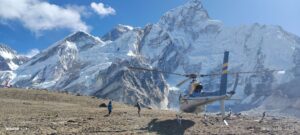
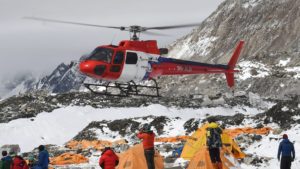
- In emergencies, helicopter evacuation is possible (expensive—ensure you have insurance)
- Your guide knows evacuation procedures
Tell Someone Your Plans:
- Share your itinerary with someone back home
- Let them know when you’ll be back in Kathmandu
- Check in if possible (though connectivity is limited)
Water Safety and Hygiene Practices
Drinking Water: The Reality
Mountain water looks clean but often contains bacteria that cause serious illness. Never drink untreated water.
Safe Water Methods
1. Boiling (Most Reliable)
- Teahouses boil water for tea
- Ask for boiled water to drink
- It’s usually free or costs $0.50
2. Water Purification Tablets
- Portable and lightweight
- Follow package instructions
- Cost: ~$10 for 100 tablets
- Make water safe in 30 minutes
3. Portable Water Filters
- Devices that filter bacteria and protozoa
- Lightweight and reusable
- Brands: LifeStraw, Sawyer Mini
- Cost: $20–$40
My Recommendation: Bring water purification tablets as backup, but rely on boiled water or tea at teahouses.
Hygiene Practices
Hand Washing
- Before meals (most important)
- After using toilets
- After blowing your nose
- After handling shared items
Toilet Etiquette
- Teahouses have basic squat or sit toilets
- Always have toilet paper (teahouses might not provide it)
- Dispose of toilet paper in bins, never in toilets (they can’t handle it)
- Wash hands immediately after
Personal Hygiene
- Wash face daily (even if no shower)
- Wash feet before bed (prevents infections)
- Change underwear daily
- Bathe when possible (teahouses have warm water showers for $1–$2)
Preventing Illness
- Avoid raw vegetables unless washed with clean water
- Eat only hot, freshly cooked food
- Don’t share eating utensils or drinking vessels
- Keep hands away from your face
Internet, Wi-Fi, and Staying Connected
Real Connectivity Expectations
The Langtang Valley is remote. Don’t expect a seamless internet.
What’s Available Where?
Syabrubesi (1,500m):
- Mobile signal (basic)
- Wi-Fi at some teahouses (unreliable)
Lama Hotel (2,360m):
- Weak mobile signal
- Wi-Fi at some places (very slow)
Langtang Village (3,430m):
- Intermittent mobile signal
- Wi-Fi at a couple of teahouses ($2–$3/hour)
Kyanjin Gompa (3,870m):
- Occasionally strong signal (depends on weather)
- Wi-Fi at some lodges (expensive and slow, $2–$3/hour)
What This Means
You Cannot Rely On:
- Uploading social media constantly
- Video calling home
- Streaming anything
- GPS navigation (download offline maps)
You Can Probably Do:
- Send messages via WhatsApp (when signal is strong)
- Check email briefly
- Share photos when back in Kathmandu
Practical Tips for Staying Connected
Before Your Trek:
- Download offline maps (Google Maps has offline mode)
- Download offline guides and trekking apps
- Make sure your phone battery is fully charged each night
- Bring a portable power bank (essential)
During Your Trek:
- Keep your phone in airplane mode to save battery
- Enable it only for emergencies or specific tasks
- Don’t rely on mobile data for navigation
Embrace the Disconnect: Honestly? One of the best parts of trekking is leaving the digital world behind. Your phone will be fine for a week without constant use. Enjoy being present in the moment instead.
Should You Trek Solo or With a Guide?
Important Legal Note
Solo trekking without a guide is not permitted in Langtang National Park. Government regulations require all trekkers to hire an officially registered guide.
This isn’t just bureaucracy—it’s a safety measure. Guides know the terrain, can handle emergencies, and prevent trekkers from getting lost.
Hiring a Guide: What You Get
A good guide provides:
- Navigation: Knows every trail, shortcut, and safe route
- Language Support: Communicates with teahouse owners on your behalf
- Safety Monitoring: Watches for altitude sickness symptoms and adjusts pace
- Local Knowledge: Tells stories, explains culture, points out wildlife
- Emergency Help: Has first aid training and knows evacuation procedures
Guide Costs
- Daily Rate: $25–$35 per day
- 8-Day Trek Cost: $200–$280
- What’s Included: Guide’s accommodation, meals, and salary
Should You Hire a Porter Too?
A porter carries your heavy gear, so you walk with just a light daypack (7–10 liters instead of 20+ liters).
Porter Costs:
- Daily Rate: $15–$20 per day
- 8-Day Trek Cost: $120–$160
- Capacity: Carries 10–15 kg
Is It Worth It? Yes, especially for first-timers. Lighter loads mean less fatigue and lower altitude sickness risk. Plus, you’re supporting local employment.
Group vs. Solo Trekking
Group Treks (Through a Company):
- Pros: Social, shared experiences, planned itinerary, professional organization
- Cons: Less flexibility, group pace might not match yours
Small Group (2–3 Friends):
- Pros: Flexibility, personal group, shared costs
- Cons: Must coordinate schedules, someone manages logistics
The Honest Truth
Most beginners benefit from:
- Hiring a guide (mandatory anyway)
- Hiring a porter (makes the trek much easier)
- Booking with a professional trekking company like Everest Hikes (handles all logistics)
This might sound commercial, but I’ve seen too many first-time trekkers struggle unnecessarily because they tried to do everything themselves.
Wildlife and Nature on the Trek
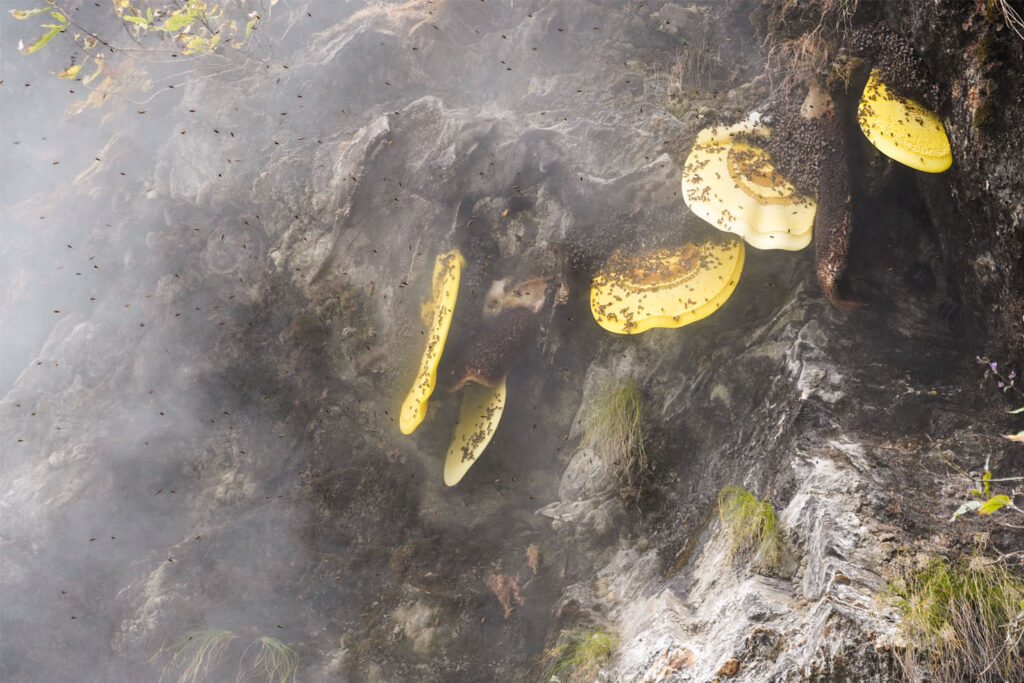
The Ecosystem
The Langtang Valley spans multiple elevation zones, each with different wildlife and vegetation. This creates incredible biodiversity for a relatively small area.
Wildlife You Might See
Himalayan Red Panda
- Shy, elusive animals that look like giant squirrels with red fur
- Mostly nocturnal and rarely seen
- If you spot one, you’re incredibly lucky
- Don’t approach—observe from distance
Himalayan Monkeys
- Black-faced primates found in mid-elevation forests
- Playful and sometimes bold around teahouses
- Don’t feed them (makes them aggressive)
- Their calls echo through the valleys – haunting and beautiful
Musk Deer
- Small, delicate deer with long fangs
- Rarely seen but signs of them are common
- Listed as endangered
- Protected in the national park
Himalayan Birds
- Golden eagles (impressive wingspan)
- Crimson-bellied woodpeckers
- Danphe (national bird of Nepal, stunning colors)
- Hundreds of other species
Other Animals:
- Himalayan tahr (wild goat-like animal)
- Porcupines
- Weasels
- Flying squirrels (nocturnal)
Yaks:
- Semi-domesticated animals seen at Kyanjin Gompa
- Used for carrying loads and providing dairy products
- Surprisingly peaceful despite their size
Vegetation by Elevation
Lower Elevations (1,500–2,200m): Subtropical Forests
- Sal and subtropical broadleaf trees
- Lush green vegetation
- Lots of insects and butterflies
Mid Elevations (2,200–3,000m): Rhododendron Forests
- Massive rhododendron bushes (especially beautiful in spring)
- Oak and fir trees
- Moss-covered rocks and tree trunks
- Mystical atmosphere, especially in mist
Higher Elevations (3,000–3,870m): Alpine Zone
- Stunted, twisted trees (adaptation to harsh conditions)
- Alpine meadows with wildflowers
- Moss and lichen on rocks
- Barren, windswept landscape at the highest points
Responsible Wildlife Observation
- Observe from distance: Use binoculars or telephoto lens
- Don’t feed animals: Creates dependency and aggression
- Make noise while hiking: Gives animals time to avoid you
- Stay on trails: Prevents damage to vegetation
- Don’t litter: Animals can choke on plastic
Best Photography Spots on the Trek
Pre-Trek Photography Preparation
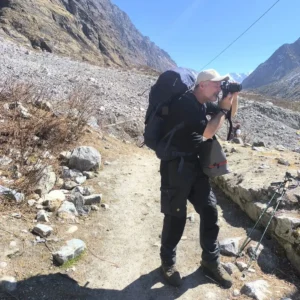
If photography matters to you, prepare before arriving:
- Bring extra memory cards
- Fully charge all batteries
- Bring backup power bank
- Download camera settings/presets
- Research composition techniques
Prime Photography Locations
Kyanjin Ri (4,773m): The Ultimate Viewpoint
This is a 4–5 hour hike from Kyanjin Gompa at first light. The 360-degree panorama includes:
- Langtang Lirung (7,234m) in sharp detail
- Gang Chhenpo (6,513m)
- Glaciers glowing in sunrise light
- Yak herds in alpine meadows below
Best Photography Time: 6–7 AM (sunrise creates golden light and dramatic shadows)
What to Shoot:
- Wide-angle landscape shots
- Close-ups of peaks with foreground interest
- Panoramic stitches
- Wildlife and yaks
Tip: Start in darkness so you’re at the summit for sunrise. Bring a headlamp.
Langtang Village (3,430m): Cultural Heart
The village itself is photogenic—traditional Tamang houses, stone walls, and prayer flags.
Best Photography Time: Morning light (6–8 AM) and late afternoon (4–6 PM)
What to Shoot:
- Traditional architecture
- Everyday life (monks, villagers, animals)
- Families in their homes (ask permission first)
- Prayer flags against mountain backdrop
Ethical Note: Always ask before photographing people. Offer to share your contact information so they can receive photos later.
Waterfalls and Streams: Hidden Gems
Small waterfalls and streams appear throughout the trek, especially near Lama Hotel. These are perfect for:
- Long-exposure photos (use ND filter)
- Close-up nature shots
- Reflections in pools
Best Photography Time: Overcast days (softer light) or golden hour
Sunrise From Teahouses: Simple But Stunning
You don’t always need to reach high peaks. Simple sunrise shots from teahouse roofs can be beautiful:
- Valleys filled with clouds (seen from above)
- Light on distant peaks
- Silhouettes
Forests: Especially Rhododendrons (Spring)
Rhododendron forests explode with color in spring (March–May). These create surreal, colorful forest scenes.
Best Photography Time: Early morning (less harsh shadows)
Glaciers at Kyanjin Gompa: Alien Landscape
The glacier and moraines near Kyanjin Gompa look otherworldly:
- Turquoise glacier lakes
- Cracked glacier surfaces
- Stark, barren terrain
Photography Challenges at Altitude
- Batteries drain faster in cold: Keep batteries in your jacket, not backpack
- Fingers get numb: Gloves make camera use difficult (solution: thin liner gloves or mittens you can remove one hand at a time)
- Lens fogging: Happens when moving from cold to warm teahouse. Store camera in a waterproof bag during temperature changes
- Altitude affects you: Don’t spend all day chasing perfect shots; listen to your body
Budget Planning: A Realistic Breakdown
Daily Expenses
Let me break down the actual costs you’ll face:
Accommodation: $10–$20/night
- Syabrubesi & Lama Hotel: $10–$12
- Langtang Village: $12–$15
- Kyanjin Gompa: $15–$20
Food: $4–$8/day
- Breakfast: $1–$2
- Lunch: $2–$3 (usually eaten at teahouses, not packed)
- Dinner: $2–$3
- Snacks/tea: $1–$2
Water: $1–$2/day
- At higher elevations, bottled water costs more
- Boiled water for tea is usually free
Optional Extras: $5–$10/day
- Wi-Fi at higher elevations: $2–$3/hour
- Hot showers: $1–$2
- Extra meals: varies
Transportation
Kathmandu to Syabrubesi:
- Private jeep: $70–$100
- Shared jeep: $15–$20/person
- Bus: $10–$15/person
Return journey: Same costs
Total for both directions: $90–$200 for a person
Permits and Fees
TIMS Card: $20 National Park Permit: $15–$30 (depends on nationality) Total: $35–$50
Guide and Porter Costs
Guide: $25–$35/day
- 8-day trek: $200–$280
Porter: $15–$20/day
- 8-day trek: $120–$160
Total for guide + porter: $320–$440
Complete Budget for 8-Day Trek
Budget Breakdown:
| Expense | Low Estimate | High Estimate |
| Transport (both ways) | $90 | $200 |
| Accommodation (8 nights) | $80 | $160 |
| Food | $30 | $60 |
| Permits | $35 | $50 |
| Guide (8 days) | $200 | $280 |
| Porter (8 days) | $120 | $160 |
| Miscellaneous (Wi-Fi, etc.) | $20 | $50 |
| TOTAL | $575 | $960 |
If Trekking Without Guide/Porter:
- Minimum: $270–$350
- But remember: guides are mandatory, so budget accordingly
Money-Saving Tips
- Hire guide + porter through a company: Companies often negotiate better rates
- Trek in off-season: November or April prices are lower than peak season
- Stay with local teahouses: Cheaper than tourist lodges
- Eat dal bhat: Cheapest, most nutritious option
- Share a guide/porter with other trekkers: Costs split three ways is much less
- Bring snacks from Kathmandu: They’re more expensive on the trail
- Negotiate guide fees directly: Private rates are sometimes cheaper than company rates
Travel Insurance Note
Your travel insurance should cover:
- Emergency medical evacuation (helicopter rescue costs $3,000–$5,000)
- Hospitalization
- Repatriation to your home country
- Trip cancellation
Cost: Usually $10–$30 for 1–2 weeks, but essential and worth every penny.
Getting the Most Out of Your Trek
Why Altitude Days Matter More Than You Think
Acclimatization days aren’t “wasted” days. They’re when your body adapts, your lungs work better, and you feel stronger. Use them wisely:
On Acclimatization Days:
- Take a guided hike (5km, 2–3 hours max)
- Explore the village
- Rest in your room
- Meditate or journal
- Photography walks
Don’t push hard on these days. The point is to stay active while resting.
Meeting Local People
One of the most rewarding aspects of Langtang trekking is interacting with local communities. Here’s how to do it respectfully:
In Teahouses:
- Eat in the communal dining room
- Chat with other trekkers and staff
- Ask about their lives (most love sharing)
- Ask permission before photographing
In Villages:
- Greet people with “Namaste”
- Learn a few Nepali words (“Dhanyabad”=thank you, “Mero naam…”=my name is)
- Visit monasteries respectfully (remove shoes if requested)
- Buy from local shops (supports the economy)
Cultural Respect:
- Don’t photograph sacred religious items without permission
- Don’t sit with feet pointing toward people or religious objects
- Dress modestly (especially women)
- Accept offered food/tea graciously
Meditation and Mindfulness
The simplicity of trekking creates space for reflection. Many trekkers report:
- Clarity about life decisions
- Relief from stress and anxiety
- A sense of perspective
- Connection with nature
Use the quiet trail time for:
- Thinking about life
- Practicing meditation
- Breathing exercises
- Journaling
Photography Without Missing the Experience
It’s easy to get obsessed with capturing photos and miss the actual experience. Find a balance:
- Spend 30% of your time photographing, 70% experiencing
- Put the camera down sometimes and just look
- Take photos of people and interactions, not just landscapes
- Share your experience with others, not just your photos
Gratitude Practice
The trek is a privilege. People live entire lives in the mountains; you get to visit. Practice gratitude:
- Thank your guide and porter daily
- Appreciate the teahouse owners’ hospitality
- Acknowledge the beauty around you
- Recognize your body’s strength
Common Beginner Mistakes (And How to Avoid Them)
Mistake #1: Starting Too Ambitious
- The Problem: Trekking fast on the first days because you feel good leads to altitude sickness and burnout later.
- The Solution: Slow down intentionally. Walk at 40% of your normal pace. You’ll feel stronger by day 5.
Mistake #2: Not Drinking Enough Water
- The Problem: Dehydration causes fatigue, headaches, and altitude sickness.
- The Solution: Drink water continuously (not all at once). Aim for 500ml every hour.
Mistake #3: Skipping Meals
- The Problem: You think you’re not hungry, but low blood sugar worsens altitude sickness and fatigue.
- The Solution: Eat something every 2–3 hours, even if just a small snack. Dal bhat is your friend.
Mistake #4: Not Sleeping Well
- The Problem: Altitude disrupts sleep, but you need sleep to acclimatize.
The Solution:
- Wear earplugs (other trekkers snore)
- Try melatonin if insomnia is severe
- Go to bed early
- Avoid caffeine after 2 PM
Mistake #5: Wearing New Gear
- The Problem: New boots cause blisters; new clothing doesn’t fit right.
- The Solution: Everything should be tested on day hikes before the trek. Bring exactly what you’ve worn before.
Mistake #6: Packing Too Much
- The Problem: Heavy backpack = more fatigue, more pain, more altitude sickness.
- The Solution: Aim for 7–10 kg total. If it weighs more, remove it. Hire a porter if necessary.
Mistake #7: Ignoring Warning Signs
- The Problem: Pushing through serious altitude sickness symptoms leads to life-threatening conditions.
- The Solution: If symptoms don’t improve after rest, descend. It’s not failure; it’s safety.
Mistake #8: Not Getting a Guide
- The Problem: You get lost, miss safety information, or encounter emergencies unprepared.
- The Solution: Hire a guide. It’s mandatory anyway. It’s money well spent.
Frequently Asked Questions (FAQs)
Is Langtang Valley Trek suitable for beginners with no hiking experience?
Yes, but with preparation. You don’t need climbing experience, but you should have basic fitness. Start walking regularly 4–6 weeks before the trek. The gradual elevation and teahouse infrastructure make it beginner-friendly.
What’s the absolute best time to trek Langtang Valley?
Spring (March–May) and autumn (September–November) are ideal. If choosing between them: autumn offers clearer skies; spring offers blooming rhododendrons. Both are excellent. Avoid monsoon (June–August) and winter (December–February).
Do I need to acclimatize before coming to Kathmandu?
No, but upon arriving in Kathmandu (1,400m), rest for 1–2 days before traveling to Syabrubesi. This helps your body begin adjusting to altitude.
Can I trek solo as a beginner?
No, guides are mandatory in Langtang National Park. But this is actually good—guides provide safety and expertise you need as a beginner.
How much should I budget for the entire trek?
$575–$960 for an 8-day trek including all costs. This varies based on transportation choices and guide hiring. Budget more if hiring a company; less if booking independently.
Will I get altitude sickness?
Possibly, but mild symptoms are common and manageable. Severe altitude sickness is rare with proper acclimatization. The gradual elevation gain and rest days in this trek are designed to minimize risk.
What if I start having serious altitude sickness symptoms?
Descend immediately to lower elevation. This is not failure; it’s safety. Many trekkers descend and try again another year. Your health is more important than summiting.
Can I eat vegetarian/vegan food?
Absolutely. Teahouses offer vegetable curries, fried momos, and noodles. Mention your dietary preference, and they’ll accommodate. Dal bhat with vegetables is completely vegan.
How much cash do I need to bring?
Bring enough cash for the entire trek. ATMs in Kathmandu will give you Nepali Rupees. Don’t rely on cards on the trail – teahouses and guides rarely accept them. Budget around 50,000–70,000 NPR for an 8-day trek.
Can I trek during winter (December–February)?
It’s possible but not recommended for beginners. Temperatures drop to -15°C at Kyanjin Gompa. Roads to Syabrubesi can be blocked. Snow makes trails slippery. Wait for spring or autumn.
What phone plan should I use for emergency calls?
Get a local Nepali SIM card in Kathmandu. Teahouses often have charging stations. Keep your phone in airplane mode except for emergencies to save battery. Download offline maps before leaving Kathmandu.
Is it safe for solo female trekkers?
Yes, but with precautions. Trek with a guide (mandatory anyway). Stay with other trekkers when possible. Dress modestly. Inform your accommodation of your plans. The trekking community is very welcoming to solo female trekkers.
What should I do if I have medical issues on the trail?
Teahouses have basic first aid supplies and can contact rescue services. Carry travel insurance with medical evacuation coverage. For serious issues, helicopter evacuation is possible. Let your guide know of any pre-existing conditions.
How often should I rest on rest days?
Rest doesn’t mean staying in bed all day. Spend 50% of your time resting, 50% on light activities (short walks, exploring villages). Light activity helps acclimatization better than complete rest.
Can I extend the trek to 10 days?
Absolutely. Adding 1–2 extra days gives more acclimatization time and more exploration opportunities. This is ideal if you want a more relaxed pace.
What happens if I hate trekking and want to stop?
Communicate with your guide. You can descend anytime. There’s no shame in stopping—trekking isn’t for everyone. Your guide can arrange return transport from any village.
Final Thoughts: Why Langtang Valley Trek Is Worth Doing
The Langtang Valley Trek changed how I see mountains, people, and myself. I’m not just saying that as a guide – I mean it genuinely.
This trek teaches you that you’re stronger than you think. It shows you that simplicity (basic food, basic shelter) is often enough. It connects you with people from different worlds in a way cities never can.
Most importantly, it’s accessible. You don’t need extraordinary fitness or mountaineering skills. You just need willingness to try.
Ready to Start Your Langtang Valley Adventure?
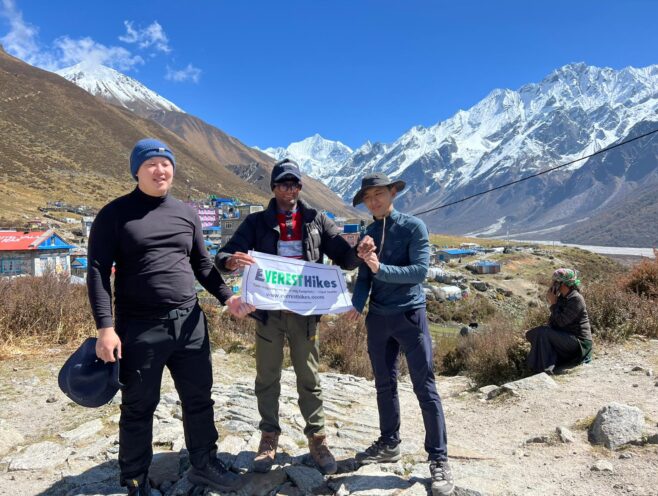
The Langtang Valley Trek is calling. The mountains are waiting.
At Everest Hikes Pvt Ltd, we’ve guided hundreds of first-time trekkers successfully through Langtang Valley. We know what beginners need—proper acclimatization, experienced guides, quality porters, and attention to safety.
When you trek with us, you’re not just hiring a service. You’re joining a community that cares about your experience and well-being.
Why Choose Everest Hikes?
- Experience: 10+ years guiding Himalayan treks
- Safety First: Guides trained in altitude sickness recognition and emergency response
- Fair Labor: We pay porters and guides fair wages
- Local Knowledge: Our team is from Nepal and knows every trail personally
- Beginner-Friendly: We specialize in first-time trekkers
- Customizable: Adjust pace, duration, and activities to your needs
- All-Inclusive Packages: Permits, guide, porter, accommodation—we handle everything
Our Langtang Valley Trek Packages
7-Day Trek: Perfect for first-timers short on time 8-Day Trek: Our most popular package with acclimatization days built in 10-Day Trek: Luxury pace with extra exploration and rest
What’s Included: ✓ All permits (TIMS + National Park) ✓ Professional guide (English-speaking) ✓ Porter service ✓ Accommodation in teahouses ✓ All meals ✓ Transportation Kathmandu-Syabrubesi-Kathmandu