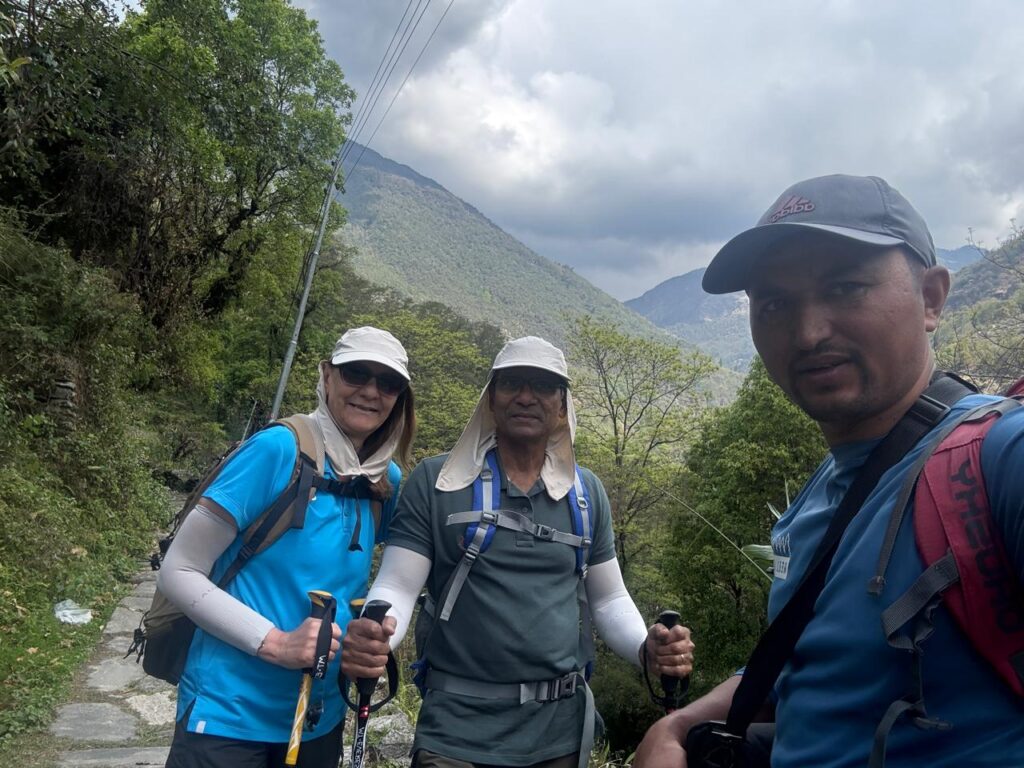
You’ve just spent 11 days walking some of the most spectacular trails on earth. Your guide showed you hidden monasteries, spotted early signs of altitude sickness, and told you stories that no guidebook could ever capture. Your porter carried 20 kilograms of gear often arriving at camp before you with a quiet determination that left you humbled.
At the end of a trek in Nepal, many travelers ask the same question: should I tip, how much, and how do I do it right?
This guide gives you honest, practical answers based on years of real trekking experience in Nepal. We’ll walk you through tipping culture, fair amounts, and the right way to show appreciation without pressure, without confusion.
Is Tipping Expected While Trekking in Nepal?
Tipping is not mandatory in Nepal. But it is a widely appreciated gesture; and for many guides and porters, tips make up a significant part of their annual income.
Nepal does not have a formal tipping system like some Western countries. Your guide and porter receive a base salary, and Everest Hikes Pvt Ltd ensures that all our staff are paid fairly and above the minimum industry standard. That said, a tip at the end of a trek is a meaningful way to say thank you for the personal effort your team put in.
Think of it this way: your guide woke up earlier than you every morning, checked the weather, mapped the safest route, communicated in your language, and watched over your health – sometimes at elevations above 5,000 meters. Your porter carried your load without complaint, often through rain, cold, and steep terrain. A tip acknowledges that effort directly.
The short answer: tipping is optional, but it is warmly appreciated and culturally meaningful in Nepal.
How Much Should You Tip Guides and Porters?
Here are realistic, fair tipping ranges based on current conditions in Nepal (2025–2026). These figures are per trekker, per day:
| Role | Recommended Daily Tip (Per Trekker) | Notes |
| Guide | USD 15 – 25 per day | Higher for longer or high-altitude treks |
| Porter | USD 8 – 12 per day | Per porter carrying your gear |
| Guide-Porter (combined role) | USD 12 – 18 per day | Common on shorter or simpler treks |
For a practical example: if you do a 11-day Everest Base Camp trek with one guide and one porter, a fair total tip would be:
- Guide: USD 150 – 250 total
- Porter: USD 80 – 120 total
- Combined tip for both: USD 230 – 370 for the full trek
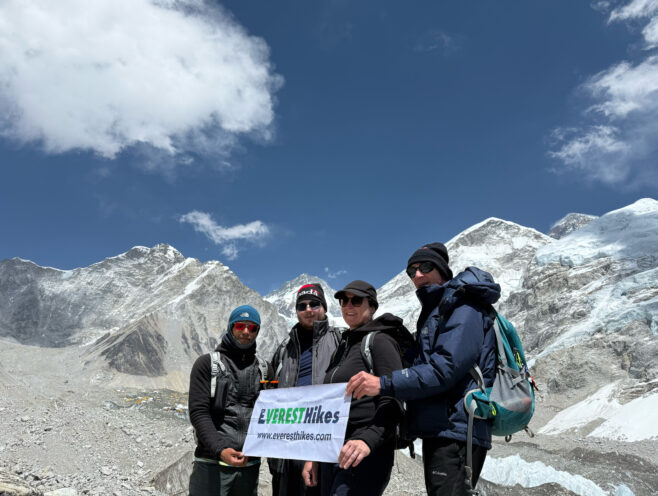
On longer treks like the Annapurna Circuit (12+ days) or technical routes crossing passes above 5,400 meters, we recommend tipping toward the higher end of these ranges. The physical and mental demands are considerably greater.
| Trek Type | Duration | Suggested Guide Tip (Total) | Suggested Porter Tip (Total) |
| Short Valley Trek (e.g., Ghorepani Poon Hill) | 3–5 days | USD 60 – 100 | USD 40 – 70 |
| Standard Trek (e.g., Everest Base Camp) | 10–12 days | USD 150 – 250 | USD 100 – 150 |
| Long Trek (e.g., Annapurna Circuit) | 14–21 days | USD 250 – 400 | USD 140 – 250 |
| Technical/High-Pass Route | 12–18 days | USD 280 – 450 | USD 160 – 280 |
These are per-trekker figures for solo or private trekking. For group treks, see the next section.
Tipping for Group Treks vs Private Treks
The type of trek you book affects how tipping works in practice.
Group Treks
On a group trek, you share the same guide and porter team with other trekkers. This means the total tip is pooled together. Each person contributes their individual share, and the combined amount is handed over at the end.
- Everyone contributes per-person amounts as listed above
- The group leader (or one volunteer) collects and delivers the combined envelope
- Pooling is normal and well understood by all staff
Private Treks
On a private trek, your guide and porter focus entirely on your group — just 1 to 4 people. The attention is personal, the schedule is flexible, and the relationship you build with your team is much closer. Because of this, we suggest tipping toward the higher end of the range, or adding 15–20% to the suggested amounts.
Luxury Expeditions
Premium and luxury treks involve senior guides, extra support staff, and a higher standard of service throughout. For these treks, a tip of 30–50% above the standard range is appropriate and expected.
When and How to Give Tips
When to Tip
The best time to tip is at the end of the trek – either on the final evening at the last teahouse or on the final morning before you head back. This is culturally preferred in Nepal and allows the gesture to feel complete, not transactional.
Avoid giving daily tips while the trek is in progress. It creates awkwardness and can affect the natural dynamic of the team. A single, sincere handover at the end means far more.
How to Tip: Step by Step
- Prepare your cash in advance — use crisp, clean USD bills or Nepali rupees. Old, torn, or crumpled notes can feel disrespectful.
- Place the money in a plain envelope. Add a short handwritten note — even two sentences thanking them by name makes it personal.
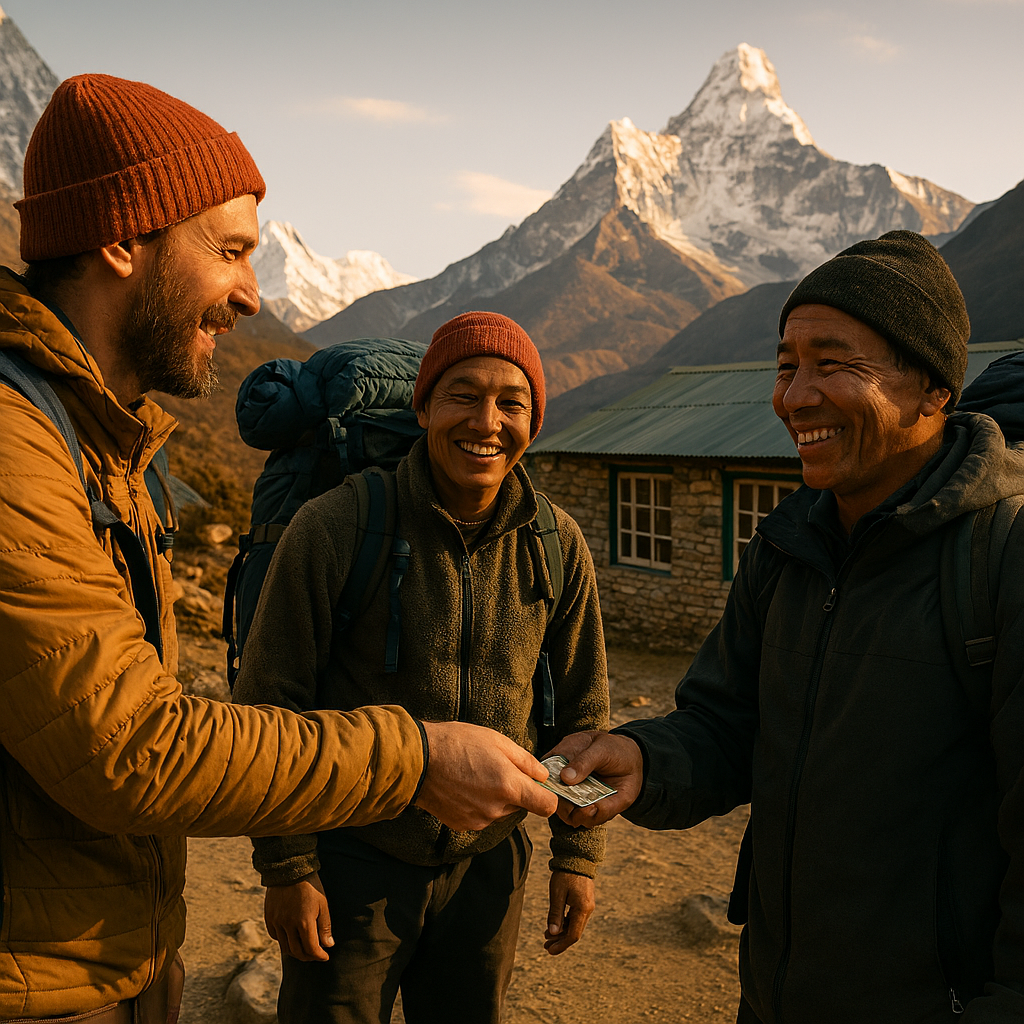
- Hand the tip to your guide first, then thank each porter individually with eye contact and a handshake.
- Say ‘Dhanyabad’ (dhan-yah-baad) — it means ‘thank you’ in Nepali. It’s a small word that carries genuine weight.
- Keep the moment private. Do not count money openly, compare amounts, or make the exchange feel like a transaction.
USD or NPR — Which Is Better?
US dollars are preferred for their ease of exchange, especially for staff from remote villages. Nepali rupees are equally acceptable and sometimes more convenient in the Kathmandu valley. Both are fine — what matters most is the cleanliness and condition of the notes.
Why Tipping Matters: The Local Perspective
Understanding the economic reality of your trekking team helps you tip with genuine intention rather than obligation.
Most guides and porters come from villages outside Kathmandu – places like Solukhumbu, Mustang, or the Langtang Valley where farming incomes are seasonal and unpredictable. Trekking provides a reliable livelihood, but base salaries alone are often modest. Tips can represent 25–40% of a guide’s or porter’s total annual earnings.
This is not a plea for sympathy – it is simply context. The man who carried your pack over Thorong La Pass at 5,416 meters in freezing wind has a family waiting at home. Your tip helps pay for his children’s school fees, medical costs, or home repairs that the base salary does not fully cover.
Beyond economics, tipping in Nepal carries cultural significance. It signals respect that you saw the person, not just the service. Nepali culture is not one where people ask for tips openly. That restraint is a sign of dignity, not indifference. Your proactive gesture matters more because of it.
Responsible Trekking with Everest Hikes Pvt Ltd
At Everest Hikes Pvt Ltd, fair treatment of guides and porters is not a marketing point — it is how we operate every trek we run.
- All guides and porters are paid above the minimum standard set by the Trekking Agencies’ Association of Nepal (TAAN)
- Every staff member is covered by insurance, including altitude evacuation coverage
- Porters are never assigned loads above the 20 kg legal limit
- Our staff receive proper clothing and equipment for altitude conditions
- We run regular training for guides in first aid, altitude sickness recognition, and route safety
We are transparent about wages and tipping. We do not hide tips inside package costs or redistribute them without your knowledge. When you tip your guide or porter through Everest Hikes, it goes directly to that individual.
We believe that when trekkers are informed, they tip generously not because they feel pressured, but because they understand the impact.
Practical Tips for First-Time Trekkers
- Withdraw enough cash in Kathmandu before you leave — ATMs are unavailable on most high-altitude routes after Namche Bazaar or Pokhara
- Bring a mix of USD and NPR to cover tips as well as any personal expenses along the trail
- Ask your Everest Hikes trek coordinator before departure about the number of guides and porters on your team so you can prepare the right number of envelopes
- If you are unsatisfied with service at any point, speak to your trek leader or contact our office — do not reduce the tip as a punishment without raising the issue first
- Consider bringing a small practical gift alongside your tip: good-quality warm socks, a reliable headlamp, or a pair of gloves are genuinely useful to trekking staff
- A group photo printed and mailed back through our office is remembered for years — it costs you very little and means a great deal
Common Tipping Mistakes — and How to Avoid Them
| Mistake | Why It’s a Problem | What to Do Instead |
| Tipping during the trek (daily) | Creates awkwardness and pressure on the team | Wait until the final morning or evening |
| Using worn, torn, or dirty notes | Feels careless and disrespectful in Nepali culture | Prepare clean USD or NPR bills in Kathmandu |
| Forgetting the porters | Porters carry your load every day — they deserve equal recognition | Prepare separate envelopes for each team member |
| Counting money openly | Embarrasses the recipient in front of others | Keep the handover private and personal |
| No personal note or words | Makes the gesture feel purely transactional | Add a short written or spoken thank you |
| Tipping far above or below norms | Very high tips can cause uncomfortable dynamics; very low tips feel dismissive | Use the recommended ranges and adjust for context |
Conclusion: Tip with Confidence and Kindness
Tipping your guide and porter in Nepal is one of the simplest, most direct ways to give back after an extraordinary experience. It does not need to be complicated.
Use the ranges in this guide as your baseline. Adjust up for longer routes, tougher terrain, and outstanding personal service. Prepare clean cash, put it in an envelope, add a few honest words, and hand it over with a smile and eye contact. That’s it.
Your guide walked beside you through thin air and difficult terrain. Your porter carried weight that most people would never attempt. A thoughtful tip at the end of the journey tells them — clearly, directly, and personally — that their work was seen and valued.
At Everest Hikes Pvt Ltd, we are proud to operate treks where every team member is treated with fairness and respect before you even arrive. Your tip builds on that foundation and ensures the people who made your adventure possible return home better for it.
If you have any questions about tipping, wages, or how we support our staff, reach out to us before your trek. We are happy to walk you through everything — because informed trekkers make the best trekking partners.