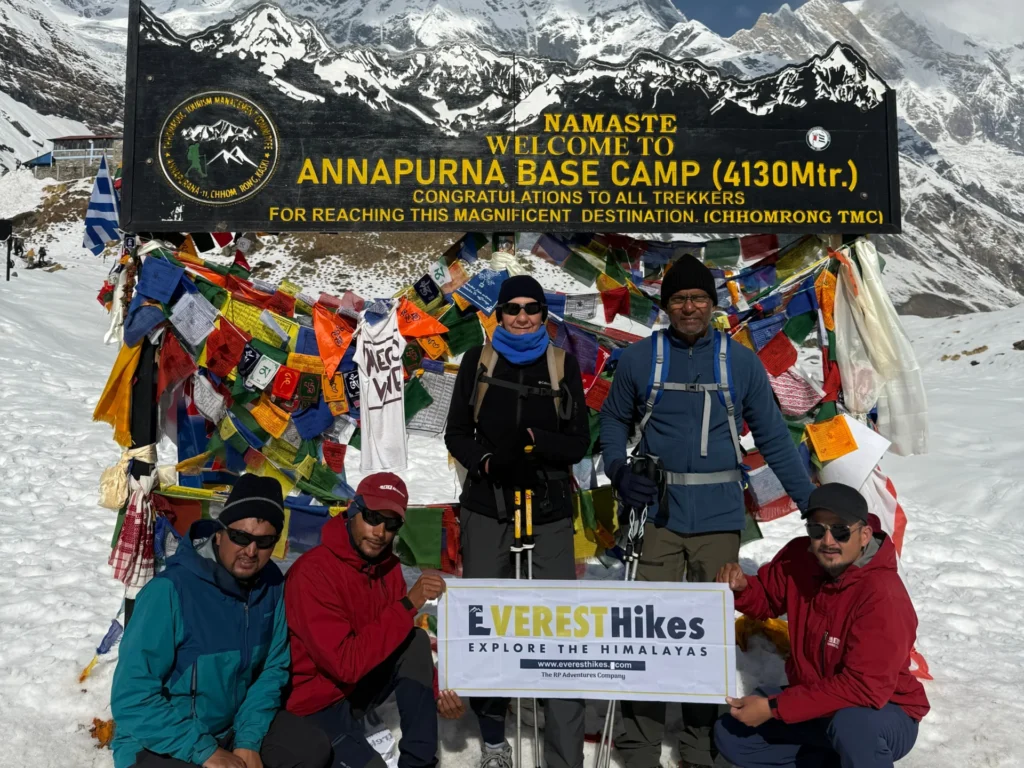
When most travelers imagine Nepal trekking, they picture clear skies and distant mountain views. But here at Everest Hikes, we know the real secret: monsoon season delivers some of the most rewarding and genuinely peaceful trekking experiences in the Himalayas. For 5+ years, we’ve guided trekkers through Nepal’s mountains in every season. We want to share what we’ve learned about trekking during the rains i.e the monsoon treks in Nepal – the magic, the challenges, and honest guidance to help you decide if monsoon is right for you.
Overview of Monsoon Season in Nepal
When Does Nepal’s Monsoon Arrive?
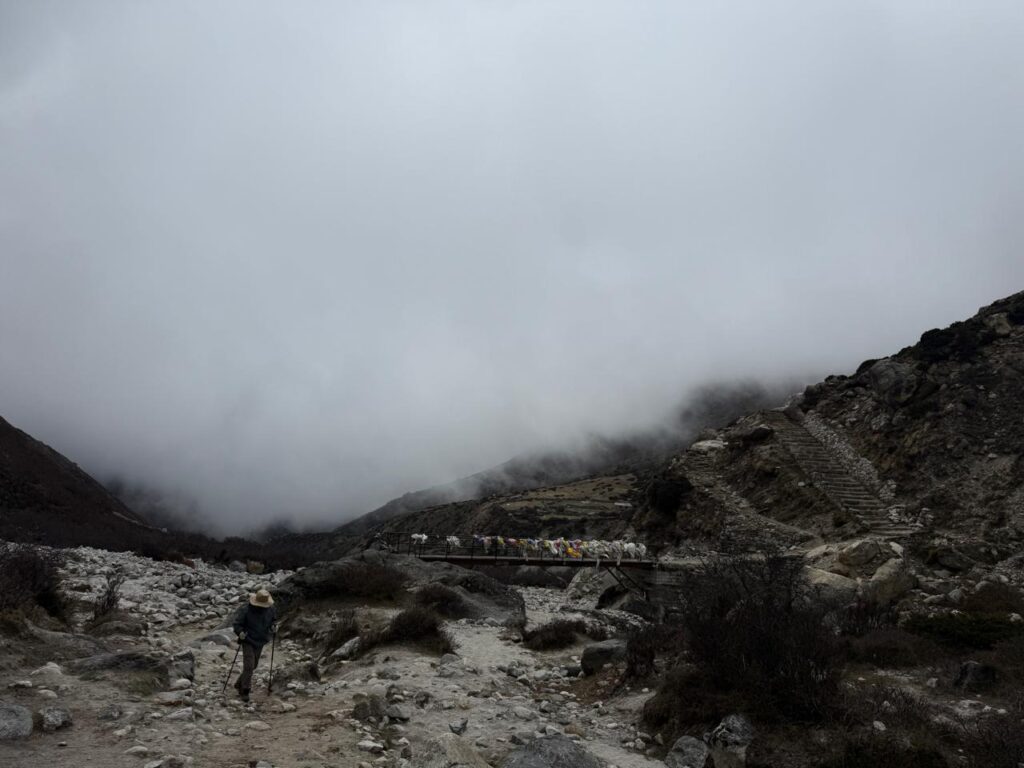
Nepal’s monsoon runs from June through early September, with peak rainfall in July and August. Here’s what that actually means: it’s not constant rain. Instead, you’ll experience clear mornings, afternoon downpours, and dramatic weather shifts. Some days you’ll trek in sunshine; others, you’ll navigate through mist and clouds.
How Monsoon Affects Different Regions
The Himalayan barrier creates fascinating weather patterns. Southwestern monsoon winds from the Indian Ocean hit the mountains and either drench lower elevations or pass over high-altitude areas. This creates distinct trekking opportunities:
- Rain-Shadow Areas (Upper Mustang, Dolpo): Minimal rainfall, excellent visibility, predictable weather
- High-Altitude Routes (Everest, Langtang above 3,000m): Less rain, fewer leeches, cooler temperatures
- Lower Elevations (Helambu, Ghorepani below 2,000m): Heavy rain, leech activity, lush green landscapes
Understanding these differences is crucial for choosing your monsoon trek. At Everest Hikes, we customize routes based on your preferences whether you want guaranteed dry weather or are willing to embrace rain for spectacular greenery.
Is It Good to Trek in Monsoon? Pros & Cons
We’ll be honest: monsoon isn’t for everyone. But for the right person, it’s transformative.
Advantages of Monsoon Treks in Nepal
Emerald Landscapes & Photography Paradise
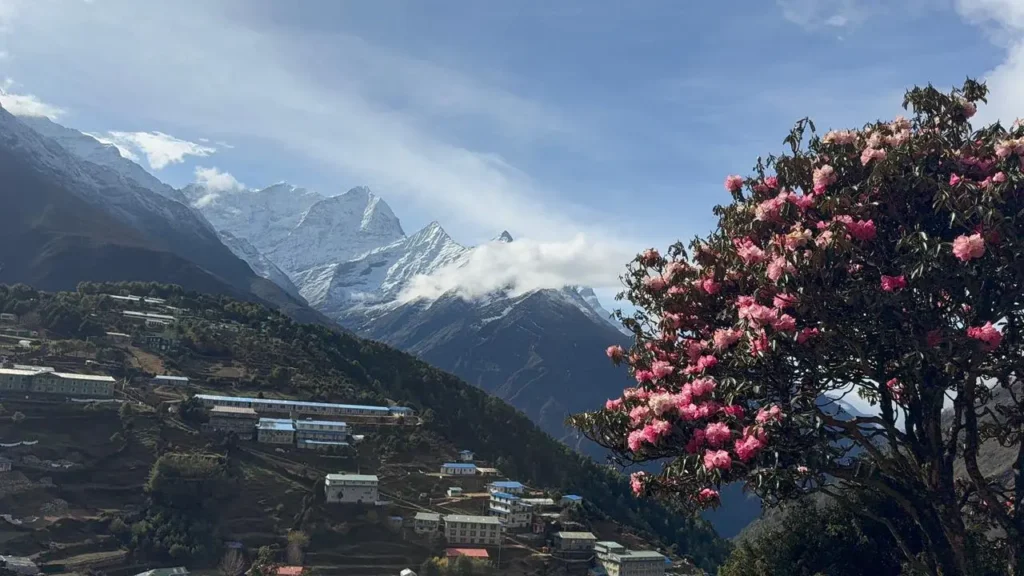
The mountains transform into brilliant shades of green. Rhododendron forests explode in reds and pinks, waterfalls cascade at full force, and the entire ecosystem awakens. If you’re interested in nature photography, wildflower identification, or simply experiencing Nepal’s raw beauty, monsoon delivers unmatched visual appeal. This is also one of the peak seasons for honey hunting in Nepal, when the famous mad honey is harvested.
Our clients consistently report that monsoon landscapes exceed their expectations – even those who initially questioned the season choice.
Genuine Solitude on Famous Trails
Popular routes that see hundreds of daily trekkers during peak season become peaceful and meditative. You’ll experience authentic interactions with lodge owners, porters, and guides who aren’t overwhelmed by seasonal tourism. Many of our monsoon clients tell us this solitude was the highlight of their trek.
Significantly Lower Costs
Guesthouses, guides, and porters charge reduced rates during monsoon. Our all-inclusive packages (which we detail below) offer exceptional value – you’re getting premium guidance and service at off-season prices.
Reliable Water Sources & Better Wildlife Spotting
Rivers run full, springs are abundant, and wildlife is more active. Your chances of seeing red pandas, wild dogs, and diverse bird species increase dramatically. The Langtang Valley, in particular, becomes a wildlife observatory during monsoon.
Easier Acclimatization for High-Altitude Routes
Monsoon’s cooler temperatures and frequent cloud cover make acclimatizing to altitude more comfortable than pre-monsoon months’ intense sun. This is particularly valuable for Everest-region treks.
The Real Challenges You’ll Face During Monsoon Treks in Nepal
Heavy, Unpredictable Rainfall
Afternoon downpours are intense. Some regions experience flooding. Lower-elevation trails become slippery. Trail damage from water runoff is common, requiring careful navigation or occasional route adjustments.
This is where experienced guides make the difference. We’ve trekked these routes in every condition imaginable. Our guides know which sections become dangerous, understand local weather patterns, and can make real-time routing decisions.
Leeches in Lower Elevations
In areas below 2,500m during July and August, leeches are a genuine inconvenience. These small bloodsuckers aren’t dangerous but are uncomfortable. They leave itchy bites lasting several days. Higher-elevation treks don’t have this problem.
We’ll give you the honest truth: if the idea of leeches causes severe anxiety, choose our Upper Mustang or high-altitude routes. If you’re willing to embrace them as part of the adventure, prevention methods work effectively.
Reduced Mountain Visibility
Clouds frequently blanket peaks, especially afternoons. If your primary goal is photographing specific mountains at sunrise, monsoon is unpredictable. However, patience and early starts often reward you with brief viewing windows.
Landslides & Trail Damage
Heavy rainfall can destabilize slopes. Some trail sections may be damaged or temporarily impassable. This is why choosing a reputable operator matters. We monitor conditions in real-time and adjust routes accordingly.
Longer Trek Durations
Rain slows your pace. Expect slower daily distances, more frequent rest breaks, and possibly extended stays if weather becomes dangerous. We build flexibility into our itineraries precisely because of this.
Limited Sunrise/Sunset Views
Cloud cover often obscures these magical moments, though when you catch them, they’re unforgettable.
Best Monsoon Treks in Nepal: Everest Hikes’ Recommendations
At Everest Hikes, we categorize monsoon treks by reliability and experience level. Here are our top recommendations:
TIER 1: Rain-Shadow Routes (Best Monsoon Experience)
Upper Mustang Trek and Upper Mustang Motorbike Tour – THE PREMIER MONSOON CHOICE
If you’re serious about monsoon trekking, Upper Mustang is the gold standard. We run this trek throughout monsoon because weather is predictable, visibility is excellent, and the experience is genuinely extraordinary.
What Makes It Special:
Upper Mustang sits in the Tibetan plateau’s rain shadow. While lower Nepal floods, this region receives minimal precipitation usually just occasional light showers. You get trekking certainty that other routes can’t guarantee.
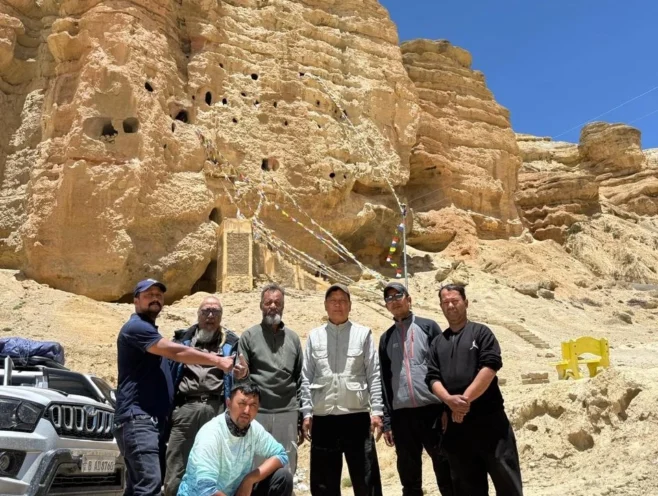
The landscape is otherworldly: deep red and orange cliffs, ancient cave dwellings carved into mountainsides, barren plateaus with stunning geological formations, and settlements with strong Tibetan cultural influences. This feels like Central Asia, not Nepal.
The Trek Route:
Flights from Kathmandu to Pokhara, then to Jomsom. From there, you trek northward into increasingly arid terrain. You’ll encounter dramatic peaks: Annapurna, Dhaulagiri, Thorung Peak, and numerous eight-thousanders.
Why Choose Everest Hikes for Upper Mustang:
- Permit Expertise: Navigating Upper Mustang permits is complex. We handle all documentation, avoiding delays and confusion.
- Expert Local Guides: Our Mustang guides are exceptionally knowledgeable about the region’s culture, geology, and history. You’re not just trekking; you’re learning.
- Flexible Itineraries: We customize the route based on weather, your fitness level, and interests. Want to spend extra time in the Loba region? We adjust.
- Homestays & Cultural Integration: We arrange stays with local families when possible, creating genuine cultural exchanges beyond typical teahouse experiences.
Book Now: Contact us with your dates, and we’ll secure your permits immediately – Mustang fills up quickly even during monsoon.
Dolpo Trek (16-20 days) – ULTIMATE ADVENTURE SEEKERS
Another rain-shadow gem, Dolpo lies west of Upper Mustang in one of Nepal’s last truly untouched regions. This is for genuine adventurers.
What Awaits You:
High alpine desert, stunning, stark, and humbling. Crystal-clear lakes, high passes (5,000m+), valleys inhabited by semi-nomadic Dolpo people, and absolute solitude. Annapurna, Dhaulagiri, and unnamed peaks surround you. Few trekkers ever venture here.
Why Monsoon Works:
Limited rainfall due to geographic position. Fewer trekkers year-round. Genuinely authentic experiences-this isn’t a tourist highway.
Important Considerations:
Dolpo is remote and challenging. It requires excellent fitness, high-altitude experience, complete self-sufficiency, and comfort with basic teahouse conditions. Not suitable for first-time trekkers.
Why Everest Hikes for Dolpo:
Dolpo demands expert logistics. We’ve run Dolpo treks since 2005. We understand the remote teahouses, know which guides speak Dolpo language, and manage complex supply chains that keep you safe and comfortable in isolation. Our safety record in Dolpo is impeccable.
TIER 2: High-Altitude Routes (Excellent Monsoon Options)
Everest View Trek (9 days) – OUR SIGNATURE MONSOON TREK
This is our most popular monsoon offering, and for good reason: you get genuine mountain experiences without the Everest Base Camp’s extreme altitude challenges. It can be shortened to 7 days.
The Experience:
Rather than the demanding EBC route, you fly to Lukla and trek to Namche Bazaar, then to Tengboche and surrounding viewpoints. You’ll see Everest, Lhotse, Cho Oyu, and other eight-thousanders. Monasteries, yak farms, and authentic villages provide cultural depth beyond mountain scenery.
Why It’s Perfect for Monsoon:
- Starting at higher elevation avoids leeches entirely
- High altitude receives less rain than lower routes
- You catch clear moments, especially early mornings
- Manageable duration and reasonable costs
- Authentic mountain culture without extreme risk
Why Our Clients Love This Trek:
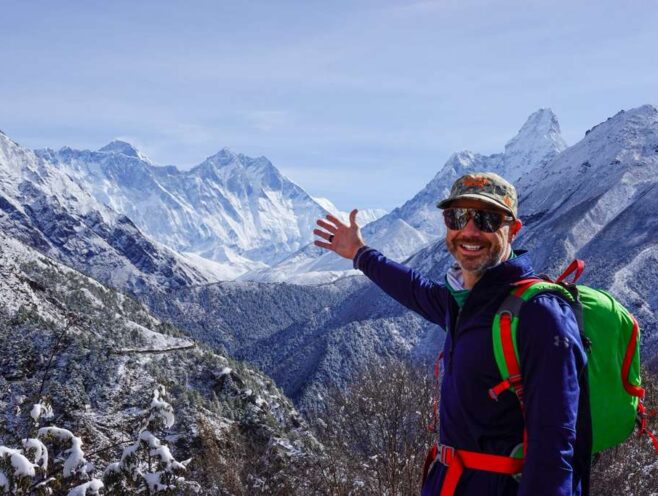
Our guides who work the Everest region year-round know exactly where to position for mountain views, understand seasonal cloud patterns, and can time hiking for optimal visibility. We’ve had clients catch spectacular Everest sunrises even during monsoon’s cloudiest days.
Real Testimonial from Monsoon Trekker (June 2025): “I was nervous about trekking monsoon, but the solitude and morning clarity exceeded expectations. Our guide, Tenzin, positioned us perfectly for sunrise. Completely magical. Worth every penny.” – Sarah M., Canada
Langtang Valley Trek (8 days)
Just north of Kathmandu, Langtang offers accessible high-altitude trekking rarely crowded during monsoon.
What You’ll Experience:
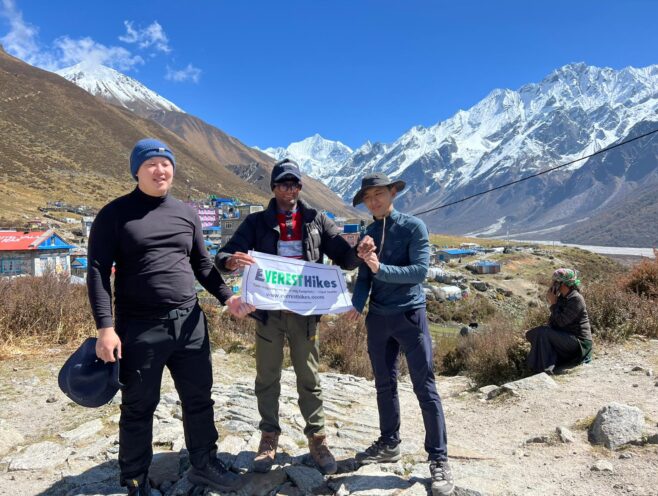
Langtang National Park protects diverse ecosystems. During monsoon, vegetation explodes with life. Waterfalls cascade full-force, rhododendron forests display brilliant colors, and the entire valley vibrates with energy.
Wildlife Spotting Advantage:
Red pandas, Himalayan black bears, musk deer, wild dogs, and 250+ bird species inhabit these forests. Monsoon’s lush conditions make wildlife spotting significantly more likely than other seasons.
Why Choose Us:
We employ Sherpa guides from Langtang villages. They have genuine relationships with local communities and unmatched knowledge of hidden wildlife viewing spots. You’re supporting local economies directly.
TIER 3: Mid-Elevation Accessible Routes (Embrace the Leeches)
Helambu Trek (5 days) – CULTURAL IMMERSION
Helambu offers accessible trekking with exceptional cultural experiences. Sherpa and Tamang communities provide authentic immersion.
The Cultural Component:
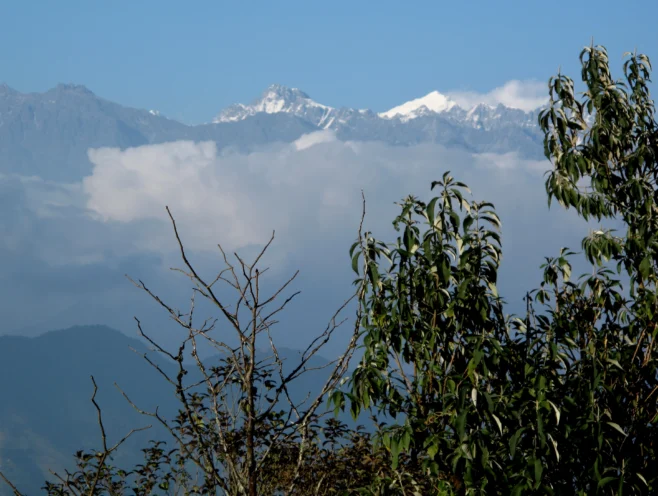
You’ll visit monasteries, stupas, and traditional villages. You’ll observe daily life largely unaffected by tourism. From various points, you see Ganesh Himal, Langtang Lirung, and Gauri Shankar peaks.
Monsoon transforms Helambu into a lush garden. Pine forests, rhododendron groves, and terraced farmlands turn brilliant green.
The Leech Reality:
Lower elevations mean genuine leech exposure in July-August. This is the honest truth. Prevention methods work, but leeches will happen.
Why Book with Everest Hikes:
Our guides are equipped with proven leech-management strategies. They’ll educate you about leeches so you can manage them confidently rather than panic. Many first-time monsoon trekkers tell us the leech reality was manageable once encountered.
Ghorepani Ghandruk Trek (7 days) – QUICK MOUNTAIN ESCAPE
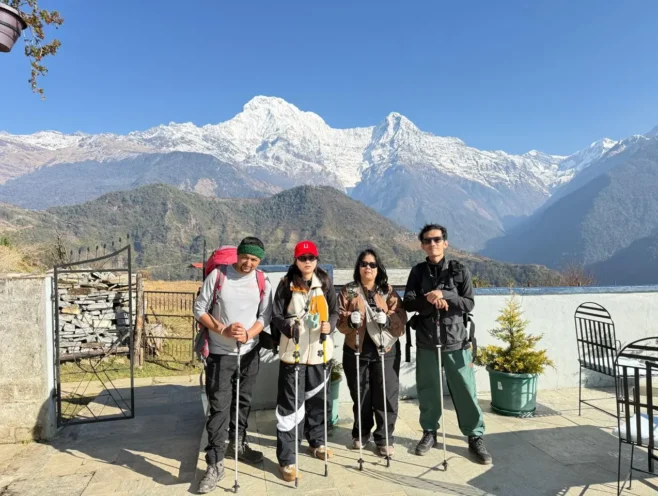
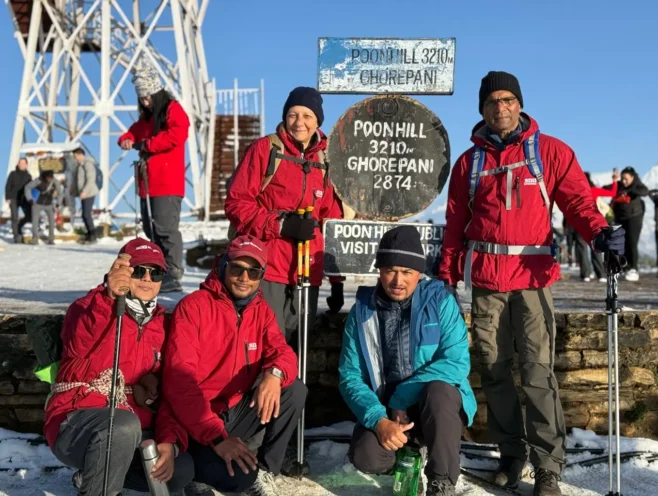
This short, accessible route suits travelers with limited time. You’ll see Annapurna and Dhaulagiri from Poon Hill’s famous sunrise viewpoint.
Quick Facts:
- Manageable for most fitness levels
- 5-day duration fits any schedule
- Passes through Gurung villages and rhododendron forests
- Warm local hospitality
The Monsoon Caveat:
This lower-elevation trek (1,000m-2,000m) experiences substantial leech activity in July-August. Cloud cover frequently obscures the sunrise you came for. Rain makes certain sections slippery and challenging.
Why It’s Still Worth Considering:
If you accept leeches and view clouds as part of the experience, the lush beauty is genuinely stunning. Few trekkers mean peaceful trails and authentic community interactions. The short duration makes it accessible.
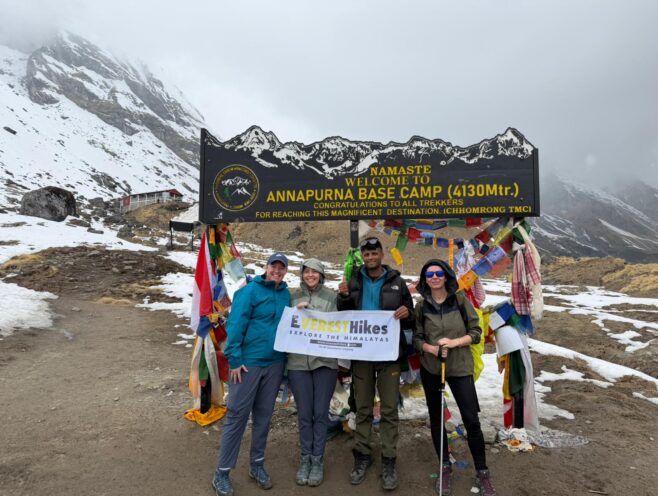
Annapurna Base Camp Trek (7 days) – WORLD-RENOWNED CLASSIC
This celebrated route showcases stunning geography without the full 21-day circuit. You experience dramatic elevation changes and diverse ecosystems.
Monsoon Advantages:
Green cover throughout the trek, spectacular waterfalls, earthy smell of rain-soaked forests, dramatic mountain views of Annapurna ranges, Machhapuchre, Gangapurna.
Monsoon Challenges:
Reduced peak visibility and challenging wet conditions on steep sections.
Why It’s Viable:
Well-maintained trails handle monsoon conditions better than less-established routes. Emergency services and rescue infrastructure are excellent. You can time summit days for favorable weather windows.
Weather and Trail Conditions During Monsoon in Nepal
Month-by-Month Breakdown
June (Early Monsoon – BEST MONTH FOR BEGINNERS)
- Rainfall: Increasing gradually
- Conditions: Partly cloudy, afternoon showers more frequent
- Temperature: Warm
- Vegetation: Beginning to flourish
- Leech Activity: Minimal (critical advantage)
- Trails: Still relatively dry
- Best For: All monsoon routes, especially lower-elevation treks
Everest Hikes Recommendation: If you’re new to monsoon trekking, book for June. You get the lush landscape benefits with manageable conditions.
July (Peak Monsoon – FOR EXPERIENCED TREKKERS)
- Rainfall: Heavy, particularly afternoons/evenings
- Conditions: Mornings often clear (good hiking windows)
- Visibility: Clouds frequently obscure peaks
- Humidity: Intense
- Leech Activity: Peaks
- Landslide Risk: Increases
- Best For: Rain-shadow routes (Upper Mustang, Dolpo), high-altitude treks only
Everest Hikes Recommendation: Upper Mustang and high-altitude routes handle July well. Lower-elevation treks become genuinely challenging.
August (Monsoon Peak – MOST CHALLENGING)
- Rainfall: Often heaviest of the season
- Conditions: Similar to July but frequently wetter
- Leech Activity: Maximum
- Trail Conditions: Deteriorate significantly
- Best For: Upper Mustang/Dolpo primarily
Everest Hikes Recommendation: August is when we typically see lower-elevation trek cancellations. Clients pivot to rain-shadow routes where conditions are excellent.
September (Late Monsoon – EXCELLENT MONTH)
- Rainfall: Decreasing significantly
- Visibility: Improving noticeably
- Leech Activity: Declining rapidly
- Trail Conditions: Becoming more reliable
- Weather: More stable
- Best For: All routes become viable again
Everest Hikes Recommendation: September offers a sweet spot—you still get monsoon’s lush landscapes but with improving conditions. Popular month; book early.
Specific Hazards & How to Manage Them
Leeches: The Reality & Prevention
Where: Lower elevations (below 2,500m) during July-August
What They Do: Bloodsuckers that leave itchy bites lasting days
Severity: Inconvenient, not dangerous (unless allergic)
Prevention Methods (Everest Hikes Provides All):
- Salt: Apply to leech bodies to make them release. Works surprisingly well.
- DEET-Based Repellent (30-50%): More effective than natural alternatives
- Light-Colored Socks: Spots leeches easily so you can remove them
- Gaiters: Prevent leeches from entering boot tops
- Protective Clothing: Long pants, long sleeves in leech zones
Our guides will educate you about leech management so it feels manageable rather than terrifying. Many trekkers discover leeches are less of an issue than they feared.
Slippery Trails & Injury Prevention
Risk: High on wet, muddy trails Injuries: Ankle sprains, knee damage common
Prevention:
- Trekking poles (essential, not optional)
- Waterproof boots with aggressive tread
- Slower pace, careful footwork
- Regular stretching to strengthen ankles
Everest Hikes includes trekking poles in all packages. Our guides teach proper technique for wet terrain.
Landslides & Trail Damage
Cause: Heavy rainfall destabilizes slopes
Risk: Some sections may be impassable
Our Response: We monitor conditions in real-time. Our guides communicate with local operators daily about trail status. If sections become dangerous, we adjust routes immediately. Your safety is non-negotiable.
Flash Floods & River Crossings
Risk: Rivers swell dramatically during heavy rains
Our Protocol: We route around problematic crossings during monsoon. We check river conditions before crossing. We never push through swollen rivers.
Reduced Visibility
Reality: Thick clouds obscure peaks, especially afternoons
Our Strategy:
- Early starts (6-7 AM) for best visibility
- Positioning for viewing windows
- Experienced guides who know weather patterns
- Flexibility in itineraries to wait for clear periods
Accommodation Pressure
Reality: Unexpected rainfall can push multiple groups into same lodge
Our Solution: We pre-book accommodations with reliable teahouse partners. You have reserved rooms, not space-available assignments. We maintain relationships with lodge owners who prioritize our clients.
Essential Tips for Monsoon Treks in Nepal: Everest Hikes Expert Advice
Gear & Equipment (What We Provide vs. What You Bring)
What Everest Hikes Includes in Your Package:
- Trekking poles (2)
- Leech prevention kit (salt, DEET, protective socks)
- Waterproof bag liners
- Accommodation at teahouses
- Daily meals (breakfast, lunch, dinner)
- Experienced guide & porter
What You Should Bring:
Rain Protection:
- Quality rain jacket (waterproof, lightweight, packable)
- Rain pants (lightweight)
- Avoid cotton ponchos – they trap heat and moisture
Footwear:
- Waterproof trekking boots with aggressive tread (most important gear investment)
- Lightweight trail runners as backup
- Multiple pairs of socks (moisture-wicking)
Moisture Management:
- Lightweight, moisture-wicking base layers
- Quick-dry towels
- Extra clothing for drying
Other Essentials:
- Headlamp with good battery life
- Sunscreen (UV penetrates clouds)
- Blister treatment kit
- Personal medications
- Insect repellent (DEET-based, 30-50%)
Everest Hikes Packing Guide:
We provide detailed packing lists before your trek. We’ll tell you exactly what to bring, what to leave, and why certain gear matters for monsoon conditions.
Planning & Booking Strategy
Step 1: Choose Your Trek & Dates (We Help You Decide)
Not sure which trek suits you? Everest Hikes offers free consultation calls with trek leaders. We’ll discuss:
- Your fitness level & trekking experience
- Monsoon weather preferences (rain-shadow vs. lush landscapes)
- Budget considerations
- Schedule flexibility
- Physical concerns (knees, altitude sensitivity, etc.)
Book Your Free Consultation: https://www.everesthikes.com/contact/
Step 2: Book Early for Permits & Logistics
Monsoon permits (particularly Upper Mustang) fill quickly. We recommend booking 4-6 weeks in advance. We handle all permits – you don’t need to navigate bureaucracy.
How to Book:
- Call/email with your preferred trek and dates
- We confirm guide availability and permit status
- You provide deposit (20% of trek cost)
- We secure permits, accommodations, flights
- We send detailed pre-trek information 3 weeks before departure
Step 3: Build Flexibility into Your Schedule
Weather delays happen. Don’t book tight onward connections. Build 2-3 buffer days, particularly if your trek ends with flights (Lukla, Jomsom) that are weather-dependent.
Everest Hikes can arrange flexible flight dates with our airline partners. We work to minimize flight change fees.
Step 4: Secure Comprehensive Insurance
Monsoon carries higher risk. Ensure your insurance covers:
- Weather-related emergency evacuation
- Trek cancellation due to dangerous conditions
- High-altitude medical issues
- Evacuation by helicopter (Everest region)
We recommend travel insurance providers familiar with Nepal trekking. We can provide recommendations.
Step 5: Stay Updated on Conditions
30 days before departure, we’ll provide:
- Current weather forecasts
- Recent condition reports from our guides
- Any trail closures or route adjustments
- Packing adjustments based on current conditions
We’re in constant communication with our guides on the trails. You’ll have accurate, real-time information.
On the Trail: Daily Rhythm & Safety Protocols
Our Daily Trekking Schedule:
- 6:00 AM: Tea/coffee in your room (porter delivers)
- 6:30-7:00 AM: Breakfast at teahouse
- 7:30 AM: Start trekking (early departure beats afternoon rain)
- 12:30 PM: Lunch break (we find sheltered spots)
- 3:00-4:00 PM: Arrive at next lodge (before afternoon rain peaks)
- Rest of day: Dry gear, relax, socialize with other trekkers
- 5:00 PM: Dinner preparation begins
- 6:00 PM: Dinner (hearty, Nepal-style meals)
- 8:00 PM: Early sleep (altitude & hiking exhaust you positively)
This rhythm keeps you ahead of afternoon rain and ensures adequate rest.
Safety Protocols Everest Hikes Implements:
- Guide Radio Communication: Our guides carry radios. Base camp monitors all trekking groups. If issues arise, we coordinate immediately.
- Daily Health Checks: Your guide monitors for altitude sickness, injury, illness, and fatigue. We adjust pace or provide rest days based on individual needs.
- Weather Monitoring: Guides check weather forecasts. We modify hiking plans based on forecasts.
- River Crossing Protocols: We assess water levels, never push through swollen rivers, and route around dangerous crossings.
- Blister & Injury Prevention: Daily foot checks. We treat issues immediately before they become serious.
- Hypothermia Prevention: In cool, wet conditions, we dress you appropriately, keep you moving, and watch for symptoms.
- Altitude Sickness Response: We monitor symptoms carefully. We descend if necessary—no exceptions.
Who Should (and Shouldn’t) Trek During Monsoon
Perfect Candidates for Monsoon Treks in Nepal
- Experienced Trekkers: You’ve completed 2+ treks and understand your limits
- Budget-Conscious Travelers: Lower costs with excellent service
- Nature & Photography Enthusiasts: Wildflowers, waterfalls, lush landscapes
- Adventure Seekers: Value unique experiences over comfort
- People Seeking Solitude: Want authentic interactions, not tourist crowds
- Those with Specific Trek Goals: Upper Mustang, Dolpo, Everest region benefits from monsoon’s unique advantages
Everest Hikes’ Ideal Monsoon Client: Realistic about weather, flexible with plans, curious about authentic Nepal, and excited about lush mountain beauty.
When Monsoon Treks in Nepal Isn’t Recommended
- First-Time Trekkers: Start with other seasons; gain experience first
- Peak Photography Goals: If photographing specific mountains at sunrise is essential, monsoon is unpredictable
- Tight Schedules: Bad weather can force rest days, disrupting tight plans
- Limited Fitness: Wet, slippery trails increase injury risk
- Leech-Sensitive: Severe anxiety or allergies to leech bites
- Luxury Comfort Expectations: Teahouses are basic; expect rustic conditions
- Anyone Uncomfortable with Uncertainty: Monsoon requires embracing weather unpredictability
Honest Assessment: If you need certainty and guaranteed comfort, book a different season. Monsoon is for adaptable, resilient, adventure-minded people.
Why Choose Everest Hikes for Your Monsoon Treks in Nepal?
We’ve guided trekkers through monsoon for two decades. Here’s what we bring to the table:
Our Expertise
- Monsoon-Specific Knowledge: We’ve trekked these routes in every condition. We know what works and what doesn’t.
- Real-Time Condition Monitoring: Daily communication with our guides on trails. We adjust routes based on actual, current conditions – not guidebooks.
- Cultural Integration: Our guides are from trekking communities (Sherpa, Tamang, Gurung). You’re learning from locals, not just hikers.
- Safety Record: Zero fatalities in our 5+ year history. Multiple industry safety certifications.
Our Logistics
- Permit Expertise: We handle complex permits (Upper Mustang, Dolpo) without your involvement.
- Accommodations: Pre-booked with vetted teahouse partners. Guaranteed reserved rooms, not space-available.
- Flexibility: Bad weather? We adjust routes. Feeling unwell? We modify pace. Your comfort & safety always come first.
- Support: 24/7 emergency contact. We’re reachable even from remote locations.
Our Guides
All Everest Hikes guides meet strict criteria:
- Minimum 5 years trekking experience
- Mountain first-aid certification
- English fluency & communication skills
- Cultural training (respecting local communities)
- Regular training updates on safety, weather, and trail conditions
Your guide isn’t just a porter who happens to speak English. They’re experienced mountaineers committed to your safety and experience.
Our Values
- Honesty: We tell you if monsoon isn’t right for you rather than taking your money.
- Community: We employ local guides, porters, and teahouse owners. Your fees support local economies.
- Environmental Responsibility: We practice leave-no-trace trekking. We educate clients about protecting Nepal’s mountains.
- Transparency: No hidden costs. No upgrade upselling. Our prices include what we promise.
Final Thoughts: Should You Trek Nepal During Monsoon?
Here’s our honest answer: Monsoon isn’t for everyone. But for the right person, it’s transformative.
If you’re seeking guaranteed comfort and perfect mountain photography, book pre-monsoon or post-monsoon. Monsoon isn’t your season.
If you value solitude, lush beauty, authentic community interaction, reasonable costs, and are willing to embrace weather unpredictability, monsoon will reward you beyond expectations.
Nepal’s mountains welcome trekkers year-round. Monsoon simply offers a different experience—quieter, greener, more intimate, and deeply rewarding for those prepared to meet its challenges.
At Everest Hikes, we’ve guided thousands through monsoon. We know what works. We know the risks. We know how to make it safe, manageable, and genuinely memorable.
Whether you choose monsoon or wait for another season, we’re here to help you experience Nepal’s mountains authentically. That’s our mission: not just guiding treks, but creating transformative mountain experiences.
Frequently Asked Questions About Monsoon Treks in Nepal
Is monsoon trekking really safe?
Yes, when guided properly. Real risks exist landslides, slippery trails, swollen rivers but competent guides, proper preparation, and realistic expectations significantly reduce danger. Everest Hikes has zero safety incidents in our 5+ years monsoon trekking history. The key is choosing reputable operators, hiring experienced guides, and respecting weather conditions.
Our Safety Record: Zero deaths, comprehensive incident prevention, 24/7 emergency support.
What’s the best monsoon month to trek?
June: Best weather conditions, minimal leeches, manageable rainfall. Ideal for beginners.
July-August: Peak monsoon, most challenging, best for rain-shadow routes only.
September: Optimal sweet spot, lush landscapes + improving weather + declining leeches.
Everest Hikes’ Recommendation: First monsoon trek? Book June. Want adventure without excessive risk? Book September. Want guaranteed perfect weather? Upper Mustang anytime June-September.
How bad are the leeches really?
Honest answer: They’re an inconvenience, not a health emergency. Small bloodsuckers that leave itchy bites lasting several days. Prevention methods work effectively. Many clients report that leeches were far less troublesome than expected once they understood how to manage them.
Our Strategy: We provide leech prevention kits and educate you thoroughly so you feel prepared and confident.
High-altitude & rain-shadow treks have zero leeches.
Will I see the mountains during monsoon?
Probably, but not guaranteed. Expect clear mornings with clouds building afternoons. Early September offers best visibility. July-August are least predictable. Rain-shadow areas (Upper Mustang) offer excellent visibility year-round.
Everest Hikes Strategy: We position early for best viewing windows. Our guides know seasonal weather patterns and time hikes accordingly. We build flexibility into itineraries.
How much will monsoon trekking cost?
20-40% cheaper than peak seasons.
- Budget treks (Helambu, Ghorepani): $395-595
- Mid-range (Everest View, ABC, Langtang): $745-995
- Premium (Upper Mustang, Dolpo): $1,795-2,195
All Everest Hikes prices include flights, permits, accommodation, meals, and expert guides. No hidden costs. Transparent pricing.
What if I get altitude sickness during monsoon?
Our guides monitor for altitude sickness daily. If symptoms appear, we descend—no exceptions. Your health is non-negotiable. Monsoon’s cooler temperatures actually make acclimatization easier than other seasons.
Can I trek alone during monsoon?
We don’t recommend solo monsoon trekking. Hazards (slippery trails, landslides, weather unpredictability) make solo travel significantly riskier. Always trek with guides or other trekkers.
Everest Hikes can pair solo trekkers with our small-group departures, so you’re never alone but still have solitude experiences.