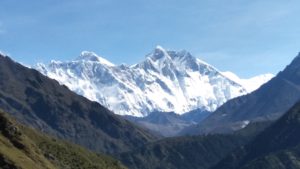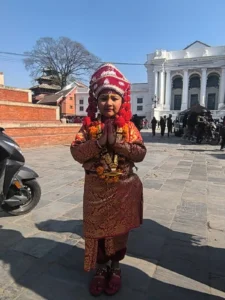
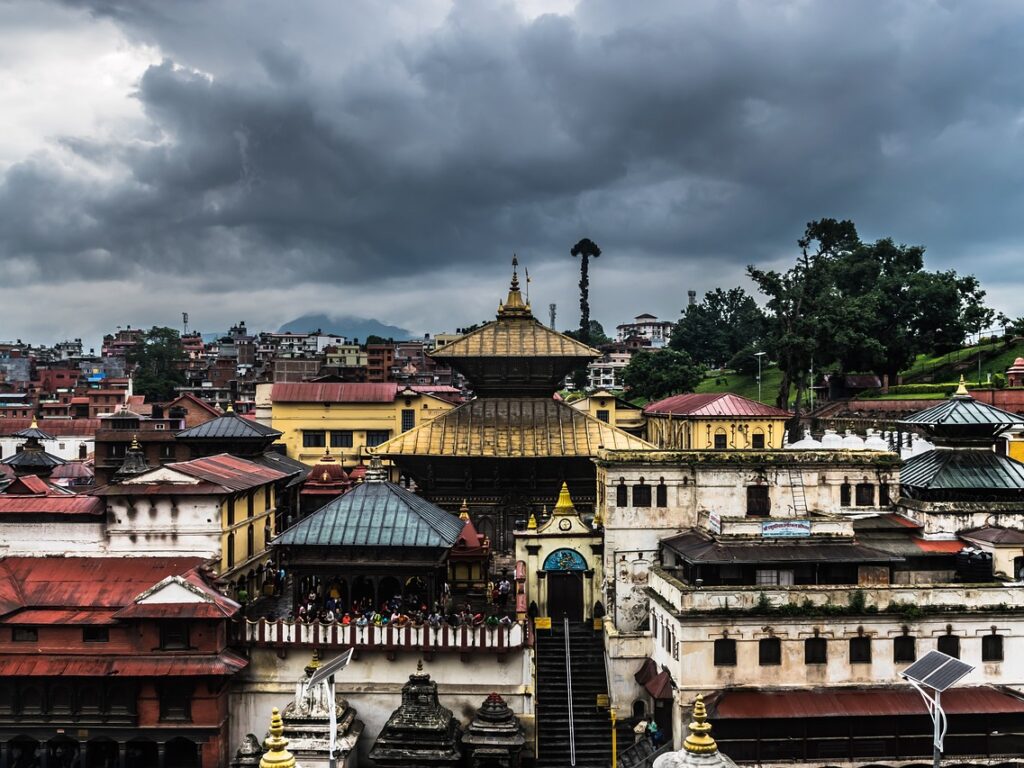
Nepal, India’s Himalayan neighbor, stands as one of the most accessible and culturally enriching destinations for Indian travelers. With its breathtaking mountain landscapes, ancient temples, and warm hospitality, Nepal offers an incredible experience just a stone’s throw away from India. The strong cultural, historical, and spiritual ties between the two nations make Nepal travel budget for Indians remarkably affordable and convenient.
Whether you’re seeking adventure through popular trekking routes for Indian tourists Nepal, spiritual enlightenment in ancient monasteries, or simply a peaceful retreat in the lap of the Himalayas, Nepal has something for every Indian traveler. The best time to visit Nepal for Indian tourists typically spans from October to December and March to May, offering clear mountain views and pleasant weather conditions.
For Indian citizens, Nepal represents more than just a neighboring country—it’s a land where shared cultural values, similar food preferences, and mutual respect create an atmosphere of familiarity amidst exotic landscapes. The cheapest way to travel from India to Nepal combined with the ease of entry makes it an ideal destination for budget-conscious travelers, families, and adventure enthusiasts alike.
The Nepal trip planning for Indians becomes significantly easier when you understand that no complex visa procedures, currency exchange hassles, or language barriers exist. This comprehensive guide will walk you through everything you need to know for a smooth, enjoyable, and memorable journey to the land of the Himalayas.
Entry Requirements for Indian Citizens
Documents Required for Indian Citizens to Enter Nepal
One of the biggest advantages for Indian travelers is the simplified entry process. Indian citizens don’t need a visa to enter Nepal, making it incredibly convenient for spontaneous trips. Here are the key documents required for Indian citizens to enter Nepal:
Valid Identity Proof:
- Indian passport (most recommended and universally accepted)
- Voter ID entry to Nepal is widely accepted at all major border crossings
- Aadhaar card validity for Nepal travel is recognized at most border points, though some remote checkpoints may require additional verification
Entry Requirements for Indians at Nepal Border:
- No visa application process required, saving time and money
- Simple immigration check with valid ID proof
- Entry possible through multiple air and road border points
- Immigration officers are generally familiar with Indian documents
Major Entry Points:
By Air: Tribhuvan International Airport, Kathmandu (most convenient)
By Road: Sonauli-Bhairahawa (popular for Lumbini visits)
By Road: Raxaul-Birgunj (closest to Kathmandu)
By Road: Panitanki-Kakarbhitta (for eastern Nepal access)
By Road: Sunauli-Bhairahawa (for Pokhara route)
Special Considerations:
- Indian nationals can stay in Nepal for up to 90 days without any special permits
- Children traveling with parents need valid ID proof
- Indian child travel document requirements Nepal include school ID or birth certificate along with parent’s documents
- Group travel is encouraged for safety and convenience
Border Crossing Tips:
- Arrive at border crossings during daylight hours when possible
- Keep multiple photocopies of your documents
- Be prepared for basic questioning about your travel purpose
- Exchange some Indian currency at the border for immediate expenses
Currency and Payment Methods
Indian Rupee Acceptance in Nepal
The financial aspect of traveling to Nepal is remarkably simple for Indians. Indian Rupee acceptance in Nepal is widespread, especially for denominations below ₹2000. However, understanding the currency dynamics will help you manage your Nepal travel budget for Indians more effectively.
Indian Rupee Usage:
- INR denominations of ₹100, ₹500, and ₹1000 are commonly accepted
- Indian rupee limitations at Nepal border may apply for higher denominations
- Most shops, restaurants, and hotels accept INR directly
- ₹2000 notes are often not accepted due to counterfeiting concerns
- Small denominations (₹10, ₹20, ₹50) are highly preferred for tips and small purchases
Currency Exchange:
- INR to NPR exchange rate today typically ranges around 1:1.6 ratio
- Currency exchange for Indians in Nepal is available at airports, banks, and authorized dealers
- Nepalese Rupee (NPR) is the official currency for all transactions
- Exchange rates are generally better in Kathmandu than at border areas
- Hotel exchanges often offer convenience but may have slightly lower rates
How Much Indian Rupees Needed for Nepal Trip:
- Budget travelers: ₹15,000-25,000 for 7 days
- Mid-range travelers: ₹30,000-50,000 for 7 days
- Luxury travelers: ₹75,000+ for 7 days
- Emergency fund: Keep additional 20% of your budget
Indian Rupee to Nepalese Rupee Exchange Limit:
- No official limit for small amounts
- Large amounts may require declaration
- Banks provide better exchange rates than money changers
- Keep exchange receipts for reconversion
Digital Payment Options
Modern payment methods are increasingly available for Indian tourists:
UPI Payments:
- UPI payments in Nepal for Indians are limited but growing
- Some major hotels and restaurants accept UPI
- Paytm, PhonePe, GPay usage in Nepal varies by location
- Digital payments for Indian tourists Nepal are more common in urban areas
- Always have cash backup as digital payments aren’t universal
Card Usage:
- Indian debit card usage in Nepal is widely accepted
- Using Indian debit card in Nepal ATMs is convenient with minimal charges
- Credit cards accepted at hotels, restaurants, and shopping centers
- Visa and MasterCard are more widely accepted than RuPay
- Inform your bank about Nepal travel to avoid card blocking
Indian Tourists Payment Options in Nepal:
- Cash remains the most reliable payment method
- Cards work in major cities and tourist areas
- Mobile payments are emerging but not yet widespread
- Traveler’s cheques are outdated and not recommended
Mobile Connectivity and Internet
SIM Card Options for Indian Travelers
Staying connected during your Nepal trip is essential, and you have several options:
Best SIM Card for Indian in Nepal:
- Ncell: Offers excellent coverage in trekking areas and mountains
- Nepal Telecom (NTC): Government network with widespread coverage
- Smart Telecom: Good for urban areas and data services
SIM Card Requirements:
- SIM card cost in Nepal for Indian tourists ranges from NPR 100-500
- Nepal SIM card for Indian passport holders requires valid ID proof
- Purchase from official outlets in Kathmandu, Pokhara, or at the airport
- Registration process is simple and takes 5-10 minutes
- Data packages are affordable and offer good value
Indian SIM Roaming:
- Most Indian telecom providers offer Nepal roaming packages
- Roaming charges can be expensive for extended stays
- Local SIM cards are more cost-effective for longer trips
- Jio, Airtel, and VI have Nepal roaming plans
- Check with your provider before travel
Internet Coverage:
- Major cities have excellent 4G coverage
- Trekking areas have limited but improving connectivity
- WiFi available in most hotels and restaurants
- Internet cafes still exist in tourist areas
- Download offline maps and translation apps before remote area travel
Transportation Within Nepal
Getting Around Nepal
Transportation options in Nepal cater to different budgets and comfort levels:
Flights:
- Flights from India to Kathmandu cost vary from ₹8,000-25,000 depending on season
- Domestic flights between Kathmandu-Pokhara save time for short trips
- Mountain flights offer spectacular Himalayan views
- Buddha Air, Yeti Airlines, and Sita Air are popular domestic carriers
- Book flights in advance during peak season for better prices
Road Transport:
- Bus fare from India to Nepal ranges from ₹500-1,500 depending on route
- Cheapest way to travel from India to Nepal is by bus
- Travel cost from India to Nepal by bus is budget-friendly for backpackers
- Deluxe buses offer air conditioning and comfortable seating
- Night buses available but day travel is recommended for scenery
Local Transportation:
- Kathmandu Pokhara travel cost for Indians is approximately ₹500-1,000 by tourist bus
- Local buses are crowded but economical
- Taxis are available but negotiate prices beforehand
- Rental cars with drivers are popular for sightseeing
- Motorcycles can be rented for adventure travel
Transportation Tips:
- Tourist buses are more comfortable than local buses
- Book tickets in advance during festivals
- Carry snacks and water for long journeys
- Roads can be winding and mountainous
- Travel insurance covers transportation accidents
Detailed Transportation Options
Within Kathmandu
- Local buses cost NPR 15-30 per ride
- Taxis charge NPR 200-500 for city rides
- Rickshaws available in old city areas
- Walking is pleasant in Thamel and Durbar Square areas
Kathmandu to Popular Destinations:
- To Pokhara: 6-8 hours by road, ₹500-1,000
- To Chitwan: 4-5 hours by road, ₹400-800
- To Lumbini: 7-8 hours by road, ₹600-1,200
- To Nagarkot: 1-2 hours by road, ₹200-400
Accommodation Options
Where to Stay in Nepal
Nepal offers accommodation options for every budget:
Budget Options:
- Affordable accommodation in Nepal for Indians starts from ₹500-1,500 per night
- Guesthouses and hostels in Thamel, Kathmandu
- Teahouses along trekking routes
- Backpacker hostels with shared facilities
- Family-run guesthouses offer authentic experiences
Mid-Range Options:
- Hotel prices range from ₹2,000-5,000 per night
- Private bathrooms and better amenities
- Hotels in Lakeside Pokhara with mountain views
- Business hotels in commercial areas
- Boutique hotels with local character
Luxury Options:
- Luxury travel cost in Nepal for Indians can range from ₹5,000-20,000 per night
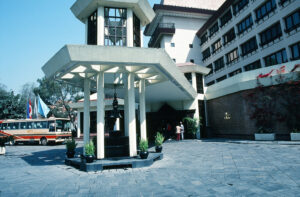
- International hotel chains available in major cities – Hotel Hilton, Hotel Marriott etc
- Boutique hotels with mountain views
- Resort hotels with spa and wellness facilities
- Heritage hotels in converted palaces
Popular Areas:
- Kathmandu: Thamel for budget travelers, Durbar Marg for luxury
- Pokhara: Lakeside area with mountain views and restaurants
- Chitwan: Jungle lodges for safari experiences
- Nagarkot: Hill station with Himalayan sunrise views
Cheapest Cities in Nepal for Indian Tourists:
- Bhaktapur: Lower accommodation costs than Kathmandu
- Bandipur: Charming hill town with reasonable prices
- Gorkha: Historical town with budget options
- Tansen: Off-the-beaten-path destination with cheap stays
Booking Tips:
- Book in advance during peak season (Oct-Dec, Mar-May)
- Compare prices on multiple platforms
- Read reviews from other Indian travelers
- Check for hot water availability in winter
- Confirm WiFi connectivity if needed
Food and Dining
Culinary Experience in Nepal
Indian Food Availability:
- Indian food availability Nepal is excellent in major cities
- Many restaurants serve familiar Indian dishes
- Street food similar to Indian chaat and snacks
- Vegetarian options widely available
- North Indian, South Indian, and regional cuisines found
Popular Indian Restaurants in Nepal:
- Kathmandu: Numerous Indian restaurants in Thamel
- Pokhara: Lakeside area has many Indian food options
- Chitwan: Resort restaurants serve Indian cuisine
- Hotel restaurants often have Indian sections on menus
Local Nepali Cuisine:
- Dal Bhat: Rice and lentils – staple meal, unlimited refills
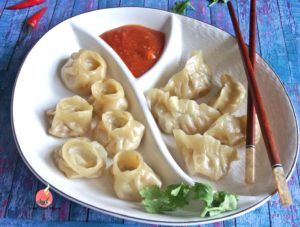
- Momos: Dumplings – must-try snack, steamed or fried
- Gundruk: Fermented leafy greens with unique taste
- Sel roti: Traditional rice bread, crispy and sweet
- Chatamari: Nepali pizza with various toppings
- Thukpa: Noodle soup perfect for cold weather
Food Safety:
- Bottled water recommended for drinking
- Eat at busy restaurants with high turnover
- Avoid raw vegetables and uncooked food initially
- Street food is generally safe but start gradually
- Most restaurants cater to tourist preferences
Dining Costs:
- Local meals: NPR 200-500 per person
- Restaurant meals: NPR 500-1,500 per person
- Street food: NPR 50-200 per item
- International cuisine: NPR 800-2,000 per person
Culture, Customs, and Etiquette
Respecting Local Traditions
Nepali Cultural Etiquette for Indian Travellers:
- Remove shoes before entering temples and homes
- Dress modestly, especially in religious places
- Greet locals with “Namaste” with palms together
- Respect Buddhist and Hindu customs equally
- Don’t point with your index finger, use open palm
- Avoid public displays of affection
Religious Practices:
- Clockwise circumambulation of stupas and temples
- Don’t point feet toward religious objects
- Photography restrictions in some temples
- Respect local festivals and ceremonies
- Dress conservatively in religious areas
- Don’t touch religious statues or objects
Social Customs:
- Respect for elders is paramount
- Use both hands when giving or receiving items
- Don’t use left hand for eating or greeting
- Avoid stepping over people’s legs
- Be patient with slower pace of life
- Tipping is appreciated but not mandatory
Entry Fee for Indian tourists at Nepal Heritage Sites:
- Kathmandu Durbar Square: NPR 200 for Indians
- Bhaktapur Durbar Square: NPR 500 for Indians
- Patan Durbar Square: NPR 200 for Indians
- Swayambhunath: NPR 200 for Indians
- Boudhanath: NPR 200 for Indians
- Keep tickets as they may be checked multiple times
Safety and Health Considerations
Travel Safety for Indian Tourists
General Safety:
- Safety tips for Indians visiting Nepal include staying in groups during night
- Nepal is generally very safe for Indian tourists
- Petty theft can occur in crowded areas
- Avoid isolated areas after dark
- Keep valuables in hotel safes
- Register with local police if staying long-term
Health Precautions:
- Indian tourists health precautions Nepal include altitude sickness awareness
- Altitude sickness prevention for Indian trekkers Nepal requires gradual acclimatization
- Carry basic medicines for common ailments
- Drink bottled or boiled water
- Get travel health insurance
- Consult doctor before high-altitude activities
Travel Insurance:
- Travel insurance for Indians visiting Nepal is recommended though not mandatory
- Covers medical emergencies and evacuation
- Adventure activity coverage important for trekkers
- Compare different insurance providers
- Read policy terms carefully
Emergency Contacts:
- Indian embassy contact in Kathmandu Nepal: +977-1-4410900
- Tourist Police: 1144
- Emergency: 100
- Fire: 101
- Ambulance: 102
Women Travelers:
- Nepal is generally safe for women travelers
- Dress modestly in rural areas
- Avoid walking alone at night
- Stay in reputable accommodations
- Join group tours for trekking
Adventure Activities and Permits
Trekking and Adventure Sports
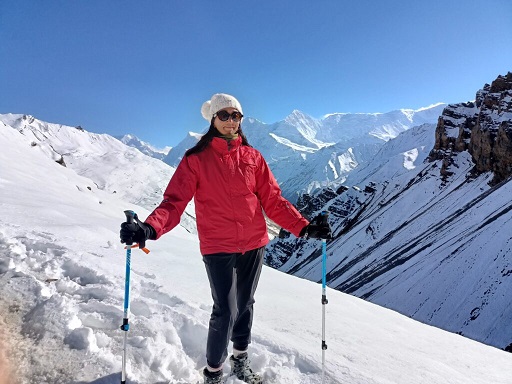
Popular Trekking Routes:
- Everest Base Camp: Everest Base Camp permit cost for Indians is approximately ₹3,000-5,000
- Annapurna Circuit: Best beginner treks in Nepal for Indians
- Langtang Valley: Closer to Kathmandu with stunning views
- Manaslu Circuit: Off-the-beaten-path adventure
- Gokyo Lakes: Alternative to Everest Base Camp
Trekking Permits:
- Trekking permit cost for Indian citizens in Nepal varies by region
- Online permit application for trekking Nepal available through official websites
- TIMS (Trekkers’ Information Management System) card required
- Conservation area permits needed for protected areas
- Restricted area permits for special regions
Best Beginner Treks in Nepal for Indians:
- Ghorepani Poon Hill: 3-5 days, moderate difficulty
- Langtang Valley: 7-10 days, beautiful scenery
- Annapurna Base Camp: 10-14 days, iconic destination
- Helambu Circuit: 5-7 days, near Kathmandu
Adventure Activities:
- Paragliding: Paragliding cost in Pokhara for Indians is ₹3,000-8,000
- Bungee Jumping: Available near Kathmandu, ₹5,000-8,000
- White Water Rafting: Popular on Trishuli and Bhote Koshi rivers
- Rock Climbing: Nagarjun and Hattiban areas
- Mountain Biking: Kathmandu Valley and countryside routes
Special Permits:
- Indian nationals restricted area permit Nepal required for certain regions
- Special permits for Upper Mustang Indians cost around ₹3,000-5,000
- Restricted areas include Upper Mustang, Manaslu, and parts of Everest region
- Apply through registered trekking agencies
- Processing time: 2-3 working days
Wildlife and Nature
Jungle Safari:
- Jungle safari cost in Chitwan National Park for Indians ranges from ₹2,000-5,000
- Elephant safaris and jeep tours available
- Rhino, tiger, and bird watching opportunities
- Bardia National Park for tiger sightings
- Koshi Tappu for bird watching
National Parks:
- Chitwan National Park: Most popular for safaris
- Bardia National Park: Better for tiger sightings
- Sagarmatha National Park: Everest region
- Annapurna Conservation Area: Largest protected area
- Langtang National Park: Closest to Kathmandu
Shopping and Souvenirs
What to Buy in Nepal
Popular Items:
- Pashmina shawls: Genuine pashmina from ₹2,000-15,000
- Handicrafts: Woodcarvings, metalwork, pottery
- Rudraksha beads: Spiritual significance, ₹100-5,000
- Thangka paintings: Buddhist art, ₹1,000-50,000
- Kukri knives: Traditional Nepali weapon, ₹500-5,000
Souvenirs to Buy in Nepal for Indians:
- Singing bowls: Meditation aids, ₹500-10,000
- Nepali tea: High-quality varieties, ₹200-2,000
- Handmade paper products: Journals, cards, ₹100-1,000
- Traditional jewelry: Silver and gemstones, ₹500-25,000
- Yak wool products: Warm clothing, ₹1,000-5,000
Shopping Areas:
- Thamel, Kathmandu: Tourist-oriented shops
- Asan Bazaar: Local market atmosphere
- Bhaktapur: Handicraft center
- Pokhara Lakeside: Trekking gear and souvenirs
- Patan: Traditional crafts and metalwork
Shopping Tips:
- Bargaining is common in local markets
- Fixed prices in government emporiums
- Check customs limits while returning to India
- Buy from authorized dealers for valuable items
- Get authenticity certificates for expensive purchases
- Compare prices at multiple shops
Customs Regulations:
- Antiques over 100 years old require export permits
- Precious stones and metals have quantity limits
- Keep receipts for expensive purchases
- Declare valuable items at customs
- Some items may be restricted or prohibited
Festivals and Best Time to Visit
When to Visit Nepal
Ideal Seasons:
- October to December: Clear mountain views, perfect for trekking
- March to May: Rhododendron blooms, moderate temperatures
- Monsoon (June-September): Less crowded but limited mountain views
- Winter (December-February): Cold but clear skies
Seasonal Considerations:
- Peak Season: October-December, March-May
- Shoulder Season: September, January-February
- Low Season: June-August (monsoon)
- Festival Season: September-November
Major Festivals:
- Dashain (September/October): Biggest Hindu festival, 15 days
- Tihar (October/November): Festival of lights, 5 days
- Holi: Celebrated with colors like in India
- Buddha Jayanti: Important Buddhist celebration
- Indra Jatra: Kathmandu’s biggest street festival
- Bisket Jatra: Bhaktapur’s New Year celebration
Festival Experiences:
- Join local celebrations and processions
- Taste special festival foods
- Witness traditional dances and music
- Visit decorated temples and homes
- Participate in religious ceremonies (if invited)
Language and Communication
Communication in Nepal
Language Advantages:
- Hindi widely understood throughout Nepal
- English spoken in tourist areas
- Nepali language similar to Hindi with many common words
- Most signs in tourist areas include English
- Restaurant menus often in multiple languages
Basic Nepali Phrases:
- “Namaste” – Hello/Goodbye
- “Dhanyabad” – Thank you
- “Kati ho?” – How much?
- “Ramro chha” – It’s good
- “Maaf garnuhos” – Excuse me/Sorry
- “Pani” – Water
- “Khana” – Food
- “Paisa” – Money
Communication Tips:
- Speak slowly and clearly
- Use gestures to supplement words
- Carry a basic phrase book
- Learn numbers in Nepali
- Most young people speak some English
- Hotel staff usually speak Hindi/English
Spiritual and Wellness Tourism
Yoga and Meditation Retreats
Wellness Options:
- Yoga retreat cost in Nepal for Indians ranges from ₹2,000-10,000 per day
- Meditation centers in Kathmandu and Pokhara
- Ayurvedic treatments and spa services
- Buddhist monastery stays and teachings
- Vipassana meditation courses
Popular Retreat Centers:
- Kopan Monastery: Buddhist teachings and meditation
- Himalayan Yoga Institute: Yoga and meditation courses
- Tushita Meditation Centre: Buddhist philosophy
- Nepal Yoga Home: Yoga teacher training
- Sadhana Yoga Retreat: Holistic wellness programs
Spiritual Sites:
- Pashupatinath Temple: Holiest Hindu temple in Nepal
- Boudhanath Stupa: Largest stupa in Nepal
- Swayambhunath (Monkey Temple): Ancient Buddhist site
- Lumbini: Birthplace of Buddha
- Muktinath: Sacred to both Hindus and Buddhists
Wellness Activities:
- Morning yoga sessions with mountain views
- Meditation in peaceful monastery settings
- Ayurvedic massages and treatments
- Detox programs and healthy cuisine
- Spiritual discussions and teachings
Budget Planning and Costs
Nepal Trip Budget Planning
Budget Breakdown:
- Accommodation: ₹500-5,000 per night
- Food: ₹300-1,500 per day
- Transportation: ₹500-2,000 per day
- Activities: ₹1,000-10,000 per activity
- Shopping: ₹1,000-10,000 per trip
- Miscellaneous: ₹500-1,000 per day
Sample Budgets:
- Budget for Nepal trip from India for 7 days: ₹15,000-25,000
- Mid-range travel: ₹30,000-50,000 for 7 days
- Luxury travel: ₹75,000+ for 7 days
- Trekking budget: ₹3,000-5,000 per day including guide and porter
Cost-Saving Tips:
- Travel during off-season for lower prices
- Stay in guesthouses and eat at local restaurants
- Use public transportation when possible
- Book accommodations in advance during peak season
- Carry sufficient Indian cash for better exchange rates
- Join group tours for better rates
Hidden Costs to Consider:
- Tips for guides and porters
- Entrance fees to monuments and parks
- Photography fees at some sites
- Airport departure tax
- Travel insurance
- Emergency evacuation coverage for trekking
Important Contacts and Emergency Information
Essential Contacts
Indian Embassy in Nepal:
- Address: Lainchaur, Kathmandu
- Phone: +977-1-4410900
- Emergency: +977-1-4410900
- Email: [email protected]
- Consular services: Passport, visa, emergency assistance
Emergency Numbers:
- Police: 100
- Fire: 101
- Ambulance: 102
- Tourist Police: 1144
- Tourist Helpline: 1144
Tourism Offices:
- Nepal Tourism Board: +977-1-4256909
- Kathmandu Tourism Office: +977-1-4256909
- Pokhara Tourism Office: +977-61-465292
- Tourist Information Centers in major cities
Medical Facilities:
- Kathmandu: Bir Hospital, Patan Hospital, Teaching Hospital
- Pokhara: Manipal Hospital, Western Regional Hospital
- Chitwan: Bharatpur Hospital
- International clinics available in major cities
Banking and Money:
- ATMs: Nepal Investment Bank, Standard Chartered, Himalayan Bank
- Currency Exchange: Kumari Bank, Nepal Bank
- International Banks: Standard Chartered, Everest Bank
Environmental Responsibility
Sustainable Travel Practices
Eco-Friendly Travel:
- Carry reusable water bottles to reduce plastic waste
- Respect wildlife and natural habitats
- Follow Leave No Trace principles during trekking
- Support local communities and businesses
- Choose eco-friendly accommodations
Environmental Challenges:
- Plastic pollution in trekking areas
- Deforestation from tourism pressure
- Water contamination in popular areas
- Waste management issues
- Climate change impact on glaciers
Responsible Tourism:
- Hire local guides and porters
- Buy from local artisans and shops
- Respect wildlife viewing guidelines
- Don’t disturb natural habitats
- Participate in community conservation efforts
Cultural Preservation:
- Respect local customs and traditions
- Don’t remove artifacts from heritage sites
- Support local artisans and craftspeople
- Learn about local culture and history
- Dress appropriately in cultural sites
Working and Long-term Stay
Extended Stay Information
Working in Nepal:
- Working in Nepal as Indian citizen requires proper work permits
- Business visa needed for commercial activities
- Consult with Nepali immigration authorities for specific requirements
- Work permits processed through Department of Labour
- Professional qualifications may need verification
Long-term Visa Options:
- Tourist visa can be extended up to 150 days per year
- Non-tourist visa for longer stays
- Student visa for educational purposes
- Business visa for commercial activities
- Residential visa for permanent residents
Living in Nepal:
- Rental accommodation available in major cities
- International schools for expatriate children
- Healthcare facilities comparable to Indian standards
- Banking services accessible to residents
- Active expatriate communities in Kathmandu and Pokhara
Conclusion
Nepal offers Indian travelers an incredible opportunity to experience diverse landscapes, rich culture, and warm hospitality without the hassles of international travel. From the bustling streets of Kathmandu to the serene mountains of the Himalayas, Nepal provides memories that last a lifetime.
The ease of travel, similar cultural values, and budget-friendly options make Nepal an ideal destination for both first-time and experienced travelers. Whether you’re seeking adventure through the cheapest trekking options in Nepal for Indians, spiritual enlightenment in ancient monasteries, or simply a peaceful getaway, Nepal welcomes you with open arms.
The comprehensive Nepal travel checklist for Indians should include proper documentation, sufficient cash, appropriate clothing for different altitudes, and a spirit of adventure. Remember that Nepal trip planning for Indians becomes easier when you understand the local customs, currency systems, and transportation options.
For those wondering about specific costs, the budget for Nepal trip from India for 7 days can be as low as ₹15,000 for budget travelers or as high as ₹75,000 for luxury experiences. The flexibility in pricing makes Nepal accessible to travelers from all economic backgrounds.
Remember to respect local customs, travel responsibly, and immerse yourself in the unique blend of Hindu and Buddhist cultures that make Nepal truly special. With proper planning and an open mind, your Nepal journey will be an enriching experience that connects you with the natural beauty and cultural heritage of this magnificent Himalayan nation.
Final Travel Tips:
- Keep multiple copies of important documents
- Inform someone about your travel itinerary
- Carry sufficient cash and cards
- Respect local customs and traditions
- Purchase travel insurance for peace of mind
- Stay hydrated and acclimatize gradually at high altitudes
- Learn basic Nepali phrases for better interaction
- Be patient with slower pace of life
- Carry warm clothing for higher altitudes
- Respect photography restrictions in religious sites
Safe travels, and enjoy your incredible journey to Nepal – a land where every sunrise brings new adventures and every sunset leaves you with unforgettable memories!