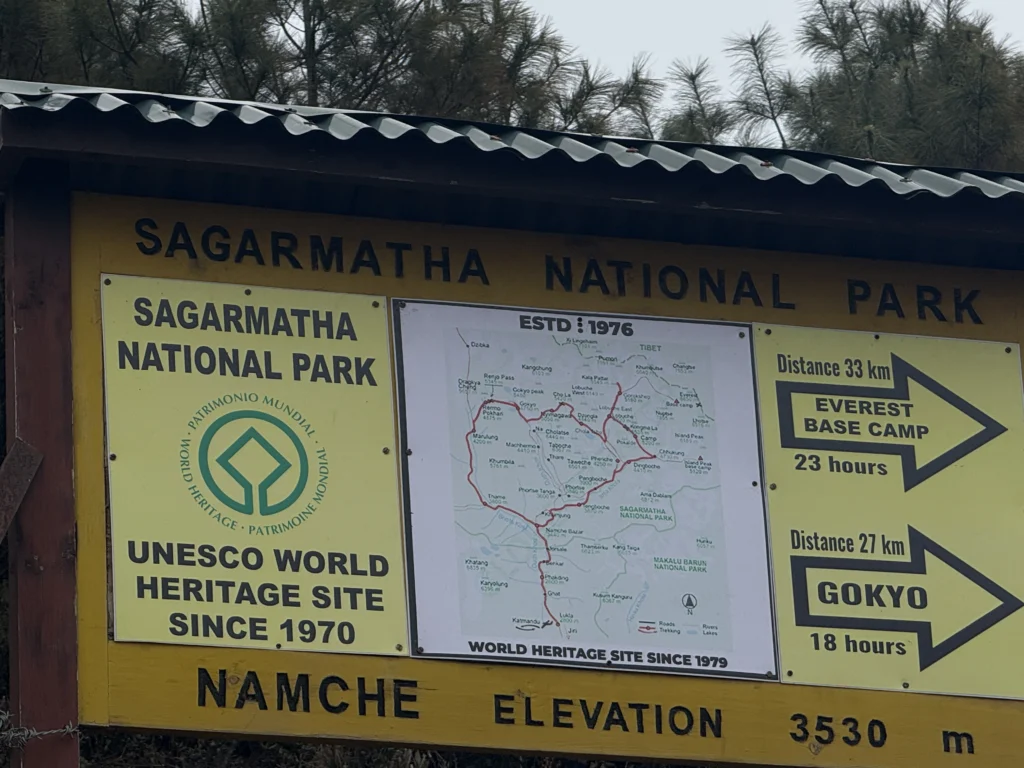
Sagarmatha National Park stands as one of the most iconic protected areas in the world. Known locally as the Everest region and internationally as home to the world’s highest mountain, this pristine park covers an area of 1,148 square kilometers in northeastern Nepal. Whether you’re an aspiring mountaineer, a seasoned trekker, or simply a nature enthusiast, Sagarmatha National Park offers an unparalleled experience in one of Earth’s most extraordinary landscapes.
The park’s name, “Sagarmatha,” is the Nepali word for Mount Everest, derived from two Sanskrit words: “Sagar” (ocean) and “Matha” (forehead), poetically referring to the mountain as the “forehead of the ocean.” Located in the Khumbu region of Nepal, this UNESCO-recognized park showcases dramatic alpine peaks, ancient glaciers, pristine forests, and vibrant mountain communities that have called these heights home for centuries.
For many, Sagarmatha National Park represents the ultimate trekking destination. The park’s crowning jewel, Mount Everest (8,849 meters), attracts mountaineers and trekkers from around the world. But even if you’re not attempting to summit the world’s highest peak, the park offers countless opportunities to experience breathtaking scenery, encounter rare wildlife, and immerse yourself in the rich cultural heritage of the Sherpa people.
Establishment & Recognition
Sagarmatha National Park was officially established in 1976, making it one of Nepal’s pioneering conservation initiatives. This declaration reflected growing recognition of the area’s ecological significance and the need to protect its fragile alpine environment from increasing human pressure.
The park’s importance gained global recognition when it was designated as a UNESCO World Heritage Site in 1979. This prestigious recognition acknowledged both the park’s outstanding natural value and its cultural significance. Today, Sagarmatha National Park stands among Nepal’s most important protected areas and represents a crucial example of successful conservation in the high Himalayas.
The UNESCO World Heritage status came at a critical time, as tourism and mountaineering activities were accelerating in the region. This designation helped establish frameworks for sustainable management and conservation practices that continue to guide the park’s administration today.
Importance & Significance
Ecological Importance
Sagarmatha National Park is a biodiversity hotspot of extraordinary significance. The park protects a remarkable range of ecosystems, from subtropical forests at lower elevations to barren alpine tundra above 5,000 meters. This vertical zonation creates diverse habitats that support an impressive array of plant and animal species, many found nowhere else on Earth.
The park’s glaciers, including the famous Khumbu Glacier, and Khumbu icefall, play a vital role in regulating water flow to the region and beyond. These frozen reservoirs feed major river systems that sustain millions of people across South Asia, making Sagarmatha National Park an essential component of regional water security.
Furthermore, the park serves as a crucial “climate laboratory” where scientists monitor the impacts of global warming on high-altitude ecosystems. Research conducted here provides invaluable data on climate change, glacial retreat, and alpine biodiversity loss.
Cultural Significance of the Sherpa Community
The Sherpa people, indigenous to the Khumbu region, have inhabited these mountains for over 400 years. Their deep spiritual connection to the mountains, reflected in Buddhism and local traditions, has shaped the cultural landscape of Sagarmatha National Park. The park is dotted with monasteries, prayer flags, and sacred sites that are integral to Sherpa identity and spiritual practice.
Beyond the spiritual dimension, the Sherpa community has become famous worldwide for their exceptional mountaineering skills, resilience, and hospitality. Their knowledge of the terrain, understanding of altitude, and mountaineering expertise have made them indispensable partners in Everest expeditions and regional trekking operations. Visiting the park offers meaningful opportunities to learn about Sherpa culture, support local communities, and experience their warm hospitality firsthand.
Role in Mountaineering and Tourism
Sagarmatha National Park is the epicenter of high-altitude mountaineering. Mount Everest remains the world’s most famous mountain, attracting climbers from every continent. The park supports a thriving mountaineering industry that provides employment and economic opportunities for thousands of people, from porters and guides to lodge owners and gear suppliers.
Beyond mountaineering, trekking has emerged as the park’s primary tourism activity. Tens of thousands of visitors arrive annually to trek to Everest Base Camp, explore the Gokyo Lakes circuit, or experience the quieter trails of the park. This tourism generates crucial revenue for local communities while raising global awareness about conservation issues facing the Himalayas.
History: Conservation and Exploration
Early Mountaineering Heritage
The Everest region captured global imagination following the first European expeditions in the early 20th century. The legendary British mountaineer George Mallory led multiple expeditions to Mount Everest during the 1920s, with his mysterious disappearance in 1924 becoming one of mountaineering’s greatest mysteries.
The watershed moment came on May 29, 1953, when Edmund Hillary of New Zealand and Tenzing Norgay of Nepal became the first confirmed climbers to summit Mount Everest. This achievement opened the floodgates to mountaineering tourism and established Everest as the ultimate mountaineering objective.
Conservation Efforts
As mountaineering and trekking activities increased throughout the 1960s and 1970s, environmental concerns mounted. The increasing accumulation of litter, degradation of trails, deforestation for firewood, and pressure on local water resources prompted conservation-minded individuals and organizations to advocate for protected status.
The establishment of Sagarmatha National Park in 1976 represented a turning point. Initial conservation efforts focused on waste management, trail maintenance, and forest protection. Over the decades, the park has implemented increasingly sophisticated management strategies, including porter code of conduct regulations, mandatory waste disposal systems, and trekking permits that fund conservation initiatives.
In recent years, conservation efforts have evolved to address climate change impacts, specifically the dramatic retreat of the Khumbu Glacier and changing weather patterns that affect both ecosystems and human communities. Organizations working within the park now focus on sustainable tourism, community-based conservation, and climate adaptation measures.
Flora and Fauna: A Living Alpine Museum
Vegetation Zones
Sagarmatha National Park showcases an impressive array of vegetation across its altitudinal zones. Each elevation band presents distinct plant communities adapted to increasingly harsh environmental conditions.
Lower Forest Zone (2,000-3,000m): Dense pine forests dominate this zone, where tall Himalayan and blue pines create cathedral-like groves. The understory is rich with ferns, moss, and shade-tolerant herbs. Clearings in the forest reveal beautiful alpine meadows.
Mid-Forest Zone (3,000-3,500m): Here, rhododendrons become increasingly prominent, interspersed with firs and spruces. The spring season (March-May) transforms these forests with spectacular displays of rhododendron blooms in shades of pink, red, white, and purple. This is arguably the most visually stunning season to visit the park.
Subalpine Zone (3,500-4,000m): Stunted rhododendrons, junipers, and birches characterize this zone. Trees become increasingly gnarled and twisted, shaped by harsh winds and heavy snowfall. Moss and lichen proliferate on bark and rock surfaces.
Alpine Zone (4,000m and above): At these elevations, only low-growing alpine plants survive—hardy grasses, sedges, cushion plants, and creeping woody shrubs. Colorful alpine flowers, including primulas, forget-me-nots, and alpine poppies, bloom briefly during the short summer season. Above 5,000 meters, vegetation becomes increasingly sparse, eventually giving way to barren rock and ice.
Wildlife & Megafauna
Sagarmatha National Park protects some of the Himalayas’ most remarkable and endangered wildlife species.
Snow Leopards: These elusive big cats, often called the “ghosts of the mountains,” inhabit the rocky slopes above 3,500 meters. With fewer than 4,000 remaining in the wild, snow leopards are critically endangered. Spotting one is extraordinarily rare, but signs of their presence—pug marks, scat, and kills—confirm their residence in the park.
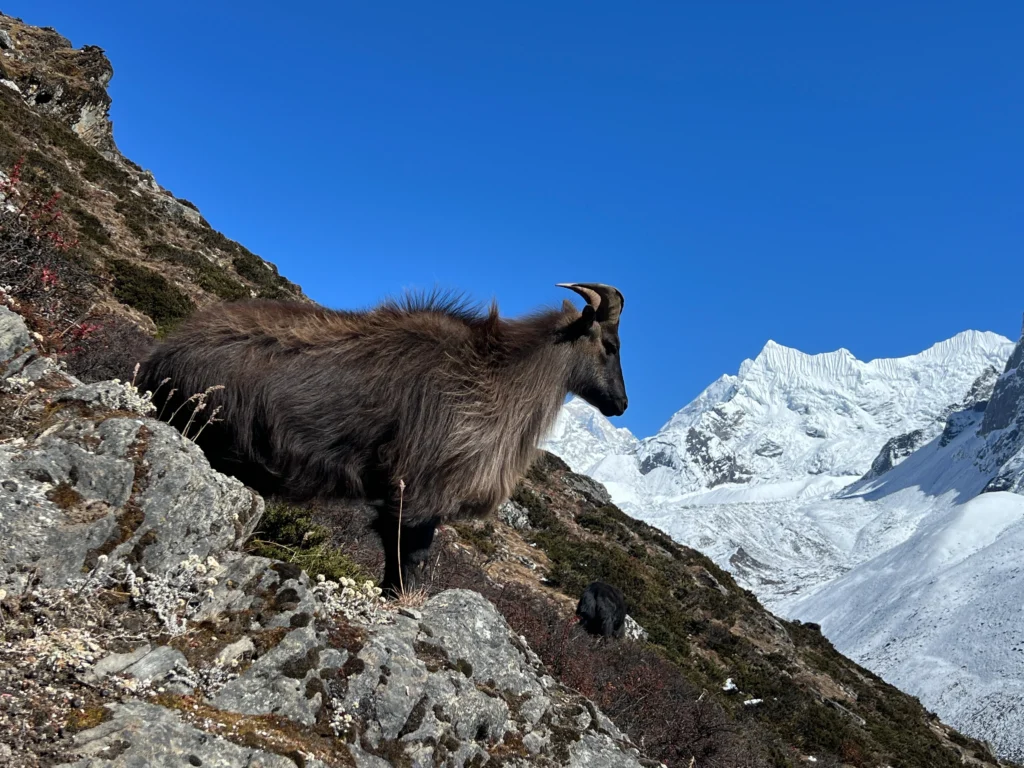
Himalayan Tahr: These wild goats, with their shaggy coats and impressive curved horns, are well-adapted to steep alpine terrain. Tahr populations have recovered somewhat following protection, and observant trekkers may spot small herds on rocky cliffs during the trek.
Musk Deer: These small, solitary deer are prized for the musk gland produced by males, making them vulnerable to poaching. Their presence in the park is carefully monitored as part of conservation efforts.
Red Pandas: Distributed throughout the park’s forested zones, these cat-sized, reddish mammals are increasingly studied by researchers. Though rare to observe, their presence indicates healthy forest ecosystems.
Himalayan Black Bears: These rare bears inhabit the lower forests and occasionally venture to higher elevations in search of berries and insects.
Avian Diversity
The park hosts over 118 recorded bird species, from colorful pheasants to soaring eagles. Notable species include the Himalayan monal (the national bird of Nepal, with its iridescent plumage), choughs, ravens, and golden eagles. Birdwatchers visiting during spring and autumn migrations are particularly rewarded.
Geography & Landscape: A Realm of Extremes
Altitude and Terrain
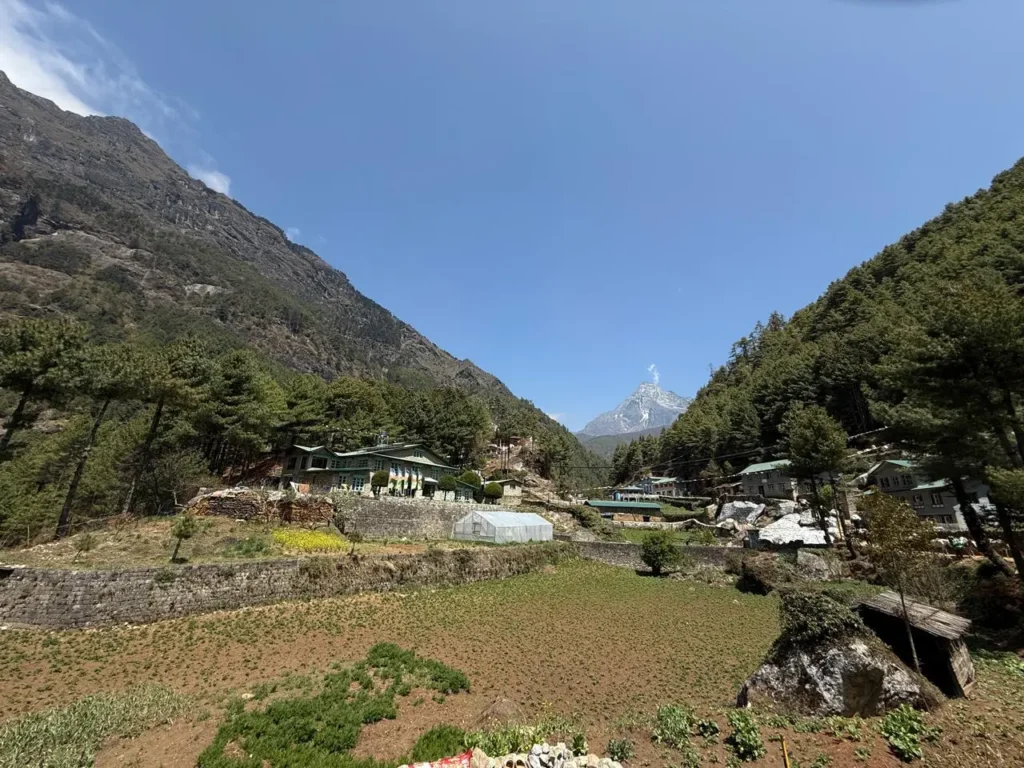
Sagarmatha National Park encompasses some of the world’s most dramatic terrain. Elevations range from approximately 2,000 meters at the park’s lower boundaries to 8,849 meters at Mount Everest’s summit. This extreme vertical relief means that within a relatively short horizontal distance, visitors experience radically different ecosystems, climates, and landscapes.
The terrain is characterized by steep, rugged mountains carved by ancient glaciation. Deep valleys alternate with soaring ridges. Knife-edge ridgelines, dramatic rock faces, and boulder-strewn slopes define the landscape. This challenging terrain makes trekking in the park both rewarding and demanding.
Glaciers and Rivers
The Khumbu Glacier, originating from Mount Everest’s south side, is the park’s most famous frozen waterway. Trekkers heading to Everest Base Camp walk directly on or across its surface. Over recent decades, the glacier has retreated dramatically, leaving behind a landscape of glacial lakes, moraines, and exposed rock.
Other notable glaciers include the Ngozumpa Glacier (the longest in the Khumbu region) and numerous smaller glaciers feeding the park’s river systems.
Rivers and streams originating from glacial melt form the park’s hydrological backbone. The Dudh Koshi (literally “milk river,” named for its milky glacial color) is the primary river. Smaller streams cascade down valley sides, creating spectacular waterfalls, particularly during monsoon season.
Climate and Weather Patterns
The park’s climate is predominantly alpine, characterized by:
Monsoon Season (June-September): Heavy precipitation brings daily rainfall, cloud cover, and reduced visibility. However, this season witnesses lush green landscapes and fewer trekkers.
Post-Monsoon/Autumn (September-November): Clear skies, moderate temperatures, and excellent visibility make this the most popular trekking season. Days are warm; nights are cold.
Winter (December-February): The park experiences severe cold, heavy snowfall at higher elevations, and strong winds. Many lower trails remain open, but higher passes may be blocked.
Pre-Monsoon/Spring (March-May): Days gradually warm, and rhododendrons bloom spectacularly. Afternoon cloud buildup can obscure views, but mornings typically offer clear vistas. This is the park’s second-best trekking season.
Weather in the park is unpredictable and can change rapidly. Afternoon thunderstorms are common in spring and monsoon seasons. Temperatures can vary dramatically between sunny and shaded areas, and wind chill at higher elevations is extreme.
Entry Fees & Permits: Planning Your Visit
Permit Requirements
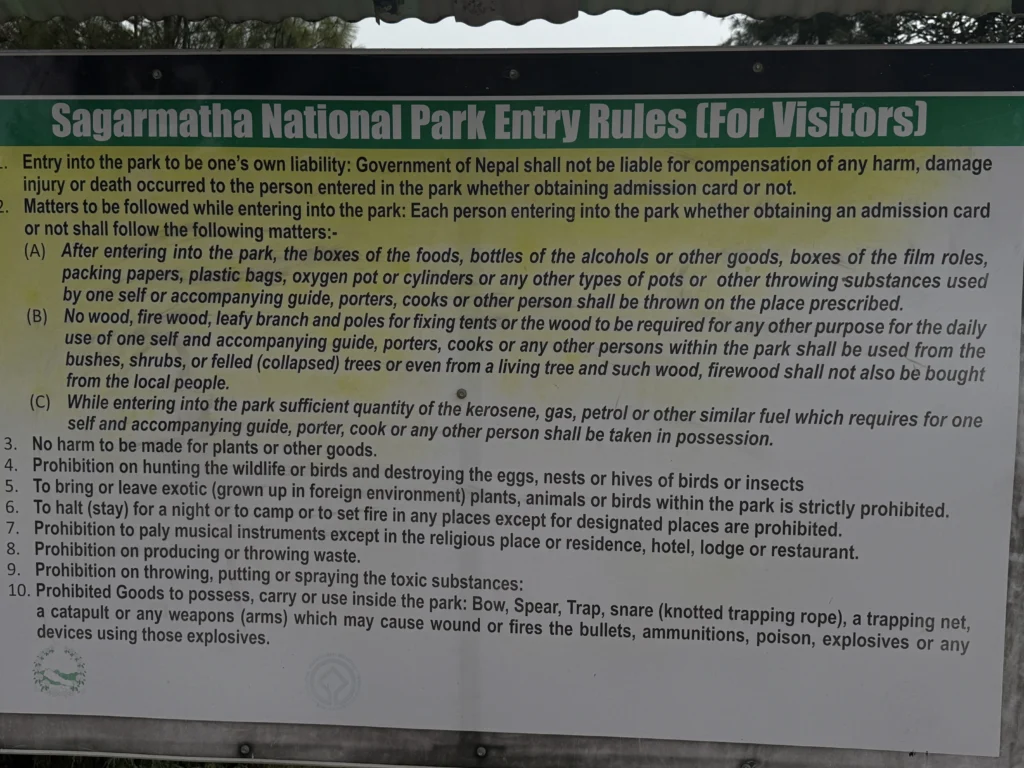
Entry to Sagarmatha National Park requires a permit that must be obtained before entering the park. This is non-negotiable and represents an important conservation funding mechanism.
Current Entry Fees (as of 2024)
Foreigners: NPR 3,000 (approximately USD $23-25) SAARC Nationals (Bangladesh, Bhutan, India, Maldives, Pakistan, Sri Lanka): NPR 1,500 (approximately USD $12) Nepali Citizens: NPR 500 (approximately USD $4)
Note: Fees are subject to change. Always verify current rates before planning your trip.
Where and How to Obtain Permits
In Kathmandu:
- Sagarmatha National Park Headquarters: Located in Thamel district
- Authorized trekking agencies throughout the city can arrange permits on your behalf
In Monjo:
- The park’s main entrance checkpoint in the Khumbu region
- If entering from the Kathmandu Valley, you’ll likely pass through here
In Namche Bazaar:
- Park office located in this main hub town
- Permits can be obtained here if you somehow bypass Monjo
Online: Some agencies now offer online permit pre-booking, which can streamline the process, though physical permits must be collected at park entry points.
Tips for Permit Management
- Obtain your permit in Kathmandu if possible to avoid delays in Monjo
- Keep your permit safe and always carry it with you—rangers conduct regular checks
- If trekking independently, allow extra time for permit acquisition
- Work with reputable trekking agencies if unfamiliar with the process; they typically handle all permit logistics
Best Time to Visit Sagarmatha National Park Trekking
Seasonal Breakdown
Spring (March-May): The Rhododendron Season
Best for: First-time trekkers, photography, wildflower enthusiasts Advantages:
- Stunning rhododendron blooms paint the forests in vivid colors
- Generally stable weather patterns
- Moderate temperatures
- Lower daytime snowfall than winter
Disadvantages:
- Afternoon cloud buildup obscures mountain views
- Popular season means crowded trails and lodges
- Second-busiest season after autumn
What to pack: Layers, sun protection, rain gear for afternoon showers
Autumn (September-November): The Premier Season
Best for: Most trekkers, mountain photographers, experienced hikers Advantages:
- Clearest skies and best mountain views of the year
- Crisp, comfortable temperatures
- Stable weather patterns
- Dry trails and good visibility
Disadvantages:
- Most crowded season (especially October)
- Lodges may be fully booked weeks in advance
- Higher prices for accommodation
What to pack: Heavy layers, insulated jacket, thermal underwear, good hiking boots
Winter (December-February): Solitude Season
Best for: Experienced winter trekkers, those seeking solitude Advantages:
- Fewer trekkers mean peaceful experiences
- Cheaper accommodations and lower prices
- Exceptionally clear days (though cold)
- Snow-covered landscapes create otherworldly beauty
Disadvantages:
- Extreme cold, especially at night (temperatures can drop to -20°C or lower at higher elevations)
- Many higher lodges close due to snow
- Challenging conditions require experience and proper preparation
- Short daylight hours limit daily trekking distances
What to pack: Expedition-grade winter gear, down insulation, thermals, extreme cold weather boots
Monsoon (June-September): Green Season
Best for: Budget-conscious trekkers, those avoiding crowds, adventure seekers Advantages:
- Lush, verdant landscapes
- Minimal trekker crowds
- Cheapest lodging prices
- Unique photographic opportunities
Disadvantages:
- Daily rainfall obscures views
- Thick cloud cover makes mountain visibility poor
- Wet trails increase slipping risks
- Some passes and trails may be temporarily blocked
What to pack: Waterproof jacket and pants, robust rain cover, quick-dry clothing, excellent water drainage footwear
Peak Seasons Summary
Best overall: October-November (Autumn) Second best: March-April (Spring) Most challenging: December-February (Winter) Most unpredictable: June-August (Monsoon)
Popular Attractions & Activities in Sagarmatha National Park
Trekking Routes
Everest Base Camp Trek: The Classic Adventure
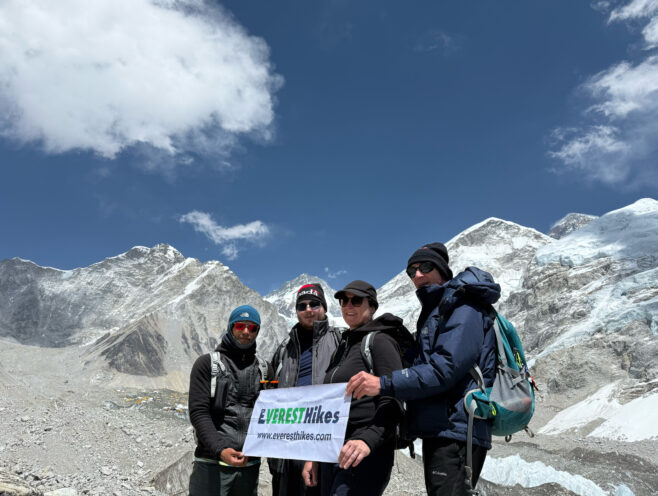
The Everest Base Camp trek is the most iconic trek in the world. This 12-14 day journey takes trekkers from the gateway town of Lukla (2,860m) through the heart of the Khumbu region to Everest Base Camp (5,364m).
Highlights:
- Sacred Tengboche Monastery with mountain panoramas
- Namche Bazaar‘s bustling markets and cultural immersion
- Crossing the dramatic Cho La pass (5,420m)
- Reaching Everest Base Camp with views of Lhotse and Nuptse
- Encountering Sherpa communities and learning about local life
Difficulty: Moderate to challenging (requires fitness and acclimatization) Best seasons: October-November, March-May
Gokyo Lakes Trek: Alpine Lakes and Peaceful Trekking
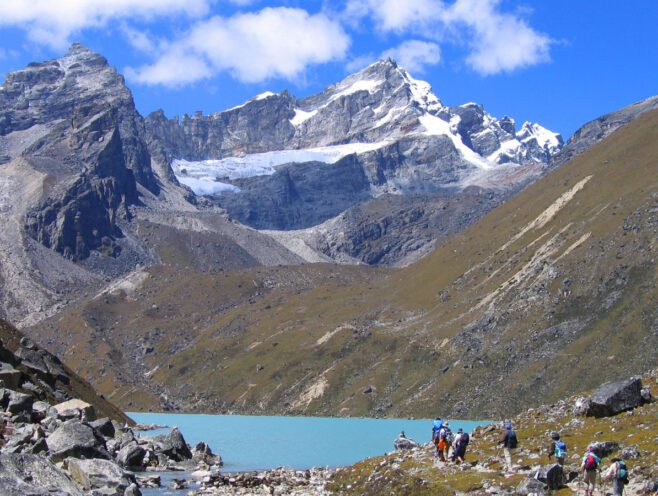
The Gokyo Lakes trek offers an alternative to the Everest Base Camp route, featuring stunning alpine lakes and often fewer crowds. This circuit trek typically takes 12-16 days.
Highlights:
- Six pristine turquoise glacial lakes at varying elevations
- Gokyo Peak (5,483m) offering spectacular mountain views
- Ng Chhu Glacier and alpine scenery
- Less crowded than the EBC route but equally stunning
- Optional cross-country extensions to Everest Base Camp
Difficulty: Moderate to challenging Best seasons: October-November, March-May
Three Passes Trek: The Ultimate Khumbu Challenge
For experienced trekkers, the Three Passes trek combines the best of both worlds, crossing the Cho La, Kondi La, and Renjo La passes. This demanding 16-18 day trek offers supreme technical challenge and unparalleled scenery.
Highlights:
- Crossing three high passes (all above 5,000m)
- Solitude and pristine landscapes
- Gokyo Lakes and Everest Base Camp visits
- Extreme trekking satisfaction and personal achievement
Difficulty: Challenging to very challenging Best seasons: October-November, March-May (only)
Lodge-to-Lodge vs. Camping Treks
Most trekking in Sagarmatha National Park follows a “teahouse” or lodge-to-lodge model. You hike during the day and sleep in simple mountain lodges, eating meals prepared by lodge staff. This approach is more social and requires less equipment.
Camping expeditions offer greater flexibility and access to remote areas but require hiring porters and carrying camping equipment.
Cultural Sites and Villages
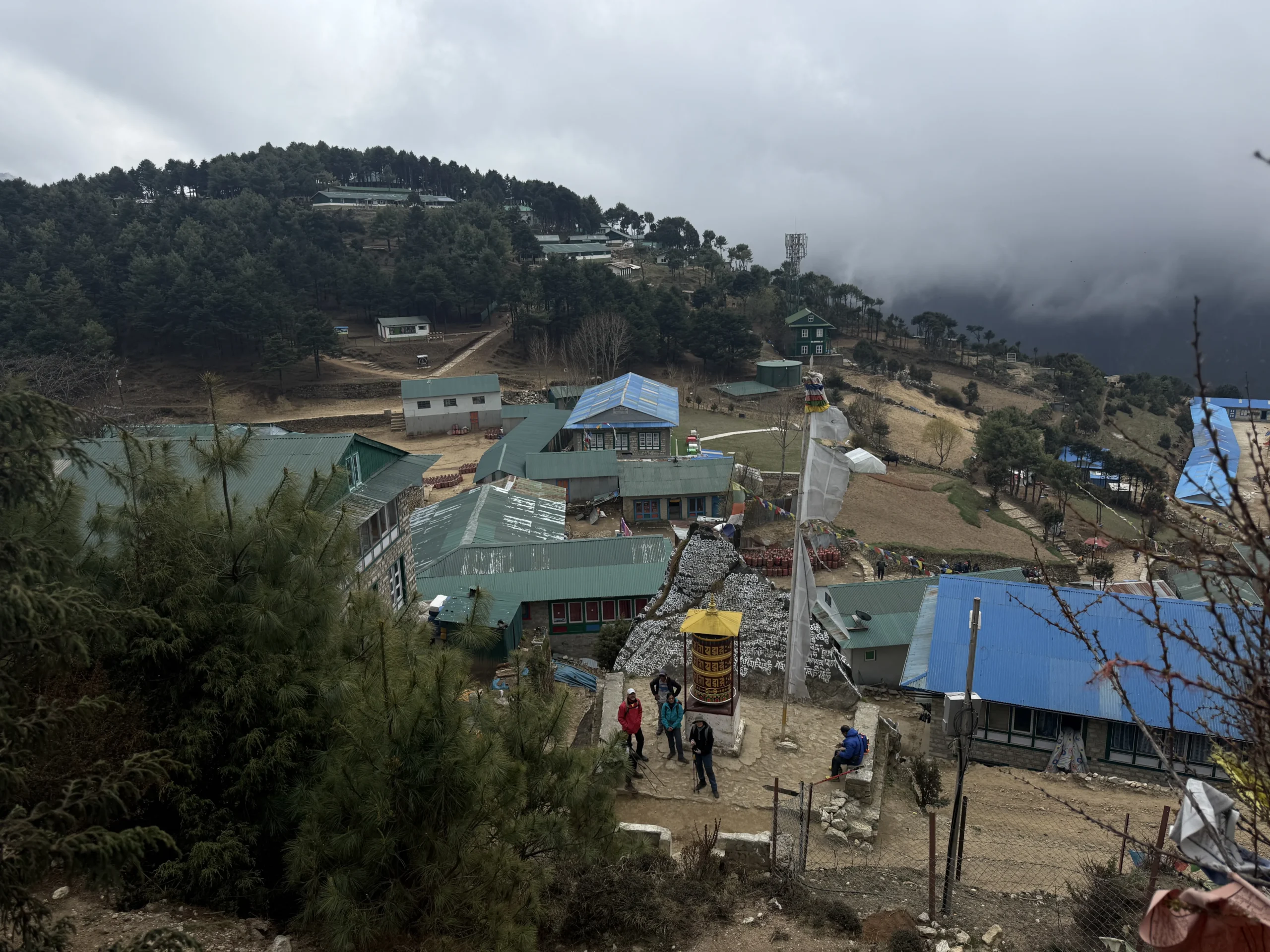
Namche Bazaar: Gateway to the Mountains
Perched at 3,440 meters, Namche Bazaar serves as the primary hub for Khumbu region activities. This lively market town features:
- Traditional Sherpa architecture mixed with modern amenities
- Authentic local markets selling food, gear, and handicrafts
- Excellent teahouses, restaurants, and lodges
- The Sherpa Culture Museum offering insights into local history
- Strategic location for acclimatization before heading higher
Pro tip: Spend 2-3 days in Namche to acclimatize properly before ascending further.
Tengboche Monastery: Spirituality and Serenity
Tengboche Monastery, located at 3,867 meters, is the region’s largest and most important Buddhist monastery. The setting is extraordinary, with Mount Everest and other peaks framing the temple.
- Beautiful traditional Nepali architecture with red-painted walls
- Resident Buddhist monks conducting daily rituals
- Annual Dumje festival (September-October) celebrating local culture
- The monastery was destroyed by fire in 1989 but has been beautifully restored
- Visitors can attend evening prayers (with respectful behavior required)
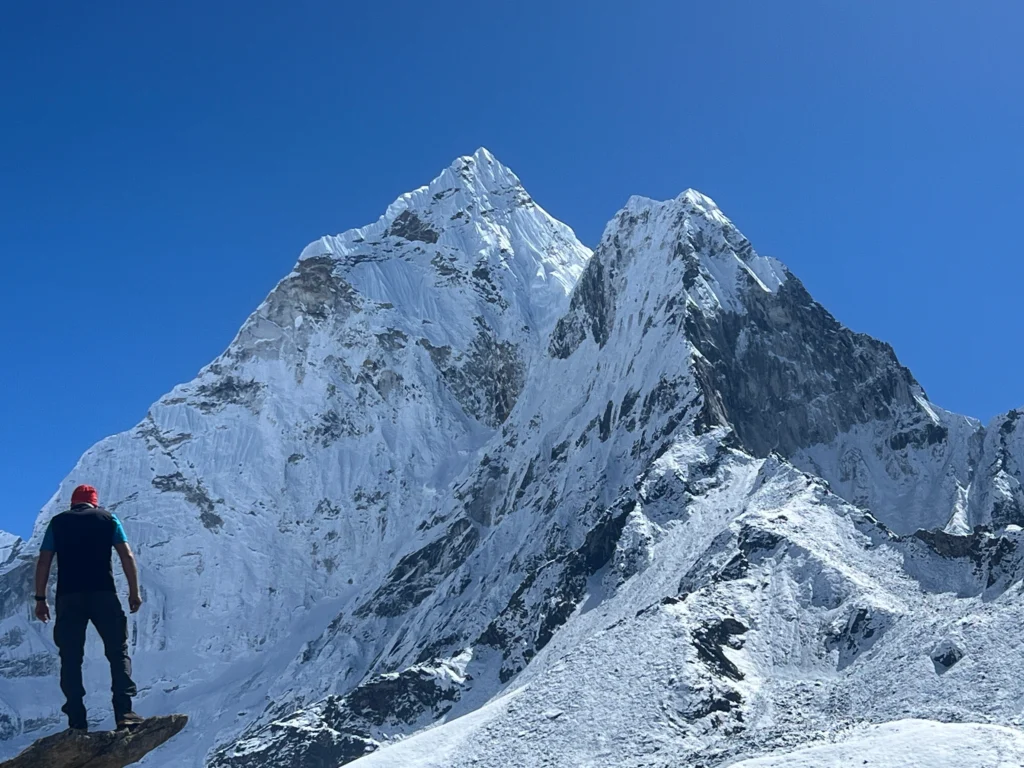
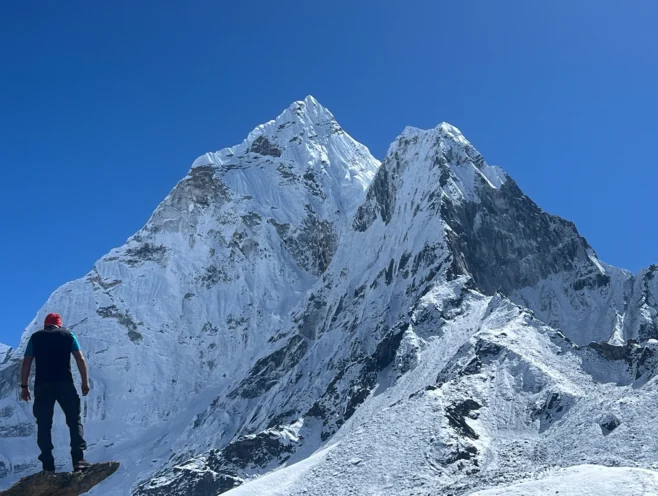
The view from Tengboche: Considered one of the world’s most spectacular mountain views, the sunrise panorama of Everest, Lhotse, and Ama Dablam is unforgettable.
Thame: Sherpa Homeland
The village of Thame offers a more authentic, less-touristy glimpse of Sherpa village life. This picturesque settlement along the Thame River provides:
- Traditional Sherpa architecture and lifestyle
- Lower tourist infrastructure than Namche or Tengboche
- Beautiful surrounding landscapes and forest walks
- Friendly local interactions
Dingboche: High Altitude Acclimatization Hub
At 4,410 meters, Dingboche is where most Everest Base Camp trekkers spend a critical acclimatization day. The village offers:
- Comfortable, well-appointed lodges
- Local cheese (dzow) production that visitors can observe
- Hot springs nearby
- Excellent base for day hikes to acclimatize
Activities Beyond Trekking
Mountain Photography
The park’s dramatic landscapes and continuously changing light create extraordinary photography opportunities. Peak photography seasons are spring and autumn when skies are clearest.
High-Altitude Mountaineering
Experienced mountaineers can pursue summits of peaks including:
- Mount Everest (8,849m) – the ultimate challenge
- Island Peak (6,189m) – a popular training peak
- Lobuche East (6,119m) – accessible to trekkers with some climbing experience
- Ama Dablam (6,812m) – a technical climbing peak
Birdwatching
Ornithologists flock to the park during spring and autumn migrations. The variety of species, from pheasants to eagles, makes the park a premier birdwatching destination.
Cultural Tourism and Community Homestays
Some lodges and organizations offer homestay experiences where visitors spend time with Sherpa families, learning about daily life, cuisine preparation, and cultural practices.
Travel Tips for Visiting Sagarmatha National Park
Understanding and Managing Altitude Sickness
Acute Mountain Sickness (AMS) is the primary health concern for visitors to Sagarmatha National Park. The condition occurs when your body doesn’t receive enough oxygen at high altitudes.
Symptoms include:
- Headache (the most common symptom)
- Nausea and loss of appetite
- Fatigue and weakness
- Shortness of breath even at rest
- Sleep disturbances
Prevention strategies:
- Acclimatize gradually: Ascend slowly, gaining no more than 300-500 meters per day above 2,500 meters
- Spend acclimatization days: Rest days in Namche Bazaar and Dingboche are crucial
- Stay hydrated: Drink 3-4 liters of water daily (more at higher elevations)
- Eat carbohydrate-rich foods: Your body needs extra calories to function at altitude
- Avoid alcohol: Alcohol increases dehydration and AMS risk
- Consider medication: Consult your doctor about Diamox (acetazolamide), which can help prevent AMS
- Recognize limits: If symptoms worsen, descend immediately
Remember: There is no shame in descending if you feel unwell. Many experienced trekkers have experienced AMS. Descending 300-500 meters often provides relief within hours.
Permits, Guides, and Preparation
Hiring a Guide: While trekking independently is possible, hiring an experienced guide offers significant advantages:
- Local knowledge of trails, weather patterns, and cultural sites
- Safety in remote areas
- Enhanced cultural experiences and interactions
- Support in case of emergencies
- Fair wages support local communities
Budget: Budget USD $20-40 daily for guide services, depending on experience level and season.
Porter Assistance: Carrying heavy packs for 5-6 hours daily at altitude is extremely challenging. Hiring porters to carry your gear is highly recommended:
- Porters typically carry 15-20kg and cost USD $15-25 daily
- This allows you to trek with a lighter daypack (5-8kg), making the experience far more enjoyable
- Porter hiring supports important local income sources
Pre-Trek Preparation:
- Physical fitness: Engage in cardiovascular training 2-3 months before your trek
- Travel insurance: Purchase comprehensive insurance covering evacuation (crucial at altitude)
- Vaccinations: Consult with a travel clinic about recommended vaccines
- Medications: Carry altitude sickness medication, pain relievers, antibiotics, and gastrointestinal aids
- Gear: Invest in quality trekking boots, insulated jacket, sleeping bag rated for cold temperatures, and proper sun protection
- Cash: The Khumbu region is cash-based; ATMs only exist in Namche Bazaar and Kathmandu
Practical Logistics
Getting to the Khumbu Region:
- Flight: Fly from Kathmandu to Lukla (45 minutes). This is the standard approach. Lukla’s Tenzing-Hillary Airport is renowned for its short runway and dramatic setting.
- Alternative trek-in: A 2-3 day trek from Jiri (a full day’s drive from Kathmandu) offers a more gradual approach to acclimatization.
Accommodation in the Khumbu:
- Teahouses/Lodges: Basic but comfortable rooms with beds and blankets. Quality varies widely.
- Pricing: USD $8-25 per room nightly depending on location, season, and amenities
- Amenities: Most lodges provide simple rooms and basic meals. Higher-altitude lodges are simpler than lower-elevation ones.
Food and Nutrition:
- Typical meals: Dal bhat (lentil rice), momo (dumplings), noodle soups, potatoes
- Dietary restrictions: Vegetarian meals are easy to find; other dietary requirements require advance notice
- Hydration: Giardia is a concern; drink only boiled water or use water purification tablets
Safety Considerations:
- Weather: Check forecasts and be prepared for rapid changes
- Trail hazards: Some sections are steep and exposed; proper boots and caution are essential
- Wildlife: Yaks and horses share trails; yield right of way to these animals
- Stream crossings: Spring and monsoon seasons bring high water; be cautious
Cultural Respect and Sustainable Tourism
Respecting local culture and minimizing environmental impact should guide your actions:
Do:
- Greet people with “Namaste” (hands pressed together)
- Ask permission before photographing people
- Support local businesses: eat at local restaurants, hire local guides
- Remove shoes in monasteries and homes
- Leave no trace: carry out all non-organic waste
Don’t:
- Point fingers or disrespect religious symbols
- Climb on mani walls (stone walls with Tibetan prayers)
- Discard plastic or non-biodegradable waste
- Use excessive water in this water-scarce region
- Photograph monks or prayer ceremonies without permission
Best Time to Book and Budget Expectations
Booking timeline:
- Peak seasons (October, November, March-April): Book treks and flights 6-8 weeks in advance
- Other seasons: 2-4 weeks advance booking typically sufficient
Budget estimate for a 12-14 day Everest Base Camp trek from Kathmandu:
- International flight: USD $600-1,500 (varies by origin)
- Domestic flights (Kathmandu-Lukla-Kathmandu): USD $256
- Trek permit: USD $23-25
- Guide and porter: USD $350-600
- Accommodation and meals: USD $200-350
- Equipment rental/purchases: USD $200-500 (if needed)
- Total: USD $1,800-3,700 (excluding international flights)
Budget-conscious travelers can reduce costs by trekking without guides, sharing porter duties with others, and traveling during shoulder seasons.
Conclusion: Why Sagarmatha National Park Should Be on Your Bucket List
Sagarmatha National Park represents far more than a destination to check off a bucket list—it’s a transformative experience that challenges your body, broadens your perspective, and connects you to something profoundly greater than yourself.
Whether you trek to Everest Base Camp, explore the pristine Gokyo Lakes, or simply wander the villages and forests of the Khumbu region, you’ll encounter landscapes of extraordinary beauty, encounter resilient and welcoming communities, and gain insights into the delicate balance between human aspiration and environmental conservation.
The Sherpa people’s spiritual wisdom, the region’s ecological significance, and the challenge of extreme altitude combine to create an experience that leaves permanent impressions on those who venture here. The park faces contemporary challenges – climate change, tourism pressure, and environmental degradation – but also remarkable conservation successes and growing commitment to sustainable development.
When you visit Sagarmatha National Park, you’re not just taking a holiday; you’re becoming part of a story that spans centuries. You’re walking in the footsteps of legendary climbers, living briefly in the rhythm of mountain communities, and witnessing one of Earth’s most spectacular corners.
The mountains are calling. Will you answer?
Quick Reference: Essential Information
| Item | Details |
|---|---|
| Park Established | 1976 |
| UNESCO World Heritage Status | 1979 |
| Park Area | 1,148 sq km |
| Highest Peak | Mount Everest (8,849m) |
| Location | Khumbu region, Solukhumbu District, Nepal |
| Best Seasons | October-November, March-May |
| Foreign Permit Fee | NPR 3,000 (~USD $23-25) |
| Average Trek Duration | 12-18 days |
| Primary Activity | Trekking and mountaineering |
| Nearest City | Kathmandu |
Last updated: 2024. Information subject to change. Always verify permit fees, flight schedules, and weather conditions before planning your trip.
References: https://www.snp.gov.np/