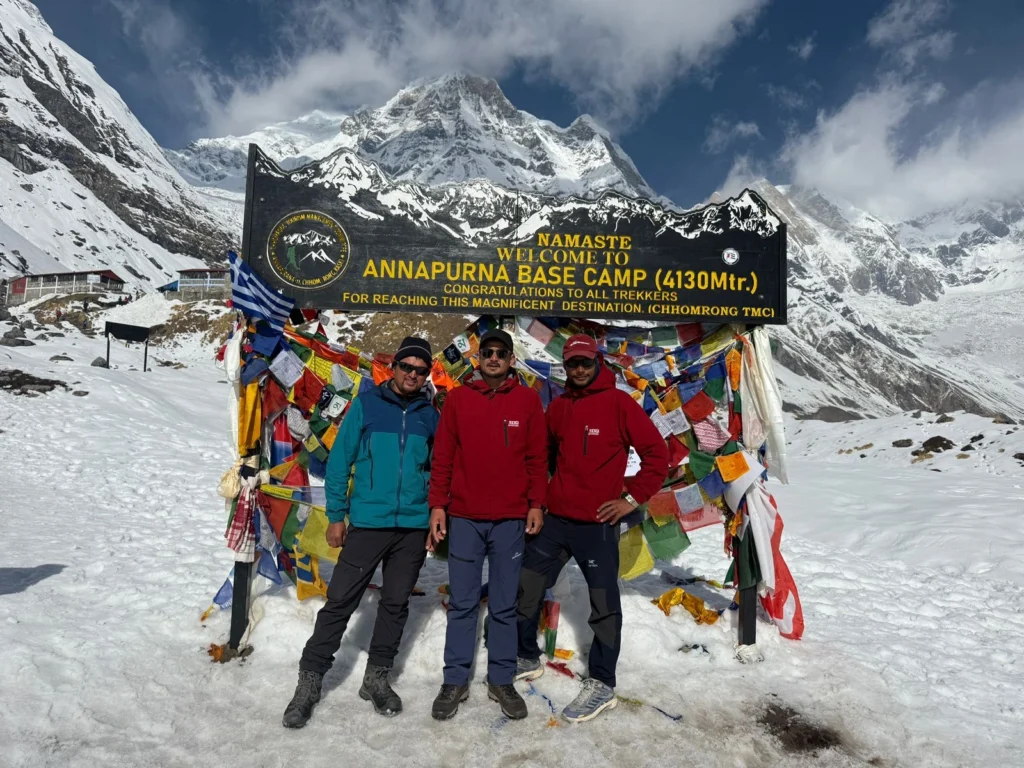
Planning a trek to Annapurna Base Camp is exciting. But one of the first questions every trekker asks is: how much is this actually going to cost me?
The honest answer is that it depends — but in a good way. The Annapurna Base Camp Trek is genuinely flexible. You can do it on a tight budget, or treat yourself to more comfort along the way. At Everest Hikes Pvt Ltd, we’ve helped hundreds of trekkers plan this journey, and we know exactly where your money goes and where you can save it.
This guide breaks down every cost category clearly, so you can plan with confidence before you even book your flight to Nepal.
On average, the total Annapurna Base Camp Trek cost falls between $400 and $900, depending on your travel style, group size, and the services you choose. Budget trekkers can complete it for under $500. A standard guided package typically runs $600–$800. Comfortable options with private rooms and flights can push past $1,000.
Annapurna Base Camp Trek Permit Costs
Before you set a single boot on the trail, you need two permits. These are checked at multiple checkpoints along the route and are non-negotiable for all foreign and SAARC trekkers.
ACAP — Annapurna Conservation Area Permit This covers your entry into the protected conservation zone. Fees support trail maintenance and local communities.
TIMS — Trekkers’ Information Management System Card This registers your presence on the trail for safety tracking. It’s issued by the Nepal Tourism Board.
Permit costs at a glance:
- ACAP (foreign nationals): NPR 3,000 ($22)
- ACAP (SAARC / Indian citizens): NPR 1,000 ($7)
- TIMS (individual foreign trekkers): NPR 2,000 ($15)
- TIMS (group trekkers): NPR 1,000 per person ($7)
- TIMS (SAARC nationals): NPR 600 ($4)
- Nepali citizens: no permit required
Total permit cost for most foreign trekkers: approximately $45
Both permits are available in Pokhara (near Lakeside) or in Kathmandu. Bring your passport, two passport photos, and pay in Nepali rupees. Your trekking agency can arrange these on your behalf if you’re on a package deal.
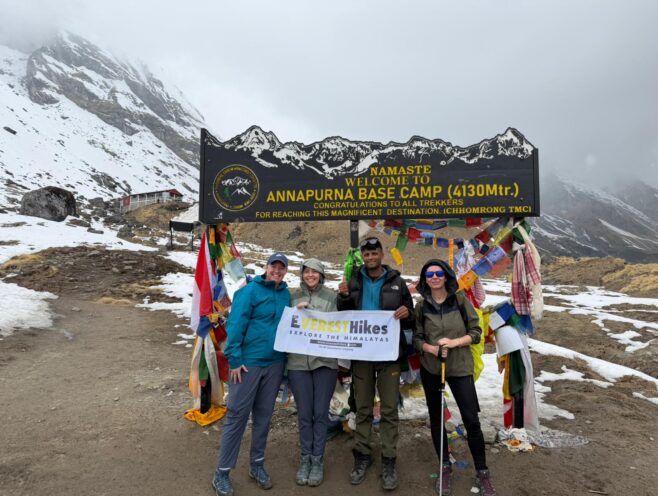
Annapurna Base Camp Trek Food Costs

Every tea house along the ABC route has a kitchen. You’ll eat well. The food is simple, filling, and fresh — dal bhat, noodles, fried rice, momos, pasta, porridge, and eggs. The key thing to know is that prices rise as you gain altitude, because porters carry everything up by hand.
Typical food prices on the trail:
- Dal bhat (set meal): $4–$5 at lower camps, $7–$10 at MBC and ABC
- Fried rice or noodles: $3–$4 lower, $6–$8 higher
- Breakfast (porridge, eggs, pancakes): $3–$5 lower, $5–$8 higher
- Cup of tea: $1 lower, $2–$3 at high camps
- Bottled water (1L): $1–$1.50 lower, $2–$3 at altitude
- Coffee or juice: $2–$3 lower, $3–$5 at altitude
Budget around $20–$30 per day for food. Stick to dal bhat when you can — it’s the best value on the menu and most tea houses offer free refills. Bring your own snacks (energy bars, nuts, chocolate) from Pokhara. The same items cost two to three times more on the trail.
Annapurna Base Camp Trek Accommodation Costs
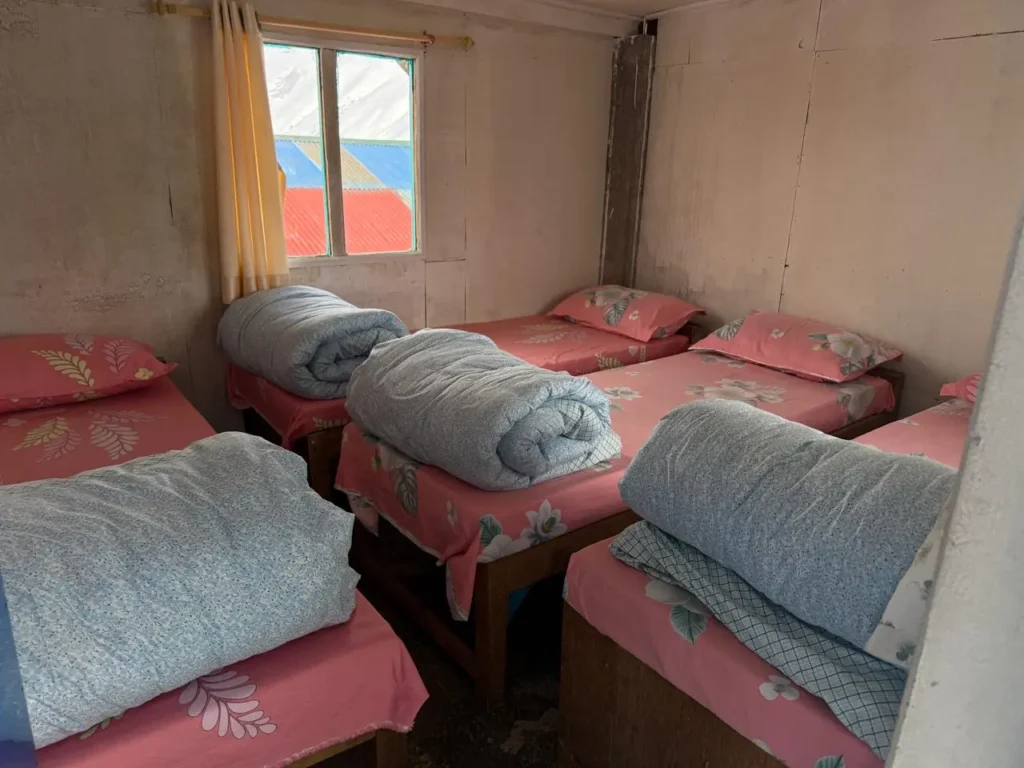
There is no camping needed on the ABC trek. Tea houses line the entire route, from Nayapul all the way to base camp. Rooms range from very basic shared dormitory-style beds to cleaner private rooms with attached bathrooms at higher-end lodges.
Typical room costs by location:
- Nayapul / Tikhedhunga: $5–$7 shared, $10–$15 private
- Chhomrong / Bamboo: $7–$10 shared, $12–$18 private
- Deurali / Machhapuchhre Base Camp / ABC: $10–$15 shared, $18–$25 private
Most tea houses provide a thin mattress, blanket, and pillow. Bathrooms are often shared. Hot showers, where available, are usually solar-heated and cost an additional $1–$3. Carry a sleeping bag liner for warmth at higher elevations. In peak spring and autumn seasons, arrive at your overnight stop early — popular tea houses fill up quickly.
Average accommodation budget: $7–$12 per night.
Read More: Explore our detailed guide to accommodation on the Annapurna Base Camp Trek.
Annapurna Base Camp Trek Transportation Costs
Kathmandu to Pokhara
Most trekkers start in Kathmandu and travel to Pokhara before beginning the trek. Your options:
- Local or tourist bus: $6–$15 (6–8 hours, most budget-friendly)
- Luxury tourist bus: $15–$20 (faster, more comfortable)
- Private jeep: $70–$100 (5–6 hours, convenient for groups)
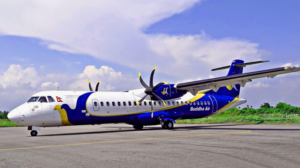
- Domestic flight: $100–$130 one way (25–30 minutes, subject to weather delays)
Pokhara to the Trailhead
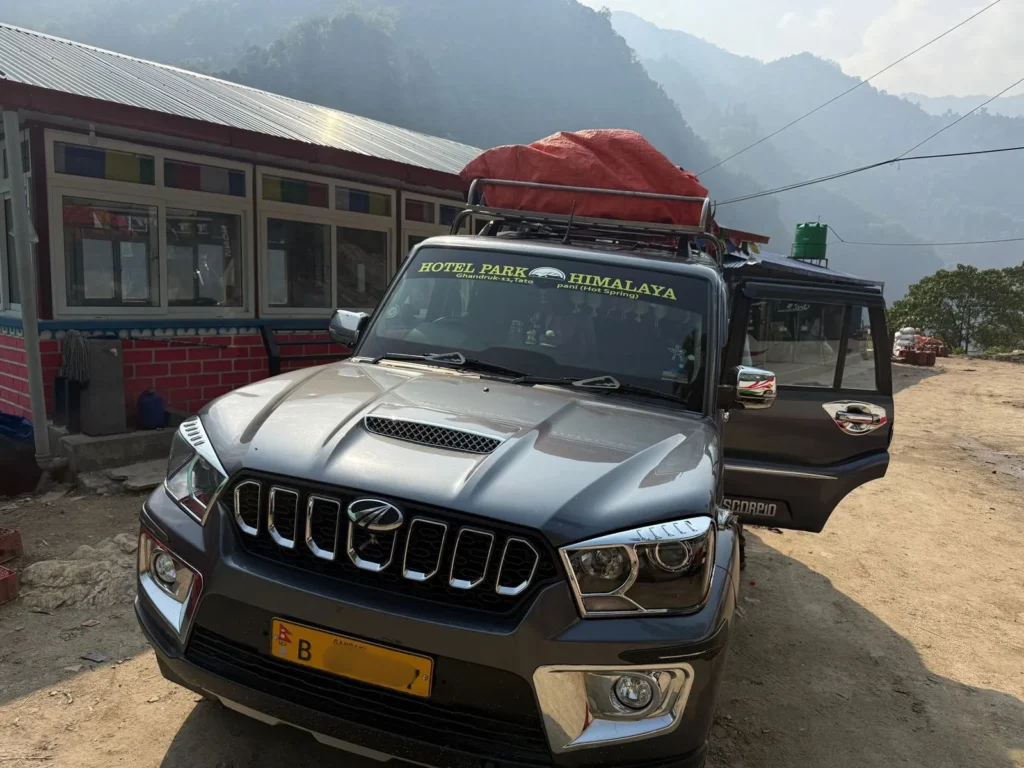
From Pokhara, you travel to Nayapul, Bhulbhule, or directly to higher trailhead points by local bus or jeep.
- Pokhara to Nayapul: $2–$5 (local bus) or $10–$15 (taxi)
- Pokhara to Jhino Danda: $8-$10 sharing jeep, $80 – $100 private
- Pokhara to Ghandruk: $8 sharing, $70-$80 private
- Pokhara to Ulleri: $12 sharing, $100 private
Overall transport budget: $15–$150 depending on your choices. Flying to Pokhara and hiring a private jeep to the trailhead is the most expensive option. Taking buses the whole way is the most affordable. If you’re flexible on schedule, the tourist bus from Kathmandu to Pokhara saves $85–$115 compared to flying.
Guide and Porter Costs for Annapurna Base Camp Trek
You can trek the ABC route independently — it is well-marked and popular. But hiring a guide and porter genuinely changes the experience. A good guide knows the route, handles logistics, communicates in Nepali with locals, and is invaluable if altitude sickness or injury strikes.
Typical daily rates:
- Licensed guide: $25–$35 per day (their food and accommodation included in what you pay)
- Porter: $15–$25 per day (carries up to 20–25kg)
- Guide and porter combined: $40–$60 per day
For a 10-day trek with both a guide and a porter, budget around $500–$600 total, excluding tips. Groups can share a porter to reduce the per-person cost significantly.
Trekking Gear and Equipment Costs
You don’t need high-end mountaineering gear for ABC — but you do need the essentials. If you don’t already own gear, Pokhara’s Lakeside area has excellent rental shops and budget gear stores where you can buy or rent everything you need.
Key items and rough costs:
- Warm down jacket: rent $2–$4/day or buy $30–$60
- Sleeping bag (rated to -10°C): rent $1–$3/day
- Trekking poles: rent $1–$2/day or buy $15–$25
- Waterproof trekking boots: buy from $40 in Pokhara
- Rain jacket: buy from $20–$50
- Headlamp, sunscreen, sunglasses: $20–$40 combined
Budget $50–$150 for gear rental over the full trek, or $150–$400 if buying new. Always buy or rent gear in Pokhara — prices are far lower than on the trail.
Note: When you book your trip with Everest Hikes, we provide essential trekking gear such as trekking poles, a sleeping bag, and a duffel bag as complimentary items for your journey.
Travel Insurance Cost
Travel insurance is not optional for the ABC trek. Your policy must cover high-altitude trekking up to at least 5,000m and helicopter evacuation. Without insurance, a helicopter rescue from the Annapurna region can cost $3,000–$5,000 or more out of pocket.
Reputable providers like World Nomads, SafetyWing, and True Traveller offer Nepal trekking policies for roughly $60–$120 for a two to three week trip. Always check that helicopter evacuation and high-altitude cover are explicitly included in the policy wording.
For detailed information, please refer to our article, Essential Guide to Choosing Travel Insurance for High-Altitude Climbing in Nepal.
Miscellaneous and Extra Costs
These small expenses add up over a 7–12 day trek, so factor them into your budget:
- Hot shower: $1–$3 per use
- Device charging: $1–$2 per charge
- WiFi (where available): $1–$3 per session
- Water purification tablets or filter bottle: $5–$15 (one-time purchase)
- Trail snacks beyond meals: $3–$8 per day
- Souvenirs and local crafts: $10–$50
- Emergency cash buffer: $100–$200
For tips: guides typically receive 10–15% of their total fee. For a 10-day trek at $30/day, that’s $30–$45. Porters usually receive $15–$25 in total. Budget $50–$70 for tips overall, and carry small denomination notes in Nepali rupees or US dollars.
Important note on cash: there are no ATMs after Jhino Danda. Withdraw from Pokhara before starting the trek. Carry at least NPR 30,000–50,000 (approximately $225–$380). Most tea houses do not accept cards.
Budget, Standard, and Luxury ABC Trek Options
Budget Trek: $400–$550 Local buses from Kathmandu to Pokhara, independent trekking without a guide, shared rooms throughout, dal bhat every day, using your own gear. Best suited to experienced trekkers who are comfortable navigating independently.
Standard Trek: $600–$800 (most popular) Tourist bus or domestic flight to Pokhara, licensed guide and porter, a mix of private and shared rooms, varied meals, and one-off extras like hot showers. This is the sweet spot that most trekkers choose — good comfort without unnecessary cost.
Comfortable Trek: $900–$1,200+ Flights both ways, private rooms throughout, daily hot showers, full guide and porter, flexible itinerary. Ideal for first-time trekkers who want the experience without logistical stress.
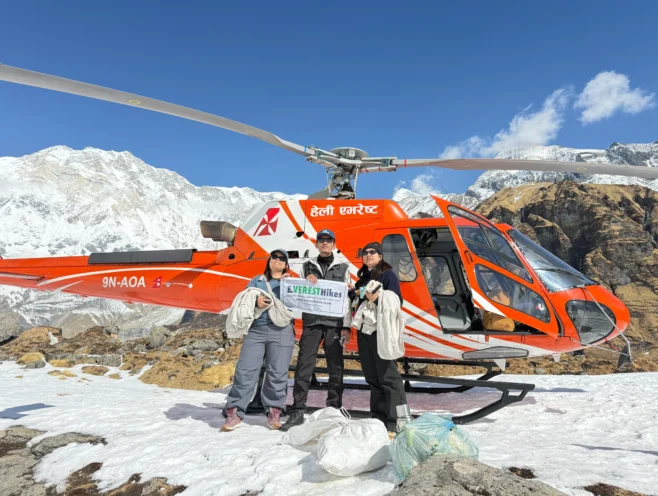
Independent Trekking vs. Guided Package: Cost Comparison
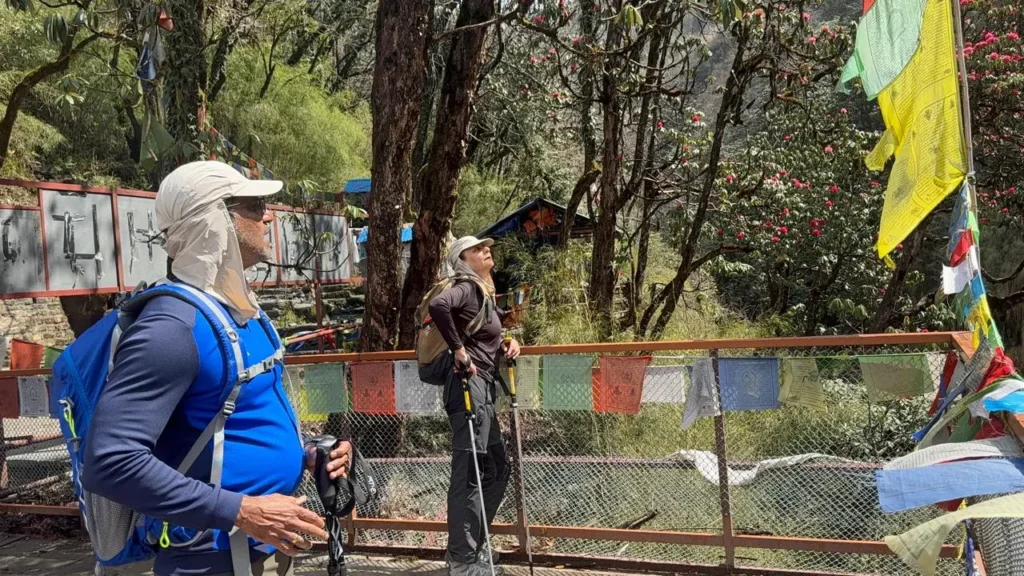
Independent trekking costs less per day ($25–$35 daily spend) but requires you to arrange everything yourself — permits, transport, accommodation bookings, and navigation. If something goes wrong, you’re on your own.
A guided package costs more overall ($600–$900 for a full package) but includes permits, transport coordination, a licensed guide, porter, and a safety net if altitude sickness or an emergency occurs. Most trekkers find the added cost genuinely worthwhile when they’re on the mountain.
In practice, going fully independent is only cheaper if everything goes smoothly. When you factor in the risk of getting stuck due to weather, dealing with permit issues, or navigating unfamiliar logistics in a country you don’t know well, a guided package often represents better value. At Everest Hikes Pvt Ltd, our packages are priced at local-market rates — no international booking markup.
What’s Included and Excluded in a Typical ABC Package
Usually included:
- ACAP and TIMS permit fees
- Licensed, English-speaking guide
- Porter service (up to 15kg per trekker)
- Tea house accommodation (twin sharing)
- All meals during the trek (breakfast, lunch, dinner)
- Airport or hotel transfers in Pokhara
- Guide and porter insurance
- Agency support and 24/7 emergency contact
Usually excluded:
- International flights to Nepal
- Kathmandu–Pokhara transport (unless stated in the package)
- Travel insurance for the trekker
- Personal trekking gear and equipment
- Tips for guide and porter
- Personal extras: hot showers, WiFi, device charging, snacks
- Helicopter evacuation (covered by your travel insurance)
Always read the package inclusions carefully and ask your agency to clarify anything that seems ambiguous before booking.
Practical Tips to Save Money on the ABC Trek
- Book your package directly with a local Nepal-based trekking agency. You cut out international middlemen and pay fair rates.
- Travel in the shoulder season (November or early March). Fewer crowds, same scenery, same prices — and rooms are easier to find.
- Buy snacks, a water filter, and extra warm layers in Pokhara’s Lakeside market before the trek. Trail prices are two to three times higher.
- Share a porter with your trekking partner. You halve the cost while each of you carries a lighter load.
- Use a water purification filter bottle instead of buying bottled water at every tea house. Saves $3–$5 every single day.
- Eat dal bhat as your main meal. It’s the cheapest, most filling option and comes with free refills at most tea houses.
- Take the shared jeep or local bus to the trailhead rather than hiring a private vehicle.
Annapurna Base Camp Trek Cost by Nationality
For Nepali citizens: No ACAP or TIMS permits required. Accommodation is significantly cheaper (NPR 300–500 per night). Food prices are roughly the same. The ABC trek is very affordable for locals.
For Indian citizens (SAARC): ACAP costs NPR 2,000 (~$16) and TIMS is around NPR 2,000 (~$15) — significantly less than for non-SAARC foreigners. Food, accommodation, and transport costs are the same. Budget $700–$1,000 for a full guided trek from Pokhara.
For other foreign nationals: Total permit cost is approximately $45. Full guided package from Pokhara: $600–$900. With Kathmandu transport and international flights excluded, budget $500–$800 for the trek itself.
Frequently Asked Questions
How much does the Annapurna Base Camp Trek cost in total?
Do I need a guide for the ABC Trek?
Is the ABC Trek cheaper than Everest Base Camp?
How much cash should I carry on the trail?
What is the best time to do the ABC Trek?
Final Thoughts
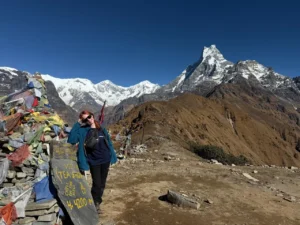
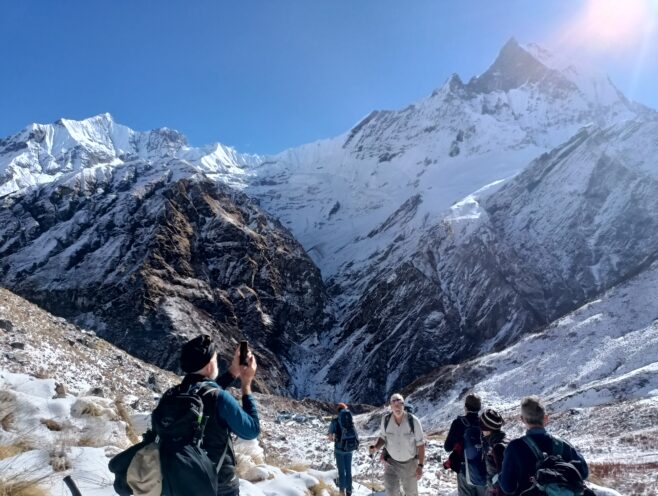
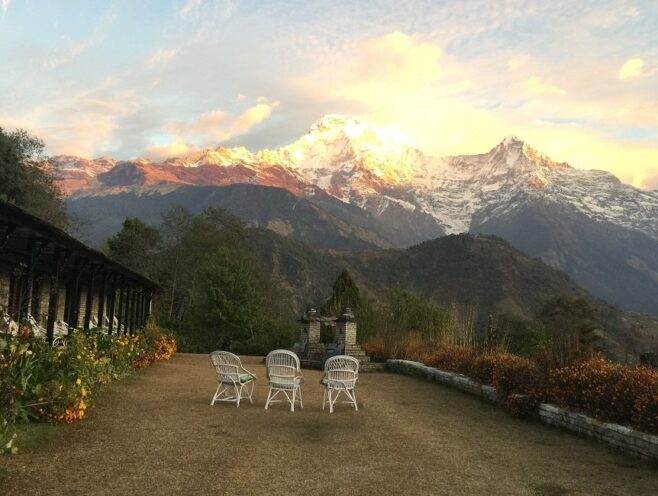
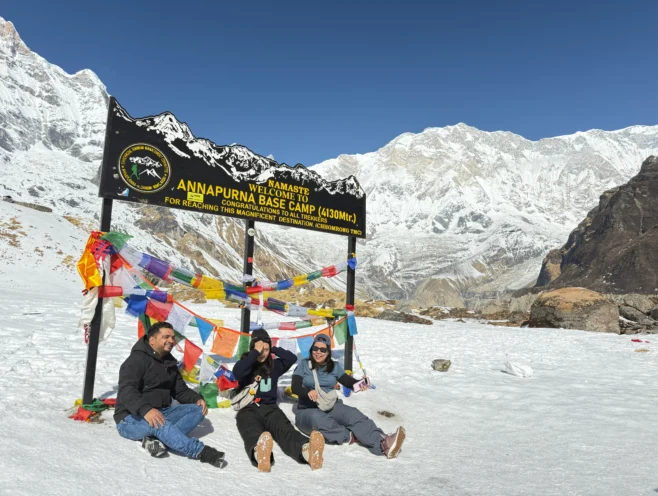
The Annapurna Base Camp Trek is one of the best-value treks in the Himalayas. For roughly $600–$800, you get 7–10 days of spectacular mountain scenery, rich Gurung culture, rhododendron forests, hot springs at Jhino Danda, and the unforgettable sight of Annapurna I, Machhapuchhre, and Hiunchuli rising above base camp at 4,130m.
Whether you’re a budget backpacker or prefer a bit more comfort on the trail, the ABC trek can be tailored to suit you. The key is planning ahead, carrying enough cash, and choosing a reliable local agency that knows the route.
At Everest Hikes Pvt Ltd, we offer fully customizable Annapurna Base Camp packages starting from Pokhara, with transparent pricing and no hidden fees. Get in touch for a quote that fits your budget and timeline.